By Eikna Editorial Team · Research checked 3 October 2026 · Editorial standards
Where is the danger?
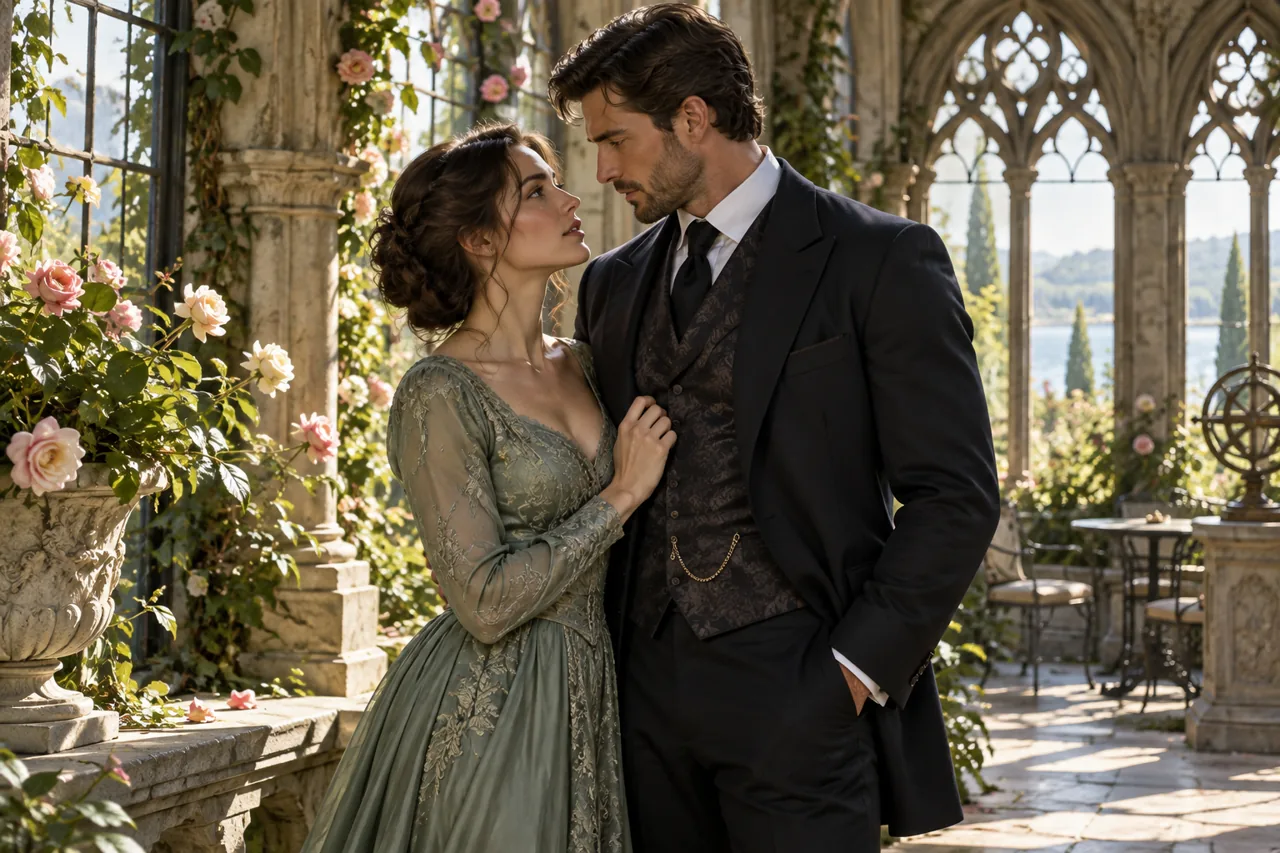
In a partner-threat premise, the lover may be the source of confinement or harm. In Gothic suspense, the house, family history or a hidden explanation can supply the uncertainty. A partner can also be an ally against it. These are useful questions to put to a synopsis, not mutually exclusive genre tests.
What role does the place play?
A mansion is scenery until its isolation, rules or history changes the characters’ choices. The Gothic comparison separates governess work, a new marriage, a campus and supernatural threat by that function.
Why a Gothic book may not offer a romance ending
The Gothic tradition includes horror, psychological suspense and tragic love stories. The older word romance is broader than a modern genre-romance contract. Adjacent fiction is explicitly marked in our collection; unknown endings stay unknown.
How to keep exploring
If serious personal opposition is the appeal, use the Mafia opposition starters. If the private rules of a household intrigue you, compare the Jane Eyre routes with the Rebecca routes.
These are researched reading routes, not firsthand reviews. Unassessed facts remain unknown. No new editorial scores are assigned.