Older-Man Romance: Age Differences, Life Stages and Independence
Older-man romance places a man on the older side of a relationship where the difference in years matters to the reading experience. That can mean a single father wondering whether his family responsibilities fit a new relationship, or two people who approach a shared future from different points in their lives.
The age gap is only one part of the choice. Employment, housing, money and a shared history can create additional pressures. Start by checking what the sources actually establish about the ages, then decide whether you want parenting, a gradual courtship or a more openly sexual relationship.
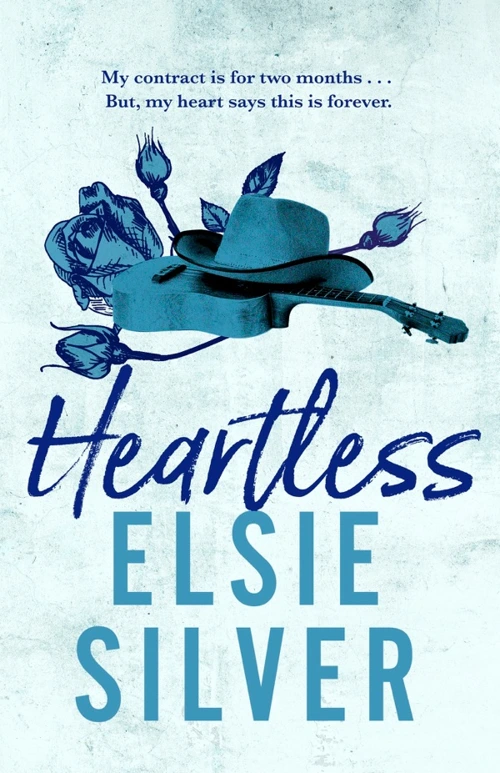
Authentic published cover of one starter selection; not a claim about every book in the guide.
Updated 8 October 2026 · Eikna Editorial Team
Choose the relationship experience
Setup
What drives it
What to check
Single parent and younger partner
An existing family shapes the possible future
Whether the child has a meaningful place in the story
Employer and employee
A relationship grows across a work boundary
Practical independence as well as the age difference
Landlord and tenant
Domestic proximity creates opportunities for connection
Housing leverage and how slowly trust develops
Age difference without exact ages
Sources identify who is older
Do not invent birthdays or a gap size from appearance
Narrow the reading experience
Age evidence comes before a number
A synopsis can explicitly state the difference in years without establishing both partners’ exact ages. Heartless provides that narrower evidence: Elsie Silver identifies Cade as thirteen years older than Willa. A reviewer may supply more detail, but that is a separately attributed report until checked against the text. All Rhodes Lead Here is included on the reported older-man classification of an identified critic. Neither title is used here to manufacture a fully verified age table or a universal minimum gap.
Life stage can matter more than arithmetic
Parenthood, a recent breakup or a change of home can make two adults approach romance differently even when the age difference is not the main conflict. Consider whether you want the older partner’s responsibilities to remain visible throughout the relationship. A child can be integrated into the emotional story rather than serving as a shorthand for maturity. Equally, an older character can be guarded, impulsive or mistaken. Age alone does not establish patience, compatibility or better judgment.
Read the work and housing stakes too
An employer can affect someone’s income; a landlord can affect their living arrangements. Those sources of leverage exist alongside the age difference, so a cheerful or assertive younger partner does not automatically remove them. Heartless puts the attraction inside a two-month nanny contract. All Rhodes Lead Here places Aurora near her landlord after a move. These setups may appeal for their domestic closeness, but readers seeking partners with no practical authority over one another should choose with that distinction in mind.
Choose between patient closeness and quicker attraction
The older-man label does not tell you how soon attraction becomes physical or how long emotional trust takes. The existing Heartless assessment reports sexual scenes and character growth, with disagreement about the opening and some behavior. The All Rhodes Lead Here assessment reports sharply divided responses to its long buildup. Use those differences to choose a reading rhythm. A slow burn is not a guarantee of low heat, and a sexually open romance is not evidence of a more developed emotional connection.
Starting points and their evidence
These are small starter examples, not a completed or ranked recommendation list. Reviewed selections link to existing evidence-based editorial assessments. Other examples are identified as researched premises or pending research leads; they have no new rating or claim of first-hand reading.
Purchases through Amazon, Bookshop.org and Libro.fm links may earn us a commission. As an Amazon Associate, Eikna Romance earns from qualifying purchases, at no extra cost to you.
Heartless
Elsie Silver
Confirmed premise example
Elsie Silver explicitly states a thirteen-year difference between Cade and Willa. Their relationship develops while Willa works as a nanny for the single father, bringing age, employment and parenting into the same household.
Before choosing: The author’s synopsis confirms the gap, not both exact ages. Our existing review discusses sexual content and mixed responses to character behavior.
Author or publisher premise source · checked 8 October 2026
Edition buttons become available when the specific format and destination are checked. Amazon opens a title-and-author search; choose your edition there.
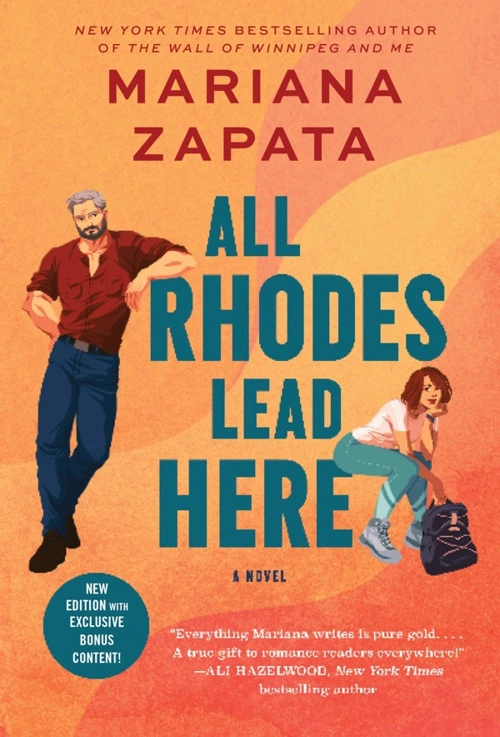
All Rhodes Lead Here
Mariana Zapata
Classification reported by identified critics
Sarah Evermotion’s Reads explicitly describes a younger woman and older man in a slow-burn landlord/tenant romance. This is an attributed classification rather than a directly checked numerical age gap.
Before choosing: The exact ages and gap size remain unverified here. The existing review reports disagreement about pacing, chemistry and Aurora’s narrative voice.
Identified critical source · checked 8 October 2026
Edition buttons become available when the specific format and destination are checked. Amazon opens a title-and-author search; choose your edition there.
Questions that change the reading choice
Does older-man romance always mean a very young heroine?
No. The category describes which partner is older, not a fixed age for the younger partner. This guide does not supply a numerical age threshold or classify anyone from cover art. Exact ages that have not been directly checked remain unverified.
Is every older-man story an age-gap romance?
Not necessarily. A man can be older by a small amount without the difference being part of the story’s appeal or conflict. Inclusion here needs an explicit difference or an attributed critical classification, not merely a guess about appearance.
Are these books recommended without reservations?
No. They are reviewed examples for comparing two setups. The linked assessments retain contrary criticism, content uncertainty and the distinction between a supported premise and a reader’s response to its execution.