YA Grumpy Sunshine Romance: Opposite Temperaments and Growing Trust
YA grumpy sunshine romance follows attraction between characters whose ways of meeting the world differ. One may withdraw or expect trouble, while the other seeks connection or possibility. The appeal lies in how those temperaments interact within teenage choices and pressures. A quiet person is not automatically grumpy, and a sociable person is not automatically optimistic.
This starter guide uses a Bloomsbury YA title whose publisher explicitly lists grumpy/sunshine. Its fantasy setting adds a shared task and danger beyond the couple. The book is a researched premise example, not a new review. The audience and trope labels establish a starting point; they do not verify heat, an ending or the quality of the relationship’s development.
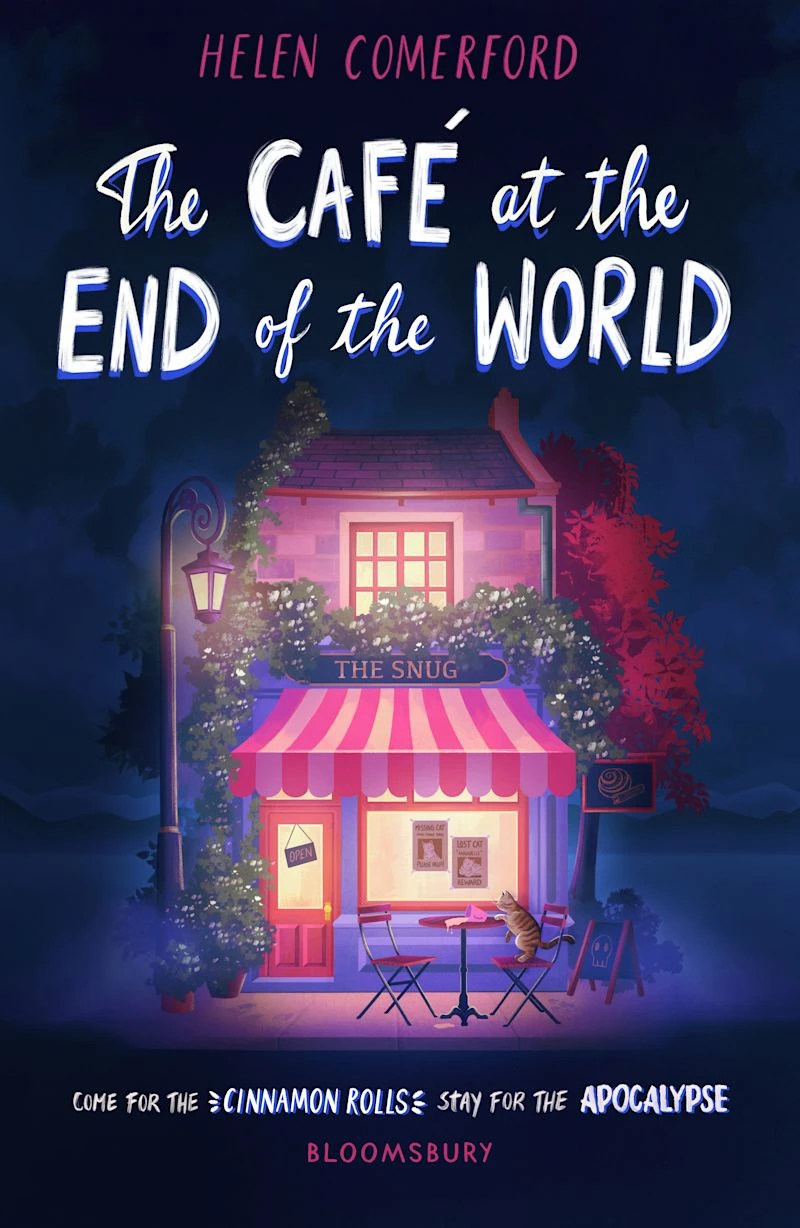
Authentic published cover of one starter selection; not a claim about every book in the guide.
Updated 9 October 2026 · Eikna Editorial Team
Compare the reading choices
Setup
What drives it
What to check
Guarded and hopeful
Different expectations about connection
Is the contrast persistent?
Rivals
A shared goal creates competition
Do you want rivalry as well as temperament?
Fantasy mission
Opposite approaches under pressure
How much adventure accompanies the romance?
Narrow the reading experience
Temperament is different from a disagreement
The leads can have opposing outlooks without being rivals or enemies. Look for a recurring difference in how they approach a problem, rather than one sharp exchange. A skeptical response to an unfamiliar visitor may be situational, whereas a persistent habit of expecting disappointment creates a broader contrast. Decide whether you want that emotional pattern or the external conflict of characters pursuing incompatible goals. These preferences can overlap, but they lead to different reading choices.
Neither lead needs to become the other
A satisfying question for this dynamic is how two people make room for different ways of coping. Readers may want a guarded character to trust without losing their reserve, or an optimistic character to be taken seriously without becoming cynical. The premise cannot establish whether a novel accomplishes that development. It can help you identify the starting contrast and choose which kinds of change you want a fuller review to examine.
Choose contemporary pressures or fantasy stakes
A school-based story might center friends, family and future plans. A fantasy version can put the same contrast inside a dangerous shared mission. The setting changes how much time the romance shares with adventure and world-building. If you want a quiet school romance, a café setting alone is not enough evidence: investigate the surrounding plot. The starter here includes an apocalyptic threat, so its everyday setting should not be mistaken for low stakes.
Starting points and their evidence
These are small starter examples, not a completed or ranked recommendation list. Reviewed selections link to existing evidence-based editorial assessments. Other examples are identified as researched premises or pending research leads; they have no new rating or claim of first-hand reading.
Purchases through Amazon, Bookshop.org and Libro.fm links may earn us a commission. As an Amazon Associate, Eikna Romance earns from qualifying purchases, at no extra cost to you.
The Cafe at the End of the World
Helen Comerford
Researched premise · not reviewed or rated
Confirmed premise example
Lydie’s café life is disrupted by Kai and a threat to her town. Bloomsbury explicitly lists grumpy/sunshine for this YA fantasy.
Before choosing: Apocalyptic stakes accompany the café setting. This unreviewed starter has no verified heat or ending assessment.
Author or publisher premise source · checked 9 October 2026
Find it on AmazonGet the paperback · checking editionGet the audiobook · checking editionReview pending
Edition buttons become available when the specific format and destination are checked. Amazon opens a title-and-author search; choose your edition there.
Questions that change the reading choice
Is grumpy sunshine always enemies to lovers?
No. Opposite temperaments can attract without a sustained conflict between the leads. A publisher may list both dynamics, but one tag does not establish the other. Choose whether you want everyday friction, distrust during a shared task or genuine opposition over an important goal.
Does a cozy setting mean a low-stakes story?
A familiar café can sit inside a much larger plot. Check the source’s account of the central problem, rather than drawing conclusions from comforting imagery. The starter’s publisher describes danger to the town, so readers seeking only gentle everyday concerns should investigate the adventure element before choosing.
What does the source establish here?
Bloomsbury identifies the YA imprint and explicitly markets the grumpy/sunshine trope. It also describes a teenage lead working with a secretive newcomer against a threat to her town. That supports inclusion as a researched starter, while heat, ending and detailed relationship assessment remain unknown.