Stalker Romance: Obsession, Surveillance and Reader Boundaries
Stalker romance makes persistent watching, following or intrusion part of the connection with a romantic lead. A romance in which an unrelated stalker threatens the couple is a different setup. Readers who search this trope may want the unsettling attention, the fictional obsession or the tension between desire and control. Identifying who watches whom is the first useful filter.
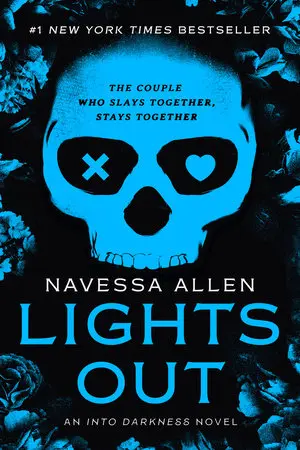
Lights Out is a publisher-confirmed starting example: Zando explicitly labels the romantic lead as a masked stalker and describes a separate outside threat. Its fantasy invitations, darker conduct and humor need to be read in that specific context. This guide does not assign it a new rating, claim that all its content is consensual or substitute a short premise summary for the book’s content notes.
Thematic romance artwork, not a published book cover or a scene from a listed novel.
Updated 8 October 2026 · Eikna Editorial Team
Where does the intrusion sit?
Setup
What drives it
What to check
The love interest watches or follows
Observation is part of the romantic dynamic
Check privacy, intrusion and the handling of refusal
An outside stalker threatens the leads
The couple responds to a separate danger
Romantic suspense is the closer route when stalking is not the love interest’s conduct
An agreed fantasy involves pursuit
Characters invite a particular interaction
A particular invitation does not establish every later boundary
A protector uses surveillance
Protection and restriction may overlap
Ask whose choices determine what happens
Choose the reading experience
Obsession is a premise, not a quality verdict
Intense focus can be the fantasy a reader wants, but the label does not tell you whether the characterization, pacing or transition into intimacy works. We separate the factual setup from an editorial assessment. The publisher can confirm stalking as part of Lights Out’s premise without providing independent criticism of its handling. A full review needs more evidence than that.
An invitation has a scope
A character may request a pursuit fantasy or communicate a desire for a particular encounter. That information matters, but it should not be expanded into a universal consent claim about every action in the book. The official Lights Out description refers to a request that motivates Josh’s intrusion; it also directs readers to the book’s warnings. Both pieces belong in the reading decision.
Humor and disturbing content can coexist
Comic dialogue or an affectionate couple does not erase darker events elsewhere in a story. A reader seeking playfulness may still want specific checks for sexual violence, coercion or physical harm. We do not use a dark-romcom label as a complete content inventory. When detailed evidence has not been checked, the guide says so rather than offering a safe-for-everyone reassurance.
A threat plot is not evidence about the romance’s ending
An outside antagonist may raise suspense while the central couple develops a separate relationship arc. The first book in a named series is not automatically a cliffhanger or a complete standalone. Check the author’s reading order and work-level ending information separately. Our starter keeps its ending unknown until that evidence is independently established.
Starting points and their evidence
These are small starter examples, not a completed or ranked recommendation list. Reviewed selections link to existing evidence-based editorial assessments. Other examples are identified as researched premises or pending research leads; they have no new rating or claim of first-hand reading.
Lights Out
Navessa Allen
Confirmed premise example
Trauma nurse Aly follows Josh’s masked online persona, and a message invites an encounter that brings his fixation into her home. Zando explicitly classifies the romantic-interest setup as stalker romance while introducing another, more threatening watcher. The distinction makes this a direct trope example rather than merely suspense with a stalker antagonist.
Before choosing: The publisher directs readers to the book’s content warnings. No complete warning inventory, ending classification, universal consent guarantee or new editorial rating is supplied.
Author or publisher premise source · checked 8 October 2026
This is the first directly assessed choice in this precise collection. It is a substantive starter, not a claim that the collection is complete.
Purchases through Amazon, Bookshop.org and Libro.fm links may earn us a commission. As an Amazon Associate, Eikna Romance earns from qualifying purchases, at no extra cost to you.
Lights Out
Navessa Allen
Slowburn directly labels this a masked stalker romance: Josh acts on Aly's online fantasy comment while another observer becomes a separate, more dangerous threat.
Choose it for dark comedy, explicit kink and banter; read the assessment for home invasion, advance-consent ambiguity and the midbook shift into violent suspense.
Edition buttons become available when the specific format and destination are checked. Check the selected format before buying.
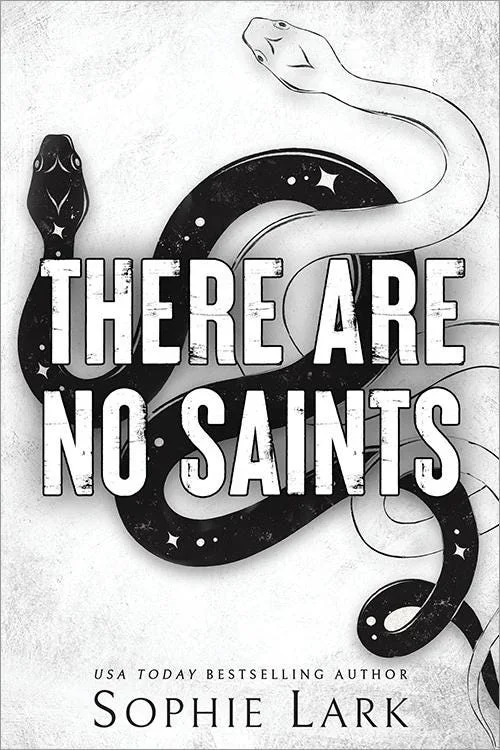
There Are No Saints
Sophie Lark
There Are No Saints makes stalking part of the central relationship rather than a threat coming only from an outside villain. Cole Blackwell is an established sculptor and serial killer; Mara Eldritch is a struggling artist whose survival captures his attention. Readers need to want this deliberately threatening attachment before the art-world setting or mutual attraction can become an appeal.
For readers intentionally seeking a genuinely dangerous romantic lead and an adversarial attraction. Avoid it if surveillance, sexual assault, childhood abuse or an incomplete first-volume arc would undermine your enjoyment.
Edition buttons become available when the specific format and destination are checked. Check the selected format before buying.
Notice
K. Webster
Notice fits readers deliberately seeking a stalker romance in which the romantic lead violates boundaries. Grayson becomes fixated on his assistant, Violet, when she submits her resignation. His attention extends into her home and private life, so the office setting should not suggest a conventional boss-and-employee courtship.
Best for readers who intentionally seek transgressive stalking fantasy and an unreliable sense of safety. Avoid if you need an ethically protective hero, a consensual workplace relationship or restrained treatment of trauma.
Seeking stalker-romance tension without explicit intimacy
A no-spice stalker-romance request combines an obsession dynamic with a specific intimacy limit. Check each independently. Surveillance, unwanted contact or pursuit can be central even when a story has no explicit sexual scenes, while a quiet or restrained tone does not prove that all intimacy happens off the page.
Clarify whether you want no explicit description, no implied sexual activity or no sexual threat. Those are substantially different boundaries. A closed-door classification only concerns what the reader sees of intimacy; it cannot establish the absence of coercion, fear, violence or invasive conduct elsewhere in the story.
The main guide explains the pursuit dynamic and keeps unverified content claims open. A reliable narrow recommendation would need positive evidence about the requested intimacy limit, not simply a search that failed to mention sexual scenes. Until that evidence is available, use a candidate as an obsession-premise comparison rather than an assured no-spice match.