Touch-Her-and-Die Fantasy Romance: Power, Loyalty and the Cost of Retaliation
Touch-her-and-die fantasy romance puts extreme protection inside a world where a love interest may command magic, armies or a dangerous reputation. The appeal often comes from seeing that power redirected toward one person. Choose whether you want a dramatic warning, active retaliation or a protector whose restraint disappears during a threat. Those are different experiences even when readers use the same shorthand.
This researched starter has an explicit publisher touch-her-and-die label in a dark fantasy setting. The publisher also establishes kidnapping and forced marriage, which matter to the relationship choice and should not disappear behind the protection trope. This guide compares power used against outsiders with power used inside the romance, helping readers identify both the attraction and the boundary they need to check.
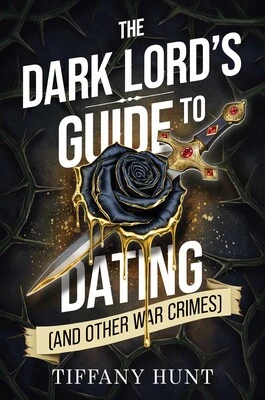
Authentic published cover of one starter selection; not a claim about every book in the guide.
Updated 9 October 2026 · Eikna Editorial Team
Choose the relationship dynamic
Setup
What drives it
What to check
Magical retaliation
Power answers a threat
How wide are the consequences?
Political protection
Status shields the partner
Does the intervention create new obligations?
Dangerous romantic setup
The protector also imposes terms
What choice does the partner retain?
Narrow the reading experience
Scale changes the consequences
A threat in fantasy may trigger a personal fight, a magical intervention or action that affects an entire realm. Readers may enjoy the spectacle of overwhelming power, but the scale changes whose lives are involved. Decide whether your preferred scene centers closely on the threatened partner or expands into political consequences. A ruler or powerful magician can make a protective gesture costly to other people; that cost is part of the story’s moral question, not simply a measure of how strongly someone loves.
The protected character can have power too
A fierce defender does not require a helpless partner. The other lead may fight, bargain or have abilities the protector does not understand. Readers seeking active protagonists should check whether the premise gives that person independent goals and choices. A source that calls someone strong cannot verify every scene of agency, but it can establish a starting position. Protection can coexist with disagreement about how to respond to a threat, and that disagreement may be part of the romantic appeal.
Separate devotion from the terms of the relationship
A love interest can defend someone against an outsider while having imposed a relationship on them. Readers comfortable with one part may still have limits around the other. Check how the relationship begins and what the protected person can choose afterward. If you seek intense loyalty within a freely negotiated romance, the threat shorthand cannot establish that condition. The starter’s forced-marriage premise makes this distinction especially useful without implying that later boundaries have been fully assessed.
Starting points and their evidence
These are small starter examples, not a completed or ranked recommendation list. Reviewed selections link to existing evidence-based editorial assessments. Other examples are identified as researched premises or pending research leads; they have no new rating or claim of first-hand reading.
Purchases through Amazon, Bookshop.org and Libro.fm links may earn us a commission. As an Amazon Associate, Eikna Romance earns from qualifying purchases, at no extra cost to you.
The Dark Lord’s Guide to Dating (and Other War Crimes)
Tiffany Hunt
Researched premise · not reviewed or rated
Confirmed premise example
The publisher explicitly lists touch her and die for Kazimir and Arabella’s dark fantasy story.
Before choosing: The source also establishes kidnapping and forced marriage; exact threat scenes and later relationship boundaries remain unassessed.
Author or publisher premise source · checked 9 October 2026
Find it on AmazonGet the paperback · checking editionGet the audiobook · checking editionReview pending
Edition buttons become available when the specific format and destination are checked. Amazon opens a title-and-author search; choose your edition there.
Questions that change the reading choice
Is touch-her-and-die always a literal quotation?
No. It can be a publisher or reader classification of the protective dynamic. The starter has the publisher’s explicit label, but this page does not invent the exact line, speaker or scene. Readers seeking a specific incident need more detailed evidence.
Does a protective villain become morally good?
Protection of one person does not establish broad moral change. A villain may remain harmful toward others, and devotion can coexist with manipulation or coercion. If redemption matters to your choice, verify it separately rather than infer it from romantic loyalty.
What material should I check for the starter?
The publisher identifies kidnapping and forced marriage alongside the protective trope. Those are material premise conditions, not hidden caveats. The book is researched and unreviewed here, with no new heat rating, completed relationship assessment or ending guarantee.