Paranormal Touch Her and Die Romance: Protective Threats and the Power to Act
Paranormal touch her and die romance centers a fierce response to someone threatening the beloved partner. Supernatural abilities can make that response unusually consequential: a warning may carry the capacity for serious harm. Choose whether you want the thrill of a threat, an intervention in immediate danger or sustained protective behavior. The label does not establish that anyone is killed, that a threat is enacted or that the protected person welcomes every decision made for them.
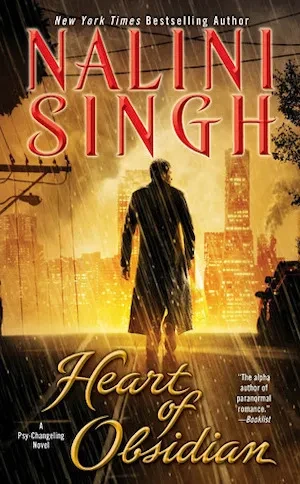
Heart of Obsidian by Nalini Singh is the reviewed interpretive example. Its existing assessment describes Kaleb’s extreme devotion, power and troubling willingness to contemplate mass violence. This guide examines the protective-threat fantasy and its limits; the morally grey paranormal page separately considers wider responsibility. The trope is an editorial interpretation, not a confirmed publisher tag or a claim that the title’s familiar phrase appears in the book.
Authentic published cover of one starter selection; not a claim about every book in the guide.
Updated 9 October 2026 · Eikna Editorial Team
Compare the relationship choices
Setup
What drives it
What to check
A protective warning
Danger prompts a declaration of force.
Whether the response remains a threat.
Supernatural capacity
The character can cause substantial harm.
Scale, consequences and bystanders.
Negotiated protection
The beloved partner has a say.
Resistance, autonomy and series context.
Narrow the reading experience
Decide whether the appeal lies in a warning or its execution
A threat can create intensity through anticipation, while an enacted response changes the story’s consequences. Those are different reading preferences. Readers seeking an immediate rescue may not want extended declarations of power; readers drawn to menace may prefer the uncertainty of what a character could do. The current interpretation rests on extreme protective devotion and contemplated harm, rather than a verified scene-by-scene inventory of retaliation. No literal killing count is supplied. Check the full assessment if the difference between threatened and enacted violence determines whether this book suits you.
Ask whose wishes shape the protective response
The protected person’s voice matters because extraordinary ability can make one partner’s decisions difficult to challenge. Care may feel reassuring when it responds to an expressed need, or unsettling when it treats resistance as an obstacle. In the starter, the existing assessment records autonomy concerns alongside the relationship’s intensity. Consider whether you want both partners to negotiate the response or prefer a fantasy of unilateral intervention. Their private attraction cannot answer that preference for you. The guide keeps consent, protection and control as separate questions even when they overlap in the narrative.
Match the scale of danger to the experience you want
A narrow response to an immediate aggressor creates different stakes from harm contemplated on a societal scale. The latter may turn a protective fantasy into a difficult question about other people’s safety. The existing critique raises that concern here; readers wanting uncomplicated reassurance should weigh it carefully. This is also a later Psy-Changeling volume with substantial context, and the existing assessment recommends starting the series earlier. Choosing by trope alone can therefore mean taking on political history, recovery themes and a longer reading commitment along with the romantic focus.
Starting points and their evidence
These are small starter examples, not a completed or ranked recommendation list. Reviewed selections link to existing evidence-based editorial assessments. Other examples are identified as researched premises or pending research leads; they have no new rating or claim of first-hand reading.
Purchases through Amazon, Bookshop.org and Libro.fm links may earn us a commission. As an Amazon Associate, Eikna Romance earns from qualifying purchases, at no extra cost to you.
Heart of Obsidian
Nalini Singh
Editorial interpretation
The paranormal premise and existing criticism of Kaleb’s extreme devotion support an interpretation of the protective-threat fantasy. Inclusion does not establish the literal phrase or an enacted retaliation scene.
Before choosing: Check captivity, torture, trauma, autonomy and concerns about contemplated mass violence. This later series volume requires context; the existing assessment recommends beginning earlier.
Author or publisher premise source · checked 9 October 2026
Edition buttons become available when the specific format and destination are checked. Amazon opens a title-and-author search; choose your edition there.
Questions that change the reading choice
Does the trope require an on-page killing?
No. A protective threat and its execution are separate claims; this guide does not promise a literal killing scene.
Is Heart of Obsidian publisher-tagged touch her and die?
No. Its inclusion is an editorial interpretation of the existing evidence about power and extreme devotion.
What should readers check before starting?
Check captivity, torture, trauma and autonomy concerns, plus earlier series reading. On-page sexual encounters are reported; numerical heat and formal ending classification remain unresolved.