Fantasy Arranged Marriage: Who Chooses, Who Refuses and Who Benefits
Fantasy arranged marriage places the choice of spouse in someone else’s hands: a ruler, a household, a treaty or an institution. The relationship may begin with cooperation, resignation or open hostility. The useful reading question is how the protagonists gain a personal relationship inside a decision that was made for them.
Arranged marriage and marriage of convenience often overlap, but they answer different questions. This guide follows who selects the spouses and how much power they have to refuse. The nearby marriage-of-convenience guide follows the practical purpose of the union. These two existing reviewed starters show political placement and a marriage imposed as punishment, with their harder relationship pressures clearly identified.
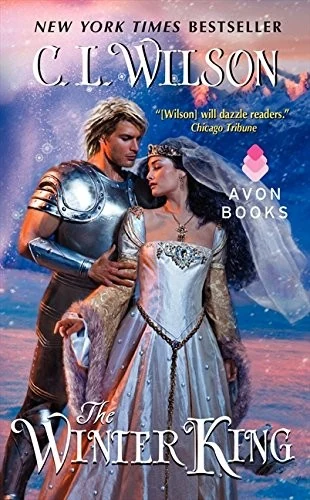
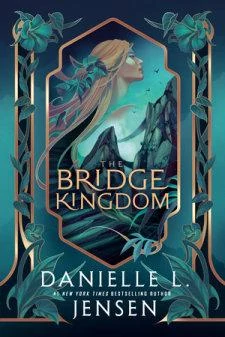
Authentic published cover of one starter selection; not a claim about every book in the guide.
Updated 8 October 2026 · Eikna Editorial Team
Compare choice before and after the wedding
Setup
What drives it
What to check
Family or ruler selection
Another authority names the spouse.
Whether either person can refuse without serious consequences.
Treaty placement
The union serves a relationship between states.
Whether the spouses are willing participants or political instruments.
Punitive marriage
A union is used to punish or exact vengeance.
Threats, coercion and the unequal starting position.
Personal agreement
The couple negotiates its own marriage.
A useful comparison, but not automatically an arranged union.
Narrow the reading experience
Start with who makes the decision
A wedding before love does not by itself prove arranged marriage. A couple might independently propose a practical bargain, while an outside authority might choose their partners even if both consent to the match. Ask who controls the selection and what refusal would cost. That distinction helps readers choose between a negotiated relationship, a duty accepted reluctantly and an imposed union with little room for an initial choice.
Decide how much opposition you want
Reluctance toward a marriage is not the same as hatred of the spouse. A character can distrust the treaty, fear leaving home or resent a ruler without treating the other protagonist as an enemy. Conversely, a political match can deliberately place opponents together. Read the individual premise and assessment rather than using arranged marriage as shorthand for enemies to lovers. The Bridge Kingdom explicitly overlaps those tropes, but that overlap is not required.
Keep punishment and consent separate
When marriage is described as punishment, that is a material difference from two people accepting a family suggestion. A later attraction does not make the original decision voluntary. Readers drawn to difficult power dynamics may want that conflict addressed in the relationship; readers seeking gentle strangers becoming partners should check carefully before choosing. The Winter King’s author describes a bride taken for vengeance and a marriage meant to punish Khamsin.
Choose the fantasy world independently
An arranged union can belong to a world with dangerous magic or to an invented setting without supernatural elements. Jensen explicitly describes The Bridge Kingdom as fantasy without magic; Wilson’s premise includes extraordinary powers. Neither detail tells you the heat level or guarantees a complete couple arc in one book. Check the full assessment and series guidance as separate decisions, rather than assuming a shared marriage trope makes the two reading experiences interchangeable.
Starting points and their evidence
These are small starter examples, not a completed or ranked recommendation list. Reviewed selections link to existing evidence-based editorial assessments. Other examples are identified as researched premises or pending research leads; they have no new rating or claim of first-hand reading.
Purchases through Amazon, Bookshop.org and Libro.fm links may earn us a commission. As an Amazon Associate, Eikna Romance earns from qualifying purchases, at no extra cost to you.
The Bridge Kingdom
Danielle L. Jensen
Confirmed premise example
Jensen explicitly identifies arranged marriage in this adult romantic fantasy. Lara’s placement in an enemy kingdom makes the union a political constraint rather than a personal courtship chosen without outside pressure.
Before choosing: Fantasy without magic. The author flags forced/coerced marriage, abuse, violence and explicit sexual content. Consult the continuing couple arc before treating the opener as standalone.
Author or publisher premise source · checked 8 October 2026
Edition buttons become available when the specific format and destination are checked. Amazon opens a title-and-author search; choose your edition there.
The Winter King
C. L. Wilson
Confirmed premise example
Wynter takes a Summerlea princess as his bride after war, while Khamsin’s marriage is intended as punishment. This author-described imposed union is included with its punitive starting point visible.
Before choosing: Vengeance, parental mistreatment, dangerous powers and betrayal shape the premise. Check the existing assessment for relationship and sexual-content concerns; this is a Weathermages of Mystral novel.
Author or publisher premise source · checked 8 October 2026
Edition buttons become available when the specific format and destination are checked. Amazon opens a title-and-author search; choose your edition there.
Questions that change the reading choice
Does arranged marriage always mean forced marriage?
No. Selection by others and coercion are different, though they may overlap. A willing participant can accept an arranged match. A coerced participant cannot freely refuse. This guide identifies punitive and coerced premises instead of treating all arrangements as equal bargains.
Can the spouses become friends?
Yes. The initial method of selection does not determine the emotional arc. Friendship, attraction or conflict can develop afterward. Use the fantasy friends-to-lovers guide if companionship is the main foundation you want to see grow.
Are these completed book lists?
No. These are two existing reviewed starters used to compare different arrangements. The broader collection still needs more verified selections. No new review, score, heat classification or ending guarantee was created for this guide.