Arranged marriage romance books follow a match proposed or imposed by someone other than the couple. Start with Radiance for a treaty marriage in a fantasy world, Winter’s Orbit for a political match in space, or Rebel Hard for a family-arranged courtship.
This guide compares 13 externally arranged unions or matchmaking processes and three adjacent stories. An arranged match can allow refusal; a forced marriage does not. A marriage of convenience may instead be negotiated by the couple themselves. Choose by who makes the decision, the power each lead has, and how much pressure you want in the story.
Original editorial artwork about this relationship theme; not a published cover or a scene from a specific novel.
Updated 12 November 2026 · Eikna Editorial Team · Researched selections
Compare who chooses the partner and why
A ruler requiring a diplomatic marriage creates different expectations from a family arranging introductions or two adults negotiating their own bargain. The comparison separates those situations. Courtship and self-negotiated practical unions are adjacent reading choices, not proof of an externally arranged marriage.
A father arranges dates; the central romance develops elsewhere
Family-arranged courtship; qualified comparison
Matchmaking expectations colliding with an office-sharing attraction
Who arranges the match, and what can the couple choose?
The wedding-before-love pattern can hide very different circumstances. A family introduction that both adults can refuse is different from a ruler’s command or a bargain imposed after conquest. Start with the source of the match, then ask what the leads gain, what they risk and whether their wishes can change its terms. Romance and political necessity may develop together without making the original pressure harmless.
Starting point
What drives it
What to check
A family-negotiated match
Relatives help establish the proposed marriage
Can both adults freely accept or refuse?
A diplomatic marriage
The couple represents an alliance beyond themselves
How much personal choice survives the political obligation?
A marriage demanded after conflict
A victor or authority imposes the terms
Expect an unequal beginning; check the handling of agency
A marriage of convenience
The leads negotiate a practical benefit
Was the match arranged externally, or chosen by the couple?
An arranged match is not a single consent category
The label describes how the match originates, not the full conditions under which it happens. Read the actual premise for refusal, pressure and authority. This is especially useful when a list groups arranged, forced and convenience marriages together. The Winter King and The Bridge Kingdom have coercive political contexts; neither is presented as a freely negotiated match.
Choose how much of the wider world you want
Some romances concentrate on domestic acquaintance after a wedding; others make the relationship part of war, diplomacy or an investigation. Fantasy and science-fiction settings can give the marriage consequences beyond the couple. If you want the personal bond to remain central, read the assessment’s discussion of genre balance, worldbuilding and romantic investment.
Look for trust that changes through action
Formal marriage creates proximity but does not establish emotional safety. The interesting development may involve listening, recognizing suppressed needs or giving a partner room to act. Our starter assessments also identify objections to repeated deception, predictable repair and romantic shifts that did not persuade a particular critic. The trope is a starting question, not a quality guarantee.
Compare reviewed marriages built around practical goals. That guide helps distinguish a deal between the leads from a match imposed by outside authority.
The specialist Mafia guide focuses on alliances and forced-marriage premises in that setting. Use it for those specific stakes; this general guide compares the underlying relationship choices across settings.
Explore other reasons the leads must spend time together. Sharing circumstances can begin intimacy while leaving trust and compatibility to be developed separately.
More criminal-family arrangements
Compare mafia arranged marriages for Bound by Duty’s remarriage, Twisted Emotions’ peace bargain and Stolen Touches’ territorial demand. The last mechanism differs from a neutral family introduction.
Arranged unions, marriage processes and related comparisons
Who arranges the match is checked separately from review judgments. Open an Eikna assessment where one is linked; The Bride has premise research here without a full Eikna assessment. The cards distinguish externally arranged unions or marriage processes from family-arranged courtship and a couple’s own practical agreement. The final three comparisons help define the boundary and do not count as externally arranged marriages.
Externally arranged unions and marriage processes
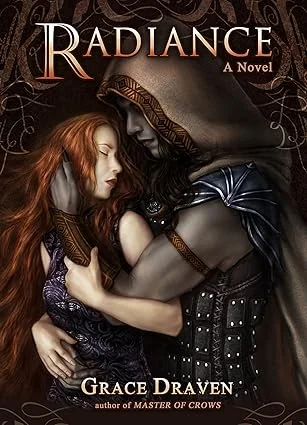
Radiance
Match type: Diplomatic treaty marriage
Grace Draven
Arrangement type: An externally arranged union or marriage process
Best for: Readers who want political duty and cultural adjustment to shape a marriage before intimacy grows.
Brishen and Ildiko marry because an alliance between their kingdoms requires it. He is the spare prince of the Kai royal house; she is a human king’s niece whose family regards a strategic marriage as her principal value. Their union seals a trade and political treaty, so neither enters it after choosing a romantic partner. This is a particularly clear example of an arranged marriage doing real work in the world outside the couple.
Choose Radiance when you want the unfamiliarity of a new spouse to include different customs and a different species, rather than just a stranger’s personality. Brishen agrees as a dutiful son, while Ildiko is resigned to her family’s plan and must leave her home. Those different responses matter: their willingness to make the marriage work should not erase the pressure that created it. Their story continues in Eidolon.
Before choosing: A politically required marriage with family pressure and an interspecies relationship; the couple’s wider story continues beyond this first Wraith Kings book.
Who arranges the union or match?
Grace Draven — Wraith Kings: The author identifies the treaty between Gaur and Bast-Haradis as requiring Brishen to marry a Gauri woman. Brishen agrees from duty; Ildiko is resigned to her strategic marriage and leaves her home. (primary arrangement verified).
Arrangement type: An externally arranged union or marriage process
Best for: Readers seeking a harsh political marriage whose terms carry revenge and family punishment.
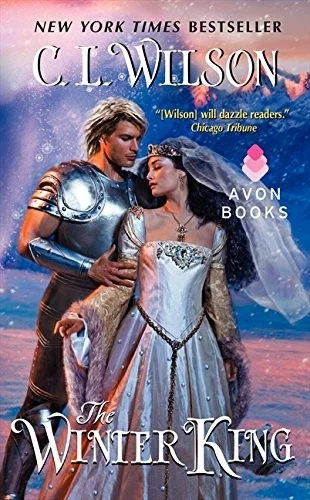
Wynter’s marriage demand follows a three-year war: the victorious king intends to take one of the Summer King’s daughters as his bride. Khamsin’s father treats the resulting marriage as punishment for a daughter he already reviles. The union therefore belongs here for a specific reason: rulers use a royal woman’s marriage to settle conflict and exact a personal cost, rather than allowing a courtship to determine the match.
This is the sharper choice if a diplomatic wedding should begin with resentment and unequal power. Khamsin’s storm magic and her father’s treatment give the bridal bargain consequences beyond who shares her bed; Wynter’s pursuit of vengeance brings its own danger through the Ice Heart. Her prospect of freedom from her father does not turn the arrangement into an unpressured choice. Expect the romance to develop inside that difficult starting position.
Before choosing: The marriage premise includes coercive political terms and a father who uses marriage to punish his daughter; it is a harsher starting point than a mutually negotiated practical match.
Who arranges the union or match?
C. L. Wilson — The Winter King: The author states that Wynter demands a Summer King daughter as his bride after war. Khamsin is reviled by her father, and the marriage is intended as punishment; Wynter seeks vengeance and risks the Ice Heart. (primary arrangement verified).
Arrangement type: An externally arranged union or marriage process
Best for: Readers who want an arranged royal marriage complicated by espionage and divided loyalties.
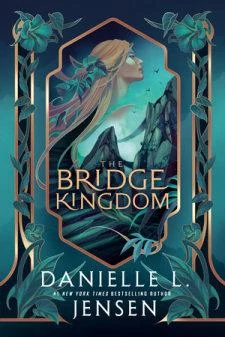
Lara’s wedding is the instrument of a conflict over trade. Ithicana previously demanded a Maridrinian royal bride as tribute, and her father trains his daughters so the chosen wife can penetrate its defenses. Lara arrives under the appearance of a peace marriage while carrying a mission against King Aren’s kingdom. The arrangement is made by rulers and shaped by an existing political obligation, with the bride expected to serve a second, hidden purpose.
Choose this when the wedding should create an intelligence problem as well as a relationship. Lara has reasons to see Ithicana as an enemy before she knows Aren or the people he governs, so growing attachment puts her assignment under pressure. Her preparation and ingenuity give her agency within the plot without making the original bargain freely chosen. This first book begins the Lara–Aren arc; plan to continue with The Traitor Queen.
Before choosing: The author flags arranged, forced and coerced marriage, blackmail and abuse. The Lara–Aren story continues in The Traitor Queen; this is adult romantic fantasy.
Who arranges the union or match?
Penguin Books — The Bridge Kingdom official sample: The opening identifies Silas Veliant as Lara’s father, describes his daughters’ preparation to fracture Ithicana’s defenses, and explains that Ithicana demanded a bride for its heir as tribute fifteen years earlier. (primary arranger and purpose verified).
Danielle L. Jensen — The Bridge Kingdom: The author describes Lara being sent as a peace bride to destroy Aren’s defenses, labels arranged marriage, and supplies explicit forced/coerced marriage warnings. (primary arrangement and content verified).
Arrangement type: An externally arranged union or marriage process
Best for: Readers who want an imposed marriage between enemies with a dangerous secret inside the household.
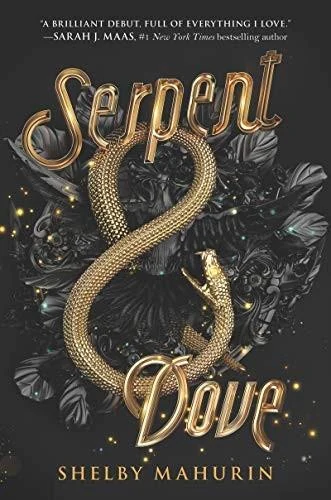
Lou and Reid are married after a public incident threatens his reputation as a church witch hunter. His superior, the Archbishop, orders the union to protect the Chasseurs’ respectable image; Lou accepts the protection it can offer while concealing that she is a witch. This is an imposed institutional match rather than a treaty between kingdoms. The authority arranging the wedding is also the institution that makes her true identity dangerous.
Pick this for a marriage in which living together forces incompatible convictions into daily contact. Reid’s commitment to hunting witches means Lou cannot treat disclosure as an ordinary step toward intimacy, while the wedding gives her cover she has practical reasons to keep. The story’s appeal rests on that tension between protection and exposure, not on both partners comfortably choosing the same bargain. Serpent & Dove starts a YA fantasy trilogy rather than completing the whole romantic and magical conflict.
Before choosing: An imposed marriage with witch persecution and a church authority’s power over the groom. This is YA fantasy, and the wider story continues across a trilogy.
Who arranges the union or match?
HarperCollins publisher description — Apple Books: The publisher description identifies Lou as a hidden witch, Reid as a church witch hunter, and a stunt that forces them into marriage. The listing identifies the book as the first of a YA trilogy. (primary imposed marriage verified).
Publishers Weekly — Serpent & Dove: The trade review identifies Reid’s superior, the Archbishop, as ordering marriage to preserve the Chasseurs’ reputation; Lou accepts because marriage can protect her while her witch identity stays hidden. (trade review arranger verified).
Arrangement type: An externally arranged union or marriage process
Best for: Two strangers required to make a political union credible
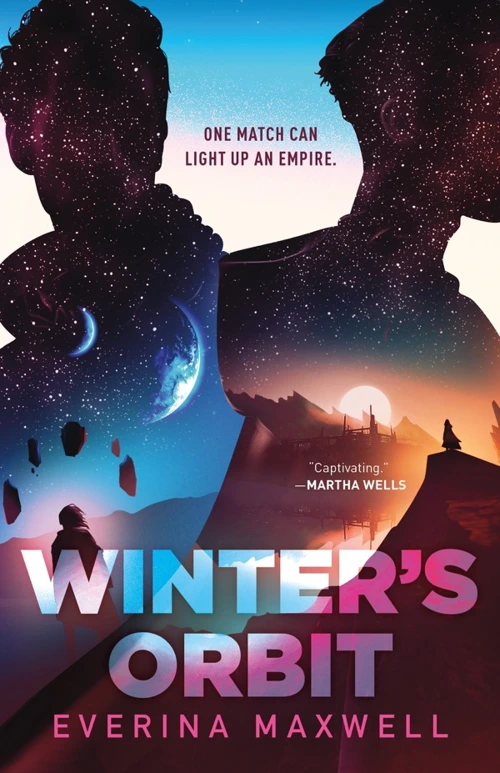
Kiem is married off to Jainan with only a day’s notice because the empire needs to renew ties with a vassal planet after Jainan’s husband dies. The author establishes the marriage as a political requirement imposed from outside the pair, with war threatening if those ties fail. Their first shared task is making the union appear strong while a possible murder places Jainan under suspicion.
Choose it for a marriage whose public purpose depends on cooperation between people who have barely met. The political stakes give small failures of understanding consequences beyond the household, while bereavement and the investigation complicate trust. Its speculative setting supplies institutions and diplomatic pressure; the central union is an actual marriage, so there is no need to infer it from a psychic or magical bond.
Before choosing: Political pressure and bereavement shape the actual union. An externally imposed marriage is established, without a promise that either spouse begins emotionally ready or equally powerful.
Who arranges the union or match?
Everina Maxwell — official Winter’s Orbit description: Kiem is married off to a stranger with one day’s notice to renew imperial bonds after the previous spouse’s death. The author identifies war and imperial vulnerability as consequences. (primary source inspected 2026-10-10).
Arrangement type: An externally arranged union or marriage process
Best for: A political bride with a separate private purpose
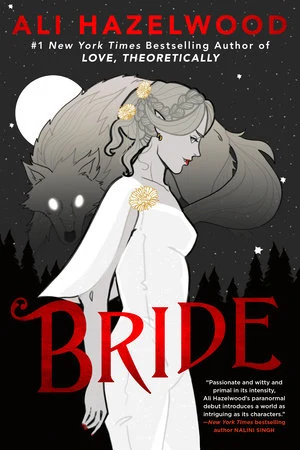
Misery is called upon to marry Were leader Lowe as part of a peacekeeping alliance between hostile communities. The publisher describes her as seeing little choice in the exchange, establishing an externally driven union rather than a private romantic proposal. Her own reason for agreeing adds a second purpose to the same marriage; it does not erase the political pressure that placed the pair together.
Try this for a shared household in which neither the public bargain nor the other spouse’s apparent intentions tell the whole story. Suspicion and Misery’s concealed objective complicate the alliance before affection can change its meaning. This is a useful example of overlap between arranged marriage and marriage of convenience: outside interests select the union, while practical motives help explain why a spouse accepts it.
Before choosing: The publisher establishes an actual peacekeeping marriage and Misery’s separate purpose. Her agreement does not remove the political pressure or establish equal bargaining power.
Who arranges the union or match?
Berkley / Penguin Random House — Bride: Misery is called upon to uphold a peacekeeping alliance through the marriage and sees little choice in the exchange; her agreement also serves personal motives. (primary source inspected 2026-10-10).
Arrangement type: An externally arranged union or marriage process
Best for: Contemporary family matchmaking with different expectations of marriage.
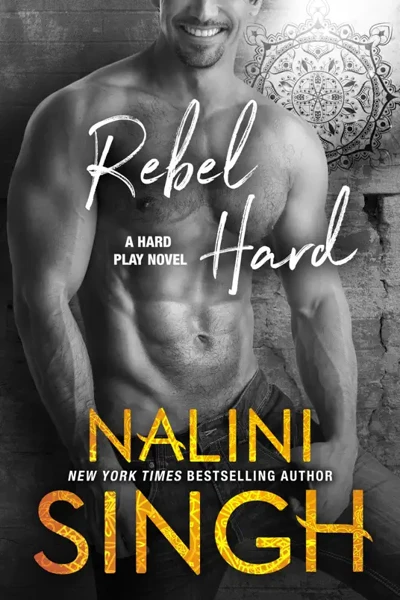
Nayna agrees to an arranged marriage because she hopes to repair fractures in her family. Raj believes in the continuity a traditional marriage can offer. Their parents then organise an introduction, unaware that the two have already encountered one another outside that process. Family arrangements and personal attraction therefore overlap rather than arriving in a neat wedding-first sequence.
Try this for the work of deciding what a marriage should mean to the people entering it. Nayna’s fear of losing independence sits beside Raj’s desire for stability, giving their match an emotional disagreement beyond whether they find each other attractive. It is a contemporary arranged-marriage process with courtship, not a promise of strangers already married at the opening.
Before choosing: The author establishes a family-arranged marriage process with attraction before the formal introduction. The inspected premise does not establish the refusal process or legal consequences; forced marriage is not assumed.
Who arranges the union or match?
Nalini Singh — Rebel Hard: Synopsis states Nayna agrees to an arranged marriage for family reasons; Raj’s parents spring an introduction to the woman he previously kissed. (direct premise example).
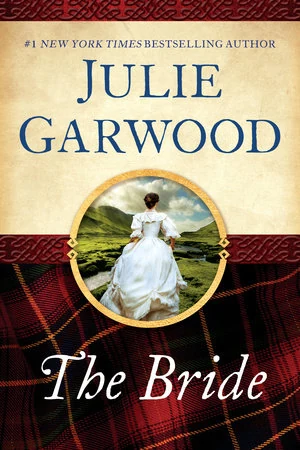
Arrangement type: Royal edict; Alec selects Jamie as his English bride
Best for: Historical tension across national and household loyalties
A king requires Scottish laird Alec Kincaid to take an English bride, and Alec chooses Jamie. The royal command creates the obligation; it does not mean the king personally selects her. Choose this historical romance when you want the marriage to bring national difference and a clash of wills into the same household.
Before choosing: The author’s possessive courtship language signals an older historical-romance style. A royal order is not evidence that Jamie freely chose the match.
Who arranges the union?
Julie Garwood’s official synopsis identifies the royal edict and Alec’s selection of Jamie. The Pocket Books mass-market edition listed by Simon & Schuster is ISBN 9781982190002; search buttons below do not assert a particular edition.
Arrangement type: Aida’s father arranges marriage to stop a family war
Best for: Hostile spouses whose own actions escalate the feud
Aida Gallo and Callum Griffin are pushed into a marriage intended to stop their Chicago families going to war. Their inherited rivalry becomes personal hostility inside the relationship. Choose it for a criminal-family alliance where the wedding creates another arena for conflict, rather than immediate cooperation.
Before choosing: The publisher includes wedding-night poisoning in its premise. Violence and constrained choice belong in the selection decision; this is not a gentle family-match story.
Who arranges the union?
Bloom Books’ synopsis, distributed by Penguin Books Australia, explicitly identifies the father-arranged marriage and poisoning. Its paperback record is ISBN 9781728295350; that identity is separate from the tracked searches.
Match type: Family-imposed match; betrothal at fifteen, wedding at eighteen (author-stated)
Cora Reilly
Arrangement type: Parents promise Aria to Luca to secure peace
Best for: Family loyalty against the ability to refuse
Aria’s parents promise her to Luca to secure peace between Chicago and New York crime families. The author places the betrothal at fifteen and the wedding at eighteen. Choose it for the pressure of family loyalty on a young woman approaching a marriage she has long feared.
Before choosing: The adult wedding does not erase the childhood betrothal or establish freely given romantic consent. The author describes feared violence and limited choice.
Who arranges the union?
Cora Reilly’s official Bound by Honor description gives the ages, family arrangement and peace-making purpose. This verifies the premise of the named work, not an ending, exhaustive warnings or a specific retailer edition.
Match type: Father-selected spouse and household expectations
Cora Reilly
Arrangement type: Giulia’s father chooses a widower who needs a wife and mother for his children
Best for: An imposed household role alongside an unequal marriage
Giulia is sent into a marriage with Cassio, a widower raising two young children while establishing his criminal leadership. Her father selects the husband; Cassio’s household needs shape what is expected of her before the couple has built a relationship. Choose it when the family role inside the arrangement matters as much as the wedding.
Before choosing: The author describes Giulia as barely of age and Cassio as much older. Bereavement, unequal footing and expectations of maternal care are part of the premise. A standalone label alone does not verify every plot thread closes.
Who arranges the union?
Cora Reilly’s official Sweet Temptation description confirms the father-selected husband, two children and age disparity. Retailer searches are work-level searches, not verified edition offers.
Arrangement type: Marriage joins rival Italian and Russian criminal worlds
Best for: A family alliance with a sister’s safety at stake
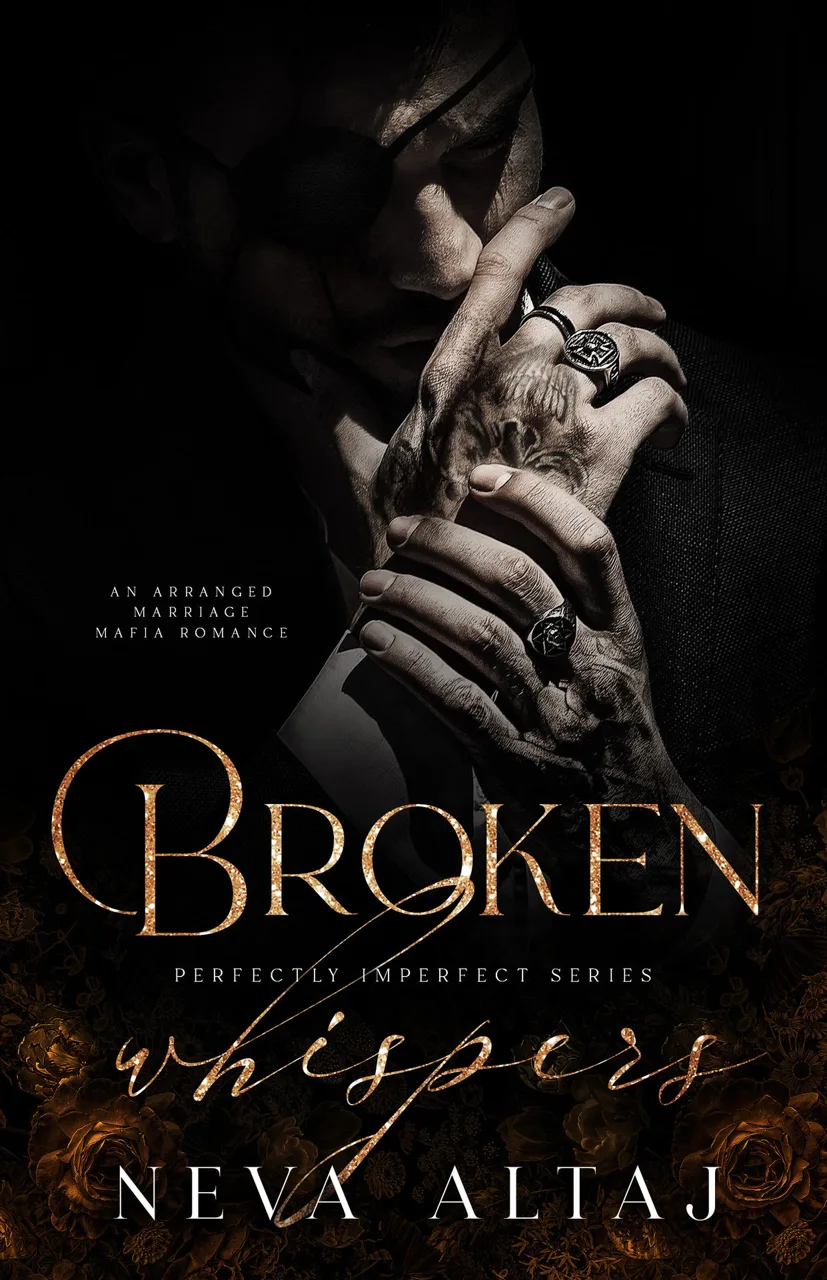
Bianca and Mikhail’s marriage joins rival criminal worlds, while Bianca’s concern for her sister makes the family bargain personal. Choose it to compare the cost to a relative with the political cost of refusing a match.
Before choosing: The criminal-world arrangement and unequal power remain relevant even as attraction develops. Check the author’s detailed notes for your own content limits.
Who arranges the union?
Neva Altaj’s English Perfectly Imperfect catalogue identifies this arranged marriage and its family-alliance premise. This is one author source, shared with Ruined Secrets, not two independent assessments. No new outcome claim is assigned here.
Arrangement type: Luca is ordered to marry Isabella
Best for: An imposed marriage complicated by unequal knowledge
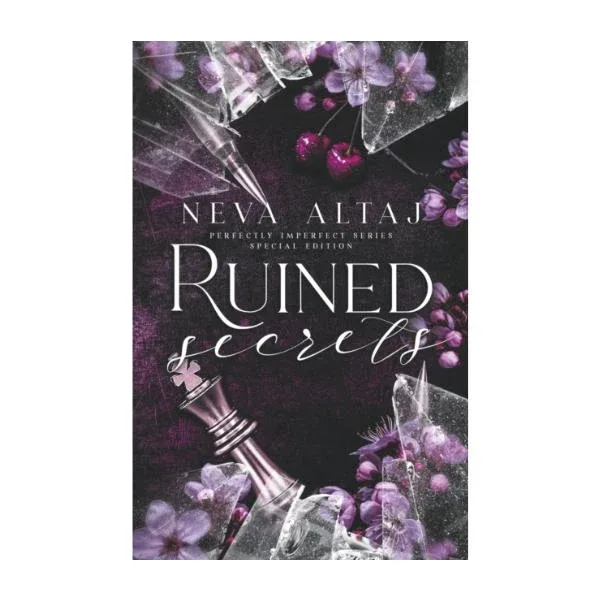
Luca is ordered to marry Isabella; memory loss later changes what the spouses know about their own relationship. Choose it when the arrangement interests you alongside deception and an imbalance of information.
Before choosing: The amnesia and concealed information are premise-level disclosures. They change the trust question; they do not establish a content-safe or uncomplicated relationship.
Who arranges the union?
Neva Altaj’s English catalogue explicitly describes the ordered marriage, memory loss and deception. The same author catalogue supports Broken Whispers. Edition identity and complete closure are separate checks.
These related starting points are not included in the externally arranged count. They show how a selected potential spouse, family-arranged dates or the couple’s own practical bargain differs from an arranged union.
Only a Promise
Match type: Adjacent: self-negotiated practical marriage
Mary Balogh
Arrangement type: The couple’s own practical bargain; an adjacent comparison
Best for: A heroine proposing practical terms herself
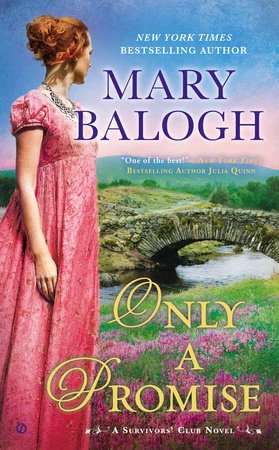
Chloe proposes that she and Ralph strike a marriage bargain. He needs a wife and heir; she wants a husband and distance from a family situation she wishes to escape. Her condition concerns remaining away from London. Those practical purposes make the book a marriage-of-convenience choice, but the inspected publisher premise places the proposal with Chloe, not with an outside matchmaker.
Use it as an adjacent comparison when you want the difference between a selected spouse and a chosen bargain explained. The couple responds to social and family pressures, but those pressures do not select this particular match. Ralph’s wartime guilt and their changing circumstances give the promise emotional consequences. It offers a historical path through self-chosen terms alongside the externally arranged unions above.
Before choosing: This is an adjacent self-negotiated marriage, excluded from the externally arranged count. Chloe initiates the bargain; an heir requirement and the need for family refuge do not establish an outside arranger.
Who arranges the union or match?
Berkley / Penguin Random House — Only a Promise: Explicitly states Chloe suggests a bargain and marriage with a no-London condition; Ralph needs an heir and Chloe wants a husband. (primary source inspected 2026-10-10).
Best for: A prospective family-arranged match across countries, with emotional connection still to be decided.
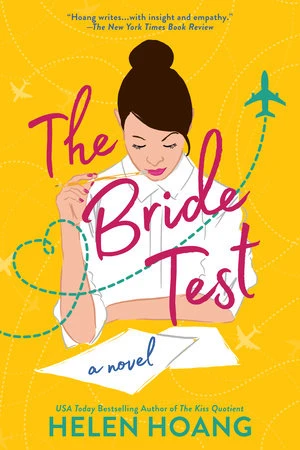
Khai’s mother returns to Vietnam to find a prospective bride after he avoids relationships. Esme accepts the opportunity to meet him in America because it could also help her family. The parent makes the initial selection, but the relationship itself has to be built by the two people she brings together.
Choose this for the difference between being selected as a possible spouse and actually becoming a partner. Khai’s understanding of his emotions and Esme’s hopes for a different future make the courtship more specific than a generic marriage bargain. This is labelled an arranged match: the publisher introduces a potential husband, not a couple already bound by wedding vows.
Before choosing: A mother-selected prospective match is established, rather than a marriage already completed at the opening. Immigration and economic pressures matter. The publisher distinguishes Khai’s different processing of emotions from an absence of feelings.
Who arranges the union or match?
Penguin Random House — The Bride Test: Khai’s mother searches Vietnam for a bride; Esme takes an opportunity to visit America and meet a potential husband. (direct premise example).
Match type: Adjacent: arranged dates, not an arranged marriage
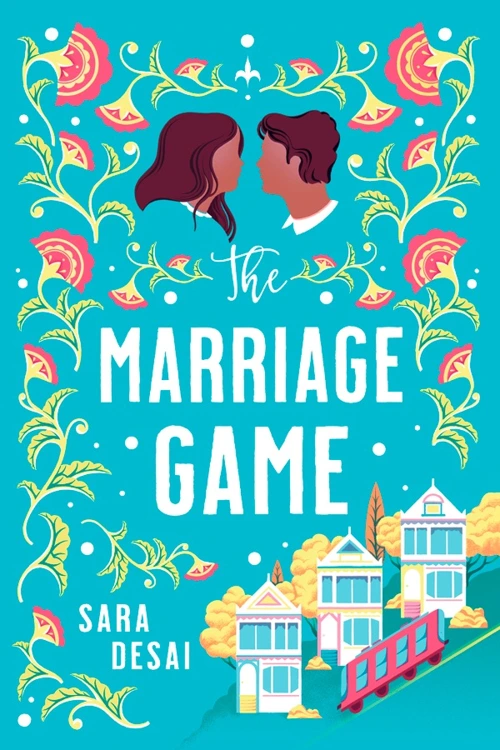
Sara Desai
Best for: A comic contrast showing why arranged dates do not establish an arranged marriage.
Layla’s father creates an online dating profile and arranges blind dates without telling her. Meanwhile, Layla and Sam are forced to share the office above the family restaurant. The organised suitors and the man she actually falls for occupy different parts of the premise.
This is an adjacent comparison for readers who enjoy a matchmaking family but prefer the central couple to find their own connection. The office dispute gives Layla and Sam reasons to engage independently of her father’s list. The family-organised dates and their growing attachment are separate mechanisms, which makes the book useful for comparing matchmaking with an externally arranged wedding.
Who arranges the union or match?
Penguin Random House — The Marriage Game: Layla’s father secretly creates a dating profile and arranges blind dates; her romance develops with office-sharing Sam. (direct premise example).
Are arranged and forced marriages interchangeable?
No. An externally proposed match can leave room for consent, while a forced marriage removes meaningful refusal. A specific book may combine external arrangement with coercion, so the premise needs closer attention than the tag.
Can an arranged marriage also be a marriage of convenience?
Yes. The couple may gain a practical benefit from an externally arranged match. The useful distinction is who initiates it, what choice the leads have and what obligations the arrangement creates.
Does this guide include MM romance?
Yes. Winter’s Orbit follows Kiem and Jainan in a politically required marriage. Its authentic cover and full researched assessment are included; the feature artwork is thematic and does not depict that novel.
Does the wedding always come before attraction?
No. Rebel Hard includes an arranged-marriage process in which attraction precedes the formal family introduction. Winter’s Orbit begins with an imposed union on short notice. Those are different relationship sequences, and the arrangement label alone cannot decide the order of feeling and commitment.
Are all the cards externally arranged marriages?
No. The core group identifies externally arranged unions or marriage processes. The related comparisons separate a prospective family-selected spouse, family-arranged dates and a self-negotiated practical bargain. They are useful boundary examples, not extra confirmed arranged marriages.
Indian settings, Desi families and diaspora courtship
An arranged-marriage request involving India can refer to the story’s location, a family’s cultural context or the author’s background. Those are different reading preferences. A novel by an Indian author may take place elsewhere, and a diaspora romance may explore Desi family expectations without being set in India. Ask which part of the request matters most before choosing.
Within an arranged courtship, distinguish an introduction from a binding family decision and from coercion. The leads may negotiate their own terms, feel torn between personal desire and family approval, or face a much sharper restriction. None of those dynamics should be assumed solely from nationality. Religion, region, generation and individual family circumstances can also matter where a source establishes them.
For a location-specific reading choice, seek a primary source naming the setting. For a cultural-context choice, look for the actual people and expectations in the premise rather than a cover or an author biography. This broader guide holds those questions open and gives an onward route without presenting a diaspora example as a verified India-set recommendation.
How these selections were researched
Each core card identifies the author, publisher or named assessment supporting who arranges the match. Thirteen unions or marriage processes meet that premise test; the final three cards are explicitly related comparisons. Neither a trope tag nor the prospect of romance proves an ending, consent or a particular intensity level. The selections compare reading situations rather than rank quality.
Choose who selects the match and when the couple gets a say
The first question is not simply whether a wedding comes before love. Ask who brings this particular pair together, what they expect the union to accomplish and whether the story begins with a wedding, a prospective match or a proposal the lovers make themselves. Those differences shape the intimacy you will follow.
Social pressure can motivate a marriage without an outside person selecting the spouse.
Family involvement does not describe one universal experience
Rebel Hard gives Nayna and Raj different expectations of tradition and independence. The author’s premise puts their first attraction before the formal family introduction, so it answers a different request from a couple learning everything about each other after the ceremony. The Bride Test also needs its prospective-match wording: being introduced as a possible spouse and becoming a chosen partner are distinct stages.
Nalini Singh’s exact Rebel Hard premise
Do not infer the freedom to refuse, the family’s response to refusal or legal consequences from the label alone. The Winter King and The Bridge Kingdom have specific coercive circumstances recorded in their cards. A culturally situated family introduction should not inherit those circumstances simply because both stories appear under arranged marriage.
A political marriage can also have a private purpose
Bride is a useful overlap with practical marriage bargains: the alliance supplies the public purpose while Misery has a separate reason for agreeing. The Bridge Kingdom adds a covert mission to the bridal role. Those private objectives can make a protagonist active within the plot without proving that the original match was freely selected.
If you want gradual companionship, say so; if you want hostile political duty or a concealed agenda, those are different pleasures. Keep the exact series guidance visible too. Radiance, The Bridge Kingdom and Serpent & Dove begin continuing stories. Neither a completed wedding nor a developing romantic bond certifies that book one closes the wider conflict.
Researched editorial synthesis using existing assessments, not new firsthand reading. Original scores, coauthor identities, source dates and qualified boundaries remain intact. Held retailer actions mean unchecked destinations, not unavailable editions. Cover art does not establish stock; feature artwork depicts fictional adults rather than actual characters.