Contemporary Brother’s Best Friend: Familiarity, Family Ties and Changing Judgment
Contemporary brother’s-best-friend romance starts with a connection through a sibling, then asks how two adults see each other outside that familiar role. The pleasure may come from shared history, a revised first impression or concern about changing a friendship circle. The connection does not automatically make the relationship forbidden, create an age gap or prove a childhood crush. Each extra dynamic needs separate evidence.
Mr. Wrong Number is the current reviewed starter. Berkley directly establishes Colin as Olivia’s brother’s best friend and places them in shared housing after her run of bad luck. Anonymous texting creates another layer to their connection. This guide focuses on family familiarity and accountability as people begin to see each other differently, rather than treating one lively rom-com as a complete contemporary collection.
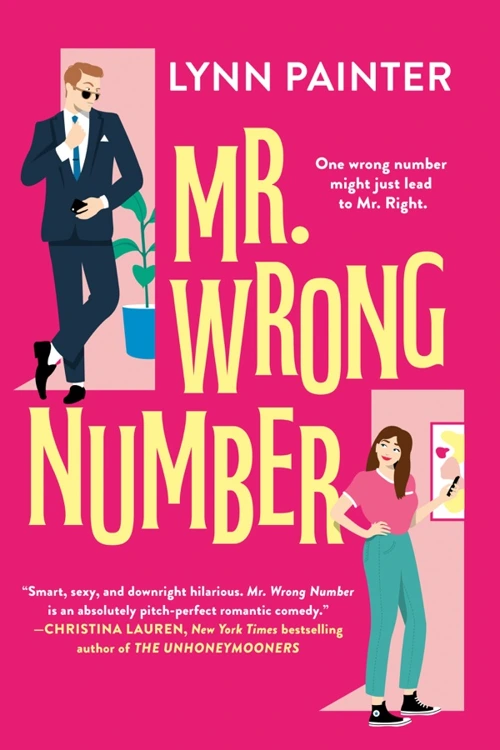
Authentic published cover of one starter selection; not a claim about every book in the guide.
Updated 9 October 2026 · Eikna Editorial Team
Compare the relationship choices
Setup
What drives it
What to check
A familiar social circle
A sibling’s friendship provides the connection.
The exact direction of the relationship.
A revised first impression
One adult sees another beyond an old label.
Whether respect changes along with attraction.
Another overlapping setup
Housing or anonymous contact creates access.
What each person knows and how trust is handled.
Narrow the reading experience
Keep the sibling connection precise
A brother’s best friend and a best friend’s brother are different routes into a familiar social circle. Confirm who knows whom before choosing. The starter’s publisher premise identifies Olivia as the younger sister of Colin’s best friend, so the route is clear. That wording does not establish a numerical age gap or the brother’s response to a relationship. Readers looking for explicit family opposition should check that detail rather than assuming every book with this connection has the same prohibition.
Consider how an old impression changes
Someone known through a sibling can be reduced to a familiar label instead of being recognized as an adult with their own abilities and priorities. The starter explicitly begins with Colin’s dismissive impression of Olivia. Attraction may disrupt that judgment, but the reading question is whether respect changes alongside desire. Existing criticism praises him recognizing her talent while retaining objections to repeated judgments and insufficient accountability. Choose whether that revision of perspective interests you and how much repair you need the story to show.
Check whether overlapping setups help or complicate trust
Shared housing creates repeated contact, while anonymous messages can make emotional disclosure feel different from a face-to-face conversation. When those relationships intersect, unequal knowledge may become a trust problem. The existing assessment values witty texting and vulnerability but preserves criticism of ghosting and late developments. That gives readers a practical fit question beyond a trope label. Enjoying banter does not require dismissing the behavior that creates conflict, and the family connection alone cannot explain how well the couple resolves it.
Starting points and their evidence
These are small starter examples, not a completed or ranked recommendation list. Reviewed selections link to existing evidence-based editorial assessments. Other examples are identified as researched premises or pending research leads; they have no new rating or claim of first-hand reading.
Purchases through Amazon, Bookshop.org and Libro.fm links may earn us a commission. As an Amazon Associate, Eikna Romance earns from qualifying purchases, at no extra cost to you.
Mr. Wrong Number
Lynn Painter
Confirmed premise example
Berkley identifies Olivia as Colin’s best friend’s younger sister and establishes her moving into their shared home. A separate wrong-number text relationship complicates his knowledge and their attraction. The family connection is direct premise evidence; a blanket ban by the brother is not assumed.
Before choosing: Existing criticism praises texting chemistry and banter while retaining objections to ghosting, accountability and thin family or job threads. Numerical heat and formal ending remain unknown.
Author or publisher premise source · checked 9 October 2026
Edition buttons become available when the specific format and destination are checked. Amazon opens a title-and-author search; choose your edition there.
Questions that change the reading choice
Does this trope always mean forbidden love?
No. A shared family circle may create awkwardness without an established prohibition. The guide does not invent a ban by Olivia’s brother.
Does younger sister prove a large age gap?
No. It describes the sibling relationship, not the ages of the romantic pair. Exact ages need independent evidence.
Are there new reviews or guaranteed endings here?
No. The cards link to existing evidence-based assessments. Unknown heat, ending and reread fields stay unresolved, and each collection remains a small starter rather than a completed ranked list.