Brother’s Best Friend Romance Books: Choose the Family Connection
For a direct brother’s-best-friend setup, start with Mr. Wrong Number for shared housing and anonymous flirting, 99 Percent Mine for renovation proximity, or Done and Dusted for a western hometown return. The guide also labels close-friend, childhood-friend and reverse-sibling comparisons so you can choose the connection you actually want.
Family familiarity can make attraction convenient, awkward or risky, but it does not establish an age gap, a childhood romance or a ban imposed by a brother. Spoiler level: premises and content cautions. Jump to the comparison, individual books or family-boundary questions; check heat and endings separately.
Original editorial artwork about this relationship theme; not a published cover or a scene from a specific novel.
Updated 12 November 2026 · Eikna Editorial Team · Researched editorial assessments
Compare the family connection and the reason for closeness
A brother’s friend and a best friend’s sibling can create different loyalties. These notes identify who connects the couple and what gives their attraction room to develop. Neighboring setups are qualified individually.
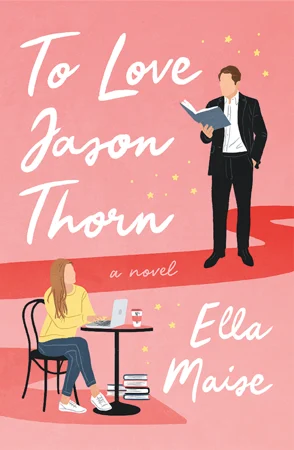
Qualified brother’s childhood friend; writer and actor
Ella Maise; Simon & Schuster UK paperback 9781398521582
See the individual premise and boundary note.
What changes when attraction enters the family circle?
The friendship creates a connection, but the source of tension varies. One couple may worry about damaging a brother’s trust; another may face public expectations or discover that old assumptions no longer fit. Look for the actual obstacle. A sibling’s disapproval can matter to the plot without giving that sibling ownership of the adults’ choices.
Starting point
What drives it
What to check
A brother’s close friend
Romance crosses an established friendship
What loyalty is at stake, and who gets to decide?
A best friend’s sibling
The family connection is viewed from the other side
Verify the precise friendship rather than relying on a broad tag
Shared housing or repeated visits
Family ties create regular contact
Does proximity expose compatibility or prolong misunderstandings?
A staged relationship within the social circle
Public behavior changes private expectations
What happens when the agreed performance stops being enough?
Familiarity is not the same as friendship between the leads
A person can know a sibling’s friend for years without sharing a trusting friendship of their own. The romance may begin with annoyance, distance or a new meeting as adults. If you want friends-to-lovers warmth, check whether the couple actually has that foundation. If you want revised judgments, a more antagonistic starting point may suit you better.
Choose the consequences that interest you
Family awkwardness, a threatened friendship and restrictive social expectations put different pressures on a couple. The historical starter here adds public courtship to the family connection; the contemporary one adds housing and anonymous messages. Their premises explain why the leads spend time together, while the reviews ask whether their eventual trust is persuasive.
Adult agency and consent remain part of the reading choice
A protective sibling, a familiar visitor or a long history does not establish anyone’s right to direct the relationship. Nor does the trope guarantee a comfortable tone. The Duke and I has a substantial sexual-assault concern discussed in its review; that limitation is stated alongside its inclusion rather than hidden beneath a familiar courtship premise.
Explore friends-to-lovers if the existing bond between the romantic leads matters most. Being a brother’s friend can create access without establishing that same bond with his sibling.
Use the fake-dating guide to compare staged relationships and their practical goals. The Duke and I adds a family connection and Regency social expectations to that arrangement.
Brother-friend recommendations and clearly labeled comparisons
Start with the direct and close brother-friend connections, then compare the childhood-friend and neighboring sibling setups. Each card names the exact connection. Spoiler level: premise and content cautions only; no relationship outcome is promised by membership in this guide.
Brother-friend connections established by author or publisher
We may earn a commission through these links. As an Amazon Associate, Eikna Romance earns from qualifying purchases, at no extra cost to you. Retailer searches let you choose your edition.
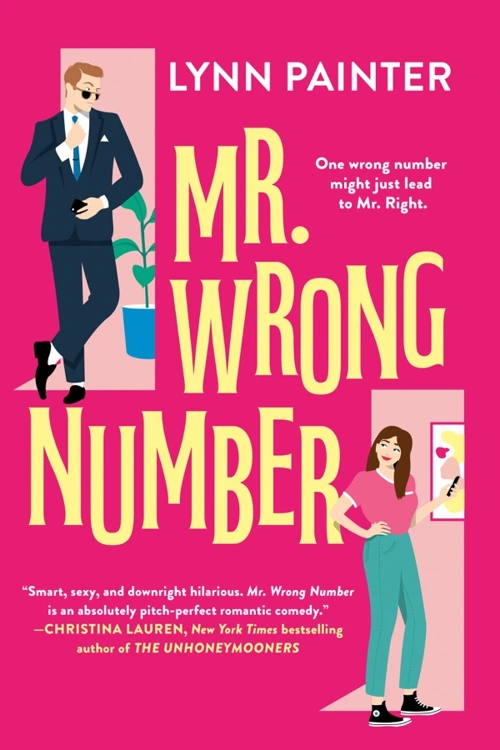
Mr. Wrong Number
Lynn Painter
Family-connection evidence: Kirkus Reviews identifies Colin as Olivia’s brother’s best friend and describes her move into the apartment he shares with her brother. Its review also discusses their childhood friction and anonymous texting.
Best for: Anonymous flirting colliding with an inconvenient household connection
Olivia moves in with her brother and Colin, the best friend who has long regarded her as an annoying younger sister. Anonymous messages give the attraction a different starting point from their face-to-face friction. The shared household makes it harder for Colin to separate the woman he enjoys texting from the person he thought he already knew.
Choose this for a contemporary version where an existing family connection and hidden identity overlap. The brother’s friendship establishes familiar access, while the wrong-number exchange allows Olivia and Colin to respond outside their usual roles. The useful tension is that gap between the person encountered on a screen and the person living nearby.
Before choosing: No brother-imposed prohibition is claimed. The existing Eikna assessment discusses ghosting, Colin’s unequal knowledge and concerns about apology and accountability.
Who connects the couple, and what changes their relationship?
Kirkus’s original review was posted in December 2021 for Berkley’s March 2022 edition. This is a premise check; it does not certify an ending, heat level or current retailer edition.
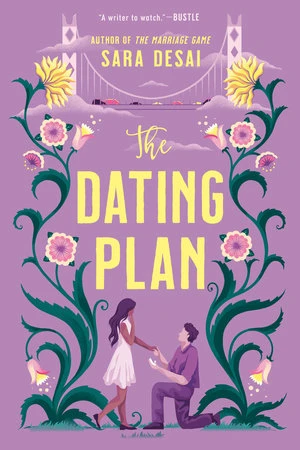
Family-connection evidence: Z at The Literary Effect identifies Liam as Daisy’s brother’s best friend and describes their childhood connection and renewed adult relationship through a fake engagement.
Best for: A familiar childhood connection complicated by an old disappointment
Daisy’s decoy fiancé is Liam, the childhood crush who was once her brother’s best friend. The earlier authorized excerpt establishes that this friendship is former. Familiarity does not make their renewed arrangement safe: he stood her up for prom and disappeared, so the pretend engagement starts with a reason to distrust him.
This suits readers who want the trope to carry old emotional baggage rather than an automatic off-limits rule. Daisy needs relief from matchmaking relatives, while Liam needs marriage to meet inheritance conditions. Their practical plan makes them appear close before the hurt attached to his earlier place in her family circle has been resolved.
Before choosing: The friendship is explicitly former: her brother’s onetime best friend. Childhood crush and being stood up at prom; do not call this a previously established romantic relationship.
Who connects the couple, and what changes their relationship?
The Literary Effect’s March 2021 review discloses a publisher-supplied advance copy. Its original reading assessment supports this family connection; the earlier authorized excerpt separately establishes that the friendship is former. Neither source makes this a previously established romantic relationship.
Family-connection evidence: Author or publisher establishes the brother-friend connection
Best for: Historical courtship involving an established family friendship
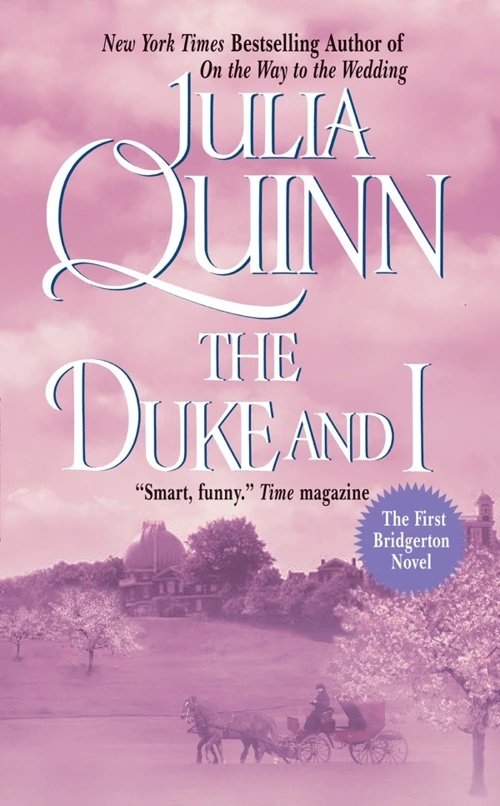
Simon is the best friend of Daphne’s brother, so their pretend courtship begins within a social connection that already exists. Daphne hopes apparent interest from a duke will draw other suitors; Simon hopes it will discourage women seeking marriage. The same public arrangement that serves those goals gives Daphne repeated opportunities to see him as a possible partner herself.
Choose it for ballroom proximity and the problem of changing a mutually convenient performance into an honest relationship. The brother’s friendship explains why Simon belongs near the Bridgerton family, but the central disagreement is also Simon’s refusal to marry. Readers should distinguish that verified connection from a blanket assumption that every sibling-friend romance has the same protective-brother conflict.
Before choosing: The first Bridgerton novel includes a substantial sexual-assault concern discussed in the existing assessment. Read that guidance before choosing; this premise classification is not an unconditional recommendation.
Who connects the couple, and what changes their relationship?
Julia Quinn — The Duke and I: Author synopsis explicitly identifies Daphne as Simon’s best friend’s sister and explains their sham courtship. (verified primary).
Family-connection evidence: Author or publisher establishes the brother-friend connection
Best for: Readers who want an explicit brother’s-best-friend connection within a hometown career restart.
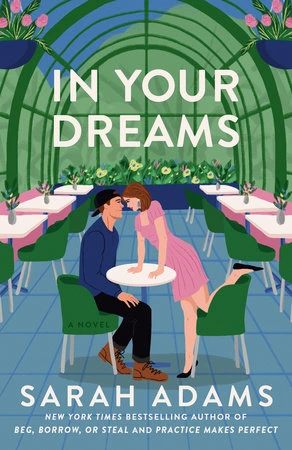
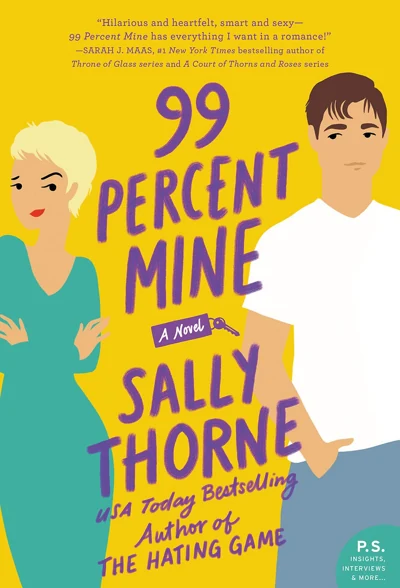
Madison’s return to Rome, Kentucky, brings an offer to lead the kitchen of a new farm-to-table restaurant. The publisher specifically identifies the farm’s owner, James Huxley, as her brother’s best friend. Their existing family connection therefore predates the professional arrangement that now brings them together.
This is a useful choice when you want the familiar family orbit to meet a substantial adult ambition: Madison needs to rebuild her confidence, while James has quietly loved her for years. Launching the restaurant creates present-day stakes beyond simply knowing one another’s relatives. The verified connection does not establish that Madison’s brother forbids the relationship, so do not promise a protective-brother confrontation.
Before choosing: Exact brother’s best friend established; sibling veto or permission requirement unverified.
Who connects the couple, and what changes their relationship?
Dell / Penguin Random House: James is explicitly Madison’s brother’s best friend; his farm restaurant hires her as head chef, and he has loved her quietly for years. (direct premise example).
Ava’s brother asks his best friend Alex to look after her. Choose this for a protective family connection complicated by secrecy and a darker romantic dynamic. Huang explicitly identifies the brother’s-best-friend premise; that label does not make Alex’s possessiveness gentle or remove the need to check content notes.
Family-connection evidence: Direct best-friend connection; darker material. Ana Huang, special-edition title page.
Georgie is 23, but her brother’s close friend Travis still sees the younger person he remembers. Their fake relationship brings that mismatch into the open. Choose it for an adult heroine trying to change how a familiar community sees her, with fake dating alongside the family connection.
Family-connection evidence: Brother’s close friend; adult independence and fake dating. Publishers Weekly, ISBN 9780062872838.
Darcy’s twin brother Jamie connects her to his best friend Tom. Renovating an inherited cottage gives Darcy and Tom sustained time together, while shared history makes attraction harder to treat as a fresh start. Choose it for sibling loyalties and the friction of wanting someone who already belongs to the family circle.
Family-connection evidence: Twin brother’s best friend; renovation proximity. Publishers Weekly, ISBN 9780062439611.
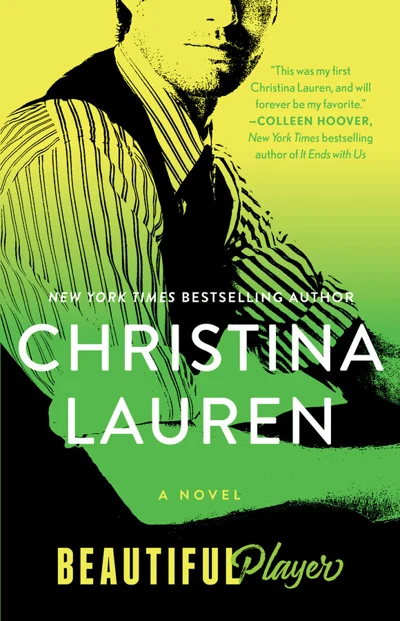
Hanna asks her brother’s best friend Will to help her build a social life beyond graduate school. Dating advice puts familiar access to a new use as their attraction grows. Choose it for the shift from a trusted family introduction to adult courtship, rather than a promise that the leads have always been close friends themselves.
Family-connection evidence: Brother’s best friend; dating lessons. Christina Lauren, Beautiful Player title page.
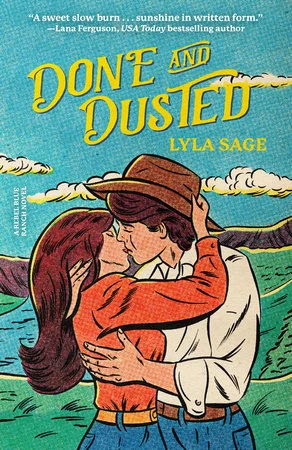
Emmy’s return home brings her back into the orbit of Luke, her brother’s best friend. The western hometown gives their attraction a shared community as well as a family connection. Choose it when returning to a familiar place matters as much as crossing a friendship boundary. This is the Rebel Blue Ranch opener; the original publisher check used a special edition, so the premise evidence does not establish retailer-edition equivalence.
Family-connection evidence: Duke Jenkins’s Waymark Literary Magazine review identifies Luke as Emmy’s brother’s best friend and places her return to Rebel Blue Ranch after a riding injury.
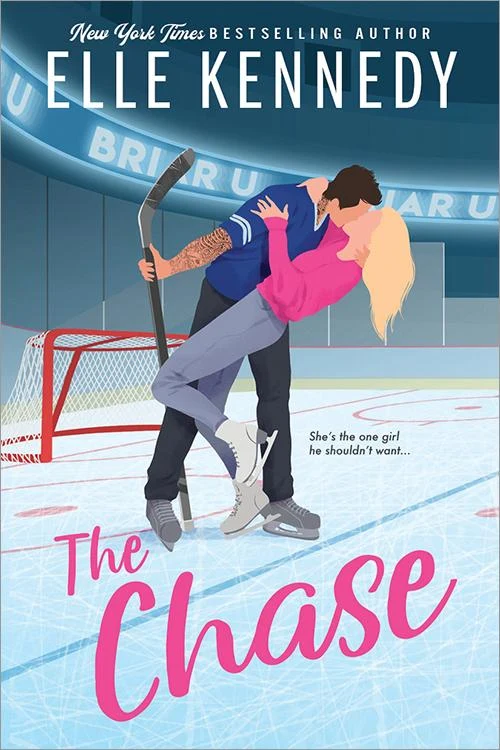
Summer’s attraction to Fitz develops around college, shared space and a hockey circle connected to her brother. Kennedy’s description establishes that Fitz is her brother’s friend. Choose it for campus proximity and changing first impressions; the narrower friend wording is more reliable than assuming every family connection is a lifelong best friendship.
Family-connection evidence: Brother’s friend; campus and hockey. Elle Kennedy, The Chase title page.
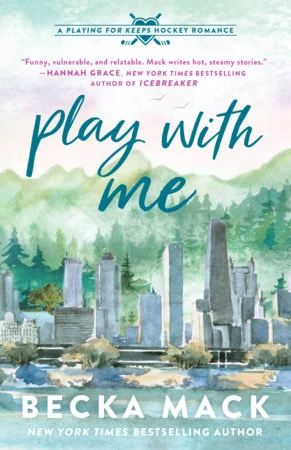
Jennie’s brother Carter is Garrett’s friend and team captain. Her attraction to Garrett therefore crosses a friendship within a professional hockey world, while dancing gives her a life beyond his team. Choose it for adult courtship amid competing loyalties; the team-captain role belongs to her brother, not to a supervisor relationship between the romantic leads.
Family-connection evidence: Brother’s best friend; captain’s sister and hockey. Becka Mack, author catalogue; Penguin Random House edition 9781638932420.
Rosie returns to Rose Hill and reconnects with Ford, her older brother West’s best friend. Ford also offers her work while adjusting to unexpected fatherhood. Choose it for a small-town family story, but keep the employer connection visible: familiarity through a brother does not cancel professional authority or the effects of wealth.
Family-connection evidence: Brother’s best friend plus employer authority. Publishers Weekly, ISBN 9781464220814.
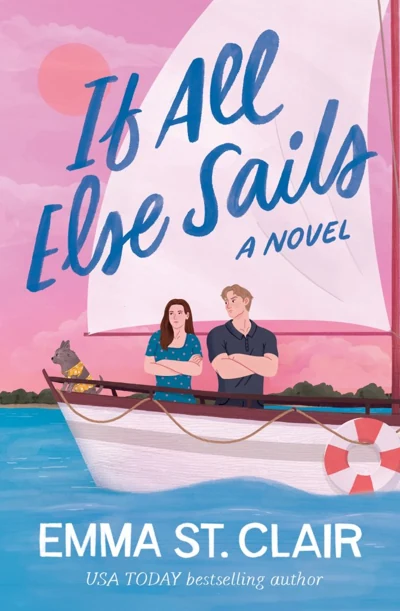
School nurse Josie shares a sailing trip with Wyatt, her brother’s best friend and an injured hockey player. Travel gives a familiar connection sustained proximity away from everyday routines. Choose it for the change of setting and recovery circumstances. A sailing trip does not establish an island-survival premise, and the family connection alone says nothing about plot closure.
Family-connection evidence: Brother’s best friend; sailing and injured athlete. Emma St. Clair, exact-title author explainer.
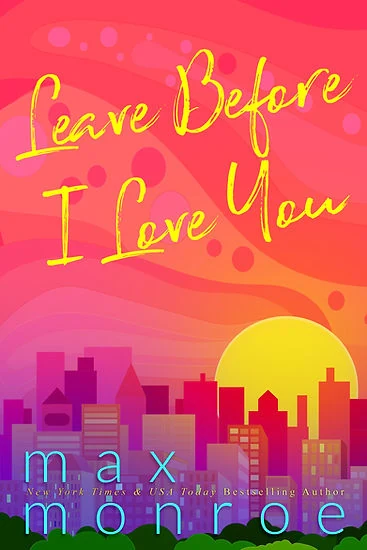
Avery has long noticed her brother’s best friend Henry. What begins as a fling asks whether their familiar back-and-forth can support a more serious relationship. Choose it for casual attraction turning into a different commitment. The authors place this standalone romance in their Meet Me at Midnight world; that reading-order label is separate from an ending or plot-closure guarantee.
Family-connection evidence: Brother’s best friend; fling to deeper attachment. Max Monroe, exact-title author page.
Olive reunites as an adult with Jason, her brother’s childhood friend, when her writing intersects with his acting career. Her old crush and his public life create different pressures from a private family-circle romance. Choose it for that author-and-actor crossover. Childhood friendship is the checked connection; the book is not being upgraded here to an unsupported strict best-friend claim.
Family-connection evidence: Qualified brother’s childhood friend; writer and actor. Ella Maise; Simon & Schuster UK paperback 9781398521582.
These choices run through a different sibling connection. They are included for comparison, not counted as direct brother’s-best-friend examples.
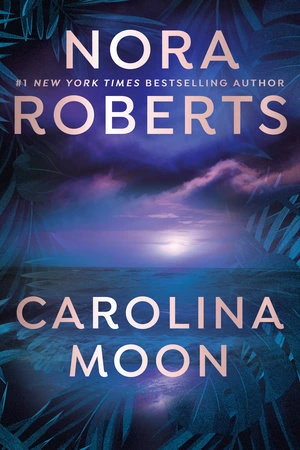
Carolina Moon
Nora Roberts
Family-connection evidence: Qualified neighboring sibling-circle setup; check the exact connection
Best for: A suspenseful reunion connected by shared grief
Tory’s connection to Cade comes through Hope, her childhood friend and his sister. This is the inverse of a heroine falling for her own brother’s friend. Hope’s murder ties the surviving pair to the same loss, so their growing bond involves both the possibility of comfort and the fear of returning to painful memories.
Use this as a clearly labelled friend’s-brother comparison for readers who want the familiar-family connection in romantic suspense. Tory returns to establish a home-design business while confronting the past. Cade is part of that past through his sister, making the question of whether grief brings them together more important than a generic claim that he is forbidden.
Before choosing: Friend’s older brother, not brother’s best friend. Childhood abuse, a child’s murder, psychic visions and nearby danger are central to the publisher premise.
Who connects the couple, and what changes their relationship?
Berkley — Carolina Moon: Publisher identifies Hope as Tory’s childhood friend and Cade as Hope’s older brother; their new bond is complicated by their shared tragic loss. (verified primary).
Family-connection evidence: Qualified neighboring sibling-circle setup; check the exact connection
Best for: A heroine challenging the man she associates with her brother’s ruin
Jessica meets Dain while trying to rescue her brother Bertie from a destructive course. Chase’s authorized excerpt has Bertie identify Dain among his friends and introduce Jessica as his sister. That verifies the sibling-friend link, but does not establish that the men are best friends.
This offers an adversarial historical variation: Jessica approaches the connection as a problem to confront, then finds Dain difficult to dismiss. Her concern for her brother brings her into his company, while her intelligence unsettles the man who expects respectable women to avoid him. Keep it in a qualified comparison group rather than promising the intimacy of a lifelong best friendship.
Before choosing: Brother’s friend only; best-friend status is not verified. The author frames Dain as dangerous and Jessica as trying to save her brother and family future.
Who connects the couple, and what changes their relationship?
Loretta Chase — Lord of Scoundrels authorized excerpt: Bertie says Jessica promised not to insult his friends, offers to introduce Dain, and identifies her as his sister. (verified primary).
Loretta Chase — Lord of Scoundrels: Author synopsis says Jessica aims to rescue her brother and must confront Dain. (verified primary).
Family-connection evidence: Qualified neighboring sibling-circle setup; check the exact connection
Best for: Readers open to the reversed sibling-friend arrangement, with roommates and fake dating.
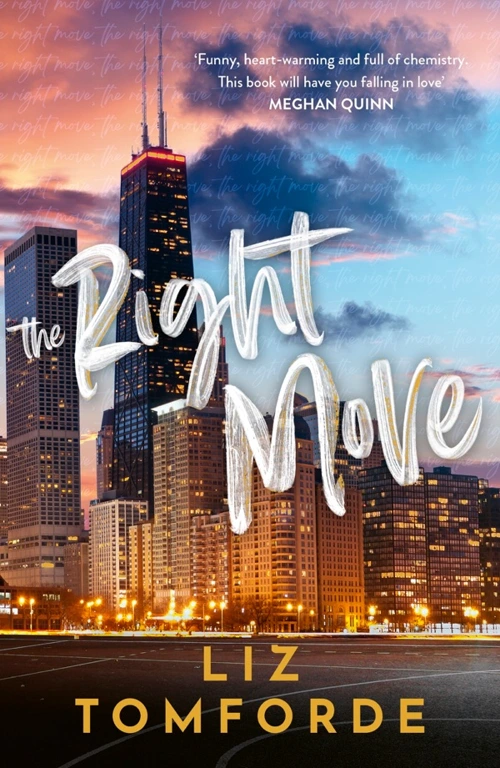
Ryan identifies Indy as his sister’s best friend, while Indy describes him as her best friend’s brother. The author states both directions explicitly. That makes the family-friend connection secure, but it is the reverse of a heroine dating her own brother’s best friend and should sit in a clearly labelled adjacent section.
Living together turns an existing social connection into daily proximity, and their fake relationship answers two separate needs: Ryan wants to soften his professional image and Indy needs a wedding date. Choose it for that combination rather than an assumed sibling prohibition. The checked description establishes familiarity through Ryan’s sister, not a brother who tries to control the couple’s choices.
Before choosing: Adjacent sister’s-best-friend relationship; do not relabel as her brother’s best friend.
Who connects the couple, and what changes their relationship?
Liz Tomforde, official book page: Ryan calls Indy his sister’s best friend; Indy calls Ryan her best friend’s brother. Apartment sharing develops into mutual fake dating. (direct premise example).
Family-connection evidence: Qualified neighboring sibling-circle setup; check the exact connection
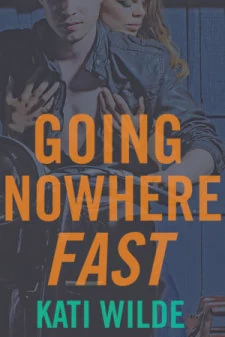
Best for: A road trip that tests attraction and loyalty to a friend
Aspen’s best friend invites her on a road trip that includes the friend’s brother, Bram. The publisher explicitly describes him judging Aspen as bad company for his sister. The exact configuration is therefore a woman falling for her best friend’s brother, which reverses the direction of a heroine dating her own brother’s friend.
This qualified comparison suits readers interested in how romance complicates an existing friendship. Aspen also promises to conceal information about Bram’s sister, giving her loyalty a specific conflict with her growing attachment to him. Shared travel puts their hostility and attraction in close quarters, but Bram’s insulting treatment and the secret’s eventual consequences should remain visible when deciding whether this is an appealing adjacent choice.
Before choosing: Inverse adjacent: heroine’s best friend’s brother; no verified heroine’s-brother/friend configuration. Publisher calls his sister Aspen’s best friend. Hostile class judgments and concealed secret explicit.
Who connects the couple, and what changes their relationship?
Kati Wilde — publisher description at Apple Books: Aspen travels with best friend and that friend’s brother Bram, who objects to her friendship with his sister; Aspen keeps sister’s secret. (inspected 2026-10-10).
No. A brother’s friendship establishes the connection, not a universal ban. Read each premise for the actual conflict and remember that the romantic leads make their own choices.
Is a best friend’s brother the same setup?
The connection runs in the other direction: one lead’s friend is the other’s sibling. The comparison identifies that difference instead of counting every sibling connection as a strict brother’s-best-friend example.
Does family familiarity establish friends-to-lovers?
No. The leads may have their own close friendship, a history of annoyance or little personal connection. Knowing someone through family does not establish mutual trust.
Does this trope prove an age gap or childhood crush?
No. Ages and the timing of attraction need separate evidence. The family connection alone establishes neither.
Is every selection a comfortable read?
No. Check the linked assessment and individual limitations. The Duke and I has a substantial sexual-assault concern, while suspense and family conflict can introduce other pressures.
Brother’s Best Friend Hockey Romance: Familiarity, Loyalty and New Boundaries
Compare brother’s-best-friend hockey romance through public appearances and shared homes, with two primary-source researched premises and explicit review limits.
Contemporary Brother’s Best Friend: Familiarity, Family Ties and Changing Judgment
Contemporary brother’s-best-friend romance starts with a connection through a sibling, then asks how two adults see each other outside that familiar role.
Historical Brother’s Best Friend: Family Connections and Public Courtship
Brother’s best friend sports romance connects a familiar family-and-friend circle with the pressures of an athletic career. A sibling’s teammate, a best friend’s brother and a sports professional’s sister’s friend can create different routes into that cir
Brother’s Best Friend MM Romance: Family Connections and Private Expectations
Brother’s best friend MM romance brings a relationship between men into a familiar sibling-and-friend circle. The connection can make introductions easier while creating uncertainty about what changes for the wider friendship. A best friend’s brother is a
Brother’s Best Friend Mafia Romance: Loyalty, Access and Choosing for Yourself
Brother’s best friend mafia romance places attraction inside an existing circle of loyalty. The love interest already has a connection to the family, so courtship can.
Dark Brother’s Best Friend Romance: Family Trust and the Cost of Secrecy
Dark brother’s best friend romance can make a familiar person feel dangerous precisely because they already belong to the family’s inner circle. A sibling’s trust may.
YA Brother’s-Best-Friend Romance: Familiar Faces and Family Boundaries
Find small-town brother’s-best-friend romance through homecoming, community ties and the publisher-confirmed Rose Hill setup in Wild Love.
How these starting choices were researched
We inspected current competing guides and checked the exact family connection through author and publisher material and original critical assessments. Kirkus Reviews, Z at The Literary Effect and Duke Jenkins at Waymark supply the specific premise checks named on three cards. Each note identifies who connects the couple and why neighboring sibling situations remain qualified. These additions link existing researched assessments without adding ratings or claiming first-hand reading. The order groups evidence scopes rather than ranking quality; the collection remains incomplete.
Independent premise-source checks updated 15 November 2026. Original family-connection classifications and edition cautions are retained; a verified friendship is not a promise about the ending or plot closure.
Choose the exact connection and what changes it
An established family connection can create access, but the emotional obstacle varies. Some couples start with household friction, some with an old disappointment, and others with a professional plan. The reversed friend’s-brother examples remain useful comparisons with their direction plainly stated.
Cade is the older brother of Tory’s childhood friend Hope.
Shared loss and suspense matter; this is a friend’s-brother comparison.
Familiar access can produce very different conflicts
For household proximity, compare Mr. Wrong Number with The Right Move. Both bring an existing social connection into everyday living, but their mechanisms differ. Olivia and Colin also encounter each other anonymously; Ryan and Indy use an agreed public relationship to solve practical problems. The family link helps explain access in each book. It does not make the hidden knowledge in the first arrangement equivalent to the negotiated performance in the second.
The English publisher’s Mr. Wrong Number description specifically establishes Colin discovering who his messaging partner is. The existing assessment’s concerns about ghosting and accountability therefore remain relevant when choosing it. A familiar person can still withhold information that changes the other person’s understanding of a relationship.
Old history is different from an ongoing friendship
The Dating Plan identifies Liam as an onetime best friend of Daisy’s brother. That word matters: the starting hurt involves an earlier prom disappointment and disappearance, while their current engagement is a practical arrangement. Readers seeking a second chance between former romantic partners should not treat Daisy’s childhood crush as proof they previously dated.
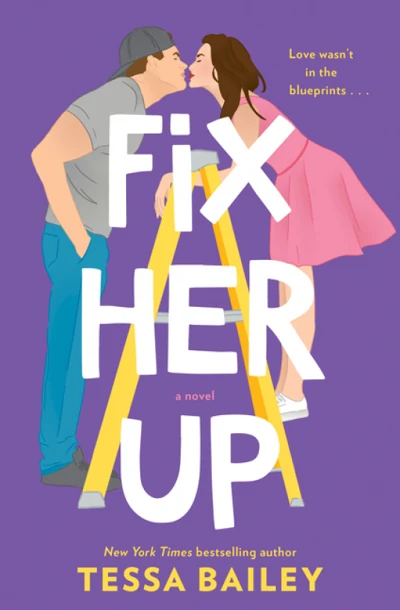
In In Your Dreams, an existing family connection sits beside Madison’s adult ambition to lead a restaurant kitchen. Their professional arrangement supplies current stakes. Neither this premise nor a general trope label verifies that her brother must grant permission. Read a sibling’s possible reaction as an open question unless the exact evidence establishes it; the adult couple’s choices should not be described as someone else’s property.
Use the adjacent selections for the difference they offer
Going Nowhere Fast places Aspen with her best friend’s brother, and a secret about that friend complicates her loyalty during shared travel. Carolina Moon connects Tory and Cade through Hope and a traumatic shared past. These are useful when the appeal is a family-friend circle, but neither has the exact heroine’s-brother/best-friend configuration.
Lord of Scoundrels belongs in the qualified group for a separate reason: the checked excerpt establishes a brother’s friend, without establishing best friendship. The Duke and I does meet the exact connection, yet its serious sexual-assault concern remains part of choosing it. A more precise trope match does not make a book a better personal fit. Follow the full assessments for those limits rather than using this table as a reassurance label.
Follow the relationship question that matters to you
Researched editorial synthesis using existing assessments, not new firsthand reading. Original scores, coauthors, source dates and qualified boundaries remain intact. Held retailer actions identify unchecked destinations, not unavailable formats. Cover art does not establish stock; feature artwork depicts fictional adults rather than actual book characters.