Enemies-to-Lovers Banter: Wit, Rivalry and the Line Between Them
The appeal of enemies-to-lovers banter is often the attention hidden inside the argument. Quick replies can show that the lovers notice each other closely, but wit alone does not establish a meaningful rivalry. Choose both the kind of disagreement and the kinds of teasing you enjoy, especially if jokes about personal vulnerabilities would change your response.
The Hating Game gives Lucy and Joshua a concrete workplace contest alongside their verbal games. Trade discussion praises the banter, while the existing assessment retains objections to jealousy and assumptions. It is a reviewed starting point for deciding when comic sparring works for you and when the behavior begins to outweigh the humor.
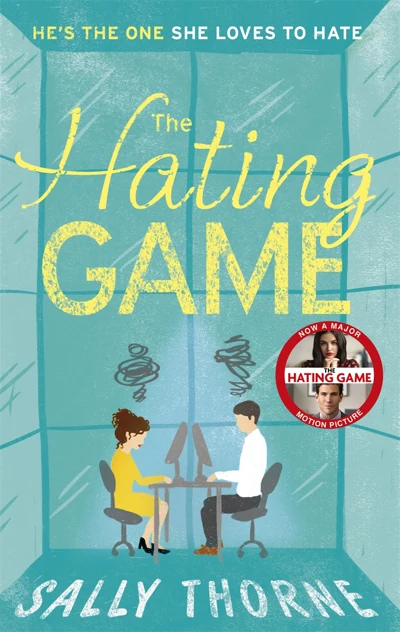
Authentic published cover of one starter selection; not a claim about every book in the guide.
Updated 9 October 2026 · Eikna Editorial Team
Compare the relationship choices
Setup
What drives it
What to check
Competitive sparring
Choose what you want the dialogue to do
Are the stakes genuinely competitive?
Flirtation by teasing
Give the disagreement something real
Do both leads enjoy the teasing?
Misread hostility
Distinguish teasing from a vulnerable target
How much hostility is a viewpoint assumption?
Narrow the reading experience
Choose what you want the dialogue to do
Banter can show quick thinking, invite flirtation or keep vulnerable feelings safely disguised. Those functions create different kinds of enjoyment. If you want dialogue to carry the romance, look for exchanges that change the leads’ understanding of each other. Repeated insults may keep a surface rhythm without producing that change. A useful recommendation explains the exchange’s role rather than simply declaring the couple witty.
Give the disagreement something real
Competition for one promotion creates an external reason to clash. Other stories begin with a bad first impression or a personality mismatch. Decide how substantial you want the rivalry to be: professional stakes can make the attraction inconvenient, while petty sparring can keep a lighter tone. Neither version is automatically superior, but describing both as identical enemies risks promising more conflict than the book delivers.
Distinguish teasing from a vulnerable target
Some readers enjoy sharp jokes about habits and choices while rejecting attacks on appearance, illness or insecurity. Check what the humor targets and whether both leads can answer back. An uneven exchange may feel playful to one reader and humiliating to another. Existing criticism is particularly useful here because a synopsis rarely identifies every line that changes a reader’s response to the courtship.
Consider viewpoint and interpretation
Single-viewpoint hostility can include a character misreading the other lead’s intent. That can create comic surprise, but it also affects how much of the rivalry is genuinely mutual. Readers who want both characters openly engaged in the argument may prefer alternating viewpoints. Our starter’s assessment records praise for verbal chemistry alongside criticism of assumptions and jealousy, giving you a more specific decision than a universal promise of good banter.
Starting points and their evidence
These are small starter examples, not a completed or ranked recommendation list. Reviewed selections link to existing evidence-based editorial assessments. Other examples are identified as researched premises or pending research leads; they have no new rating or claim of first-hand reading.
Purchases through Amazon, Bookshop.org and Libro.fm links may earn us a commission. As an Amazon Associate, Eikna Romance earns from qualifying purchases, at no extra cost to you.
The Hating Game
Sally Thorne
Confirmed premise example
Sally Thorne’s official synopsis establishes Lucy and Joshua’s workplace antagonism and competition for a promotion; independent trade discussion praises banter.
Before choosing: Use the review for the difference between comic sparring and jealousy or immature conduct. Banter is a reported craft feature, not proof that every exchange is kind.
Author or publisher premise source · checked 9 October 2026
Edition buttons become available when the specific format and destination are checked. Check the selected format before buying.
Questions that change the reading choice
What should I check before choosing?
Use the review for the difference between comic sparring and jealousy or immature conduct. Banter is a reported craft feature, not proof that every exchange is kind. A recommendation should name the evidence behind the feature that matters most to you. Use the full assessment for its supported strengths, contrary responses and content limitations instead of treating this narrow reading route as an endorsement of every part of the story.
How can I make a more precise reading request?
Say which version you want: competitive sparring, flirtation by teasing or misread hostility. Add any separate boundary about sexual presentation, harmful behavior or series commitment. Those details help distinguish a close match from a book that shares only the setting or a broad relationship label.
Must both leads be equally witty?
No. A quick reply, a dry observation and an awkward response can all shape a comic relationship. The more useful check is whether the exchange reveals character and changes the courtship. Equal room to answer back also matters more than matching joke counts.