Start with the kind of opposition you want. In The Bridge Kingdom, a marriage between enemy kingdoms turns trust into a political risk. In The Hating Game, coworkers competing for the same promotion have to keep seeing each other after every argument. The comparison below separates rivalries from conflicts where the leads have more to lose.
Original editorial artwork inspired by this page’s theme; not an official book cover or a claimed book scene.
Updated 8 October 2026 · Eikna Editorial Team · Researched editorial assessments
Find your starting book
Use this index to compare the appeal of 36 selections, then read the individual fit notes and limitations. The sequence is a reading map rather than a quality ranking. Some examples need the more qualified explanation given in their cards.
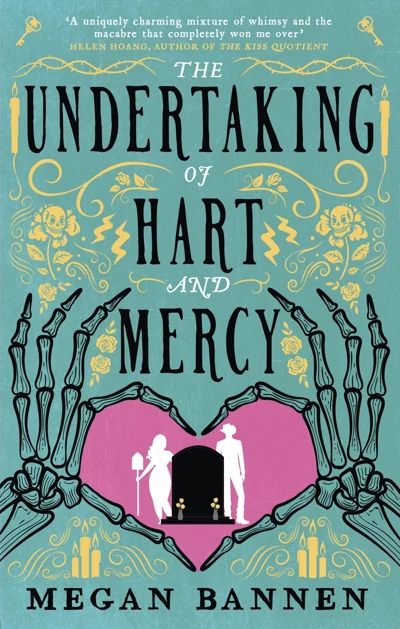
Try this when you want hostile encounters softened by a connection neither person recognizes. An undertaker and a lonely marshal exchange anonymous letters while irritating each other in daily life. The fantasy setting adds an unusual working world, but death and danger mean this should not be mistaken for a uniformly cozy romance.
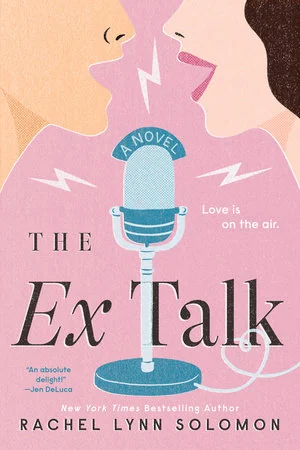
Choose this for a gentler workplace romance with a specific complication: two radio colleagues who clash must pretend they used to date. Their invented breakup becomes the basis of a relationship-advice show, so falling in love creates trouble beyond an awkward office encounter. Its public performance matters as much as the initial dislike.
This suits readers who enjoy professional rivalry inside a holiday setting. Two colleagues competing for a promotion are sent on the same Galápagos cruise, where their assumptions about each other have less room to survive. Pick it for workplace competition and forced proximity rather than a romance between dangerous enemies.
Consider this if you want the clash between an unpredictable newcomer and a man determined to keep his business orderly. Eve’s disastrous encounter with B&B owner Jacob leaves them working together despite their differences. The draw is personal friction and changing judgments, rather than opposing causes or a competition with one winner.
A wedding in Spain turns an unwelcome colleague into Catalina’s possible solution to a family problem. She needs someone to pose as her boyfriend, and Aaron is the person she least wants to ask. Choose it for perceived hostility, fake dating and time together; sustained mutual hatred is a less secure expectation.
Look here for antagonism that survives more than one sharp conversation. Two surgeons who clash at work are sent to conflict-resolution counseling, putting their irritation under direct scrutiny. This is an open-door adult choice for readers interested in abrasive personalities and forced cooperation, with the author’s book-specific content notes worth checking.
A summer road trip becomes uncomfortable when the man funding the trip already disapproves of the heroine. Their dislike follows them into close quarters, giving the romance a concrete barrier beyond casual teasing. Choose it for road-trip pressure and personal resentment; the author identifies it as a standalone new-adult story.
Choose this for a billionaire romance where the grudge has a concrete price. Ria's public stunt costs Adrien a major deal, and his retaliation puts them in constant contact. The appeal is watching her push back as their arrangement develops into a fake relationship and increasingly difficult attraction.
Try this when you want forced proximity with a professional reason for the heroine's anger. Jamie cannot match her difficult billionaire client, and her career is at risk. Becoming his live-in dating coach forces the pair to confront each other, with discovery gradually changing hostility into attraction.
Pick this for a small-town workplace romance that moves into sex before either lead agrees to affection. Violet and Eli bring years of childhood arguments into their reunion at a wedding venue, where a bonus gives them something new to fight over. It suits readers who want high heat and comparatively little angst.
Reach for this if you like workplace hostility with an ethical edge. Gemma's dislike of Ben includes what she believes about his clients and conduct, so their friction extends beyond ambition. A potentially career-changing legal case makes avoidance impossible, giving the romance evenings and weekends of reluctant collaboration to work with.
Choose this for a romance shaped by place and family obligations. Calla comes to Alaska to reconnect with her ill father, while Jonah assumes she cannot handle life there. Their antagonism becomes a bond, but attraction does not erase the practical question of where they could build a shared future.
Try this for an enemies-to-lovers arc that gives friendship time to matter. Casual-dating comedian Ari and marriage-minded Josh clash immediately, then reconnect after painful breakups. Their shared routines make room for trust before romance crosses the line, appealing to readers who want changing intimacy rather than one explosive reconciliation.
Choose this for a historical romance built around clashing manners and mutual irritation. Lillian Bowman’s independence offends the exacting Lord Westcliff, while his disapproval gives her little reason to like him. Their attraction complicates that dislike, making this a useful pick when you want personal friction and questions of social suitability rather than opposing armies.
For readers who want the enemy label to carry real consequences, Annique and Grey serve opposing interests, and his assignment is to capture her secrets for England. A shared prison forces cooperation without erasing that threat. Pick it for capable spies, an uneasy escape alliance, and attraction complicated by duties neither can simply set aside.
Pick this when you want enemies-to-lovers tangled with a second chance. After an assassin wounds Justine, she turns to Adrian, the man bound up with both her love and her hatred. Their reunion asks whether old intimacy can survive damaged trust while a shared threat gives them an urgent reason to work together.
This is a choice for readers who want hostility rooted in grief and a dangerous accusation. Maddek believes Yvenne helped cause his parents’ deaths; the woman he captures offers a political marriage and a shared target instead. Expect the appeal to come from watching that vengeful certainty meet a heroine whose strongest weapons are intelligence and resolve.
Choose this for a marriage shaped by war and revenge rather than simple banter. Wynter takes a princess from the enemy kingdom as part of his vengeance, while Khamsin finds unexpected freedom in the match. The emotional draw is her hope for love inside a political arrangement, with dangerous magic and betrayal testing their growing connection.
Pick this for a dangerous alliance between tournament competitors, with a political enemy connection adding pressure to their attraction. Human Oraya must survive among vampire warriors, and Raihn threatens both her chances and her father’s crown. It suits readers who want romance threaded through survival and divided loyalties, provided they are ready to continue beyond the first book.
Choose this if you want the enemy divide to reach beyond personal dislike. Red and Blue serve futures that cannot coexist, yet their taunting letters gradually become a private language. The pleasure is in watching intimacy travel through increasingly inventive messages. Its lyrical, time-bending form suits readers happy to work for the emotional payoff.
Scottie and Irene begin with everyday school hostility, which makes this a gentler entry into the trope. A fender bender forces them into the same car; fake dating gives them another reason to stay close. Try it when you want romantic tension built through awkward proximity, teenage pride, and the complications of getting over an ex.
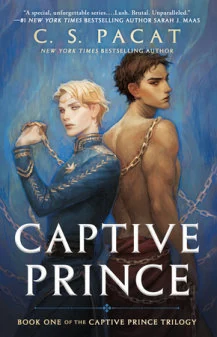
Captive Prince begins a trilogy with Damen enslaved in Laurent’s enemy court, hiding an identity that would give his captor a personal reason for hatred. Choose it for dangerous political manoeuvring and a relationship developed across the series. It is a trilogy-context comparison, not a promise of a fulfilled romance in book one.
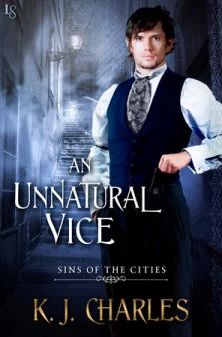
Nathaniel wants to expose Justin’s fraudulent séances; Justin has every reason to resent the man threatening his livelihood. That ethical conflict gives their attraction something harder to solve than bruised pride. Choose it for a Victorian romance in which desire arrives before agreement, with a suspense plot that makes trusting the wrong person particularly dangerous.
Logan and Rosemary have a broken friendship behind their present-day hostility, so every argument carries old hurt. Their shared mentor’s final road-trip wish puts them back in close quarters. Choose this when you want a romance about repairing a bond as well as finding desire, with humour alongside substantial grief and an explicitly hopeful romantic destination.
Choose the reason they oppose each other
The conflict matters more than the label. A misunderstanding asks for a change of perspective; a professional contest asks the couple to reconcile ambition with attraction; deliberate harm asks for accountability. Decide which problem you want the relationship to solve before choosing a setting.
Starting point
What drives it
What to check
Professional competition
Two people pursuing a role, opportunity or recognition
Can both retain a meaningful future if only one wins?
Damaged friendship or personal history
An argument with emotional consequences beyond the present encounter
What would repair require besides attraction?
Mistaken first impressions
A character discovering the person behind an assumption
Is reassessment enough, or has real harm occurred?
Political opposition or direct danger
Loyalties, safety and unequal power shape the courtship
Does the review explain coercion and the ability to refuse?
Start with a modern setting
Explore the twelve-book contemporary collection. The contemporary enemies-to-lovers collection narrows the search to twelve reviewed modern romances. It compares the particular source of opposition, with individual cautions and evidence labels. Stay on this broader hub when you want to compare those modern situations with historical or speculative ones.
Follow a different relationship question
rivals to lovers: If a contest is the main attraction, the rivals-to-lovers guide separates academic, workplace and sports competition. It also explains why opponents need not dislike each other.
opposites attract: If the leads simply live or think differently, the opposites-attract guide helps you choose that contrast without assuming hostility.
Eikna Editorial Team · Sources checked 2 October 2026 · Researched starter selections
What should make falling in love difficult?
Use the obstacle column first. The level describes our interpretation of the starting conflict, not writing quality, heat, darkness or how healthy the eventual relationship becomes. M/F, F/F and M/M describe the central pairing, not the characters’ full identities.
Neither fiancé wants to pay for ending the engagement
L2
Contemporary relationship repair · M/F
Describe the opposition before choosing
The selections use different kinds of conflict. These are reader descriptions, not a numerical assessment, a quality ranking or an EIKNA intensity score. A book may involve more than one kind.
Friction and revised impressions
A difficult meeting or mistaken assumption changes as the leads gain better information.
Concrete rivalry
A promotion, athletic competition or disputed resource gives both leads an actual stake.
Personal or family grievance
A past act or belief creates a reason for hostility that attraction alone may not repair.
Opposing duties or loyalties
Serving different institutions or causes makes cooperation costly.
Direct threat and unequal power
Capture, exposure, violence or a mission against the other lead requires a separate content and agency check.
Use the source-backed cause of the conflict and the individual review to choose. Serious opposition does not automatically mean explicit sex, a darker genre or a more convincing relationship.
Find your way into the shortlist
For betrayal built into the premise
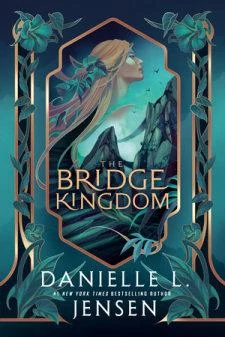
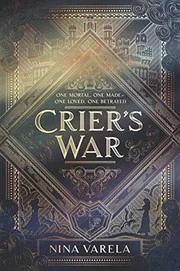
The Bridge Kingdom gives Lara a mission to undermine the king she marries. Crier’s War gives Ayla a target she intends to kill. Both have a concrete hostile purpose, but only the former is identified here as an adult selection. Neither entry promises a complete romantic resolution in one volume.
For danger rooted in identity and allegiance
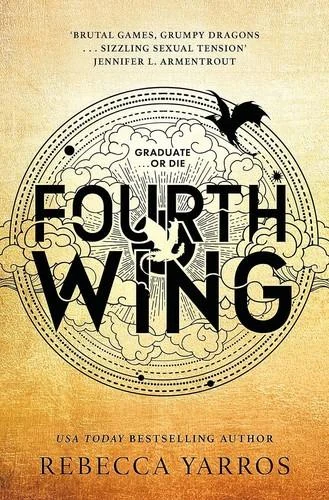
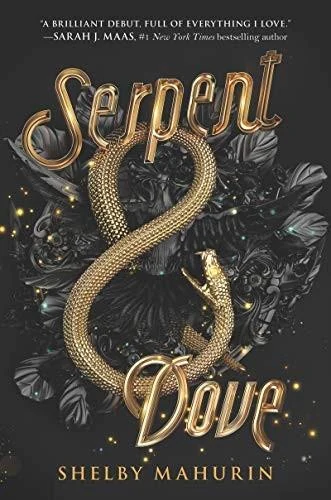
Compare Serpent & Dove, where a hunter’s beliefs threaten the witch he marries, with Fourth Wing, where family hostility enters a deadly training college. The danger comes from different places: a concealed identity in one, an openly meaningful surname in the other. The source framing does not prove symmetrical hostility in either.
For contemporary conflict with a reason behind it
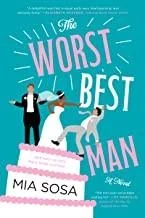
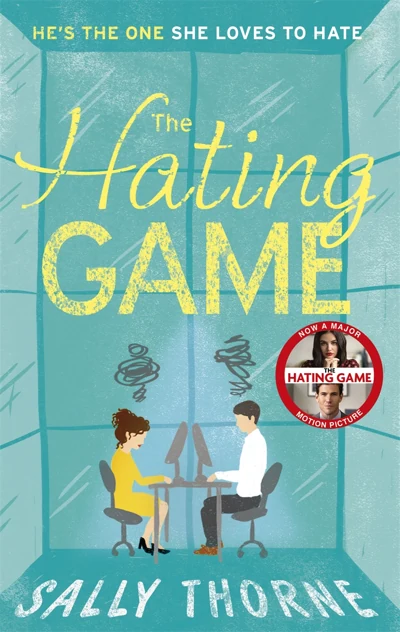
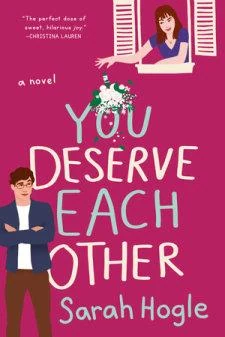
The Worst Best Man supplies a personal grievance connected to Lina’s failed wedding. For a clearly shared prize, use The Hating Game. For a relationship that has already soured, try You Deserve Each Other. These choices let you decide whether you want cooperation after injury, competitive work or the repair of a couple’s existing bond.
For family and political stakes in historical settings
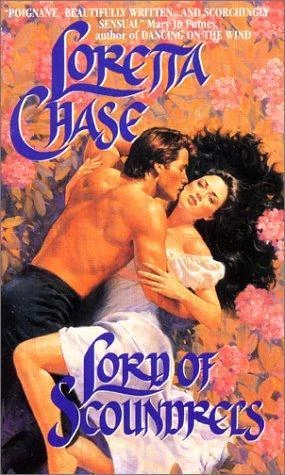
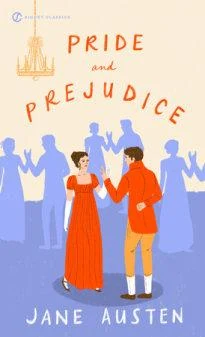
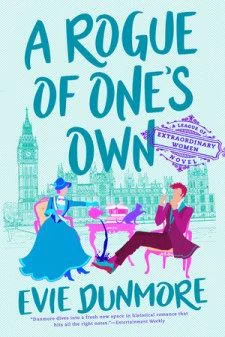
Lord of Scoundrels starts with Jessica’s determination to protect her brother. Pride and Prejudice gives Elizabeth reasons to question Darcy’s treatment of her sister. A Rogue of One’s Own puts Lucie’s publishing ambitions and political work in the path of an old nemesis. None needs a threat to life to make resistance meaningful.
For a queer relationship with a specific obstacle
Heated Rivalry offers M/M sporting competition and a private relationship behind a public rivalry. The F/F route here is Crier’s War, a YA fantasy about an intended killing and an unequal political order. They are not interchangeable recommendations, and this small set does not yet provide a broad adult FF shelf.
The 11-book starter shortlist
Each source supports the stated conflict or premise. The fit notes explain why that setup may suit a reader; they do not certify the whole novel’s execution. Publication still requires further checks.
The Bridge Kingdom
Danielle L. Jensen
Fantasy · M/F
Lara enters an arranged marriage intending to undermine Aren’s defences. The author explicitly describes hostility giving way to passion and identifies the book as adult romantic fantasy.
This is a useful starting point for readers who want attraction to complicate a political mission. Lara’s changing understanding of the kingdom gives her original purpose something to collide with.
Before choosing: The evidence establishes Lara’s hostile purpose. It does not establish equal hostility from both leads throughout the book. The author’s warning list includes coerced marriage, violence and explicit consensual sexual content; see that list before choosing.
Source for the premise and conflict
The The Bridge Kingdom review explains how trade geography and divided loyalties shape Lara’s attraction to Aren and why the first-volume cliffhanger matters. It also offers content notes and three comparisons to help you choose.
Violet enters a deadly dragon-rider college. The publisher identifies Xaden as her family’s greatest enemy and presents her surname as one reason other cadets might want her dead.
Choose this for inherited hostility inside a dangerous training environment, where surviving the institution is part of the reading experience.
Before choosing: The publisher’s threat framing supports this route; it is not proof that Xaden and Violet are equally intent on killing each other. Do not use this entry as a romance-only or no-cliffhanger recommendation.
Source for the premise and conflict
The Fourth Wing review explains how dragon bonds and endangered friendships support a fast opening volume with contested romantic depth. It also offers content notes and three comparisons to help you choose.
Lou hides that she is a witch. Reid kills witches for the Church, and a public incident leads his superior to order their marriage. Publishers Weekly confirms the concealment and the growing romance.
Try it when the danger lies in what one partner has been taught to believe about the other’s identity. Marriage puts that belief unusually close to the person it threatens.
Before choosing: Reid’s occupation is evidence of danger to Lou, not of Lou having an equivalent mission to kill him. The checked review gives an audience of 14 and up and points to a sequel; that does not establish kisses-only content.
Source for the premise and conflict
The Serpent & Dove review explains how Lou’s survival depends on concealment and why readers disagree about accountability in her marriage to Reid. It also offers content notes and three comparisons to help you choose.
Human servant Ayla intends to avenge her family by killing Lady Crier, the sovereign’s Made daughter. The author describes a romance between the two girls against a wider struggle over human subjugation.
A strong premise match if you want the prospective lover to be the target of an actual plan, with political power shaping their access to each other.
Before choosing: The hostile intention runs from Ayla toward Crier in the checked premise. This is the first volume of a fantasy duology, and a YA selection—not a substitute for an adult, high-heat FF shortlist.
Source for the premise and conflict
· Independent YA review
Wedding planner Lina must collaborate with Max Hartley, her former fiancé’s brother, on a hotel presentation. The author’s premise identifies Max as having encouraged his brother to abandon the wedding.
Pick this for a specific personal grievance brought into a new professional opportunity. Cooperation offers something both people want, while the history makes that cooperation difficult.
Before choosing: Lina’s loathing is explicit in the source. The premise does not promise equal opposition from Max, so this is a better fit for a one-sided grievance than an evenly matched hate campaign.
Source for the premise and conflict
The The Worst Best Man review explains how a hotel pitch tests Lina’s guardedness and Max’s wish to escape his brother’s shadow. It also offers content notes and three comparisons to help you choose.
Jessica Trent intends to stop her brother’s ruin, even if that means confronting the notorious Marquess of Dain. The author’s description links her purpose to her family and future.
Choose it when the reason for challenging the hero begins outside the romance, with a family problem the heroine refuses to leave alone.
Before choosing: Family stakes support an adversarial route. We have not verified the draft’s claim of sustained mutual hostility or its blanket standalone and ending guarantees.
Source for the premise and conflict
The Lord of Scoundrels review explains how Jessica’s initiative and sharp dialogue confront Dain’s pride while leaving his reforming burden open to scrutiny. It also offers content notes and three comparisons to help you choose.
Elizabeth initially finds Darcy arrogant. The publisher’s description gives her a further reason for dislike when she discovers his involvement in Jane and Bingley’s troubled relationship.
Try it for a change of judgment: the attraction must contend with what Elizabeth thinks she knows about Darcy’s conduct toward people she cares about.
Before choosing: The family grievance supports this route without requiring physical danger. Precise heat, ending and edition-specific purchase details are not newly certified by this premise check.
Source for the premise and conflict
The Pride and Prejudice review explains how Elizabeth and Darcy revise their own judgment and why wit and class power complicate the familiar courtship. It also offers content notes and three comparisons to help you choose.
Lady Lucie and other suffragists seek control of a publishing house for political work. Lord Ballentine stands in the way and proposes a sexual bargain for handing over control.
Choose this when access to a shared asset matters beyond the couple: the business obstacle is tied to Lucie’s political purpose.
Before choosing: The proposed bargain makes consent and leverage relevant reading questions. We do not certify the whole relationship’s consent dynamics from a synopsis, or infer that both leads oppose women’s suffrage.
Lucy and Joshua work in the same office and turn everyday contact into contests. A promotion means one could become the other’s boss.
Start here for rivalry with a shared prize and constant contact. The competition gives their attraction a practical consequence.
Before choosing: We place it in the rivals route because a concrete competition is supported. Readers seeking betrayal, captivity or a direct threat to life should use a different shelf.
Shane and Ilya have built a public hockey rivalry while privately pursuing attraction. Wanting more than secret encounters makes the arrangement harder to maintain.
Choose this for sustained competition that survives outside the private relationship. The public and private versions of the couple supply different pressures.
Before choosing: Sports opposition is the supported reason for inclusion. It does not certify the absence of harm. The Long Game continues Shane and Ilya’s story, so do not assume a new couple in every series volume.
Source for the premise and conflict
· Same-couple continuation
The Heated Rivalry review explains how secret male–male intimacy develops beneath professional hockey rivalry and disputed long-term concealment. It also offers content notes and three comparisons to help you choose.
Naomi wants out of her engagement, but whoever ends it must pay the nonrefundable wedding bill. Discovering Nicholas is also unhappy launches a campaign of pranks and sabotage.
Try it for lovers who have become opponents. The question is whether an existing relationship can change once both stop pretending to be content.
Before choosing: The financial standoff supports our rivalry classification, although the publisher explicitly uses lovers-to-enemies-to-lovers. L2 is not a claim that sabotage is harmless, nor an assessment of every event in the novel.
Source for the premise and conflict
The You Deserve Each Other review explains how Naomi and Nicholas’s sabotage tests the credibility of a later turn toward tenderness. It also offers content notes and three comparisons to help you choose.
Using a narrower shortlist does not mean a publisher’s broader label is wrong. Romance readers use “enemies” to mean different degrees of dislike, and a short premise cannot settle every later scene. These distinctions describe our evidence and reader routes.
Bride: rival species do not establish hostile lovers
Misery and Lowe’s marriage serves a political agreement between hostile groups. That is a strong arranged-marriage setup, but it does not by itself demonstrate that both characters oppose each other personally. Our researched Bride review discusses the disputed label and supported sexual-content concerns. We have moved the book out of the strict core rather than preserve the supplied “L3 mutual” claim.
Beach Read: a writing challenge needs a careful description
The publisher premise describes two blocked writers exchanging genres and helping each other with research. It does not establish the submitted claim that the first to finish wins a prize. The setup supports creative contrast and repeated contact; it is not enough for our particular shared-prize test. Explore it through the contemporary guide.
Book Lovers: professional friction, with a classification caveat
The publisher and trade reviewers use rivalry or enemies language for Nora and Charlie. Our Book Lovers review explains why the checked evidence gives us more confidence in professional friction than sustained, high-stakes mutual opposition. We do not certify that nothing material ever stands between them; that would require a fuller assessment.
Delilah Green Doesn’t Care: homecoming and old resentments
Delilah’s return to her hometown brings attraction into a network of family and friendship tensions. Those resentments do not automatically establish a two-way adversarial romance. Use the Delilah Green review to decide whether chemistry, parenthood and coming home are the appeal you wanted from the enemies label.
Red, White & Royal Blue: public conflict is still a real consideration
The publisher gives Alex and Henry a public clash and a staged friendship intended to repair the damage. We withdraw the supplied assertion that nothing consequential is at stake: reputation and political relationships are expressly part of the premise. Their public antagonism merits its own assessment before we assign a strict intensity grade.
The Unhoneymooners: dislike under a pretend marriage
Selections held for stronger evidence
From Blood and Ash remains outside the strict shortlist. The publisher’s spoiler-light premise establishes Poppy’s restricted life, attraction to guard Hawke and danger around them. It does not adequately establish the submitted twist-based L4 classification. We will need spoiler-aware claim evidence before restoring that grade, without exposing the reveal in ordinary browsing.
Questions that change the recommendation
What is the difference between rivals and enemies?
Rivals compete within a shared activity or for a particular outcome. More adversarial relationships can involve a personal injury, an incompatible mission or a threat. The boundary is editorial rather than universal. Our enemies-versus-rivals draft explores the distinction; this page concentrates on choosing books.
Does enemies to lovers have to be mutual?
No. One character can believe the other is an enemy while the other wants reconciliation, or can pursue a hostile mission without the target knowing. We state the supported direction instead of assuming that both characters oppose each other because their families or factions do.
Which contemporary book has an actual grievance?
The Worst Best Man explicitly connects Lina’s loathing to Max’s role in her jilting. For a different form of concrete opposition, The Hating Game has a promotion contest and You Deserve Each Other has a financial standoff over ending an engagement. Choose the cause of conflict you want, rather than a supposedly definitive winner.
Which selection is spicy?
The author of The Bridge Kingdom explicitly lists consensual sexual content among the book’s warnings. That supports an open-door content note, not a numerical heat level. We have not completed a comparable heat assessment across this shortlist, so it cannot yet serve as a heat-filtered list.
Which have a happy ending with no cliffhanger?
We are not making a blanket guarantee. A book’s romance label does not prove its ending, and a continuing couple is not the same question as a cliffhanger. Ending subtype, closure and reading order must each be checked. If no cliffhanger is essential to your choice, this draft is not yet a verified answer to that request.
Does more serious opposition mean a darker or better romance?
No. The proposed levels describe opposition. They do not measure sexual explicitness, violence throughout the novel, craft, consent or emotional impact. A sporting rivalry can be deeply affecting; a life-threatening premise can still disappoint a particular reader. Those judgments need fuller review evidence.
Evidence limits and the next checks
The original pack’s “6 of 20” finding has been removed because the underlying original selection audit was unavailable. We also removed claims that fantasy dominates the entire trope, that only one queer book qualifies, that every selected story ends completely in one book, and that all relationships marked mutual had been verified as such. A small curated selection cannot establish a market-wide pattern.
Heated Rivalry: competition, secrecy and emotional slow burn
Compare the original novel, its direct sequel and five source-backed read-alikes. Choose a full-series route or follow Shane and Ilya, with explicitness guidance and a spoiler-controlled ending note.
A spy working against her captor needs a different kind of reconciliation from colleagues who resent each other. These newly researched selections broaden the guide, with the starting conflict explained for every book. Some are gentler antagonistic romances or rivals-to-lovers choices; the notes make that distinction visible.
Each selection now has a published researched assessment. The premise explains the starting conflict; the full review examines the relationship and craft through identified criticism. Unknown heat and ending details remain explicit.
The Undertaking of Hart and Mercy
Megan Bannen
Try this when you want hostile encounters softened by a connection neither person recognizes. An undertaker and a lonely marshal exchange anonymous letters while irritating each other in daily life. The fantasy setting adds an unusual working world, but death and danger mean this should not be mistaken for a uniformly cozy romance.
What puts them at odds: The author describes repeated hostile encounters and each correspondent as the other's nightmare. Personal dislike exists before the letters; this is stronger than mere occupational rivalry.
Before choosing: Adult: listed under Adult Books. Author page does not verify numbered series or standalone status; Death/undertaking and dangers in Tanria evident in premise. No formal warnings or precise heat verified.
Premise checked against the named author or publisher source on October 6, 2026; its address and evidence are retained in our research record.
The The Undertaking of Hart and Mercy review explains A conditional recommendation for secret letters, loneliness and prickly adults learning to connect. The relationship offers warmth, but tonal shifts and uneven reconciliation may frustrate readers seeking a smoothly integrated fantasy romance. It also offers content notes and three comparisons to help you choose.
Choose this for a gentler workplace romance with a specific complication: two radio colleagues who clash must pretend they used to date. Their invented breakup becomes the basis of a relationship-advice show, so falling in love creates trouble beyond an awkward office encounter. Its public performance matters as much as the initial dislike.
What puts them at odds: Synopsis explicitly establishes continual clashes and mutual dislike before the professional arrangement. Workplace hostility rather than opposing causes.
Before choosing: Adult romantic comedy explicitly stated. No series/read-order claim verified. Job insecurity, public deception; formal warnings and heat not verified.
Premise checked against the named author or publisher source on October 6, 2026; its address and evidence are retained in our research record.
The The Ex Talk review explains Recommended for witty radio chemistry, a tender workplace romance and characters whose grief and insecurity matter beyond the flirtation. The hostility is comparatively gentle; the invented breakup and professional deception require some tolerance. It also offers content notes and three comparisons to help you choose.
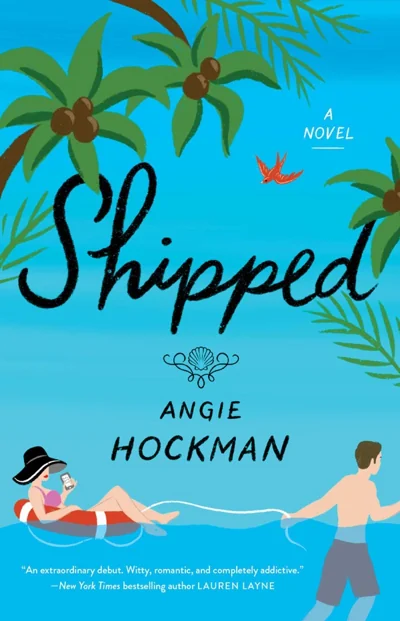
This suits readers who enjoy professional rivalry inside a holiday setting. Two colleagues competing for a promotion are sent on the same Galápagos cruise, where their assumptions about each other have less room to survive. Pick it for workplace competition and forced proximity rather than a romance between dangerous enemies.
What puts them at odds: Legendary email battles and Henley's established loathing provide antagonism alongside job rivalry. The source also says meeting Graeme changes her assumptions.
Before choosing: Adult-market contemporary romance inference from working/MBA protagonists; numerical age or minimum-reader rating not stated. No numbered series or standalone claim verified. Heat and formal warnings unverified; chemistry language is not an open-door guarantee.
Premise checked against the named author or publisher source on October 6, 2026; its address and evidence are retained in our research record.
The Shipped review explains A qualified pick for travel atmosphere, workplace competition and a heroine whose career matters. The rivalry is comparatively mild, and readers seeking intense romantic conflict may find the in-person chemistry too gentle. It also offers content notes and three comparisons to help you choose.
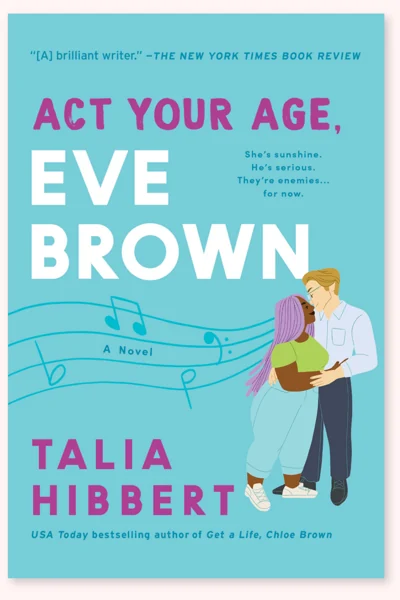
Consider this if you want the clash between an unpredictable newcomer and a man determined to keep his business orderly. Eve’s disastrous encounter with B&B owner Jacob leaves them working together despite their differences. The draw is personal friction and changing judgments, rather than opposing causes or a competition with one winner.
What puts them at odds: Source directly calls them enemies and describes hostility under forced proximity; opposites and a bad first meeting drive it rather than long-standing feud.
Before choosing: No numerical age or reader-age rating verified. The Brown Sisters #3. Author reading-order introduction permits jumping in anywhere. Accidental collision/broken arm; author identifies two autistic leads. Exact heat and formal warning list unverified.
Premise checked against the named author or publisher source on October 6, 2026; its address and evidence are retained in our research record.
The Act Your Age, Eve Brown review explains Recommended with reservations for affectionate hospitality routines, neurodivergent self-understanding and lovers who make room for each other. Rapid intimacy, the initial accident and uneven accountability may limit the comfort for some readers. It also offers content notes and three comparisons to help you choose.
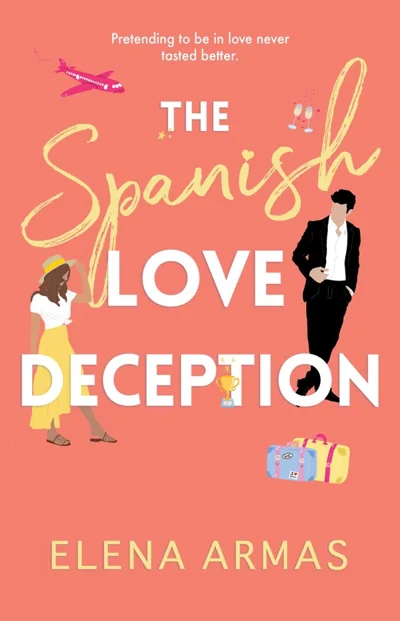
A wedding in Spain turns an unwelcome colleague into Catalina’s possible solution to a family problem. She needs someone to pose as her boyfriend, and Aaron is the person she least wants to ask. Choose it for perceived hostility, fake dating and time together; sustained mutual hatred is a less secure expectation.
What puts them at odds: Publisher synopsis gives her intense dislike. Official excerpt describes reciprocal spite and criticism, but framed through Catalina's perspective; do not assert Aaron genuinely hates her.
Before choosing: No numerical age or minimum-reader rating stated. The Love Deception Series #1 explicitly stated. Past relationship/family pressure evident. Precise heat and comprehensive warnings unverified.
Premise checked against the named author or publisher source on October 6, 2026; its address and evidence are retained in our research record.
The The Spanish Love Deception review explains A qualified choice for a patient fake-dating romance and a reserved hero’s reassurance. The workplace hostility is largely perceived, and the long preparation leaves less Spain and family time than the premise may suggest. It also offers content notes and three comparisons to help you choose.
Look here for antagonism that survives more than one sharp conversation. Two surgeons who clash at work are sent to conflict-resolution counseling, putting their irritation under direct scrutiny. This is an open-door adult choice for readers interested in abrasive personalities and forced cooperation, with the author’s book-specific content notes worth checking.
What puts them at odds: Material workplace conflict and mandatory intervention support genuine antagonism beyond flirtatious banter.
Before choosing: Adult-market sexual romance; no numerical minimum-reader rating verified. Vital Signs #2 explicitly stated; standalone readability not verified. Open-door sexual content confirmed by author's general warning. Book-specific list: chronic illness, absent/negligent parents, toxic/narcissistic family system, history of disordered eating. Warnings are not exhaustive.
Premise checked against the named author or publisher source on October 6, 2026; its address and evidence are retained in our research record.
The The Worst Guy review explains A conditional recommendation for explicit enemies-with-benefits chemistry, older leads and eventual emotional vulnerability. Prolonged hostility, uneven pacing and disputed hospital mechanics may frustrate readers who need earlier tenderness or convincing medical detail. It also offers content notes and three comparisons to help you choose.
A summer road trip becomes uncomfortable when the man funding the trip already disapproves of the heroine. Their dislike follows them into close quarters, giving the romance a concrete barrier beyond casual teasing. Choose it for road-trip pressure and personal resentment; the author identifies it as a standalone new-adult story.
What puts them at odds: Bram openly treats Aspen as unworthy of his sister; class contempt supplies concrete hostility rather than a playful rivalry.
Before choosing: New adult explicitly stated, not YA; exact ages/minimum-reader rating not verified. Author places it among standalone romances. Author calls it sizzling-hot; exact door level and full warning list not verified. Class-based insults and secrets evident.
Premise checked against the named author or publisher source on October 6, 2026; its address and evidence are retained in our research record.
The Going Nowhere Fast review explains Recommended conditionally for road-trip tension, explicit chemistry and an emotionally forceful reconciliation. Class judgment, hurtful remarks and a wealthy-rescuer fantasy may undermine the payoff for readers who need more credible or evenly distributed repair. It also offers content notes and three comparisons to help you choose.
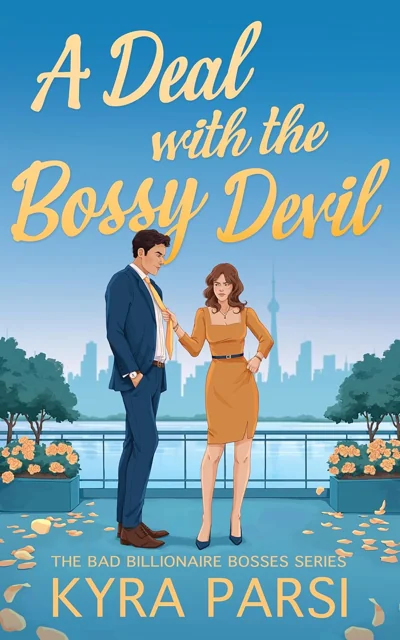
Choose this for a billionaire romance where the grudge has a concrete price. Ria's public stunt costs Adrien a major deal, and his retaliation puts them in constant contact. The appeal is watching her push back as their arrangement develops into a fake relationship and increasingly difficult attraction.
What puts them at odds: Adrien seeks revenge after Ria's public stunt ruins an investment deal; their arrangement makes her answer to him.
Before choosing: Numeric age recommendation not supplied. Bad Billionaire Bosses, book 1; standalone claim not verified. Author lists explicit language, alcohol, on-page sex, drug-use references, off-page parental death, stalking references, and light BDSM/dom-sub-brat dynamics.
Premise checked against the named author or publisher source on October 6, 2026; its address and evidence are retained in our research record.
The A Deal with the Bossy Devil review explains A conditional pick for exaggerated comic revenge, fake engagement and explicit tension. The limited checked criticism raises meaningful concerns about apologies, power and a late emotional turn; treat the absurd premise as part of the bargain, not realistic courtship. It also offers content notes and three comparisons to help you choose.
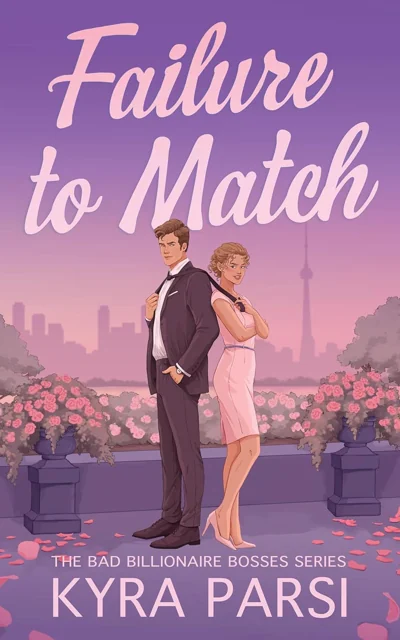
Try this when you want forced proximity with a professional reason for the heroine's anger. Jamie cannot match her difficult billionaire client, and her career is at risk. Becoming his live-in dating coach forces the pair to confront each other, with discovery gradually changing hostility into attraction.
What puts them at odds: Jamie resents Jackson after eight months of thwarted matchmaking endanger her job; deception leads to thirty days together.
Before choosing: Numeric age recommendation not supplied. Bad Billionaire Bosses, book 2; standalone claim not verified. Author lists explicit language, alcohol, on-page sex, off-page childhood physical/emotional abuse references, and light BDSM.
Premise checked against the named author or publisher source on October 6, 2026; its address and evidence are retained in our research record.
The Failure to Match review explains A lively but qualified choice for billionaire rom-com excess, forced proximity and a hero who softens. Less reliable for readers who need gradual emotional change or believable professional boundaries. It also offers content notes and three comparisons to help you choose.
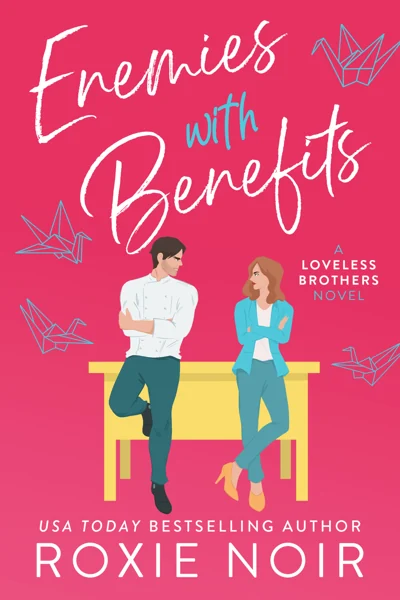
Pick this for a small-town workplace romance that moves into sex before either lead agrees to affection. Violet and Eli bring years of childhood arguments into their reunion at a wedding venue, where a bonus gives them something new to fight over. It suits readers who want high heat and comparatively little angst.
What puts them at odds: Eli and Violet spent childhood arguing and fighting; she was relieved when he left. His return renews irritation and adds competition for a workplace bonus.
Before choosing: Numeric age recommendation not supplied. Loveless Brothers, book 1; author explicitly says it can be read as a standalone. Author explicitly describes high heat and sex. A comprehensive warning list was not verified.
Premise checked against the named author or publisher source on October 6, 2026; its address and evidence are retained in our research record.
The Enemies With Benefits review explains A strong option for competitive chemistry, sex before commitment and affectionate sibling comedy. The heroine’s sharper behavior is a material caveat for readers who need consistently kind romantic sparring. It also offers content notes and three comparisons to help you choose.
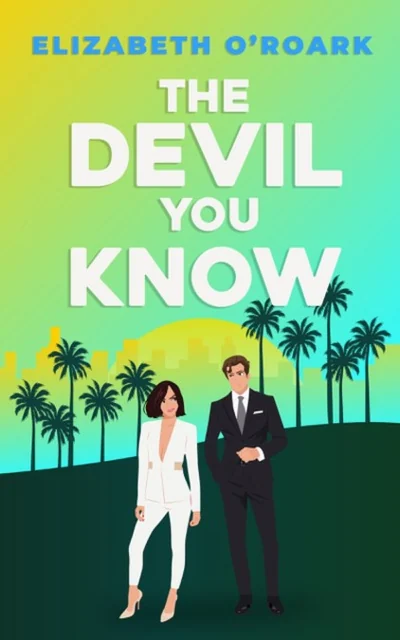
Reach for this if you like workplace hostility with an ethical edge. Gemma's dislike of Ben includes what she believes about his clients and conduct, so their friction extends beyond ambition. A potentially career-changing legal case makes avoidance impossible, giving the romance evenings and weekends of reluctant collaboration to work with.
What puts them at odds: Gemma sees Ben as a client-stealing colleague associated with evicting homeless women; she avoids him until a major legal case requires close work.
Before choosing: Publisher explicitly classifies Adult; no numeric threshold supplied. The Grumpy Devils, book 3, verified on author site. Strict standalone claim not verified. Publisher markets spice and sexual tension. Comprehensive warning list and exact heat scale not verified.
Premise checked against the named author or publisher source on October 6, 2026; its address and evidence are retained in our research record.
The The Devil You Know review explains Worth considering for legal-office pressure, a heroine defending women and emotionally charged hostility. The hero’s obsessive behavior divides critical accounts and may outweigh the chemistry for boundary-conscious readers. It also offers content notes and three comparisons to help you choose.
Choose this for a romance shaped by place and family obligations. Calla comes to Alaska to reconnect with her ill father, while Jonah assumes she cannot handle life there. Their antagonism becomes a bond, but attraction does not erase the practical question of where they could build a shared future.
What puts them at odds: Jonah dismisses Calla as too pampered for Alaska; she tries to prove him wrong. Publisher reading guide confirms he hides her beauty products.
Before choosing: Calla is explicitly twenty-six; reader age threshold not verified. Opening title of The Simple Wild series. Author bundle lists The Simple Wild, Wild at Heart, Forever Wild, Running Wild. Wild at Heart explicitly continues Calla and Jonah's story. Publisher synopsis confirms terminal paternal illness and estrangement; reading guide confirms plane crash. Heat level and comprehensive warnings not verified.
Premise checked against the named author or publisher source on October 6, 2026; its address and evidence are retained in our research record.
The The Simple Wild review explains A worthwhile choice for Alaska atmosphere, forgiveness and an antagonistic beginning that becomes connection. Early judgment about the heroine and a family-heavy story may frustrate readers seeking an uncomplicated romantic escape. It also offers content notes and three comparisons to help you choose.
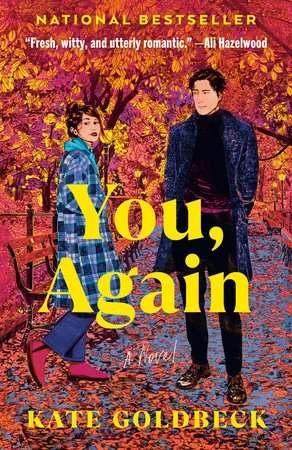
Try this for an enemies-to-lovers arc that gives friendship time to matter. Casual-dating comedian Ari and marriage-minded Josh clash immediately, then reconnect after painful breakups. Their shared routines make room for trust before romance crosses the line, appealing to readers who want changing intimacy rather than one explosive reconciliation.
What puts them at odds: Ari and Josh immediately dislike each other, disagree about intimacy, and discover they are sleeping with the same woman; later heartbreak enables friendship.
Before choosing: No explicit numeric reader age threshold verified. No narrative-series order established. Publisher's Dial Delights grouping contains unrelated authors and must not be treated as sequel order. Publisher synopsis includes sexual relationships and breakups; excerpt includes profanity. Exact heat level and comprehensive warning list not verified.
Premise checked against the named author or publisher source on October 6, 2026; its address and evidence are retained in our research record.
The You, Again review explains A good prospect for readers who enjoy prickly adults finding companionship after disappointment. Its friendship and emotional candor have stronger support than a promise of universally appealing humor or consistently lovable leads. It also offers content notes and three comparisons to help you choose.
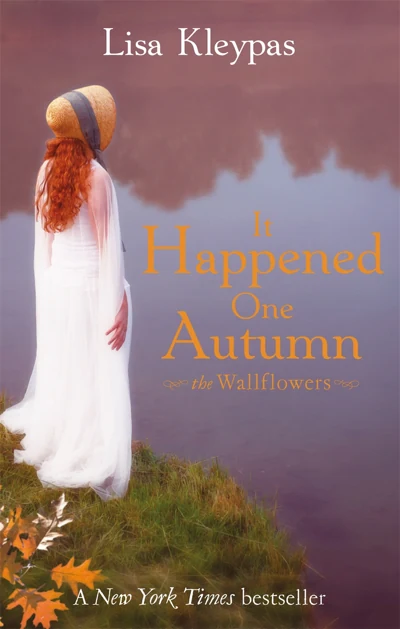
Choose this for a historical romance built around clashing manners and mutual irritation. Lillian Bowman’s independence offends the exacting Lord Westcliff, while his disapproval gives her little reason to like him. Their attraction complicates that dislike, making this a useful pick when you want personal friction and questions of social suitability rather than opposing armies.
What puts them at odds: Personal antagonism rather than professional rivalry: Marcus condemns Lillian's independent American manners; Lillian finds him snobbish and dislikes him. Lighter enemies-to-lovers, not mortal enemies.
Before choosing: No primary-source HEA statement checked.
Premise checked against the named author or publisher source on October 6, 2026; its address and evidence are retained in our research record.
The It Happened One Autumn review explains Potentially appealing for readers who enjoy Wallflowers friendships, an irreverent heiress and a reserved aristocrat losing his composure. The edition-sensitive consent concerns are substantial enough to check before choosing it. It also offers content notes and three comparisons to help you choose.
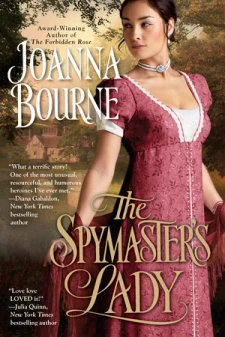
For readers who want the enemy label to carry real consequences, Annique and Grey serve opposing interests, and his assignment is to capture her secrets for England. A shared prison forces cooperation without erasing that threat. Pick it for capable spies, an uneasy escape alliance, and attraction complicated by duties neither can simply set aside.
What puts them at odds: Strong actual enemies: British spymaster Grey's mission is to capture French spy Annique and her secrets for England. Imprisonment forces a temporary alliance between opposing agents.
Before choosing: No primary-source HEA statement checked.
Premise checked against the named author or publisher source on October 6, 2026; its address and evidence are retained in our research record.
The The Spymaster's Lady review explains A qualified recommendation for spycraft, distinctive dialogue and lovers with conflicting loyalties. The strongest reservation concerns whether Annique’s actions sustain her reputation for competence and whether Grey’s control leaves enough room for equal romantic choice. It also offers content notes and three comparisons to help you choose.
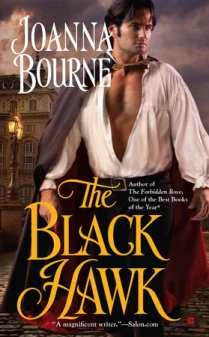
Pick this when you want enemies-to-lovers tangled with a second chance. After an assassin wounds Justine, she turns to Adrian, the man bound up with both her love and her hatred. Their reunion asks whether old intimacy can survive damaged trust while a shared threat gives them an urgent reason to work together.
What puts them at odds: Enemies and former lovers rather than a first-meeting conversion. Publisher identifies Justine as French agent and Adrian as a man she both loved and hated; Hachette calls him oldest friend and oldest enemy.
Before choosing: Do not present this as strangers becoming lovers. No primary-source HEA statement checked.
Premise checked against the named author or publisher source on October 6, 2026; its address and evidence are retained in our research record.
The The Black Hawk review explains A strong prospect for readers who want skilled spies with a long, painful history rather than a quick thaw after a misunderstanding. The nonlinear structure is central to both its depth and its most persuasive criticism. It also offers content notes and three comparisons to help you choose.
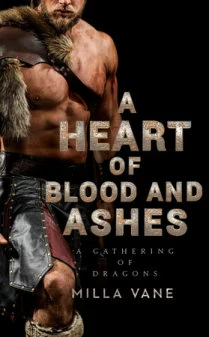
This is a choice for readers who want hostility rooted in grief and a dangerous accusation. Maddek believes Yvenne helped cause his parents’ deaths; the woman he captures offers a political marriage and a shared target instead. Expect the appeal to come from watching that vengeful certainty meet a heroine whose strongest weapons are intelligence and resolve.
What puts them at odds: Strong actual enemies at outset: Maddek believes Yvenne lured his parents to their murders, captures her, and wants vengeance; she proposes marriage toward shared revenge against her father.
Before choosing: Do not collapse series-wide warnings into book-specific certainty.
Premise checked against the named author or publisher source on October 6, 2026; its address and evidence are retained in our research record.
The A Heart of Blood and Ashes review explains An ambitious, sexually explicit fantasy romance for readers willing to work through violence, political detail and prolonged distrust. Yvenne’s intelligence is a strong draw; whether Maddek earns the relationship is the central point of disagreement. It also offers content notes and three comparisons to help you choose.
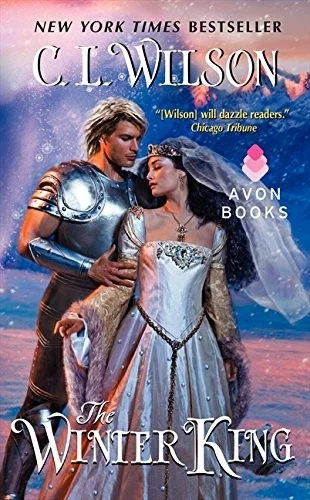
Choose this for a marriage shaped by war and revenge rather than simple banter. Wynter takes a princess from the enemy kingdom as part of his vengeance, while Khamsin finds unexpected freedom in the match. The emotional draw is her hope for love inside a political arrangement, with dangerous magic and betrayal testing their growing connection.
Before choosing: Qualify as enemy-kingdom arranged marriage; do not claim both leads initially hate each other, numerical heat rating, or guaranteed standalone HEA.
Premise checked against the named author or publisher source on October 6, 2026; its address and evidence are retained in our research record.
The The Winter King review explains A conditional recommendation for expansive weather-magic fantasy and a storm-powered heroine. The marriage begins under coercion, and familiar mistrust and reconciliation may feel less persuasive than the surrounding adventure. It also offers content notes and three comparisons to help you choose.
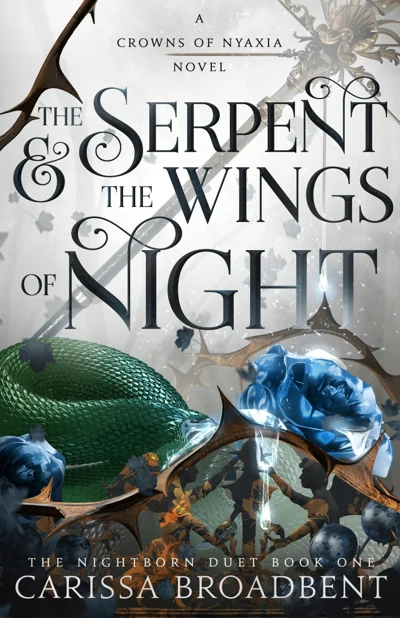
Pick this for a dangerous alliance between tournament competitors, with a political enemy connection adding pressure to their attraction. Human Oraya must survive among vampire warriors, and Raihn threatens both her chances and her father’s crown. It suits readers who want romance threaded through survival and divided loyalties, provided they are ready to continue beyond the first book.
What puts them at odds: Rivals with political enemy connection: Oraya and Raihn compete in a deadly tournament; Raihn is an enemy of her father's crown. Source supports dangerous distrust, not a clean mutual hatred premise.
Before choosing: Clearly mark series entry and distinguish rivalry/political enmity from mutual initial hatred.
Premise checked against the named author or publisher source on October 6, 2026; its address and evidence are retained in our research record.
The The Serpent and the Wings of Night review explains Recommended conditionally for vampire politics, lethal competition and a heroine learning whom to trust. The romance’s development divides checked critics, and the reported cliffhanger makes this a commitment to a continuing story. It also offers content notes and three comparisons to help you choose.
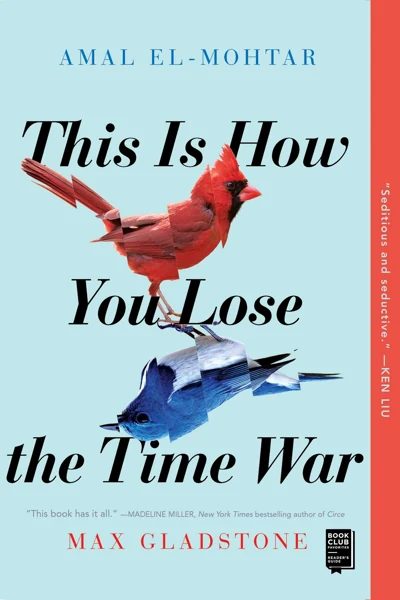
Choose this if you want the enemy divide to reach beyond personal dislike. Red and Blue serve futures that cannot coexist, yet their taunting letters gradually become a private language. The pleasure is in watching intimacy travel through increasingly inventive messages. Its lyrical, time-bending form suits readers happy to work for the emotional payoff.
What puts them at odds: Red and Blue are operatives for opposing factions whose preferred futures cannot coexist. Battlefield taunts begin their correspondence; their relationship risks execution as betrayal.
Before choosing: Short, self-contained science-fiction novella. Violence and battlefield death are visible in publisher excerpt. This does not establish conventional contemporary-romance structure or specify sexual heat without another source.
Premise checked against the named author or publisher source on October 6, 2026; its address and evidence are retained in our research record.
The This Is How You Lose the Time War review explains Recommended for readers who enjoy intimacy built through language, imaginative correspondence and a compact speculative love story. Less suitable if you need transparent time-travel rules, conventional dates or a fully explained war before investing in the lovers. It also offers content notes and three comparisons to help you choose.
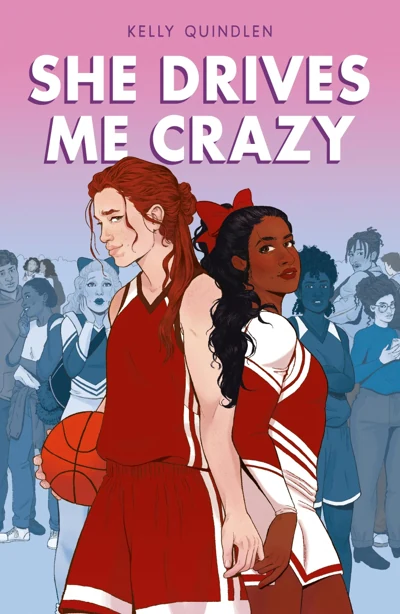
Scottie and Irene begin with everyday school hostility, which makes this a gentler entry into the trope. A fender bender forces them into the same car; fake dating gives them another reason to stay close. Try it when you want romantic tension built through awkward proximity, teenage pride, and the complications of getting over an ex.
What puts them at odds: Scottie considers cheerleading captain Irene her mean nemesis and avoids her. A car collision forces a daily carpool before Scottie proposes fake dating to provoke her toxic ex.
Before choosing: YA, publisher age 12+, Scottie 17. Toxic past relationship and revenge-based fake dating are explicit in blurb. No adult spice claim. No series dependence stated.
Premise checked against the named author or publisher source on October 6, 2026; its address and evidence are retained in our research record.
The She Drives Me Crazy review explains Recommended for a sapphic YA rom-com that combines familiar fake dating with recovery from a hurtful relationship. Scottie’s early conduct can be a barrier; the stronger case lies in character growth, support networks and the changing quality of the banter. It also offers content notes and three comparisons to help you choose.
Captive Prince begins a trilogy with Damen enslaved in Laurent’s enemy court, hiding an identity that would give his captor a personal reason for hatred. Choose it for dangerous political manoeuvring and a relationship developed across the series. It is a trilogy-context comparison, not a promise of a fulfilled romance in book one.
What puts them at odds: Damen is enslaved and sent to Laurent, prince of an enemy nation. Laurent is his master, and Damen must hide an identity that would give Laurent an especially personal reason to hate him.
Before choosing: The existing review preserves Metaphors and Moonlight’s explicit report of no romance in the first volume. Enslavement and coercive power are central; sexual violence must not be treated as romantic heat. Check the full content discussion and trilogy reading order. No first-volume happy-ending or complete-romance guarantee is made.
Premise checked against the named author or publisher source on October 6, 2026; its address and evidence are retained in our research record.
The Captive Prince review explains Consider it for dangerous court strategy and a long series commitment. Pass if you want romantic fulfillment within this volume, or if enslavement and sexual assault are boundaries you prefer not to cross. It also offers content notes and three comparisons to help you choose.
Devon turns to Maddox after violence at home leaves him with nowhere safer to go, so their change begins with practical care rather than a clever argument. Their motocross rivalry sits inside broader, openly hostile lives. Pick this for an explicit adult romance where vulnerability interrupts antagonism, and plan to continue their relationship in Lot 62.
What puts them at odds: Devon and Maddox compete in motocross, work, and everyday life, but publisher also describes hatred and hostility. Devon seeks shelter on Maddox's doorstep after his father's violence.
Before choosing: From Nothing book 1; publisher requires reading/listening in order. Lot 62 continues this couple's relationship; book 3 follows another couple. Explicit sex, foul language, parental physical abuse and poverty supported. No standalone-HEA promise.
Premise checked against the named author or publisher source on October 6, 2026; its address and evidence are retained in our research record.
The Garron Park review explains A conditional recommendation for rough attraction, care under pressure and financially precarious lives. The sports plot is comparatively limited, and repetitive hostility may weaken the emotional development for some readers. It also offers content notes and three comparisons to help you choose.
Nathaniel wants to expose Justin’s fraudulent séances; Justin has every reason to resent the man threatening his livelihood. That ethical conflict gives their attraction something harder to solve than bruised pride. Choose it for a Victorian romance in which desire arrives before agreement, with a suspense plot that makes trusting the wrong person particularly dangerous.
What puts them at odds: Journalist Nathaniel Roy intends to expose and ruin fraudulent spiritualist Justin Lazarus; Justin sees Nathaniel as a hostile challenger. Conflict involves ethical opposition and threatened livelihood, not merely competition.
Before choosing: Sins of the Cities book 2. Each romance stands alone, but overarching suspense reaches climax in book 3; author recommends order. Author warns past abuse, bereavement, depression, attempted suicide, murder/violence, kidnapping and ableism. Adult sexual content supported by author-hosted review discussion.
Premise checked against the named author or publisher source on October 6, 2026; its address and evidence are retained in our research record.
The An Unnatural Vice review explains Recommended for morally complicated enemies, sharp dialogue and suspense tied to a developing relationship. Justin’s behavior can make him difficult to root for, and the larger mystery requires the rest of the trilogy. It also offers content notes and three comparisons to help you choose.
Logan and Rosemary have a broken friendship behind their present-day hostility, so every argument carries old hurt. Their shared mentor’s final road-trip wish puts them back in close quarters. Choose this when you want a romance about repairing a bond as well as finding desire, with humour alongside substantial grief and an explicitly hopeful romantic destination.
What puts them at odds: Logan and Rosemary became bitter rivals after a childhood incident and did not speak for ten years after graduation. As adult colleagues they actively avoid one another. Publisher editor explicitly labels friends-turned-enemies-to-lovers.
Before choosing: Both leads in their thirties; no series dependency stated. Author-confirmed on-page cancer death of a main character, grief, anxiety/ADHD, hospitals, alcohol/cannabis, on-page sex and vulgar language; references to AIDS losses, past disordered eating and challenged bigotry. The cancer death concerns their shared mentor, so do not imply the central romance has a tragic ending.
Premise checked against the named author or publisher source on October 6, 2026; its address and evidence are retained in our research record.
The Here We Go Again review explains Recommended for former friends repairing old hurt while confronting mortality. The strongest appeal lies in character growth and mentorship; readers wanting an uncomplicated holiday romcom or a surprising plot should adjust expectations. It also offers content notes and three comparisons to help you choose.
Contemporary rivalry and changing first impressions
The contemporary enemies-to-lovers collection compares twelve reviewed romances through professional competition, comic bargains, mistaken impressions and damaged friendship. Each card explains the particular opposition and the reservations worth checking, so you can distinguish mutual rivalry from a gentler reassessment.
Two choices to settle before picking a book
Can I choose genuine enemies rather than playful banter?
Read the conflict note on each entry and the review's reservations. Look for what each person stands to lose and what must change. A hostile exchange alone does not prove sustained opposition.
Does more intense conflict mean more explicit sex?
No. Conflict, sexual content and the pace of commitment answer different questions. We do not assign heat from an enemies label or assume every resolution is equally satisfying.
Hockey Enemies to Lovers: Rival Teams, Private Attraction
Compare enemies-to-lovers fantasy through political marriage, hidden loyalties and magical power, with two reviewed starters and clear series and consent distinctions.
Enemies-to-Lovers Paranormal Romance: Enemy Communities and Personal Trust
Separate supernatural community hostility from personal enemies in paranormal romance, with Bride as a reviewed example and a clearly labeled adjacent vampire fantasy.
Sapphic Enemies-to-Lovers Romance: New Attraction and Old Resentment
Compare sapphic enemies-to-lovers through YA fake dating and an adult former-friend road trip, with two reviewed starters and clear grief and audience guidance.
MM Enemies-to-Lovers Romance: Competition, Exposure and Uneasy Care
Compare MM enemies-to-lovers through motocross rivalry and Victorian ethical conflict, with two reviewed starters, authentic covers and series guidance.
Historical Enemies to Lovers: Rival Duties and Earned Trust
Separate sporting rivalry from personal hostility, with Heated Rivalry as an existing reviewed hockey starter and guidance on public competition and private attachment.
College Enemies to Lovers: Rival Loyalties and Changing Judgments
Choose college enemies-to-lovers romance by academic competition, school loyalties and the depth of the hostility, with The Risk as an existing reviewed starter.
Small-Town Enemies to Lovers: Local History and Outsider Friction
Choose small-town enemies-to-lovers romance by the source of the disagreement and the role of community, with The Simple Wild as a reviewed outsider-versus-local example.
YA Enemies to Lovers: School Conflict, Fantasy Stakes and Reader Fit
Compare YA enemies-to-lovers romance by the source of hostility, the role of romance and series commitment, with two existing reviewed sapphic starters.
Dark Enemies-to-Lovers Romance: Hostility, Harm and the Work of Trust
Dark enemies-to-lovers romance asks more of a relationship change than an exchange of sharp remarks. The hostility may involve betrayal, coercion or actions that cause lasting harm. Readers choosing this combination need to know what the characters have d
Mafia Enemies to Lovers: Hostility, Harm and Changing Loyalties
Mafia enemies to lovers can involve rival organizations, personal betrayal or a marriage that one lead actively resists. These are different kinds of opposition. A shared criminal world does not make two people enemies, and sharp dialogue alone does not establish a serious conflict between them.
Enemies to Lovers with a Happy Ending: Outcome and Emotional Repair
Enemies to Lovers with a Happy Ending: compare book-specific hea, series-wide promise and hopeful continuation with a reviewed starter and explicit evidence limits.
Enemies to Lovers and Arranged Marriage: An Alliance Before Trust
Enemies to Lovers and Arranged Marriage: compare family arrangement, conquest settlement and couple-negotiated bargain with a reviewed starter and explicit evidence limits.
Enemies-to-Lovers Banter: Wit, Rivalry and the Line Between Them
Enemies-to-Lovers Banter: compare competitive sparring, flirtation by teasing and misread hostility with a reviewed starter and explicit evidence limits.
Vampire Enemies-to-Lovers Romance: Rivalry, Hunger and Uneasy Alliances
Vampire enemies-to-lovers romance can put the leads on opposite sides of a political conflict, a dangerous contest or a supernatural divide. A vampire’s presence alone does not establish the trope. Look for the reason these particular people distrust or oppose each other, then decide whether you want their romance to grow through cooperation or confrontation.
Cowboy Enemies-to-Lovers Romance: Ranch Work and Reluctant Respect
Cowboy enemies-to-lovers romance often brings a long-running personal disagreement into the routines of a ranch or rural community. The useful question is how the hostility affects actual work and relationships. A cowboy hat, a grumpy rancher or a small-town setting does not by itself establish that the romantic leads are enemies.
Choosing spicy enemies to lovers
Sexual attraction can appear while the leads still disagree. If you want spicy enemies to lovers, specify whether you want desire before trust, intimacy after a change of heart or an ongoing combative dynamic. A premise involving rivalry does not establish explicit scenes, and an explicit scene does not establish that the original conflict has been repaired.
Choose a content description that answers your actual request: on-page detail, frequency and timing are separate questions. This hub does not convert unknown heat into a spicy classification. Its examples remain starting points for the relationship dynamic unless their individual evidence positively supports the intimacy boundary.
Sources and verification limits · checked 9 October 2026
Editorial decision guidance; no new book heat or subscription classifications. KU status remains UNKNOWN without a current edition-specific positive check. Closed-door definition keeps intimacy separate from other content boundaries.
Hostility can create strong romantic tension without on-page sex. For no-spice enemies to lovers, seek a positive intimacy description alongside the evidence for the opposition. Check bullying, humiliation and threatening conduct separately if those are limits; closed-door content does not tell you how the leads treat each other.
Sources and verification limits · checked 9 October 2026
Editorial decision guidance; no new book heat or subscription classifications. KU status remains UNKNOWN without a current edition-specific positive check. Closed-door definition keeps intimacy separate from other content boundaries.
After confirming access, check what makes the leads opponents. A catalogue keyword may group playful rivals with serious enemies; the synopsis should establish the conflict you want.
Search the exact title and author, select the Kindle edition in your own Amazon marketplace, and look for current Kindle Unlimited eligibility before borrowing. Keep a check date and edition identity with any saved availability note. Amazon warns that the catalogue can change. A search result, older list or purchase button alone does not prove current subscription access; unknown access does not mean unavailable.
Sources and verification limits · checked 9 October 2026
Editorial decision guidance; no new book heat or subscription classifications. KU status remains UNKNOWN without a current edition-specific positive check. Closed-door definition keeps intimacy separate from other content boundaries.
The most useful next question after “enemies-to-lovers” is what each person is trying to accomplish. Competing for one prize, working for an opposing institution and believing a family grievance are not the same situation. Neither are disliking someone’s manners and being assigned to obtain evidence against them. Choose the obstacle you want to watch change, not just the severity of the opening insults.
Three changes that can make the relationship move
A change in information can reveal that the apparent enemy was never responsible for the original wrong. A change in conduct asks someone to act differently after real harm. A change in allegiance means a lead must reconsider a goal, employer or institution. These mechanisms can overlap, but they offer different pleasures and demand different amounts of repair. Attraction does not substitute for any of them.
That distinction becomes especially useful in Gothic-inflected opposition, where a threatening house can make danger seem obvious before the relationship evidence is clear. The guide contrasts comic property opposition and a coerced spy/target bargain, then labels rivalry and forbidden attraction as comparisons. It does not present four books as identical examples or replace the broader lists already available on this page.
Set the threshold before choosing the book
If you want a playful reversal, a practical disagreement can be enough. If you want genuine enemies, ask whether their goals conflict beyond their personalities. If you want a repair arc, check the nature of the harm and what the story asks the injured person to accept. Those are preferences, not a ranking in which greater cruelty automatically makes a stronger romance.
Power and freedom of choice need their own check. A spy trying to escape enslavement cannot be understood as merely another confident professional with a competing assignment. A professor/student attraction can be forbidden without either lover actively opposing the other. The labels help you describe a reading request; they do not excuse a power imbalance or establish that consent concerns are absent.
Keep the ending requirement separate too. A political enemy can become a useful ally before the story has resolved either the relationship or the larger conflict. Use the ending decision hub when an unfinished installment would make the book the wrong choice, and the rivals guide when competition is the part you actually want.
Comic property claims, a dangerous spying bargain, tournament allies and forbidden campus attraction are different promises. Choose the kind of change in trust you want.
Fictional adultFM editorial artwork, not actual characters or a book jacket.
Choose the reason for hostility and whose mind has to change
Dislike can begin with an actual harmful purpose, a personal grievance, an inherited conflict or a mistaken reading of another person. Those routes create different expectations about trust and accountability. The evidence below does not turn one character’s hostility into a promise that both hate each other equally.
Family history places Violet and Xaden on a dangerous footing.
Threat framing does not establish mutual intent to kill; continuing-series limits remain.
What would need to change before trust could grow?
In The Bridge Kingdom, attraction interferes with a mission, not just an irritating first impression. Danielle L. Jensen’s description identifies Lara’s hostile purpose and her changing understanding of the conflict. That gives a reader something specific to follow: whether learning about the other kingdom can alter a decision with consequences beyond the couple. The author’s content guidance remains essential; changed attraction does not automatically settle the coerced-marriage or violence concerns.
Crier’s War makes the prospective partner a target of vengeance. Serpent & Dove puts a concealed identity beside the other lead’s institutional role. Choose the first for a stated revenge intention, and the second for the danger of being discovered by someone taught to hunt people like the heroine. Neither premise supports inventing identical motives for both leads. Their YA and continuing-story scopes also remain separate from any assumption about heat or a fully closed ending.
A grievance can be substantial without a threat to life
Lina’s anger in The Worst Best Man has a named cause. The author’s premise places Max inside the history of her failed wedding while giving them a presentation that could benefit both. That makes it a useful contemporary route for readers who want cooperation to test an existing judgment. It is not a balanced hate campaign simply because the marketing calls the book enemies-to-lovers.
Pride and Prejudice also asks the reader to follow a changing judgment, including a grievance involving someone the heroine cares about. Compare that with the shared promotion in The Hating Game. One concerns understanding character and conduct; the other also puts a finite professional prize in the way. Readers wanting a contest can go directly to the rivals-to-lovers comparison instead of expecting every antagonistic romance to supply a winner.
Keep leverage visible after attraction begins
A Rogue of One’s Own ties a sexual proposal to control of an asset needed for political work. The arrangement therefore asks different questions from hostile banter between colleagues. Fourth Wing adds a dangerous institution and inherited family conflict. A declaration of desire would not, by itself, establish safety, equality or the resolution of the external conflict in either setup.
Use these distinctions to choose the kind of change you want to watch: reassessing a mistaken impression, answering for a grievance, abandoning a hostile purpose or confronting a structure that keeps the leads opposed. The cards retain their original evidence and caution levels. This comparison adds no claim that every relationship has equal blame, an adequate apology or a standalone ending.
Follow the relationship question that matters to you
Researched editorial synthesis using existing assessments, not new firsthand reading. Original scores, coauthors, source dates and qualified boundaries remain intact. Held retailer actions identify unchecked destinations, not unavailable formats. Cover art does not establish stock; feature artwork depicts fictional adults rather than actual book characters.