Mafia Enemies to Lovers: Hostility, Harm and Changing Loyalties
Mafia enemies to lovers can involve rival organizations, personal betrayal or a marriage that one lead actively resists. These are different kinds of opposition. A shared criminal world does not make two people enemies, and sharp dialogue alone does not establish a serious conflict between them.
This guide asks what the hostility is about, who has power and what would need to change before closeness becomes believable. The researched starter has an explicitly hostile marriage premise. It is not a reviewed claim that the novel resolves every harm or delivers a verified romantic ending.
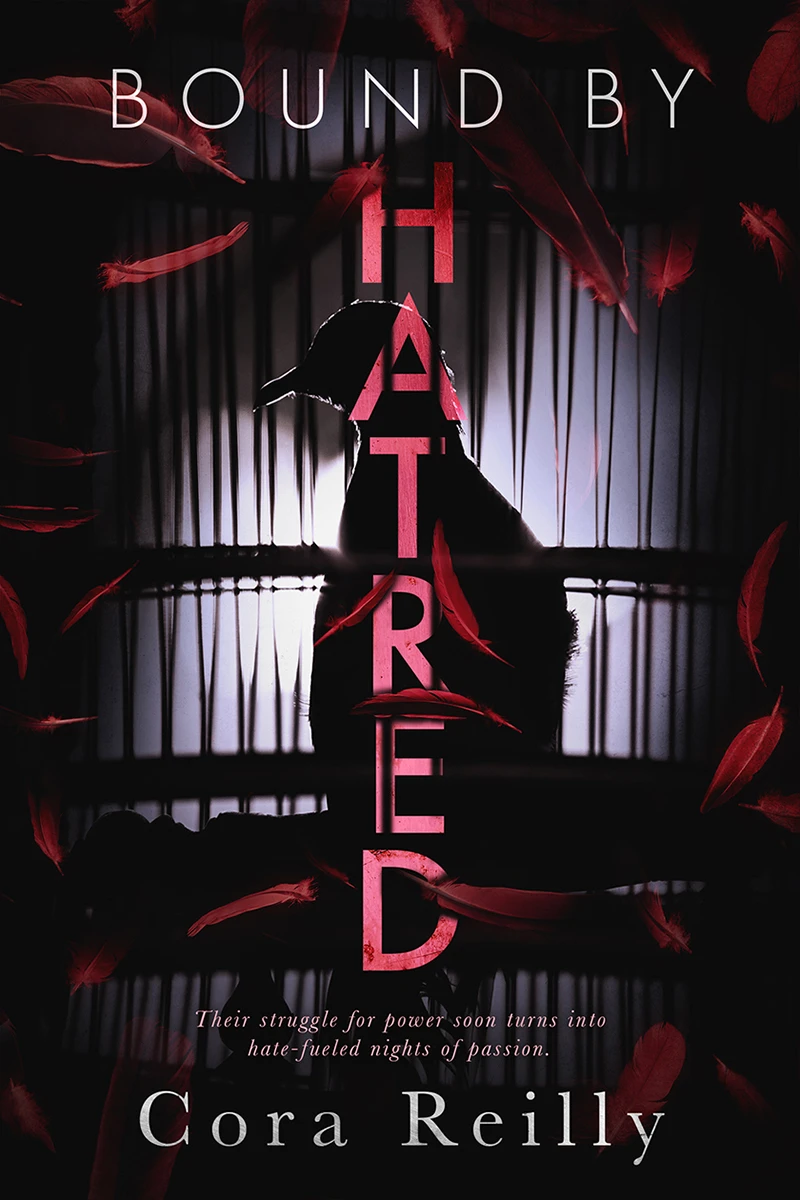
Authentic published cover of one starter selection; not a claim about every book in the guide.
Updated 9 October 2026 · Eikna Editorial Team
Compare what binds the couple
Setup
What drives it
What to check
Rival organizations
Conflict begins outside the couple
Do the leads personally oppose each other?
Hostile marriage
The union itself creates resistance
What makes leaving difficult?
Personal harm
One lead causes serious consequences
Is accountability evidenced or merely hoped for?
Narrow the reading experience
Locate the conflict between the leads
If their families oppose one another but the couple immediately cooperates, the story may be about divided loyalties rather than personal enmity. If one lead pursues, punishes or controls the other, the conflict is more direct. Readers choosing between these setups should identify the actual opposing actions instead of relying on the broad mafia label.
Distinguish banter from consequences
An argument over manners can support playful antagonism. A threat, pursuit or injury changes the stakes because it affects safety and freedom. Both may appear in romance, but they invite different reading expectations. Check what the synopsis reveals about harm, and do not compress serious events into an appealing description of possessiveness.
Ask what relationship repair would require
For some readers, attraction is enough to make a volatile pairing compelling. Others need accountability, changed conduct or meaningful freedom to refuse. Decide which evidence matters to you before choosing. A premise can establish hatred without proving remorse or repair; those later developments require fuller research or a review rather than assumptions from marketing language.
Starting points and their evidence
These are small starter examples, not a completed or ranked recommendation list. Reviewed selections link to existing evidence-based editorial assessments. Other examples are identified as researched premises or pending research leads; they have no new rating or claim of first-hand reading.
Purchases through Amazon, Bookshop.org and Libro.fm links may earn us a commission. As an Amazon Associate, Eikna Romance earns from qualifying purchases, at no extra cost to you.
Bound by Hatred
Cora Reilly
Researched premise · not reviewed or rated
Confirmed premise example
Cora Reilly describes Gianna and Matteo Vitiello’s marriage through hatred and a struggle for power.
Before choosing: Synopsis spoiler: Matteo and her father’s soldiers kill her boyfriend before the forced marriage. This is serious harm, not playful rivalry.
Author or publisher premise source · checked 9 October 2026
Find it on AmazonGet the paperback · checking editionGet the audiobook · checking editionReview pending
Edition buttons become available when the specific format and destination are checked. Amazon opens a title-and-author search; choose your edition there.
Questions that change the reading choice
Are rivals and enemies interchangeable?
No. Rivals can compete for a goal without wanting to hurt each other. Enemies have a stronger opposing relationship, which may involve distrust or direct harm. Identify the source of opposition and its consequences before selecting a reading path; a mafia setting cannot settle that distinction by itself.
Does attraction prove the conflict is resolved?
Attraction can coexist with anger, fear or unequal power. The existence of desire does not establish changed behavior or a safe ability to refuse. This guide keeps those questions separate, so readers can look for the particular relationship development they want instead of receiving an unsupported repair promise.
Can this guide promise a happy ending?
No. The starter is researched from an author synopsis and has not received a new Eikna review. The romantic ending, heat and full warning coverage remain unknown. Its hostile premise is useful for comparison, but a completed recommendation would require additional evidence about the whole reading experience.
An arranged Mafia marriage can bring together people who already oppose each other, but the family arrangement and the personal hostility need separate evidence. The families may consider the match useful while one or both spouses reject it. Alternatively, the leads may welcome each other even though the relationship was planned by someone else.
Look for what the hostility concerns: loss of freedom, a prior harmful act, competing loyalties or a personal disagreement. These create different expectations of repair. An imposed union does not become a light rivalry simply because attraction appears later, and marriage does not establish willingness to participate in every part of the relationship.
The Mafia enemies guide provides the relevant comparison without creating a second list for the same arranged-union premise. Check the initial harm and the source’s description of changing attraction there. The eventual reconciliation, consent pattern and ending require their own evidence; they cannot be inferred from the trope’s name.