MM Forced Proximity Romance: Roommates, Television Work and Repeated Contact
MM forced proximity romance gives two men a practical reason to keep encountering each other when attraction alone would not bring them together. The reason can be shared housing, a job or travel rather than literal confinement. Choose what sustains the contact and how freely each person can step away from it.
Roommate uses rent and a shared house; The Charm Offensive places a dating-show lead and his producer together through television work and a worldwide tour. These two existing reviewed starters compare domestic closeness with professional contact. Neither premise establishes captivity, a single shared bed or an agreement to pursue a real romance.
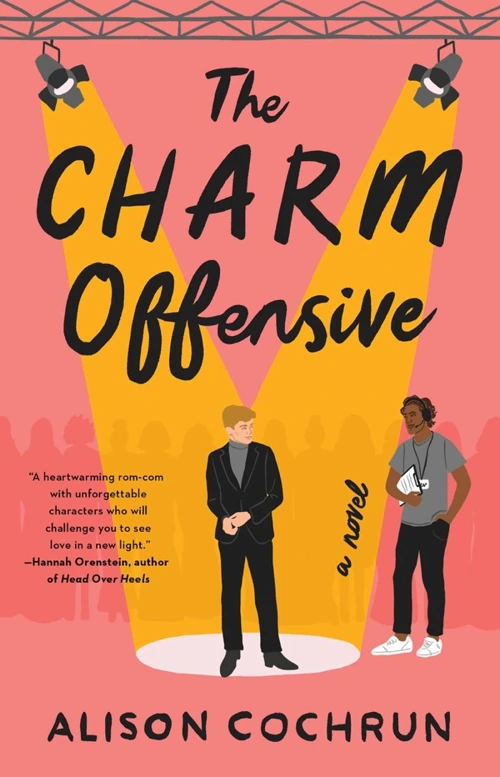
Authentic published cover of one starter selection; not a claim about every book in the guide.
Updated 8 October 2026 · Eikna Editorial Team
Compare the practical setting and relationship dynamic
Setup
What drives it
What to check
Shared house
Rent brings the men into one domestic space
Housing stability and landlord/tenant roles
Television production
A producer works with the show’s romantic lead
Professional responsibility and public presentation
Work-related travel
A tour sustains contact away from home
Repeated company versus literal inability to leave
Private connection
Attraction develops inside another obligation
Consent considered separately from the practical arrangement
Narrow the reading experience
Decide between domestic and professional closeness
A shared home creates encounters around everyday routines, while production work creates contact around another person’s public performance. These settings can appeal for different reasons: domestic familiarity or the friction between a job and private feelings. The primary sources establish the broad mechanisms for these starters, not a scene inventory. Readers interested in cooking, travel or behind-the-scenes detail should use the existing assessments rather than expecting a particular amount of those elements solely from the setting.
Use forced proximity without inventing imprisonment
The trope name can cover situations where avoidance is inconvenient, expensive or professionally difficult. It does not require locked doors or an inability to leave. Roommate’s premise concerns housing; The Charm Offensive’s concerns work and travel. Neither source establishes a captivity plot. Readers seeking physical isolation should look for that specific evidence elsewhere. Naming the actual constraint helps distinguish the appeal of repeated ordinary contact from the very different stakes of survival, coercion or confinement.
Notice what each man risks in the arrangement
Bowen’s description explicitly gives one man a housing need and identifies the other as his landlord. Cochrun’s publisher places a producer beside a show lead trying to improve his public image. Those practical roles matter to the relationship choice even when attraction is mutual. Accepting accommodation or joining a production does not establish consent to romance. The existing assessments remain the place to examine how the particular book handles boundaries, vulnerability and the development of a connection.
Keep the public story separate from private identity
A reality dating show can give a person a public romantic role that differs from the relationship developing behind the scenes. That does not make every production-centred book a fake-dating romance between its central leads. Likewise, a roommate’s outward confidence does not establish the other man’s orientation from a single encounter. Use the author or publisher’s actual premise and the existing review for book-specific identity and mental-health discussion. The MM label here describes the central relationship, not a universal identity or heat profile.
Starting points and their evidence
These are small starter examples, not a completed or ranked recommendation list. Reviewed selections link to existing evidence-based editorial assessments. Other examples are identified as researched premises or pending research leads; they have no new rating or claim of first-hand reading.
Purchases through Amazon, Bookshop.org and Libro.fm links may earn us a commission. As an Amazon Associate, Eikna Romance earns from qualifying purchases, at no extra cost to you.
Roommate
Sarina Bowen
Confirmed premise example
Kieran seeks a roommate to split rent, while Roderick needs a room in town. Their shared housing puts attraction beside secrets and Roderick’s concern about losing his accommodation.
Before choosing: The author identifies a landlord/tenant relationship. Use the existing assessment for the book’s identity, family and relationship pressures; the synopsis does not establish a one-bed scene.
Author or publisher premise source · checked 8 October 2026
Edition buttons become available when the specific format and destination are checked. Amazon opens a title-and-author search; choose your edition there.
The Charm Offensive
Alison Cochrun
Confirmed premise example
Dev produces a reality dating show starring Charlie. His work helping Charlie connect with contestants during a worldwide tour creates repeated contact and an unexpected private attraction.
Before choosing: The publisher establishes professional and travel proximity. Consult the existing review for identity and mental-health discussion; attraction to the producer is distinct from a performed couple agreement.
Author or publisher premise source · checked 8 October 2026
Edition buttons become available when the specific format and destination are checked. Amazon opens a title-and-author search; choose your edition there.
Questions that change the reading choice
Does forced proximity mean sharing one bed?
No. A shared home, workplace or tour can sustain contact without a single-bed scene. This guide does not classify either starter as one-bed romance from its broader proximity premise.
Is The Charm Offensive a fake relationship between the two men?
The publisher establishes attraction between the show’s lead and his producer. It does not describe them agreeing to perform a fake couple in the synopsis used here.
Does a landlord/tenant setup establish romantic consent?
No. An agreement about housing is distinct from a sexual or romantic relationship. Consider the practical dependence and the individual assessment’s treatment of boundaries.