Contemporary Rivals to Lovers: Shared Ambition and Changing Respect
Contemporary rivals-to-lovers romance gives two adults a goal that puts them in competition before intimacy develops. The rivalry might concern a promotion, a creative achievement or another limited opportunity. Look for what each person could win or lose, then decide how much sharp banter, professional tension and changing respect you want. Disliking someone is not enough to establish a competitive relationship.
The Hating Game is the current reviewed starter. Sally Thorne’s official premise establishes Lucy and Joshua’s shared office, continuing one-upmanship and competition for a promotion. That supplies a concrete rivalry. The premise also invites uncertainty about what their apparent hostility means, so this guide distinguishes the job competition from a claim that both partners sincerely hate each other throughout the story.
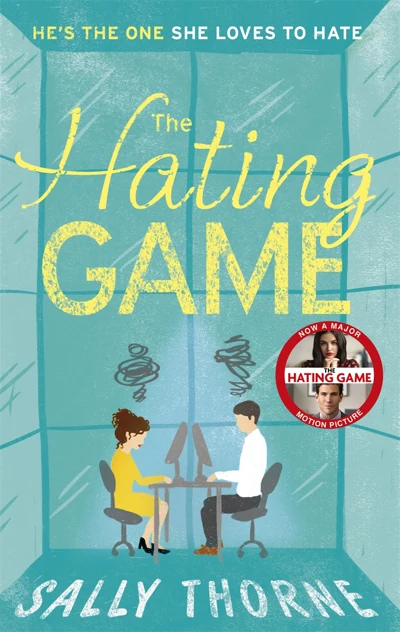
Authentic published cover of one starter selection; not a claim about every book in the guide.
Updated 9 October 2026 · Eikna Editorial Team
Compare the relationship choices
Setup
What drives it
What to check
A limited opportunity
Both adults compete for a concrete goal.
What each stands to gain or lose.
A partial viewpoint
One person interprets the other’s behavior.
What is known and what is assumed.
Emerging respect
Attraction complicates professional choices.
Whether ambition and boundaries receive attention.
Narrow the reading experience
Start with a concrete contested goal
A shared ambition makes rivalry more specific than repeated arguments. It gives readers something to follow beyond whether the next exchange is funny or cruel. Confirm what the opportunity is and whether both partners have a meaningful stake in it. The starter establishes a promotion rather than requiring an invented business rivalry or an unequal boss-and-employee setup at the beginning. That is a useful fit for readers who want a recognizable contest, although it does not settle how convincing the workplace details will feel in practice.
Consider whose interpretation you are reading
A narrated rivalry can be intense even when one partner’s private feelings remain uncertain. A character may read reserve as contempt, competition as personal rejection or flirtation as another attempt to win. Those possibilities should not become claims about hidden motives without evidence. The existing assessment discusses Lucy’s voice and the limits of her perspective alongside praise for comic exchanges. Decide whether you enjoy discovering the other person through that partial view or would rather have both partners’ viewpoints available from the outset.
Ask whether attraction changes the terms of competition
The pleasure of rivals becoming lovers often depends on seeing admiration grow without either person surrendering all ambition. Consider how professional choices, jealousy and respect sit alongside the chemistry. The existing assessment records enjoyment of banter and readability while preserving criticism of jealousy, workplace credibility and a resolution considered too neat. That helps readers choose between a heightened romantic comedy and a more grounded account of colleagues negotiating a future. A kiss can change the relationship without by itself proving that the practical rivalry or all its consequences have been resolved.
Starting points and their evidence
These are small starter examples, not a completed or ranked recommendation list. Reviewed selections link to existing evidence-based editorial assessments. Other examples are identified as researched premises or pending research leads; they have no new rating or claim of first-hand reading.
Purchases through Amazon, Bookshop.org and Libro.fm links may earn us a commission. As an Amazon Associate, Eikna Romance earns from qualifying purchases, at no extra cost to you.
The Hating Game
Sally Thorne
Confirmed premise example
Thorne’s premise confirms Lucy and Joshua competing for a promotion while sharing an office. The concrete job contest supports this guide without requiring a claim of sustained mutual hatred.
Before choosing: Existing criticism praises banter and comic readability while retaining objections to jealousy, workplace credibility and tidy resolution. Sexual material is reported; numerical heat and formal ending classification remain unresolved.
Author or publisher premise source · checked 9 October 2026
Edition buttons become available when the specific format and destination are checked. Check the selected format before buying.
Questions that change the reading choice
Is rivalry the same as mutual hatred?
No. A competition can be real while personal hostility is uncertain or changes over time.
Is the starter a boss-and-employee romance from the beginning?
The checked premise establishes colleagues competing for a promotion. Potential future authority is different from an existing supervisory relationship.
What remains unresolved in the existing assessment?
Sexual material is reported, but numerical heat, formal ending classification and reread scoring remain unresolved. No new ratings are added here.