Sapphic Slow Burn: Gradual Trust, Unequal Feelings and the Wait for Romance
Sapphic slow burn gives a relationship time to change before the couple can name or act on it. The appeal may lie in growing trust, feelings that are not yet mutual, or affection becoming visible through small decisions. The wait should still give you something to follow: a revised impression, a shared confidence or a choice that brings the partners closer. A long book and a late kiss alone do not explain whether you will enjoy the journey.
Breaking Character is the current existing reviewed starter. Ylva establishes a celebrity fake-relationship premise involving Elizabeth Thornton and Summer Hayes; Margrethe’s Love in Panels review specifically describes their late coupling and a decision to postpone physical intimacy. This guide uses that attributed pacing evidence and the existing assessment to help you choose. It is a small starter collection, not a complete sapphic slow-burn list, and no new review or rating is supplied.
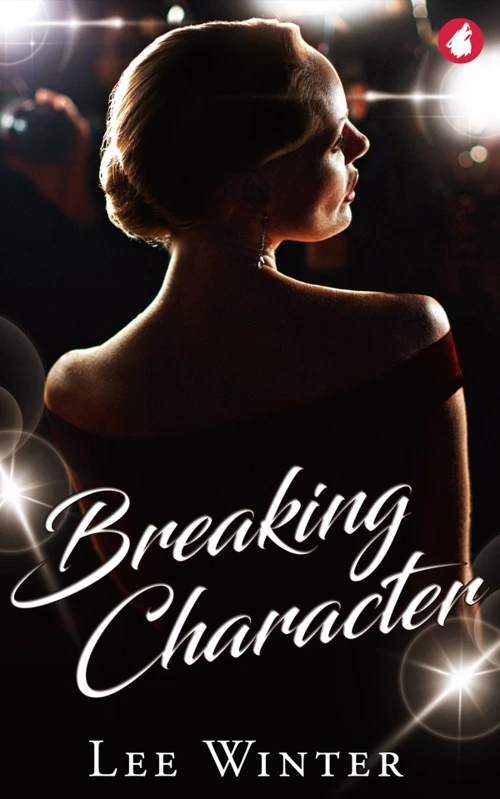
Authentic published cover of one starter selection; not a claim about every book in the guide.
Updated 9 October 2026 · Eikna Editorial Team
Which part of the relationship do you want to develop slowly?
Setup
What drives it
What to check
Trust before romance
The partners become comfortable sharing more of themselves.
Whether their understanding changes during the wait.
Unequal feelings
One person recognizes attraction before the other.
How the story treats vulnerability and reciprocity.
Commitment before physical intimacy
The couple chooses a relationship before acting physically.
Book-specific timing rather than a general slow-burn tag.
Attachment after early intimacy
Physical contact begins before emotional security.
Whether you want delayed feelings or delayed contact.
Narrow the reading experience
Look for movement while the couple waits
Small changes can carry a slow romance: a conversation becomes easier, a guarded person accepts help, or someone stops relying on a first impression. Decide whether you enjoy that attention to interaction or want more decisive plot movement. The important question is what accumulates before the couple gets together. Length, chapter count and the position of a first kiss are different measures. Without a checked scene-level source, they should not become precise promises about your reading experience.
Choose your tolerance for feelings that are not yet returned
A crush can make an ordinary encounter feel significant to one character while the other sees a professional obligation or a temporary arrangement. Some readers enjoy that uncertainty; others prefer mutual awareness even if the couple cannot act. Ylva’s starter premise establishes Summer’s feelings alongside the pretend relationship, but the premise alone cannot prove how convincingly Elizabeth’s feelings change. The existing assessment compares critical responses to their development, helping you choose beyond the setup.
Consider what competes for the couple’s attention
Friends, work and past attachments can make a slow romance feel like part of a larger life. They can also occupy time a reader would rather spend with the pair. In the starter’s existing assessment, Margrethe values the portrayal of a toxic friendship while wanting that influence to recede earlier. This is a specific reader-fit distinction: you may welcome the wider emotional work or prefer a closer focus on the developing couple. A successful slow build for one reader can still feel crowded to another.
Keep relationship pace separate from heat and comfort
A gradual emotional connection can lead to explicit scenes, and an early physical relationship can take a long time to become secure. Slow burn therefore does not establish closed-door content, a low heat level or a gentle tone. Margrethe’s timing report concerns this particular starter; it is not a rule for every sapphic romance. Consult the existing review’s content context and its unknown fields. The guide does not convert patience, delayed intimacy or a positive critical response into a verified ending or a new score.
Starting points and their evidence
These are small starter examples, not a completed or ranked recommendation list. Reviewed selections link to existing evidence-based editorial assessments. Other examples are identified as researched premises or pending research leads; they have no new rating or claim of first-hand reading.
Purchases through Amazon, Bookshop.org and Libro.fm links may earn us a commission. As an Amazon Associate, Eikna Romance earns from qualifying purchases, at no extra cost to you.
Breaking Character
Lee Winter
Slow-burn classification attributed to identified independent criticism
Ylva’s premise brings Elizabeth and Summer into a pretend relationship for a movie opportunity. Margrethe’s Love in Panels review identifies a very gradual real romance, with coupling late in the book and physical intimacy postponed by agreement. The slow-burn inclusion follows that attributed critical account.
Before choosing: Choose this starter if you enjoy a long build shaped by changing trust and another important personal attachment. The existing assessment records praise for the relationship’s progression alongside a desire for more couple time. Numerical heat and formal ending remain unknown.
Identified critical source · checked 9 October 2026
Edition buttons become available when the specific format and destination are checked. Amazon opens a title-and-author search; choose your edition there.
Questions that change the reading choice
Does sapphic slow burn always mean friends to lovers?
No. Friendship is one possible route. The starter uses a pretend relationship between co-stars; the pacing classification describes how the real romance develops rather than replacing its premise trope.
Who identifies the starter as slow burn?
Margrethe’s independent Love in Panels review explicitly describes late coupling and the pair’s decision to wait before sleeping together. Ylva confirms the lesbian celebrity and fake-relationship premise. Those are separate evidence claims.
Does this guide promise a late first kiss or low heat?
No. The cited timing evidence does not establish a chapter-level first-kiss location or a calibrated heat score. The existing record keeps numerical heat unknown. Choose according to the distinction between emotional progress and physical timing.
Is every sapphic slow burn a coming-out story?
No. Sapphic identifies a broad relationship category; it does not specify an identity journey or obstacle. The current starter’s public-persona concerns are book-specific. Other settings and experiences need their own verified examples before this collection can claim broader coverage.