Sapphic Romance Books: Relationship Dynamics, Setting and Reader Fit
Sapphic romance gives relationships between women, and relevant sapphic identities, the center of the romantic story. Readers may arrive looking for a familiar trope, a particular life stage or a world in which the couple’s relationship can grow. The broad sapphic label does not tell you whether a book is a comedy, historical courtship, fantasy adventure or genre romance rather than fiction with a love story.
This guide starts with that reading choice. It separates the central relationship from the surrounding genre and the characters’ individual identities, then compares two reviewed adult contemporary starters. One turns a homecoming and wedding into renewed closeness; the other turns a public misunderstanding into a performed relationship. Both have authentic covers and full assessments that preserve the qualifications behind the short notes.
Thematic romance artwork, not a scene from a listed novel.
Updated 8 October 2026 · Eikna Editorial Team
What do you want around the romance?
Setup
What drives it
What to check
Homecoming and community
Family history brings the leads into a shared place
Community warmth can coexist with unresolved hurt
Celebrity and public image
The relationship has an audience beyond the couple
Check privacy, workplace overlap and career consequences
Historical courtship
Period expectations shape what the leads can express
Setting does not establish one universal queer experience
Fantasy or YA
Adventure or first independence shares space with love
Check audience, romance centrality and series closure separately
Narrow the reading experience
Choose the trope after choosing the life stage
A fake relationship between established actors has different practical stakes from a first relationship at school. A homecoming romance may include parenting, old resentment and obligations that do not disappear when attraction arrives. If those surroundings matter to you, use them to narrow the shelf before choosing enemies, friends or opposites. The pairing is a starting point; the age category, daily lives and source of conflict tell you more about the reading experience.
Relationship configuration and identity need their own evidence
Two women forming the central romantic relationship support an FF classification. That does not establish that both identify as lesbian, nor does an author’s identity automatically establish a character’s. Sapphic is also used more broadly in communities and publishing, including relevant nonbinary identities where directly supported. We avoid guessing. The starters here have source-supported relationships between women, while their complete records preserve the distinctions among pairing, orientation and representation.
A love story is not always a genre-romance promise
A broadly sapphic fiction list may include literary novels, tragedy, mystery and a romance that is only one strand. Those can be good choices when clearly described, but they cannot all be presented as interchangeable romantic comfort. Check whether the relationship drives the book and whether the ending is confirmed. Our starter notes do not infer HEA from marketing, reviews’ enthusiasm or the fact that a book appears on an LGBTQ+ shelf.
Look at how the surrounding ensemble uses the couple’s time
Family and friends can deepen a relationship by showing how the leads behave beyond attraction. They can also take attention away from the romantic arc. Delilah Green’s homecoming includes family reconciliation; Breaking Character’s public performance involves the entertainment industry and career opportunity. The existing reviews discuss these balances and disagreements. Choose the surrounding story you want, rather than assuming every contemporary sapphic romance gives the couple the same amount of uninterrupted space.
Starting points and their evidence
These are small starter examples, not a completed or ranked recommendation list. Reviewed selections link to existing evidence-based editorial assessments. Other examples are identified as researched premises or pending research leads; they have no new rating or claim of first-hand reading.
Purchases through Amazon, Bookshop.org and Libro.fm links may earn us a commission. As an Amazon Associate, Eikna Romance earns from qualifying purchases, at no extra cost to you.
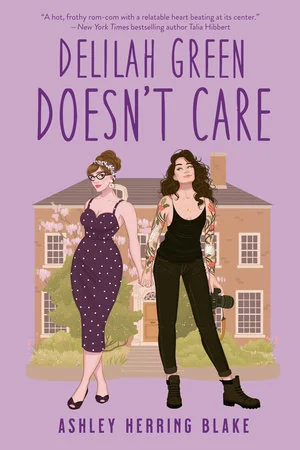
Delilah Green Doesn’t Care
Ashley Herring Blake
Confirmed premise example
Photographer Delilah returns to Bright Falls for a family wedding and is drawn to Claire, a single mother tied to the local friendship circle. Choose this for homecoming, attraction and a wider family story. The existing assessment retains strong praise for character chemistry alongside criticism of broad comedy and late communication conflict.
Before choosing: Bright Falls book one. Sexual scenes are reported in the full review. Family reconciliation and parenting receive substantial attention; the guide adds no new ending or heat score.
Author or publisher premise source · checked 8 October 2026
Edition buttons become available when the specific format and destination are checked. Check the selected format before buying.
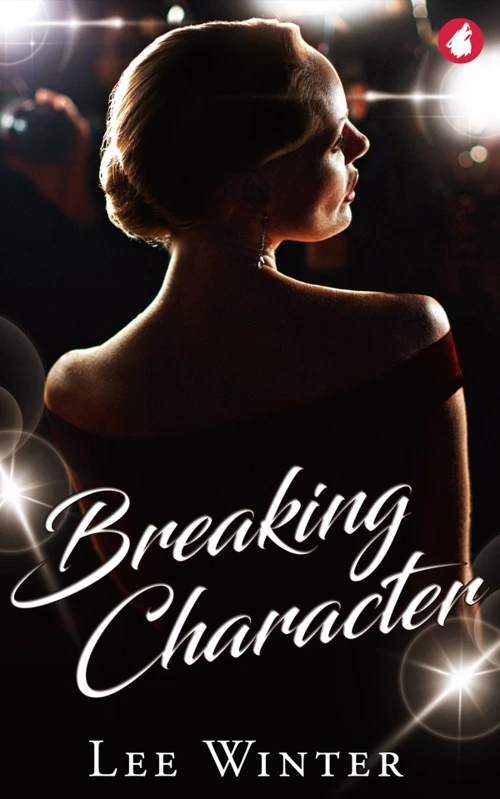
Breaking Character
Lee Winter
Confirmed premise example
Actors Elizabeth and Summer become the subject of romantic gossip, then must navigate an appearance of intimacy tied to a hoped-for film role. The publisher directly establishes the two women and fake-relationship premise. This is the public-image route rather than a small-town homecoming.
Before choosing: The publisher tags age gap, celebrity and fake relationship. Exact character ages and the complete content profile remain separate checks; use the existing review for the reported gradual development and reservations.
Author or publisher premise source · checked 8 October 2026
Edition buttons become available when the specific format and destination are checked. Amazon opens a title-and-author search; choose your edition there.
Questions that change the reading choice
Are sapphic romance and lesbian fiction identical?
No. Lesbian fiction is a broader literary category; sapphic romance focuses on a romantic story and can involve more than one supported identity. Check each book’s scope.
Does this page replace the LGBTQ+ guide?
No. The wider guide routes among identities and relationship configurations. This page makes a more specific reading choice around sapphic romantic stories.
Are these two starters YA?
They are offered as adult contemporary selections. For YA story choices use the separate YA guide, and for a particular teen age use the age-specific page.
Compare sapphic fake relationships through an inheritance agreement and a hired fiancée, with two reviewed starters and clear distinctions between performance and marriage.
Breaking Character offers a celebrity fake relationship; A Liaison with Her Leading Lady brings a theatre owner to a reclusive playwright. These two existing reviewed starters compare contemporary public scrutiny with historical creative collaboration. Their personality contrast does not establish identical pacing, content or treatment of difficult behavior.
Compare sapphic reunions after ghosting or a decade apart, with two reviewed starters, primary-source fit and practical questions about rebuilding trust.
Choose sapphic slow burn by the kind of emotional build you enjoy, with Breaking Character as a reviewed starter and clear pacing, heat and evidence distinctions.
Choose sapphic forbidden-love stories by the actual barrier, the cost of secrecy and the relationship’s place in the book, with Crier’s War as a reviewed YA fantasy starter.
One bed sapphic romance brings the practical intimacy of a shared sleeping place into a sapphic love story. The tension may involve uncertain attraction, a relationship being performed for others or familiar people noticing each other differently. The pairing
Morally grey sapphic romance asks readers to consider a relationship alongside choices whose motives may be understandable while their consequences remain troubling. Revenge, complicity and unequal power can make attraction ethically difficult. A sapphic pairi
Sapphic forced proximity romance places women’s attraction inside a practical arrangement that keeps bringing them together. The useful distinction is the kind of nearness: a shared home, a journey or a job can produce quite different expectations. Ask what makes leaving difficul
Sapphic multi-partner romance centres connections involving women who love women, while leaving room for varied identities and relationship structures.