Dark Why-Choose Romance: Group Dynamics, Consent and Boundaries
Dark why-choose romance combines multiple love interests with danger, coercion or other difficult material. The relationship structure and the darkness are separate choices. Knowing how many partners appear does not tell you who holds power, where the harm comes from or how the characters negotiate intimacy.
This guide helps you choose between outside danger, harm within the group and a deliberately coercive starting point. One author-labelled dark reverse-harem premise illustrates the distinction. It remains a researched starter, with no new review, numerical heat rating or assumption that its opening conditions prove an eventual consensual arrangement.
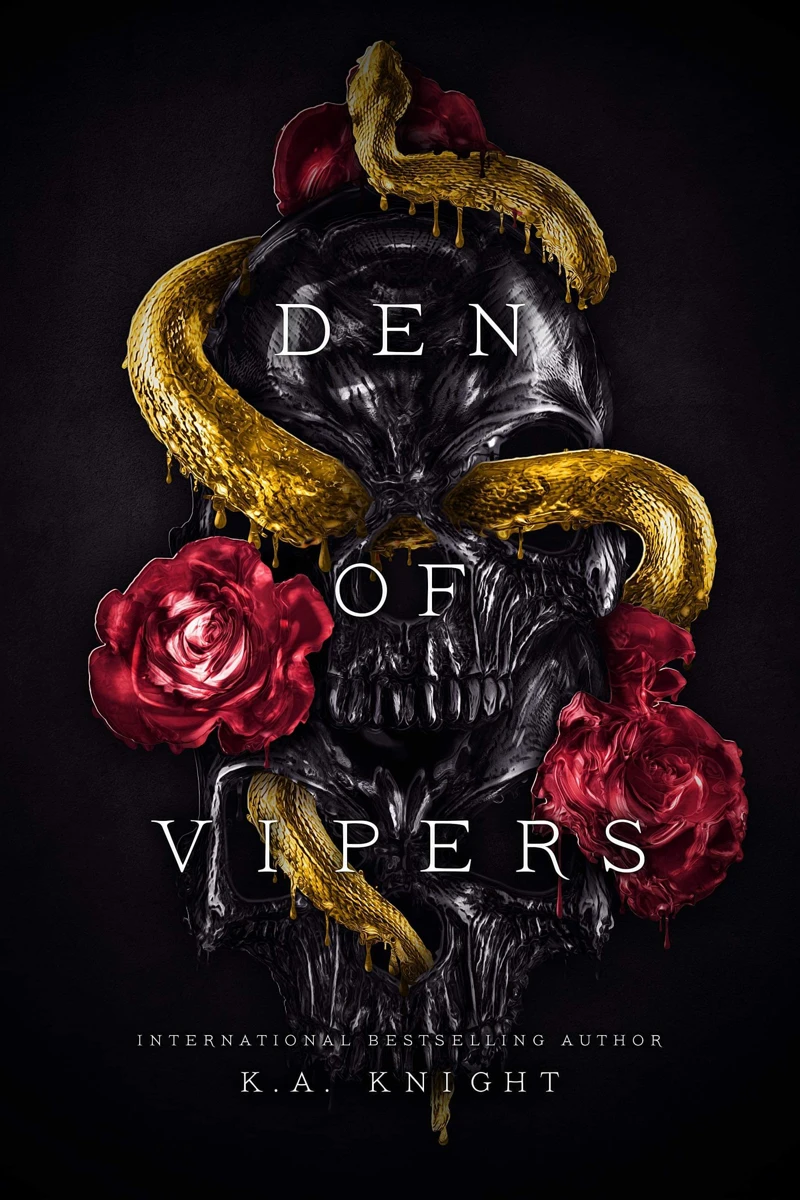
Authentic published cover of one starter selection; not a claim about every book in the guide.
Updated 9 October 2026 · Eikna Editorial Team
Compare the relationship choices
Setup
What drives it
What to check
Outside danger
The group faces an external threat
How do partners treat one another?
Internal coercion
A partner or group restricts choice
Can someone refuse without punishment?
Mixed darkness
Threats operate inside and outside
Check each source of harm separately.
Narrow the reading experience
Locate the darkness before counting partners
A group may face a violent outside threat while treating one another carefully. Another story may locate the threat inside the relationship. Ask where the difficult material occurs and which characters are responsible for it. That distinction often matters more to a reader’s boundaries than a general promise of intensity or the size of the romantic group.
Give each relationship its own consent question
Agreement with one person does not automatically establish agreement with everyone else. In a group setup, readers may want evidence of individual refusal, negotiated shared intimacy or changing boundaries. The author’s category label cannot answer those questions by itself. A story with coercion at its beginning needs fuller evidence before its later configuration can be described as freely agreed.
Check emotional balance and reading commitment
Multiple bonds can require more space to develop. Some readers prefer a standalone; others want a series that gives each relationship time. Check publication order, cliffhangers and completion separately rather than assuming a large group means a long series. Likewise, a multi-partner label does not verify narrator count, points of view or how evenly the story distributes attention.
Starting points and their evidence
These are small starter examples, not a completed or ranked recommendation list. Reviewed selections link to existing evidence-based editorial assessments. Other examples are identified as researched premises or pending research leads; they have no new rating or claim of first-hand reading.
Purchases through Amazon, Bookshop.org and Libro.fm links may earn us a commission. As an Amazon Associate, Eikna Romance earns from qualifying purchases, at no extra cost to you.
Den of Vipers
K. A. Knight
Researched premise · not reviewed or rated
Confirmed premise example
The author explicitly calls Den of Vipers dark and reverse harem, with adult content.
Before choosing: Author notes identify abuse or assault, graphic sex and violence. They do not establish full consent dynamics, an exhaustive warning list or ending.
Author or publisher premise source · checked 9 October 2026
https://www.katieknightauthor.com/den-of-vipers
Find it on AmazonGet the paperback · checking editionGet the audiobook · checking editionReview pending
Edition buttons become available when the specific format and destination are checked. Amazon opens a title-and-author search; choose your edition there.
Questions that change the reading choice
Does why choose guarantee consensual polyamory?
No. It describes a multiple-love-interest reading structure, while consent concerns the actual choices available to the characters. A marketing label does not verify agreement between all participants or every relationship among them. This guide keeps those details unknown until there is evidence instead of treating group attraction as blanket permission.
Does dark mean a particular spice score?
No. Darkness concerns difficult material and power; heat concerns sexual depiction. They can overlap without being interchangeable. The starter’s author warns of graphic sex, but that warning is not a verified score on Eikna’s heat scale. No numerical assessment has been added while reviews and ratings remain paused.
Are the warning notes exhaustive?
No. The starter repeats the author’s identified categories as source-backed notes. It has not received an independent scene-by-scene content audit or a new review. Readers with specific limits should check fuller book information, and readers needing a guaranteed romantic ending should verify it separately before buying.