Why Choose Romance: Multiple Partners and the Relationship Shape
Why choose romance follows a central character whose ongoing romantic story includes multiple partners instead of requiring selection of only one. The appeal can lie in several distinct relationships, the group’s developing trust or a shared life built around those bonds. The label does not tell you which partners are also involved with each other, how many there are or whether the book follows a finished relationship or an unfolding series.
This guide treats relationship configuration as something to verify, rather than infer from a cover or an old category name. Pucking Around supplies a publisher-confirmed contemporary hockey starting point with one woman and three male love interests. It is a researched premise example, not a new review. Our feature artwork represents romance broadly; it does not depict the book’s group or establish a particular configuration.
Thematic romance artwork, not a published book cover or a scene from a listed novel.
Updated 8 October 2026 · Eikna Editorial Team
Choose the structure you want
Setup
What drives it
What to check
One central lead, several partners
The story develops multiple continuing attachments
Check the number of partners and who is involved with whom
A fully connected group
Relationships may also develop between partners
Do not infer this structure from why choose alone
A triangle ending with one partner
Selection resolves the main conflict
Use the love-triangle guide for that reading preference
A pack governed by invented biology
World rules affect the bonds
Omegaverse is a separate concept that may overlap
Choose the reading experience
Reverse harem is useful search language, with limits
Many books and reader communities use reverse harem for a heroine with several male partners. Why choose can be used more broadly, although individual sites may keep a narrower inclusion policy. We explain the configuration directly rather than assuming either term answers every question. This lets readers seek mixed-gender or other groups without obscuring the actual relationships in a particular book.
The individual bonds should remain visible
A reader may want several differentiated courtships rather than one group treated as an interchangeable romantic unit. Think about how much time you want devoted to introductions, trust and distinct sources of chemistry. A book description can identify multiple love interests without establishing that each bond receives equal development. Independent critical assessment is still needed for that judgment.
A group label is not a complete consent assessment
Sharing partners, negotiating boundaries and responding to jealousy can be central parts of the story or receive little attention. The label poly or why choose does not establish how a specific encounter works. We do not infer consent, exclusivity or the absence of betrayal solely from relationship configuration. Readers should seek the individual content discussion where those boundaries matter.
Reading order and editions can affect the start
Some collections introduce partners over multiple volumes. Pucking Around also has editions with different bundled material: the inspected 2025 paperback includes the prequel That One Night, while the earlier edition has different pagination and bonus content. Check the edition rather than assuming an additional purchase is always necessary. Format and series facts should not be collapsed into a single work-level date.
Starting points and their evidence
These are small starter examples, not a completed or ranked recommendation list. Reviewed selections link to existing evidence-based editorial assessments. Other examples are identified as researched premises or pending research leads; they have no new rating or claim of first-hand reading.
Pucking Around
Emily Rath
Confirmed premise example
Rachel’s sports-medicine fellowship brings her into contact with a hockey player from an earlier encounter, his friend who manages team equipment, and a goalie. The publisher explicitly calls the book poly and why choose and identifies three male love interests around Rachel. This confirms the central configuration, not every bond within the group.
Before choosing: The 2025 paperback includes That One Night; check which edition you select. The publisher reports sexual explicitness, but this guide has no newly assessed heat tier, complete content inventory or verified ending.
Author or publisher premise source · checked 8 October 2026
The Pucking Around review explains Consider Pucking Around for an explicit, expansive why-choose hockey romance with several relationship bonds and a large amount of domestic and sexual page time. Avoid it if you need tight pacing, strong workplace realism or consistently careful treatment of professional and interpersonal boundaries. It also offers content notes and three comparisons to help you choose.
Reviewed starting points
These directly assessed choices show distinct versions of this collection. They are substantive starting points; the collection remains incomplete.
Purchases through Amazon, Bookshop.org and Libro.fm may earn us a commission. As an Amazon Associate, Eikna Romance earns from qualifying purchases, at no extra cost to you.
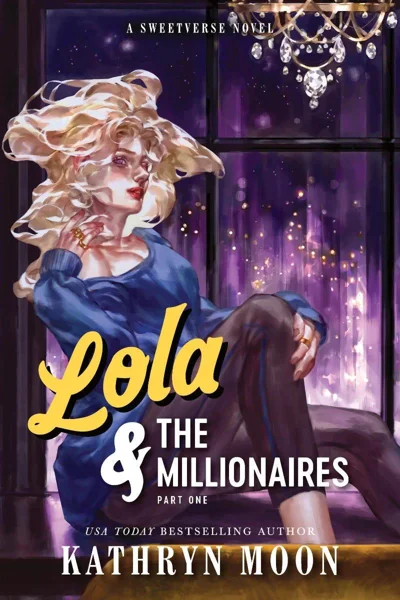
Lola & the Millionaires: Part One
Kathryn Moon
A beta heroine becomes involved with a pack containing several men. The publisher explicitly identifies this as why-choose omegaverse; pack membership alone would not establish the configuration.
Read the Part One assessment for trauma and explicit-content notes, uneven relationship focus and the distinction between this installment and the completed duet.
We may earn a commission from purchases through our links, at no extra cost to you. Find it on AmazonGet the paperback · checking editionGet the audiobook · checking editionRead our full review
Edition buttons become available when the specific format and destination are checked. Check the selected format before buying.
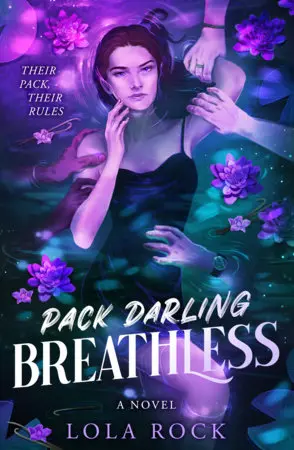
Pack Darling: Breathless
Lola Rock
Lilah is pushed toward four alphas who already have Orion, a male omega. Publisher evidence establishes omegaverse; independent genre criticism of the earlier Part One title establishes why-choose configuration.
Choose it for dark pack politics, rejection and slow group formation; read the assessment first for the title-history limit, forced bonding and a cliffhanger that requires Forever.
Edition buttons become available when the specific format and destination are checked. Amazon opens a title-and-author search; choose your edition there.
Questions that change the reading choice
Is why choose the same as a love triangle?
No. The defining reading preference is a continuing multi-partner relationship rather than an obligatory single selection. An opener’s configuration and the series endgame still need separate checks.
Does every partner date every other partner?
No. That cannot be inferred from the category. Our current starter source establishes the central woman’s three love interests without being used as proof of every relationship among those men.
Is all why choose omegaverse?
No. Contemporary settings can use multi-partner relationships without alpha, beta or omega worldbuilding.
Is Pucking Around reviewed here?
It is an official-premise starter in this guide, with no new editorial rating or first-hand reading claim. The broader reviewed collection remains unfinished.
Why-choose mafia romance brings a multiple-love-interest structure into an organized-crime world. It is useful to distinguish a group relationship from a competition that ends with one partner. The number of love interests matters, but so do their roles in the criminal organization and their individual relationships with the central character.
Dark why-choose romance combines multiple love interests with danger, coercion or other difficult material. The relationship structure and the darkness are separate choices. Knowing how many partners appear does not tell you who holds power, where the harm comes from or how the characters negotiate intimacy.
Sapphic multi-partner romance centres connections involving women who love women, while leaving room for varied identities and relationship structures.
MM why-choose searches usually lead toward romances with three or more men, so the relationship configuration needs more detail than the usual MM shorthand.
Why-choose relationships that include attraction between men
In a why-choose story, attraction can connect the central character to several partners without every partner being romantically or sexually involved with every other. A request for MM within the group asks about an additional connection. Check the actual relationship network rather than assuming that multiple men in the cast establish that connection.
Romantic affection, sexual contact and a continuing committed relationship are also separate claims. Some readers want men falling in love with each other as part of the central group; others seek a particular sexual configuration. A useful recommendation should say which of those is evidenced without treating every multi-partner story as identical.
The broader why-choose guide is the right place to compare these structures. Look for direct author or publisher evidence naming the connections among the partners. A cover, a broad queer label or the number of love interests does not settle them. Group consent and the ending’s configuration need their own checks rather than being inferred from a starting premise.