Pride and Prejudice Review: Attraction Requires Better Judgment
Elizabeth Bennet meets a wealthy man whose manner gives her little reason to like him. Darcy’s interference in her sister’s relationship deepens her dislike, while gossip and first impressions distort what she thinks she knows. Courtship therefore depends on learning to judge people more accurately, not simply overcoming verbal hostility. Penguin Random House, Pride and Prejudice
Ewin’s accessible critical extract warns against assigning pride only to Darcy and prejudice only to Elizabeth. Her confidence in her own discernment is also vulnerable. That reciprocal fallibility is a strong reason to read the romance: the heroine’s intelligence makes self-correction meaningful rather than exempting her from it. Cambridge Core, R. E. Ewin
Original thematic artwork; not a published cover or a verified scene.
The verdict
Recommended for reciprocal self-correction, social comedy and a gradually revised romantic judgment. The slow opening and Darcy’s early class arrogance remain real qualifications.
★★★★★★★★★★Provisional Eikna score: 4.4/5. Four core dimensions cover 85% of the quality weight. Ending satisfaction and reread appeal remain unscored; heat is excluded. Researched editorial assessment; no firsthand reading claimed. Evidence confidence: moderate.
Spice, ending and series
Is Pride and Prejudice spicy?
A numeric heat level has not been established. Read the review’s heat and content discussion for attributed descriptions before choosing. An unknown level is not a closed-door or no-spice promise.
Happily ever after (HEA). Reported by Project Gutenberg, Austen and Saintsbury. Checked 2026-10-06. This describes the outcome, not its quality or the closure of every wider plot.
For the difference between romantic commitment and wider plot closure, compare HEA, HFN and cliffhangers.
Can I read it on its own?
Standalone or continuing-series status is not established in this summary. Read the existing format and series guidance for any available context; do not assume a missing series entry means the book stands alone.
The series-order guide explains what to check when a complete romance belongs to a connected world.
Book and edition facts
Identity facts and explicit research limits
Title
Pride and Prejudice
Author
Jane Austen
Inspected edition
Penguin Classics paperback with Tanner/Jones apparatus
Publication scope
2002-12-31 (Penguin Classics paperback; original work 1813)
ISBN-13
9780141439518
Edition page count
448 pages
The author or publisher evidence identifies the work. Publication dates refer to the stated edition or release scope, not automatically the first appearance of the story. Unknown identifiers and formats are left open.
Elizabeth’s wit does not make her infallible
Ewin emphasizes Elizabeth’s recognition that vanity has helped distort her understanding. An intelligent heroine can revise her judgment without losing her appeal; the revision gives that intelligence something consequential to do. Cambridge Core, R. E. Ewin
Moler reads the couple as needing mutual correction, with Darcy learning respect for individual dignity. The relationship asks for change on both sides, while retaining the social hierarchy that makes his initial condescension possible. Kenneth L. Moler, via eNotes
Satire and courtship work through a crowded society
Saintsbury praises the connected construction and comic character-making in his public-domain preface. Secondary relationships contribute to the central plot rather than merely supplying interruptions between encounters with Darcy. Project Gutenberg, Austen and Saintsbury
eviejayne enjoys unexpected comedy and Elizabeth’s independent mind, yet finds the opening slow. Engagement increases as the relationship develops. The social world can reward attention without giving every reader immediate romantic momentum. StoryGraph, eviejayne
Darcy’s transformation is worth questioning
Moler links early Darcy to parody of the aristocratic romantic hero and finds some arrogance difficult to reconcile with the later man. This preserves a useful qualification: understanding literary ancestry does not require every harsh first impression to be excused. Kenneth L. Moler, via eNotes
The final courtship conversations show both people discussing embarrassment and changed understanding. The relationship’s warmth includes renewed playful disagreement, rather than requiring Elizabeth to replace her voice with unquestioning admiration. Project Gutenberg, Austen and Saintsbury
The premise includes snobbery, damaging gossip and interference in a sister’s relationship. A comprehensive modern warning inventory remains unverified. Penguin Random House, Pride and Prejudice
Who should consider it
Choose if comedy and character judgment can sustain a slower opening. Avoid if immediate couple interaction is essential to your enjoyment. StoryGraph, eviejayne
What the contrasting responses mean
eviejayne praises Elizabeth and comedy while finding the opening slow. Later romantic development increases engagement; this single account does not establish consensus. StoryGraph, eviejayne
Format, series and purchase guidance
Standalone original novel. The checked modern paperback supplies introductions and notes; it is not the Gutenberg edition. Penguin Random House, Pride and Prejudice
A direct US product edition has not been verified. The Amazon link is a title-and-author search, with no specific format or availability promised. A verified Bookshop or Libro edition link is not yet available for this review.
Quality scale: 1 substantial weaknesses; 2 weaknesses outweigh strengths; 3 mixed; 4 strengths outweigh limitations; 5 exceptional sustained strengths. Half points are allowed. Weights: romance 30%, characters 20%, writing 20%, emotional impact 15%, ending satisfaction 10%, reread appeal 5%. A provisional overall score divides the supported weighted sum by its supported weight and rounds once to one decimal. Heat is descriptive and excluded. These scores express the evidence-based judgment explained in this review.
No. The checked Penguin Classics paperback is dated December 31 2002. It is a modern edition of the original work, not its first publication. Penguin Random House, Pride and Prejudice
When did the original appear?
1813, as Saintsbury’s preface records. The public-domain text and a modern annotated edition must retain separate publication records. Project Gutenberg, Austen and Saintsbury
Is Elizabeth simply correct about everything?
No. Ewin’s extract specifically emphasizes her pride and mistaken confidence in discernment. Her ability to recognize error is part of the romantic development. Cambridge Core, R. E. Ewin
Why might a new reader hesitate?
eviejayne likes the comedy and later courtship but finds the opening hundred pages dull. That selected account supports patience as a fit question, not a universal verdict. StoryGraph, eviejayne
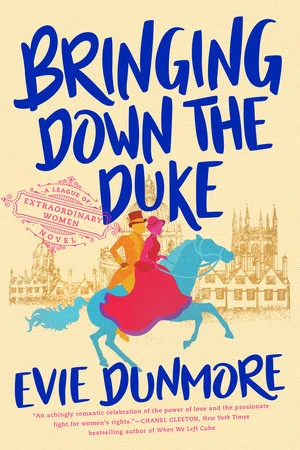
For attraction across class power and a heroine who challenges a privileged man; its organized suffrage politics and on-page sensuality differ from Austen’s social comedy.
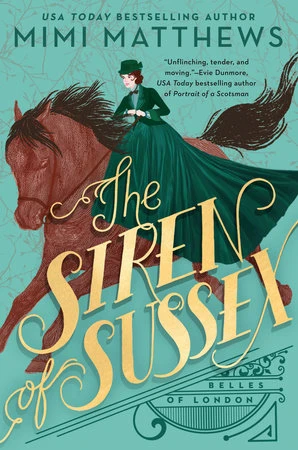
For historical courtship shaped by status and a woman’s skills; its London tailoring and riding relationship differs from Elizabeth’s changing interpretation of Darcy.
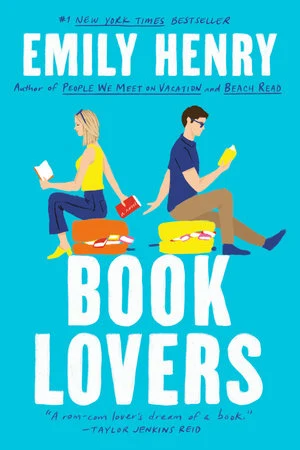
For sharp dialogue and adults revising first judgments; its modern publishing careers replace entailment, family reputation and Regency marriage pressure.
Follow the discovery route
The enemies-to-lovers guide includes this book among other choices. Compare those options if its premise appeals but a limitation gives you pause. The romance discovery guide explains the surrounding reading route and what to check before choosing.
Final recommendation
Recommended for reciprocal self-correction, social comedy and a gradually revised romantic judgment. The slow opening and Darcy’s early class arrogance remain real qualifications. Choose if comedy and character judgment can sustain a slower opening. Avoid if immediate couple interaction is essential to your enjoyment. StoryGraph, eviejayne
Penguin Random House, Pride and Prejudice. Inspected for this assessment; source URLs and lineage are retained in the local evidence record.
Project Gutenberg, Austen and Saintsbury. Inspected for this assessment; source URLs and lineage are retained in the local evidence record.
Cambridge Core, R. E. Ewin. Inspected for this assessment; source URLs and lineage are retained in the local evidence record.
Kenneth L. Moler, via eNotes. Inspected for this assessment; source URLs and lineage are retained in the local evidence record.
StoryGraph, eviejayne. Inspected for this assessment; source URLs and lineage are retained in the local evidence record.
Checked October 6, 2026. The How this assessment was researched preserves attributions and research limits. Unknown details do not establish absence. Purchasing links use our account.
As an Amazon Associate, Eikna Romance earns from qualifying purchases, at no extra cost to you.