The Heart Principle Review: Patient Love, Caregiving and the Cost of Burnout
Anna Sun’s musical career has become a source of exhausting pressure. When her boyfriend proposes seeing other people, she tries a dating app and meets Quan Diep. A planned casual encounter develops into affection, but family illness and caregiving demand much more of Anna than she can comfortably give.
The Heart Principle offers patient intimacy alongside burnout, family expectations and a later autism diagnosis. Readers disagree about whether the caregiving story strengthens the romance or leaves too little room for both partners. This researched editorial assessment compares trade criticism, specialist reviews and firsthand community responses. Eikna does not claim a firsthand reading.
Original editorial artwork inspired by this page’s theme; not an official book cover or a claimed book scene.
Eikna’s editorial assessment
★★★★★★★★★★Provisional Eikna score: 3.7/5. Based on romance, characters, writing, emotional impact, ending satisfaction (95% of the full weighting), normalized over those supported dimensions. Re-read appeal remains unscored. Evidence confidence: Moderate. This researched editorial judgment may change when those gaps are assessed.
Researched editorial assessment, not a firsthand reading review. Checked 2026-10-03.
Our verdict
Best for readers seeking a serious contemporary romance with a caring partner and difficult family material. The central reservation is narrative balance: Anna’s crisis receives substantial space, and some readers want more of Quan’s independent life and the couple together. Choose it deliberately rather than expecting a light romantic comedy.
Spice, ending and series
Is The Heart Principle spicy?
A numeric heat level has not been established. Read the review’s heat and content discussion for attributed descriptions before choosing. An unknown level is not a closed-door or no-spice promise.
The romantic outcome is not established in this summary. A romance label does not independently confirm an ending. Consult the discussion before choosing if closure is essential.
For the difference between romantic commitment and wider plot closure, compare HEA, HFN and cliffhangers.
Can I read it on its own?
Standalone or continuing-series status is not established in this summary. Read the existing format and series guidance for any available context; do not assume a missing series entry means the book stands alone.
The series-order guide explains what to check when a complete romance belongs to a connected world.
Selected edition and book facts
Author
Helen Hoang
Selected ISBN
9780451490841
Format
US paperback
Imprint
Berkley
Selected edition date
31 August 2021
Selected length
352 pages
Connected series
The Kiss Quotient, book 3
Publisher premise and format guidance We may earn a commission from purchases through our links, at no extra cost to you. Find this book on Amazon. Edition details also checked against the linked retailer; dates refer to this edition, not necessarily first publication.
A casual plan becomes a patient relationship
The publisher establishes the dating-app encounter and the change from a one-night intention to deeper attachment. Publishers Weekly emphasizes Quan’s kindness and patience despite an appearance that might suggest a different romantic archetype. The useful attraction here is how he behaves when Anna needs more time.
All About Romance values the gradual physical connection. Reader leahjanespeare likewise enjoys intimacy that is imperfect and vulnerable. This offers a specific route for readers who want sexual learning to involve care, rather than smooth confidence from the outset. It does not make the relationship free of difficulties once external demands intensify.
Anna’s diagnosis belongs to her story
Kirkus and the inspected reader accounts identify Anna’s recognition that she is autistic as part of the novel. We can discuss that supported representation without inferring it from a musical talent or a social manner. The portrayal concerns one person’s self-understanding and family response, not an exhaustive account of autism.
Leahjanespeare values the connection between that discovery and Anna learning to stand up for her own needs. Kaitkallista finds her persistence compelling even when her circumstances become difficult to read. Those are reasons to recommend the character arc, while leaving space for readers whose experiences or needs differ.
Does Quan receive enough of his own story?
Romance Reader’s Teresa enjoys Quan but wants Anna to engage more with his working life and problems. Kaitkallista similarly wishes his self-sacrificing tendencies had more development. These are useful criticisms because they focus on reciprocity and page space, not whether a kind love interest is inherently uninteresting.
Fatimak strongly enjoys the couple’s chemistry yet also sees Anna’s difficulties taking precedence. Our romance score is therefore lower than the character score: the appeal of both people has support, while the balance of their relationship receives more qualified responses. Readers arriving primarily for Quan’s story should know that Anna’s crisis often drives the narrative.
Caregiving changes the rhythm of the book
Kirkus sees the second half concentrating on caregiving and boundaries, with Quan receiving less attention. Maggie Boyd at All About Romance finds the difficult middle overextended even while recommending the book. Their concerns help explain why a reader can value the emotional material and still feel that the romantic momentum changes sharply.
This matters when choosing a reading experience. If substantial family and personal material is part of what you want from contemporary romance, that shift may deepen your investment. If you want frequent scenes of the couple building an everyday life together, the proportion can feel frustrating. Our craft score retains both needs.
Strong feeling without a promise that love fixes everything
Fatimak appreciates that Anna’s problems are not solved simply by meeting a partner. Teresa at Romance Reader also values hope that leaves room for continuing emotional difficulty. The attractive promise is companionship and support alongside change, rather than a romantic cure for distress.
Kaitkallista describes parts of Anna’s experience as hard to read while still finding her journey compelling. Our positive emotional score recognizes that specific testimony. It is not a promise of comfort, a mental-health benefit or universal recognition. Readers looking for relief from family pressure may prefer a different book today.
Heat and the content notes worth checking
Leahjanespeare reports explicit sexual scenes, and the professional reviews discuss sexual uncertainty and gradual intimacy. Exact heat on the Eikna scale remains unassigned. An attempted one-night stand is a premise, not proof that the book is either instantly physical or closed door.
Teresa’s linked warning list names grief, caregiving, parental loss and suicidal thoughts. Critical accounts also establish cancer-related aftermath for Quan and family conflict around Anna. Detailed discussions can contain spoilers. These are selected supported cautions, not a complete warning inventory or an independently checked medical assessment.
Why the genre debate needs a practical answer
Kirkus questions whether the romantic arc has enough space and recovery to satisfy genre readers. Teresa considers the romance integral despite similar concerns about imbalance. We preserve the disagreement instead of treating a single reviewer’s category judgment as settled fact.
The useful answer is what a reader will spend time with: a developing romantic relationship, a substantial caregiving crisis and a woman establishing personal limits. Continuing recovery does not by itself negate a happy relationship. At the same time, romance readers are entitled to want the couple’s shared development given more space. This review recommends by those preferences.
Series order, edition facts and the payoff
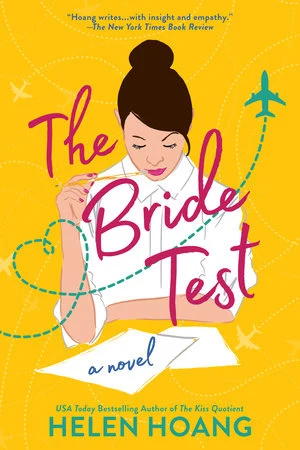
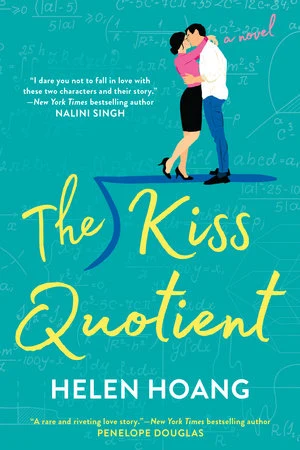
The checked US paperback is a 352-page Berkley edition published 31 August 2021. The series connection follows The Kiss Quotient and The Bride Test; Quan already appears in the connected cast. All About Romance considers this central story understandable without the earlier novels, while warning that its discussion contains references to their outcomes.
The ending evidence is mixed but hopeful. Kaitkallista values its realistic direction, and fatimak finds satisfaction while wanting more time for the conclusion. Teresa likewise questions the late pace and reciprocity. We assess ending satisfaction separately from medical recovery, keep final events out of the page and leave re-read appeal unscored.
What critics and readers agree on, and where they differ
Advance copy disclosed; praises chemistry and burnout treatment while questioning late compression.
Checked 3 October 2026. These are selected responses, not a representative reader survey. Promotional quotations are traced to their original review; bots and secondhand recommendations do not count as reading testimony.
The Eikna Evidence Scorecard
★★★★★★★★★★Provisional Eikna score: 3.7/5. Based on romance, characters, writing, emotional impact, ending satisfaction (95% of the full weighting), normalized over those supported dimensions. Re-read appeal remains unscored. Evidence confidence: Moderate. This researched editorial judgment may change when those gaps are assessed.
Romance
★★★★★★★★★★3.5/5 · Strength with reservations
PW values patient support
Leahjanespeare enjoys vulnerable intimacy
Teresa questions reciprocity
Quan’s narrative space is a recurring reservation
Strong evidence for caring intimacy is moderated by specific objections to reciprocal development and shared page time.
★★★★★★★★★★3.5/5 · Strength with pacing reservations
Kaitkallista values the hopeful direction
Fatimak enjoys payoff with pacing reservations
Teresa wants fuller reciprocal development
Recovery and relationship satisfaction kept distinct
Specific accounts support emotional payoff with meaningful reservations about pacing and development; satisfaction is kept separate from factual ending classification.
As an Amazon Associate, Eikna Romance earns from qualifying purchases. The linked title and ISBN were checked; checkout and commission credit were not tested. Bookshop and Libro.fm links await destination checks, and Audible affiliate setup remains pending. A missing button does not mean a format is unavailable.
Questions before you choose
Is this a light romantic comedy?
The inspected sources describe substantial burnout, caregiving and family strain alongside romance. Do not choose it expecting an uncomplicated comfort read.
Must I read the earlier books?
The central story can be followed independently according to All About Romance. Earlier novels introduce the connected cast, including Quan.
Does the romance resolve all Anna’s difficulties?
Reader assessments explicitly value hope alongside continuing emotional work. We do not equate relationship satisfaction with complete recovery or reveal the final events here.
Keep the connected cast and caring intimacy, changing Anna’s caregiving crisis to Stella’s paid learning arrangement with separate representation cautions.
How we made these connections
Each route carries forward a particular premise or reader preference. These editorial comparisons do not promise identical heat, endings or personal response.
Keep exploring
Contemporary-romance collection compares relationships in recognisable modern lives, including careers, families and public expectations. The notes explain how those everyday responsibilities shape each premise.
Our final recommendation
Choose The Heart Principle when patient love and a difficult personal journey are both part of what you seek. Consider its narrative-balance reservations if you mainly want Quan’s story or frequent shared couple scenes. The strong emotional evidence supports a recommendation with clear limits.
This page contains affiliate links, including Amazon, Bookshop.org and Libro.fm. As an Amazon Associate, Eikna Romance earns from qualifying purchases, at no extra cost to you.