The Bride Test Review: Matchmaking, Self-Worth and a Divisive Setup
Esme Tran accepts an invitation to spend a summer in California with a man she has never met. Khai Diep’s mother hopes the visit will lead to marriage. Esme wants a better future for her family; Khai believes his way of experiencing emotion makes him incapable of love. Sharing a home gives them a chance to discover how mistaken some of their assumptions are.
The Bride Test combines a matchmaking premise with immigration, class difference and an autistic hero’s uncertainty about his own feelings. The relationship earns strong praise, but the setup and late-story compression remain useful cautions. This researched editorial assessment compares trade reviews, specialist criticism and directly inspected reader responses. Eikna does not claim a firsthand reading.
Original editorial artwork inspired by this page’s theme; not an official book cover or a claimed book scene.
Eikna’s editorial assessment
★★★★★★★★★★Provisional Eikna score: 3.8/5. Based on romance, characters, writing, emotional impact, ending satisfaction (95% of the full weighting), normalized over those supported dimensions. Re-read appeal remains unscored. Evidence confidence: Moderate. This researched editorial judgment may change when those gaps are assessed.
Researched editorial assessment, not a firsthand reading review. Checked 2026-10-03.
Our verdict
Best for readers who want tenderness, awkward humor and a heroine whose ambitions extend beyond the relationship. The main hurdle is accepting the summer matchmaking arrangement. If its practical dependency feels troubling or implausible to you, favorable assessments of the later romance may not overcome that first reservation.
Spice, ending and series
Is The Bride Test spicy?
A numeric heat level has not been established. Read the review’s heat and content discussion for attributed descriptions before choosing. An unknown level is not a closed-door or no-spice promise.
The romantic outcome is not established in this summary. A romance label does not independently confirm an ending. Consult the discussion before choosing if closure is essential.
For the difference between romantic commitment and wider plot closure, compare HEA, HFN and cliffhangers.
Can I read it on its own?
Standalone or continuing-series status is not established in this summary. Read the existing format and series guidance for any available context; do not assume a missing series entry means the book stands alone.
The series-order guide explains what to check when a complete romance belongs to a connected world.
Selected edition and book facts
Author
Helen Hoang
Selected ISBN
9780451490827
Format
US paperback
Imprint
Berkley
Selected edition date
7 May 2019
Selected length
320 pages
Connected series
The Kiss Quotient, book 2
Publisher premise and format guidance We may earn a commission from purchases through our links, at no extra cost to you. Find this book on Amazon. Edition details also checked against the linked retailer; dates refer to this edition, not necessarily first publication.
What kind of arranged relationship is this?
The checked premise begins with a mother arranging a possible match, not an existing marriage between the protagonists. Khai and Esme have to become acquainted. Matchmaking and forced proximity describe the mechanism more precisely than treating the entire novel as a married-couple romance.
Publishers Weekly emphasizes the attraction and growing understanding alongside class and cultural differences. This gives readers a clearer expectation than a trope label alone: the strangers’ shared daily life matters, and they do not start with the same resources or the same understanding of what the visit might mean.
Esme’s goals matter as much as the invitation
Kirkus praises Esme’s pursuit of her own goals alongside the romantic arc. StoryGraph reader katsbooks particularly values her education and the combination of confidence with vulnerability. These observations support recommending the heroine for her initiative, rather than reducing her to someone waiting for Khai to decide her future.
The unequal circumstances still deserve attention. A reader can enjoy a determined heroine while questioning how the initial arrangement positions her. At All About Romance, Caroline Russomanno and Em Wittman find the journey’s setup hard to believe, even while responding favorably to much of the story that follows. Their distinction is worth carrying into the recommendation.
Khai’s feelings and the misunderstandings around them
The publisher identifies Khai as autistic and presents the idea that he cannot love as his own belief, not a diagnosis. We keep that difference explicit. Autism does not establish an inability to feel affection or grief, and one character’s emotional interpretation cannot stand for every autistic person.
Mood_reading_maya finds the communication difficulties persuasive in the context of language, culture and personal insecurity. The critical discussion also gives attention to the domestic and sensory details through which Khai experiences his surroundings. Readers interested in a relationship that requires learning another person’s meanings have a specific reason to consider it.
Tenderness, humor and sexual learning
Kirkus values the humor and emotional care in the pair’s attempts to connect. All About Romance also praises a sequence in which Khai’s male relatives offer sexual advice without humiliating him. The appeal is a romantic hero allowed to be inexperienced and to ask for help.
That does not make the novel closed door. Katsbooks describes less sexual emphasis than in The Kiss Quotient while still identifying explicit content. This is a single comparative reading response, not a conversion to an Eikna heat number. Choose it for awkwardness handled with affection if that appeals; check the linked accounts if sexual content is a boundary.
Where the writing can lose a reader
At Dark Side of the Word, Kait finds the relationship less convincing and questions the practical setup. That response supplies a counterpoint to Publishers Weekly’s praise for the developing bond. We do not repeat the blog’s unsupported speculation about the author’s publishing schedule or endorse its generalizations about autism.
The useful objection is whether the plot machinery earns belief. All About Romance likewise wants greater depth in parts of the setup and questions a conveniently timed realization. Those reservations lower our craft assessment relative to the character and emotional scores. If you prefer a romance whose external circumstances feel plausible at every stage, sample the opening before committing.
Who will enjoy the emotional balance?
Nicole’s actual reread account still finds the relationship tender and the ending moving, although the rating dropped from the first reading. Katsbooks similarly values the emotional experience while wishing some late developments had more space. Their accounts show how enjoyment and reservations can coexist.
This is a useful route for readers drawn to vulnerability, family connection and self-worth within contemporary romance. It is a less secure choice if you want an uncomplicated dating setup with little family influence. The positive emotional score describes supported editorial strengths; it does not predict that every reader will connect with the same moments.
Content notes and the limits of this assessment
Mood_reading_maya flags sexual content, grief, death, medical material and a car accident. Katsbooks’s notes add abandonment and addiction among the reported concerns. These are selected reader-supplied warnings; detailed source pages may reveal events beyond the opening premise.
Immigration and economic vulnerability are central to the choice of book, but this review is not an audit of its legal procedures. A satisfying fictional opportunity does not establish a realistic immigration pathway. The exact heat label, comprehensive warning inventory and subscription availability remain unverified.
Reading order and the ending’s pace
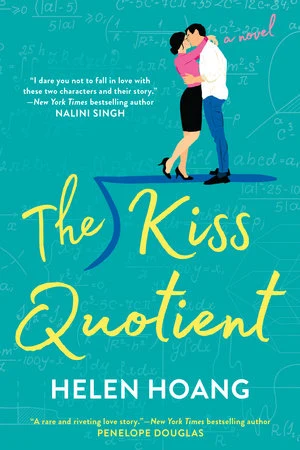
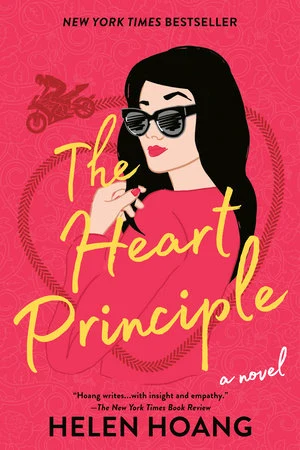
The checked Amazon edition identifies this as book two in The Kiss Quotient series. Mood_reading_maya considers it readable on its own; reading the first book adds familiarity with the connected cast. The Heart Principle later gives Quan his own central relationship. Each title has its own emphasis, so liking one does not guarantee the same response to another.
The ending evidence is positive but qualified. Nicole remains moved on a reread; mood_reading_maya and katsbooks want a less compressed resolution. Our ending-satisfaction score preserves that contrast without revealing the final arrangements. One inspected repeat-reading response is useful testimony, but too narrow to justify a general re-read score on its own.
What critics and readers agree on, and where they differ
Values Esme’s initiative and emotional force; wants more space for late family developments.
Checked 3 October 2026. These are selected responses, not a representative reader survey. Promotional quotations are traced to their original review; bots and secondhand recommendations do not count as reading testimony.
The Eikna Evidence Scorecard
★★★★★★★★★★Provisional Eikna score: 3.8/5. Based on romance, characters, writing, emotional impact, ending satisfaction (95% of the full weighting), normalized over those supported dimensions. Re-read appeal remains unscored. Evidence confidence: Moderate. This researched editorial judgment may change when those gaps are assessed.
Romance
★★★★★★★★★★4/5 · Strength with reservations
PW praises relationship development
Kirkus values emotional connection
Contextual misunderstanding appeals to Maya
Kait supplies a contrary chemistry response
Specific positive relationship criticism and reader testimony outweigh a retained contrary chemistry response.
★★★★★★★★★★3.5/5 · Strength with pacing reservations
Nicole remains moved by the ending
Maya finds its pace slightly rushed
Katsbooks wants fuller late developments
Final events not revealed here
Specific accounts support emotional payoff with meaningful reservations about pacing and development; satisfaction is kept separate from factual ending classification.
As an Amazon Associate, Eikna Romance earns from qualifying purchases. The linked title and ISBN were checked; checkout and commission credit were not tested. Bookshop and Libro.fm links await destination checks, and Audible affiliate setup remains pending. A missing button does not mean a format is unavailable.
Questions before you choose
Is this about a couple already married?
No. The checked setup is a summer visit arranged as a possible match. Khai and Esme are strangers at the start.
Do I need to read The Kiss Quotient first?
The central couple’s story is readable independently according to the inspected reader guidance. The earlier book adds familiarity with the connected cast.
Does Khai’s autism mean he cannot love?
No. His belief about his own feelings is part of the story’s conflict, not a medical statement about autistic people.
Keep an arrangement shaped by practical pressures, changing an international matchmaking visit to a historical fake engagement with distinct reproductive-theme cautions.
Continue with Quan’s central relationship in the connected cast; expect a more substantial caregiving and burnout narrative.
How we made these connections
Each route carries forward a particular premise or reader preference. These editorial comparisons do not promise identical heat, endings or personal response.
Keep exploring
Contemporary-romance collection compares relationships in recognisable modern lives, including careers, families and public expectations. The notes explain how those everyday responsibilities shape each premise.
Our final recommendation
Choose The Bride Test for Esme’s determination and a courtship that asks its leads to understand each other more carefully. Give the premise reservations real weight if plausible setup is essential to you. Strong relationship evidence supports the recommendation without erasing the rushed-payoff concerns.
This page contains affiliate links, including Amazon, Bookshop.org and Libro.fm. As an Amazon Associate, Eikna Romance earns from qualifying purchases, at no extra cost to you.