

By Eikna Editorial Team · Research checked 4 October 2026 · Editorial standards
Choose the evidence you are looking for
| Your starting preference | A supported route here | Then decide |
|---|---|---|
| An autistic romantic lead | Stella in The Kiss Quotient | Whether intimacy lessons appeal |
| A chronically ill romantic lead | Chloe Brown | How personal goals and the relationship intersect |
| Social anxiety in historical romance | Julia in The Belle of Belgrave Square | Whether a negotiated marriage and Gothic setting appeal |
| A romance between women | Delilah and Claire | Whether family obligations and parenting interest you |
| A historical romance between men | Kit and Percy | Whether crime and class differences appeal |
Twelve ways to connect identity with a particular story
The Kiss Quotient by Helen Hoang
Autistic romantic lead. The author’s premise identifies Stella as autistic and describes a practice relationship with Michael.
Choose this if a negotiated approach to intimacy interests you. The representation discussion in the existing assessment includes disagreement; an identity label alone does not settle how convincing or comfortable the portrayal will feel to you.
The character identity is source-supported. We do not treat autism as a personality trope or infer every autistic reader’s response.
Check the character and relationship premise We may earn a commission from purchases through our links, at no extra cost to you. Find this book on Amazon · Read the existing evidence-based assessment
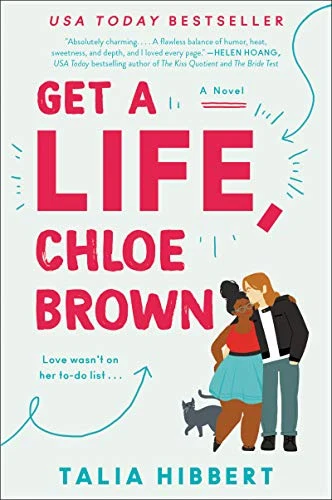
Get a Life, Chloe Brown by Talia Hibbert
Chronically ill romantic lead. The publisher describes Chloe as chronically ill and gives her a practical list of experiences she wants to pursue with Red’s help.
Choose this for a heroine pursuing goals that extend beyond the romantic connection. Read the existing assessment to compare the relationship, agency and illness discussion. The source’s general chronic-illness wording is not a basis for adding an unverified specific diagnosis here.
Presence of chronic illness does not mean the illness is cured by romance, nor does this premise alone establish how every symptom is portrayed.
Check the character and relationship premise Find this book on Amazon · Read the existing evidence-based assessment
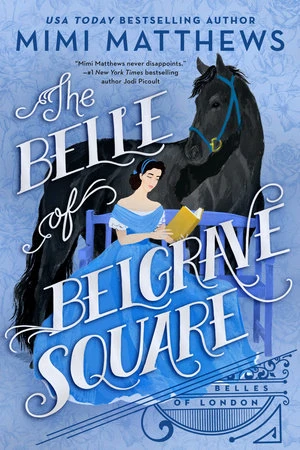
The Belle of Belgrave Square by Mimi Matthews
Social anxiety in a historical setting. The author identifies Julia’s social anxiety and describes her marriage proposal with conditions protecting riding and reading freedom.
Choose this when you want to compare personal boundaries against family and social expectations in a historical setting. Her proposed terms make autonomy part of the stated romantic situation. This is a different route from the practical intimacy lessons in The Kiss Quotient.
The source names social anxiety. We do not assign other diagnoses, a recovery outcome or a universal representation-quality judgment.
Check the character and relationship premise Find this book on Amazon · Read the existing evidence-based assessment
Delilah Green Doesn’t Care by Ashley Herring Blake
A relationship between Delilah and Claire. The publisher describes Delilah’s return to photograph a family wedding and the developing attraction between her and Claire, a mother and bookseller.
Choose this for a relationship built amid wedding obligations, an uneasy homecoming and existing family connections. Claire’s parenting and Delilah’s creative work give the comparison more detail than a broad queer label. The assessment discusses the family pressures alongside the romance.
The romantic configuration is supported by the named leads. It does not establish that both characters use the same orientation label.
Check the character and relationship premise Find this book on Amazon · Read the existing evidence-based assessment
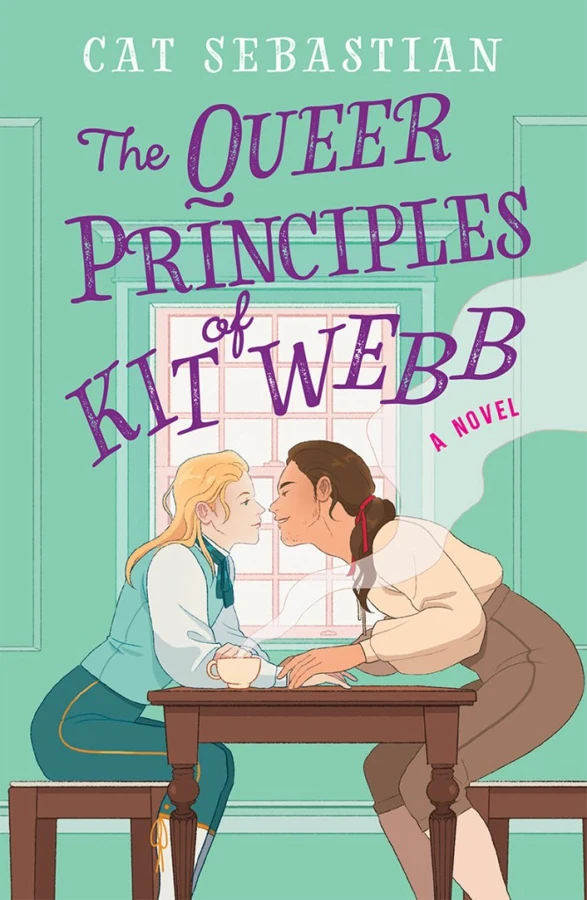
The Queer Principles of Kit Webb by Cat Sebastian
Kit and Percy in historical romance. The author describes Kit, a retired highwayman, teaching aristocrat Percy a robbery plan while their attraction develops.
Choose this for a historical relationship across class and resources, with a practical task creating contact. This lets you retain queer romance while changing from a contemporary wedding-and-family situation to crime, social status and a different period.
The author’s content notes include period-typical homophobia. That detail is relevant to reader choice, but the notes are not used to infer a particular reader’s tolerance or emotional response.
Check the character and relationship premise Find this book on Amazon · Read the existing evidence-based assessment
Take a Hint, Dani Brown by Talia Hibbert
Bisexual heroine and a hero with anxiety. Dani, a PhD student, enters a fake relationship with security guard Zaf after a video of them attracts attention. The author identifies Dani as bisexual and Zaf as having an anxiety disorder.
Choose this when you want a public pretend relationship rather than a private practice arrangement. Dani’s orientation and Zaf’s anxiety belong to different leads; the distinction helps you search for the character you actually want to follow.
A relationship with a man does not erase Dani’s bisexuality. Anxiety is a supported character detail, not a prediction that the story has low stakes.
Check the author’s character identities · Check the character and relationship premise
Act Your Age, Eve Brown by Talia Hibbert
Two autistic leads, with different diagnosis contexts. Eve’s search for a job brings her to Jacob’s bed-and-breakfast; an accident leaves them working together. Hibbert identifies Jacob as diagnosed autistic and Eve as an autistic heroine without a diagnosis.
Choose this if you want to compare two autistic characters within one central relationship. The workplace clash offers a different setup from Stella’s intimacy lessons. A shared identity does not make the characters interchangeable.
We retain the author’s distinction between diagnosis and identity. The premise does not establish a universal autistic experience or independently assess the portrayal.
Check the author’s character identities · Check the character and relationship premise
The Princess Trap by Talia Hibbert
Bisexual royal hero. Cherry’s encounter with prince Ruben becomes a public scandal and a proposed fake engagement. The author identifies Ruben as bisexual.
Choose this for a relationship pressured by publicity and royal institutions. It changes the scale of the fake relationship from Dani and Zaf’s viral attention to a palace reputation problem, while retaining a bisexual lead.
The author’s individual book page warns of scenes of abuse. A royal setting and a comic premise do not establish a gentle reading experience.
Check the author’s character identities · Check the character and relationship premise Find this book on Amazon
The Roommate Risk by Talia Hibbert
Pansexual heroine in friends-to-lovers romance. A plumbing problem sends Jasmine to stay with longtime friend Rahul, who has concealed his feelings. Hibbert identifies Jasmine as pansexual.
Choose this for years of friendship becoming harder to keep within familiar boundaries. Compare it with a fake relationship: the pressure here grows from living together and an existing private bond, rather than performing for an audience.
The author lists parental neglect and abandonment, parental death and alcohol dependence. The presence of a supportive friendship is not a complete content reassurance.
Check the author’s character identities · Check the character and relationship premise Find this book on Amazon
That Kind of Guy by Talia Hibbert
Demisexual hero in a fake relationship. Novelist Rae needs a date for an awards event; younger friend Zach agrees to play her boyfriend. The author identifies Zach as demisexual.
Choose this if emotional connection is central to the identity you are looking for, alongside an older-heroine and younger-hero setup. Compare Zach’s need for connection with the established friendship in The Roommate Risk.
Demisexuality is not a synonym for celibacy, closed-door writing or slow pacing. We make no heat or ending guarantee from the identity label.
Check the author’s character identities · Check the character and relationship premise
A Girl Like Her by Talia Hibbert
Autistic heroine in a small English town. Ruth’s guarded life in Ravenswood changes when blacksmith Evan becomes her neighbour. The author explicitly identifies Ruth as autistic.
Choose this for a neighbour relationship under small-town scrutiny. It changes the social surroundings of the autism route: gossip and a difficult past are part of the stated situation, rather than lessons in intimacy or a shared workplace.
The book page flags mentions of intimate partner violence. Small-town warmth and a welcoming love interest do not mean every surrounding event is comfortable.
Check the author’s character identities · Check the character and relationship premise
Work for It by Talia Hibbert
A relationship between men and a lead with depression. Griff’s encounter with a visitor is followed by renewed contact at the farm where he works. Hibbert’s catalogue names Griff and Olu; her FAQ identifies a gay hero, a queer hero and a character living with depression.
Choose this to change from Kit and Percy’s historical robbery plan to a contemporary rural workplace. The catalogue’s unequal resources and initial hostility are useful comparisons; the FAQ does not assign every identity label to a named lead.
The author flags depression, suicide mentions and intimate images shared without consent. The source’s gay and queer labels are retained without inventing a more specific orientation for either named character.
Check the author’s character identities · Check the character and relationship premise
Presence and portrayal are different questions
An author or publisher can identify a character’s identity or circumstances. To assess the portrayal, you need evidence about scenes, agency, stereotypes, the role of other characters and the reader’s interpretation. A diagnosis named in a synopsis cannot certify that all of those choices work.
The existing assessments link identified reader and professional discussion where available. Disagreement remains attributed rather than converted into a claim that a whole community likes or dislikes the book. A small discussion can explain a concern without measuring how common it is.
Pairing is not the same as orientation
A romance between two women or two men describes a relationship configuration. It does not establish that both people are lesbian or gay; the characters may use other labels, or the source may not say. Gender identity, romantic orientation, sexual orientation and relationship structure should not be collapsed into one tag.
We use the source’s actual character information and keep unsupported labels out of the record. Cover art and author identity are not evidence of the protagonists’ identities. A book’s setting or a character’s name likewise cannot establish ethnicity.
Where the current hub needs more coverage
These twelve selections are weighted toward autism, chronic illness and queer identities, and seven additions come from one author. They do not provide a full survey of trans, nonbinary, aromantic, racial, cultural, religious or multi-partner representation. Demisexuality is represented here; it does not substitute for every experience across the asexual spectrum. Those are research gaps, not claims that suitable books are absent. We will add selections when the named characters, central relationship and specific inclusion evidence have been checked.
An intersection also needs to belong to the actual character. One queer character and a separate disabled character do not establish a queer disabled romantic lead. That distinction matters when the intersection itself is your reason for choosing the book.
Add another discovery preference
Change the subgenre while retaining a supported identity route. Choose a relationship arrangement when the setup matters more than the period. Check sexual detail and check resolution separately; identity and pairing predict neither. Reasoned readalikes can help you keep a particular appeal while exploring another author.
Questions readers ask
Are these firsthand reviews?
The linked pages are disclosed evidence-based editorial assessments. This hub supplies researched selection notes and creates no new reviews or scores.
Does one character stand for an entire community?
No. Characters and reader experiences differ. A supported identity label is a discovery aid, not a universal representation claim.
Why keep uncertainty visible?
Readers may be choosing for a very specific reason. An unknown identity or an unassessed portrayal should not become a reassuring claim merely to fill a category.
These are source-backed editorial reading routes. They do not claim firsthand reading or assign new review scores.