Amnesia romance changes what the couple can know about each other. One lead may remember a shared relationship that the other cannot access, or both may be trying to understand an unfamiliar past. The romantic question is what connection they can choose now, alongside the mystery of what happened before. A remembered promise and a present decision are different sources of trust.
Compare 6 researched starting choices by whose memories are missing, what the other person knows and how trust can develop now. Missing memories and remembered relationship history are kept distinct, with any adjacent comparison clearly qualified. Follow each existing assessment for content cautions and series guidance.
Original editorial artwork about this relationship theme; not a published cover or a scene from a specific novel.
Updated 10 October 2026 · Eikna Editorial Team · Researched editorial assessments
Compare what is forgotten and who remembers
An unknown identity, a missing stretch of the past and a forgotten relationship offer different romantic questions. The notes identify what the source confirms; a hidden past or a difficult memory does not automatically establish amnesia.
Psychic paranormal romance; inaccessible memories after captivity
Identified publication reports memory loss; exact scope is attributed
Readers interested in rebuilding trust when a prior relationship cannot initially be remembered.
Who remembers what the relationship used to be?
Choose the starting point before choosing the setting. Rebuilding with a known partner can focus on grief for a shared life, while attraction to someone with an unknown past may lean toward suspense. A fabricated marriage claim adds a separate problem of deception. Those plots all use missing information, but they ask very different questions about the couple’s freedom to choose.
Starting point
What drives it
What to check
An established partner remembers
Shared history exists for only one person
Does the story allow a new relationship to develop in the present?
A new connection has an unknown past
Attraction grows alongside questions about identity
What evidence supports trust beyond immediate chemistry?
Someone falsely claims a relationship
One lead supplies information the other cannot verify
How are deception and its consequences handled?
Memory loss is pretended
The missing past is a deliberate performance
Do not confuse this premise with actual fictional memory loss
Previous love does not make the present simple
A partner can remember affection, habits and promises while the person beside them experiences those details as unfamiliar. Some readers want the ache of that imbalance; others prefer the pleasure of getting to know each other again. Look for whether the story gives both perspectives space, rather than asking one lead to perform a relationship solely because it existed before.
Information creates a distinct kind of power
When one person supplies the account of a missing past, the other may have limited ways to check it. Honesty, patience and room to disagree can become important romantic choices. Deception may be an intentional part of a book’s appeal, but it should be described clearly rather than grouped with every caring reconstruction of shared history. The starter reviews offer criticism of conduct as well as premise.
Memory recovery and romantic repair are separate outcomes
Remembering events does not automatically resolve a betrayal or make a relationship convincing. Equally, a story may explore a meaningful new connection while uncertainty remains. We do not promise whether every selection restores all memories or how its ending works from a trope label. Check the full review and identified ending evidence if that outcome matters to you.
Speculative settings change the rules of the story
Paranormal systems, alien worlds and invented threats can shape memory loss differently from contemporary settings. These selections belong to established series, so prior world-building may affect the reading experience. This guide describes fictional premises and reader decisions; it does not offer clinical explanations, expected recovery timelines or a claim that romance cures memory loss.
The second-chance guide compares reviewed reunions and romantic repair. An established couple rebuilding after memory loss can overlap with that interest, but it is a different premise from two exes knowingly choosing to reunite.
The fated-mates guide helps readers examine a bond established outside ordinary courtship. Use it when the world’s relationship system matters, while checking separately whether the specific book includes missing memories.
The forced-proximity guide compares arrangements that create repeated contact. Caring for or sheltering someone may overlap with this preference, but an amnesia premise does not automatically establish either.
6 researched starting choices for missing memories and present trust
These choices link existing researched assessments. The notes distinguish confirmed missing memories from attributed descriptions and adjacent comparisons. A remembered relationship does not establish a present agreement, and recovery does not automatically repair trust. This remains a starter collection rather than an exhaustive list.
Purchases through Amazon, Bookshop.org and Libro.fm links may earn us a commission. As an Amazon Associate, Eikna Romance earns from qualifying purchases, at no extra cost to you.
Best for: Readers who want the heroine’s absent memories to complicate trust in a developing romance.
Dev finds a battered, unconscious woman who cannot remember who she is. The author’s opening shows her unable to provide her own name, while the premise raises the possibility that she could be an enemy weapon. The memory loss directly affects how the romantic lead assesses both her vulnerability and the danger she may pose.
This offers a suspense version of amnesia rather than a simple reset of a familiar relationship. Dev’s responsibility for protecting others conflicts with his attraction to someone whose missing history may matter to their safety. The source verifies loss of identity without establishing a medical diagnosis or promising a particular recovery outcome.
Before choosing: Psy/Changeling book seven. Battering, unconsciousness, drugs and identity loss are explicit; the precise cause and ultimate restoration of memory are not assessed here.
Whose memories are missing, and what does the source establish?
Nalini Singh — Blaze of Memory description and opening: Woman has no memory of her identity; opening depicts inability to state her name; Dev suspects an enemy threat. (direct premise). Source: https://nalinisingh.com/books/psychangeling-series/blaze-of-memory/.
Edition buttons become available when the specific format and destination are checked. Amazon opens a title-and-author search; choose your edition there.
Best for: Readers seeking a mismatch between conscious memory and instinctive recognition.
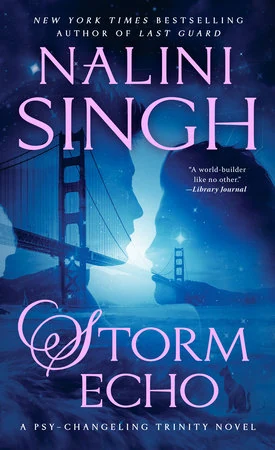
Soleil faces a stranger whom her animal half knows, while her conscious memories exist as fragments. The author explicitly makes broken recollection part of the romantic encounter rather than relying on a vague mysterious history.
This would provide a distinct comparison between remembered information and recognition expressed through changeling instinct. Her vengeance mission also means uncertainty about the past carries immediate consequences. The evidence supports memory disruption, and its authentic publisher cover has now been verified.
Before choosing: Psy/Changeling Trinity book six. Genuine fragmented memories verified; Authentic publisher cover verified 10 October 2026. No invented explanation of the memory loss or ultimate recovery.
Whose memories are missing, and what does the source establish?
Nalini Singh — Storm Echo: Soleil’s animal half recognizes a man while her conscious memories are tattered fragments; she pursues vengeance. (direct premise). Source: https://nalinisingh.com/books/psychangeling-trinity-series/storm-echo/.
Edition buttons become available when the specific format and destination are checked. Amazon opens a title-and-author search; choose your edition there.
Best for: Readers prepared for a pregnancy-centered mystery involving serious gaps in memory.
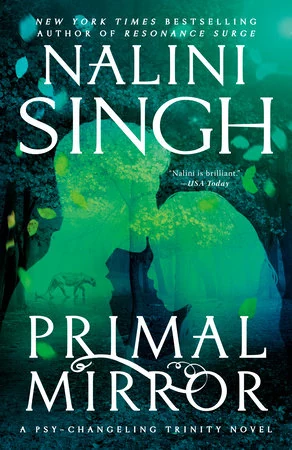
Auden’s thoughts are scattered and her memories can be blank following a brain injury. The author specifically says she cannot remember conceiving the baby she wants to protect. That is a verified missing-memory premise, not simply family secrets withheld from the reader.
Remi’s involvement in uncovering her family’s secrets would give this choice a different focus from forgotten romantic attachment: the missing information concerns bodily autonomy and the circumstances of pregnancy. The exact events behind those gaps are not inferred. The authentic publisher cover has been visually verified for this evidence-supported choice.
Before choosing: Psy/Changeling Trinity book eight. Brain injury, pregnancy and no recollection of conception are explicit; do not infer an unverified assault mechanism. Authentic publisher cover verified 10 October 2026.
Whose memories are missing, and what does the source establish?
Nalini Singh — Primal Mirror: Auden has fuzzy or blank memories after brain injury and no recollection of conceiving her unborn baby. (direct premise). Source: https://nalinisingh.com/books/psychangeling-trinity-series/primal-mirror/.
Edition buttons become available when the specific format and destination are checked. Amazon opens a title-and-author search; choose your edition there.
Best for: Readers wanting one partner to remember the relationship while the other cannot recognize their shared family.
The author explicitly states that the heroine’s mate wakes from a coma unable to remember her or their son, with the preceding two years missing. This makes the relationship itself the subject of the memory loss: one partner still knows their life together while the other has lost access to it.
Choose it for that mismatch of remembered intimacy and present unfamiliarity, within the alien setting of an established series. The heroine’s belief that he remains her mate does not prove that a biological bond restores his memories or removes the work of rebuilding trust. The verified setup includes a near-fatal event, coma and disrupted family recognition; no recovery timeline or final memory outcome is promised.
Before choosing: Exact two-year loss, forgotten partner/son, coma explicit; restoration and timeline unverified.
Whose memories are missing, and what does the source establish?
Ruby Dixon, official book page: Mate wakes from coma unable to remember heroine or their son; all preceding two years of memories are gone. (direct premise example). Source: https://rubydixon.com/book/barbarians-heart/.
Edition buttons become available when the specific format and destination are checked. Amazon opens a title-and-author search; choose your edition there.
Best for: Readers who want an established contemporary marriage disrupted by loss of autobiographical memory.
Jackson and Kate have been married for more than a decade and are raising two children when his severe head injury leads to coma and years of lost memories. The publisher specifically describes him not knowing his wife and children, so this is an actual relationship-memory-loss premise rather than secrecy, misunderstanding or metaphorical forgetting.
The family must navigate his unfamiliarity alongside Kate’s grief for the husband she remembers. The synopsis reports fragments returning and renewed parenting instincts, but gives no exact schedule or guarantee that every memory returns. Treat the medical expectations as part of this fictional premise rather than general recovery guidance. Its authentic cover is now registered and visually verified.
Before choosing: Verified exact memory-loss premise; Authentic cover verified and registered. No number of lost years supplied.
Whose memories are missing, and what does the source establish?
Dell / Penguin Random House Retail: Jackson sustains severe head injury and coma, loses years of memories including recognition of wife and children; later fragments return. (direct premise example). Source: https://www.penguinrandomhouseretail.com/book/?isbn=9798217094493.
Find it on Amazon · checking editionGet the paperback · checking editionGet the audiobook · checking editionRead our full review
Edition buttons become available when the specific format and destination are checked. Check the selected format before buying.
Reported classifications and qualified comparisons
These choices have an attributed memory-loss description or an adjacent memory-related premise. Each card explains its evidence boundary.
Best for: Readers interested in rebuilding trust when a prior relationship cannot initially be remembered.
Evie Kendal’s identified review describes Sahara’s memories as inaccessible behind a mental labyrinth after captivity and torture. She does not initially remember Kaleb, making their earlier connection unequal in what each partner knows. This supports a reported psychic memory-loss example rather than merely a concealed backstory.
The review says recovery depends on her subconscious feeling safe, which ties access to the past to the problem of trust. Readers should also consider the power imbalance between a traumatized woman and a powerful rescuer with additional motives. The account is attributed to the critic and is not presented as a clinical explanation of ordinary amnesia.
Before choosing: Psy/Changeling book twelve. Identified review discusses prolonged captivity, torture and a mentally constructed memory barrier; series knowledge matters. Do not imply a medical diagnosis or uncomplicated rescuer dynamic.
Whose memories are missing, and what does the source establish?
Evie Kendal — Dark Matter Zine review, 28 March 2015: Sahara’s mental labyrinth prevents access to memories; she initially cannot remember Kaleb and begins recalling identity and history. (identified review reported memory loss). Source: https://www.darkmatterzine.com/heart-of-obsidian/.
Edition buttons become available when the specific format and destination are checked. Amazon opens a title-and-author search; choose your edition there.
Questions that change the reading choice
Does an amnesia romance always involve a married couple?
No. The leads may have an established relationship, be meeting for the first time or be connected by a past one cannot recall. These starters distinguish those situations.
Is faked amnesia the same reading choice?
No. A deliberate performance creates different issues of knowledge and deception. These selections have missing memories established by author or publisher material, or explicitly attributed to an identified critic. None is included as a performed-amnesia example.
Will the lead regain every memory?
The trope alone does not answer that. Read the individual review’s ending evidence if complete restoration is essential to your choice.
Can I start either book without earlier series installments?
Both belong to established series. The reviews discuss their place and context; check that guidance rather than assuming a new couple makes every installment fully independent.
How these starting choices were researched
We inspected current competing guides and checked missing-memory premises through author material and publisher descriptions, attributing any additional interpretation to its identified publication. Each note separates confirmed loss from undisclosed history and unverified outcomes. Fictional premises do not establish medical realism, a recovery timetable or a complete romantic ending. These additions link existing researched assessments without adding ratings or claiming first-hand reading. The order groups evidence scopes rather than ranking quality; the collection remains incomplete.