Fated Mates Romance: Compare the Bond and the Choice
A supernatural force identifies two people as bonded or destined for one another. The premise can offer immediate recognition, intense attraction or a troubling certainty that the characters must decide how to live with.
Compare 6 researched starting choices by the mate connection, the setting and the freedom to respond. Primary-backed connections and reported classifications are distinguished, with any adjacent comparison clearly qualified. Follow each existing assessment for content cautions and series guidance.
Original editorial artwork inspired by this page’s theme; not an official book cover or a claimed book scene.
Updated 10 October 2026 · Eikna Editorial Team · Researched editorial assessments
Compare the bond and the characters’ choices
A biological selection, a character’s mate recognition and a reported magical bond offer different entry points. The notes identify what the source confirms; attraction, marriage and supernatural species alone do not prove predestined partnership.
Identified publication reports the fated-mates classification; precise rules remain unverified
Readers seeking an independently reported fated-mates fantasy alongside a politically imposed marriage.
What does the bond decide, and what remains a choice?
A destined bond can identify a partner without giving the characters trust, compatibility or an agreed future. Start by asking what the story's mechanism actually does. It might create bodily attraction, convey information or place an obligation on the pair. Then ask how the people respond. Immediate recognition, resistance and a negotiated commitment offer different reading experiences, even when each begins with a force neither person chose.
Starting point
What drives it
What to check
Immediate recognition
A bond makes a potential partner unmistakable
Recognition does not establish mutual trust
Resistance to the bond
One or both people question what fate demands
Check what refusing would cost and whether refusal is respected
Uncertain interpretation
Characters must understand a signal or rule
Do not substitute strong attraction for proof of a specific bond
A later-series revelation
Earlier events gain a different romantic meaning
Check volume-level evidence and spoilers before assigning the trope
Learn the mechanism before choosing the mood
Biological pairing and magical fate can produce similar romantic questions while belonging to different story worlds. A bodily response is not necessarily prophecy; a political marriage is not necessarily a supernatural match. The alien selections use symbiont-based pairing, while the other cards identify their own evidence for a mate connection or a reported classification. Compare each mechanism separately; no selection represents the full range of destined-partner romance.
Recognition and consent need separate attention
A character's conviction that someone is their mate does not establish the other's agreement. Read how the story treats resistance, bodily influence, social pressure and the freedom to leave. Our researched reviews discuss criticisms of agency alongside positive responses to devotion and chemistry. A possessive premise should not be softened into a general promise of safety.
Fate cannot replace relationship assessment
Knowing a partner's identity may move the story past searching for love, but the couple still needs to communicate and act on competing needs. Decide whether you want quick physical attraction followed by trust, or a longer courtship despite recognition. The bond label cannot establish heat, relationship quality, a happy ending or how much series reading is required.
Use this route when you want to choose the wider world and kind of danger. Its books use different relationship structures; a supernatural setting does not mean every selection has fated mates.
A recognized bond can coexist with a slow emotional relationship. This guide helps you distinguish waiting for attraction from waiting for acknowledgment or commitment.
Choose this guide when you enjoy commitment arriving before love but prefer a negotiated agreement. Its bargain creates obligations through the story's social world rather than a proven supernatural mechanism.
6 researched starting choices for mate recognition and choice
These choices link existing researched assessments. The notes distinguish primary-backed mate connections from attributed classifications and adjacent comparisons. A mate claim is not consent, and a known bond does not settle trust or compatibility. This remains a starter collection rather than an exhaustive list.
Purchases through Amazon, Bookshop.org and Libro.fm links may earn us a commission. As an Amazon Associate, Eikna Romance earns from qualifying purchases, at no extra cost to you.
Primary-backed mate connections
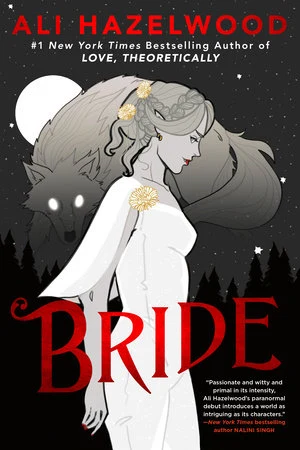
Bride
Ali Hazelwood
Bond evidence: Primary source establishes a mate connection or bond
Best for: A mate connection complicated by distrust and an arranged alliance
Misery enters Were territory through a marriage intended to preserve peace between hostile groups. That public arrangement gives the romance a reason to exist before either person understands the other. Ali Hazelwood explicitly identifies fated mates and forbidden love as part of Bride’s design in her Audible interview. The publisher separately establishes the political marriage and Lowe’s distrust.
This suits readers who want a mate story with competing explanations for a partner’s behavior. Misery has her own reason for accepting the alliance, so the relationship cannot be understood solely through the marriage agreement. The reported bond adds a further layer to a pairing already shaped by secrecy and unequal knowledge.
Before choosing: The author confirms the trope, but the interview does not specify every bond rule. The identified review questions some behavior within the bond; do not present destiny as proof that every choice is caring. Consult the existing assessment for explicit-content and agency cautions.
What mate connection does the source establish?
Ali Hazelwood — Audible interview, 7 February 2024: Author explicitly describes writing fated mates and forbidden love in Bride, while explaining her romance-first approach to the world. (verified primary bond). Source: https://www.audible.com/blog/ali-hazelwood-bride-audio-interview.
Penguin Random House — Bride: Publisher confirms peacekeeping marriage between Vampyre Misery and Were alpha Lowe, his distrust, and her private reason for agreeing. (verified primary premise). Source: https://www.penguinrandomhouse.com/books/721699/bride-by-ali-hazelwood/.
FranJessca — Book Lovin’ Mamas review, June 8 2024: Reviewer explicitly classifies Lowe and Misery as fated mates while questioning how the relationship handles that connection. (verified identified review bond). Source: https://booklovinmamas.net/review-bride-by-ali-hazelwood/.
Edition buttons become available when the specific format and destination are checked. Check the selected format before buying.
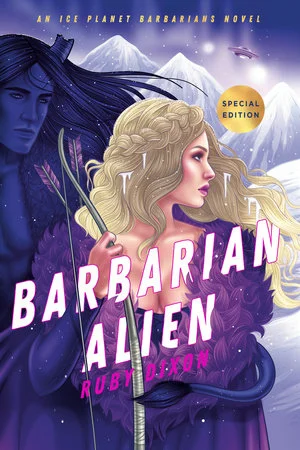
Barbarian Alien
Ruby Dixon
Bond evidence: Primary source establishes a mate connection or bond
Best for: Resistance to a biological match rather than instant acceptance
Liz needs a symbiont to survive on the ice planet, but its selection of Raahosh as her mate creates a different problem. The publisher explicitly describes her refusal to accept that its decision determines her relationship. The bond is therefore established in the premise while her willingness to follow it remains contested.
This offers a sharper comparison with Georgie’s story because the match itself becomes an argument about agency. Raahosh takes Liz away from the group, hoping to make her fall for him, while she pushes back against both him and the supposed inevitability of their pairing. Read it for resistance to the mate system, with the coercive situation kept clearly in view.
Before choosing: Book two. Publisher explicitly describes Raahosh taking Liz away from the group and her resistance. A symbiont’s choice does not establish consent, emotional trust or permission to isolate a partner.
What mate connection does the source establish?
Penguin Random House — Barbarian Alien: Publisher states Liz’s symbiont selects Raahosh as her mate, he takes her away from the group, and she rejects treating the biological match as automatic agreement. (verified primary bond). Source: https://www.penguinrandomhouse.com/books/706933/barbarian-alien-by-ruby-dixon/.
Edition buttons become available when the specific format and destination are checked. Amazon opens a title-and-author search; choose your edition there.
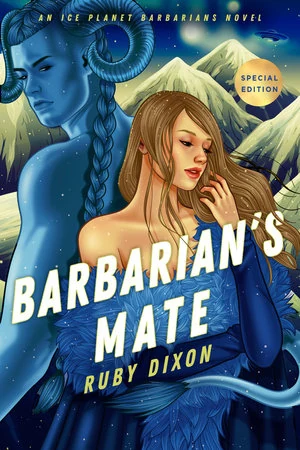
Barbarian’s Mate
Ruby Dixon
Bond evidence: Primary source establishes a mate connection or bond
Best for: Readers who want a confirmed mate bond that does not initially match the heroine’s wishes.
The author defines resonance as a mechanism that chooses a soulmate and explicitly says the heroine’s chosen partner is Haeden, her least favorite person on the planet. That is a verified predetermined mate connection, rather than an alien using mate as a general word for a lover.
Her desire to be loved does not mean she welcomes this particular match. The description places bodily recognition alongside her dislike and his attempts to prove himself, making it useful for readers interested in the difference between a bond and emotional trust. Do not assume the mechanism settles consent, guarantees immediate love or removes the work of building a relationship. The author identifies this as a later Ice Planet Barbarians installment.
Before choosing: Resonance-selected soulmate explicit; recognition does not establish consent or instant emotional acceptance. Authentic cover now registered and visually verified.
What mate connection does the source establish?
Ruby Dixon, official book page: Resonance chooses the heroine’s soulmate, Haeden, despite her dislike; his efforts to change her assessment are explicit. (direct premise example). Source: https://rubydixon.com/book/barbarians-mate/.
Edition buttons become available when the specific format and destination are checked. Amazon opens a title-and-author search; choose your edition there.
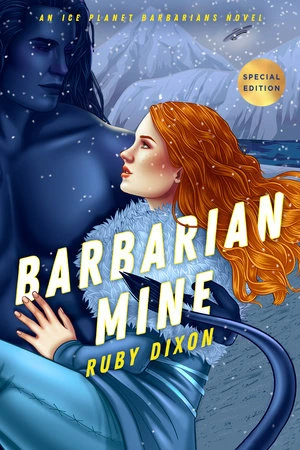
Barbarian Mine
Ruby Dixon
Bond evidence: Primary source establishes a mate connection or bond
Best for: Readers seeking a verified biological mating connection while retaining the capture’s consent problems.
Harlow’s connection to Rukh is explicitly identified as resonance in the author’s special-edition description. The same source explains that resonance means mating and children. That establishes the bond mechanism for this particular pair, independently of the fact that they inhabit an alien-romance series.
The connection occurs after Rukh kidnaps and claims her, so this is a markedly different route into a mate bond from welcoming an anticipated soulmate. Readers should keep the coercive setup visible; the original author description also states a head-strike during capture. A biological match does not turn that act into permission. This is a later series installment, and the checked premise does not provide a complete account of subsequent boundaries.
Before choosing: Explicit pair-specific resonance; kidnapping and violent capture caveat retained. No consent inferred from bond.
What mate connection does the source establish?
Ruby Dixon, official special-edition description: Harlow resonates to Rukh after he captures her; resonance means mating and children. Author explicitly identifies kidnapping. (direct premise example). Source: https://rubydixon.com/special-edition/barbarian-mine/.
Ruby Dixon, original description: Capture includes striking her over the head and claiming her. (direct premise example). Source: https://rubydixon.com/book/barbarian-mine/.
Edition buttons become available when the specific format and destination are checked. Amazon opens a title-and-author search; choose your edition there.
Reported classifications and qualified comparisons
These choices have a reported trope label or an adjacent connection whose precise rules remain unverified. Each card explains its evidence boundary.
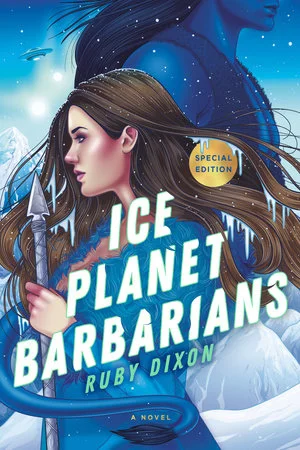
Ice Planet Barbarians
Ruby Dixon
Bond evidence: Identified publication reports the fated-mates classification; precise rules remain unverified
Best for: A biological match encountered while adapting to an unfamiliar planet
Georgie’s search for help on an ice planet brings her into contact with Vektal. Livvy Lance’s review explains their connection through resonance: the khui that makes life on the planet possible also selects mates. This gives the attraction a specific fictional mechanism, rather than treating Vektal’s interest alone as evidence of destiny.
Choose this for a mate story embedded in immediate survival and contact with an unfamiliar society. Georgie has other stranded women to think about as well as her own encounter with Vektal. The match arrives alongside practical questions about shelter, safety and how the newcomers can live in a place they did not choose.
Before choosing: The exact resonance mechanism is verified through an identified review; the author’s public synopsis confirms abduction and stranding but does not explain that mechanism. Abduction and third-party violence are part of the setup; consult the existing review for fuller content guidance.
What mate connection does the source establish?
Ruby Dixon — Ice Planet Barbarians: Author synopsis confirms alien abduction, stranded human women and a native alien’s interest in the narrator. (verified primary premise). Source: https://rubydixon.com/book/ice-planet-barbarians/.
Livvy Lance — What Livvy Reads, Ice Planet Barbarians review: Book-one review explicitly identifies Georgie and Vektal’s resonance and explains khui selection of fated mates. (verified identified review bond). Source: https://whatlivvyreads.com/category/romantasy-book-reviews-and-more/alien-romance/.
Edition buttons become available when the specific format and destination are checked. Amazon opens a title-and-author search; choose your edition there.
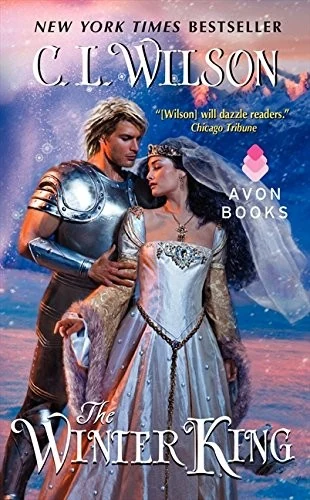
The Winter King
C. L. Wilson
Bond evidence: Identified publication reports the fated-mates classification; precise rules remain unverified
Best for: Readers seeking an independently reported fated-mates fantasy alongside a politically imposed marriage.
DIYbunker includes The Winter King in its fated-mates selection. That is an attributed classification rather than a bond directly established by the author’s synopsis. C. L. Wilson’s own account confirms Khamsin’s imposed marriage to Wynter, their opposing weather powers and her desire for his love.
This choice is useful for readers who want an epic weather-magic setting and a relationship beginning under political pressure. Keep the reported trope separate from the verified premise: the exact nature of a romantic bond, its rules and whether it overrides choice have not been independently checked. The source’s detailed heart-bond description is not adopted as established mechanics here.
Before choosing: DIYbunker’s fated-mates classification is reported. Precise heart-bond mechanics and predestination rules remain unverified; the author confirms marriage and weather-magic context.
What mate connection does the source establish?
C. L. Wilson — The Winter King: Khamsin’s imposed marriage, passion, tenderness and Ice Heart threat; no named mating bond in inspected page. (direct premise insufficient for bond). Source: https://clwilson.com/the-books/the-winter-king/.
DIYbunker — 20 Fated Mates Romance Books, updated 5 July 2026: Explicitly includes The Winter King by C. L. Wilson in its fated-mates list. Detailed bond mechanics are not adopted without corroboration. (identified publication reported bond). Source: https://www.diybunker.com/fated-mates-books/.
Edition buttons become available when the specific format and destination are checked. Amazon opens a title-and-author search; choose your edition there.
Questions that change the reading choice
Are fated mates and instant love the same?
No. Immediate recognition or attraction can precede emotional attachment. The characters' response to the bond determines how the relationship develops.
Do these examples cover all fated-mates romance?
No. This collection combines primary-backed mate connections with clearly attributed classifications. The alien books share a series and mechanism; other selections add different contexts. It remains a bounded starter collection, with precise bond rules unresolved where the sources do not establish them.
Can a series tag establish the trope in every volume?
No. A later revelation may change how earlier events are understood. We check the particular work and retain uncertainty rather than copying a series label onto every book.
Paranormal Fated Mates: Supernatural Bonds, Earned Trust and Personal Choice
Choose paranormal fated mates by the role of the bond, with Bride as an author-confirmed reviewed starter and clear distinctions between destiny, marriage, agency and heat.
Fated-Mates Fantasy Romance: Magical Connection and Chosen Commitment
Fated-mates fantasy romance gives a relationship a connection beyond an ordinary meeting, often through magic or a world’s understanding of destiny. That connection can create recognition, pressure or uncertainty. The reading choice is how the characters
Dark Fated-Mates Romance: Destiny, Possession and the Right to Refuse
Dark fated-mates romance brings the promise of a destined bond into a relationship shaped by danger, possession or captivity. The bond can explain why the leads are.
MM Fated-Mates Romance: Recognition, Courtship and Choice
Wolf-shifter mate romance combines a supernatural relationship with the social world of a pack. The appeal can lie in recognition, belonging or the tension between an animal instinct and a deliberate choice. Check what a specific book says about its bond: having wolf shifters is not enough to establish instant fated mates.
How these starting choices were researched
We inspected current competing guides and checked mate connections through author material, publisher descriptions and primary text, attributing any additional trope classification to its identified publication. Each note separates confirmed connection from unverified rules. Recognition does not establish consent, instant love or a complete ending. These additions link existing researched assessments without adding ratings or claiming first-hand reading. The order groups evidence scopes rather than ranking quality; the collection remains incomplete.