Bully Romance: Cruelty, Leverage and the Road to Repair
Bully romance makes the eventual love interest’s mistreatment part of the relationship itself. Targeted humiliation, exclusion or intimidation creates a different conflict from two competitors trading sharp remarks. Readers who seek the trope may want the reversal of power, the confrontation with earlier harm or a difficult redemption. Naming the behavior gives them a better choice than describing everything as enemies to lovers.
This adult-audience guide begins with Tryst Six Venom, which Penelope Douglas explicitly calls an F/F bully romance for readers eighteen and over. The school setting does not make it a YA recommendation. The author supplies substantial content notes, and this premise-based starter is not a new first-hand review or a guarantee that the relationship repair will satisfy you.
Thematic romance artwork, not a published book cover or a scene from a listed novel.
Updated 8 October 2026 · Eikna Editorial Team
Distinguish the source of conflict
Setup
What drives it
What to check
Targeted bullying
The love interest deliberately causes repeated harm
Check humiliation, intimidation and the target’s ability to respond
Mutual rivalry
Both leads pursue an outcome in competition
Competition alone does not establish bullying
Hostile banter
Sharp exchanges drive attraction or friction
Look at consequences rather than counting insults
Shared outside threat
The leads confront someone else’s cruelty
A bullying subplot does not make the romance bully-to-lover
Choose the reading experience
Leverage explains more than the number of arguments
Social standing, money, group support or private information can let one lead hurt the other with little immediate consequence. A recommendation should say what creates that leverage and whether the target has meaningful alternatives. Mutual attraction does not make those circumstances equal. This distinction is particularly useful when a list mixes wealthy school hierarchies with adult workplace conflict.
Choose the kind of reckoning you want
A confession, punishment or grand gesture can signal regret without repairing the actual harm. Some readers want a sustained change in conduct; others primarily want the fictional intensity and confrontation. Decide which experience matters before reading. We do not promise a substantial grovel from the bully label alone, and we do not assume an eventual couple means every reader will find the transition convincing.
School settings need separate audience checks
High-school settings appear in books aimed at very different audiences. Tryst Six Venom’s author specifically places it in new adult and identifies an eighteen-plus readership. That audience statement does not independently provide an exact age for every character. We keep audience, character ages and sexual-content evidence separate rather than moving a book into a teen list because its characters attend school.
Content is broader than the central cruelty
An author’s inventory can include self-harm, violence or abuse beyond the couple’s exchanges. Those subjects should not disappear behind a generic high-angst label. The starter’s official content note names bullying, homophobia, self-harm, suicide, sexual assault, abuse, eating disorders and outing among its topics. Consult the full author note for the complete list and decide whether the particular material fits your boundaries.
Starting points and their evidence
These are small starter examples, not a completed or ranked recommendation list. Reviewed selections link to existing evidence-based editorial assessments. Other examples are identified as researched premises or pending research leads; they have no new rating or claim of first-hand reading.
Tryst Six Venom
Penelope Douglas
Confirmed premise example
Clay’s social position and repeated torment of Olivia are explicit in the author’s description. Douglas identifies the book as a standalone F/F bully romance for an eighteen-plus readership. That makes it a direct premise match, while exact character ages and the effectiveness of the relationship repair remain separate assessments.
Before choosing: The official note includes homophobia, self-harm, suicide, sexual assault, abuse, eating disorders and outing, among other subjects. Check that full inventory before choosing; this starter has no newly assigned rating.
Author or publisher premise source · checked 8 October 2026
The Tryst Six Venom review explains Consider Tryst Six Venom for a long, volatile sapphic enemies-to-lovers story whose chemistry and social pressure are inseparable from the bullying. Avoid it if a high-school setting, targeted humiliation or delayed repair makes romantic investment impossible. It also offers content notes and three comparisons to help you choose.
Reviewed starting points
These directly assessed choices show distinct versions of this collection. They are substantive starting points; the collection remains incomplete.
Purchases through Amazon, Bookshop.org and Libro.fm may earn us a commission. As an Amazon Associate, Eikna Romance earns from qualifying purchases, at no extra cost to you.
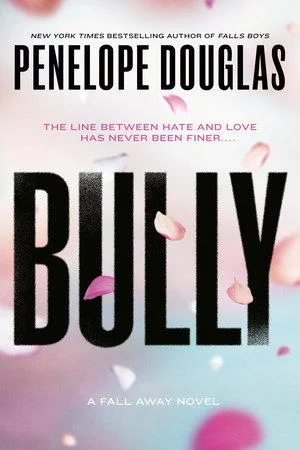
Bully
Penelope Douglas
A mature-content high-school example: Tate returns after a year abroad and challenges the former friend who has made her school life miserable. Teenage leads distinguish it from adult-lead bully romance.
Read the assessment for the sharp disagreement about accountability: narrative intensity and later affection do not by themselves settle whether the harm is adequately repaired.
Edition buttons become available when the specific format and destination are checked. Check the selected format before buying.
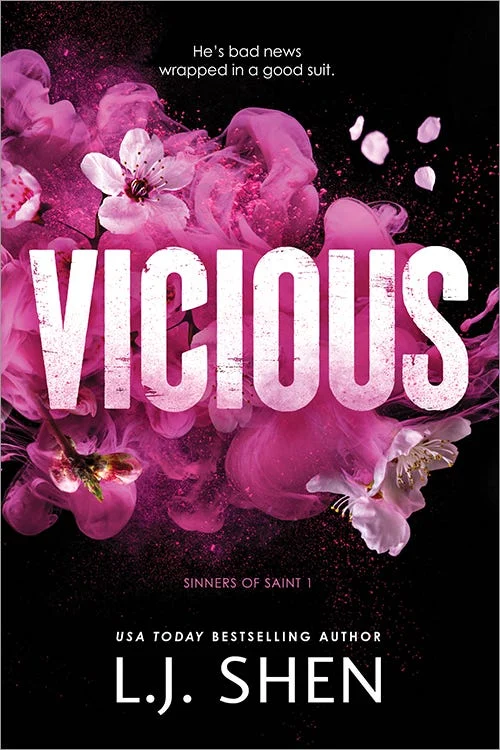
Vicious
L.J. Shen
Vicious brings a school-era bully back into the heroine’s working life a decade later. Emilia’s family once depended on his household; the adult reunion carries that history into a new imbalance. The question for readers is how much repair they need before attraction becomes a convincing romance.
Best for readers comfortable with a persistently cruel romantic lead and an adult reunion shaped by school-era harm. Avoid it if attraction cannot compensate for manipulation, financial leverage or disputed repair.
YA bully-romance searches can blur several different stories: a teen confronting a tormentor, mutually antagonistic classmates finding attraction, or a.
MM bully romance concerns a relationship between men in which one has harmed the other through bullying, either in the present or in a shared past.
What to check when you want accountability and groveling
If you want a college bully romance with groveling, define the change you need to see. An apology, a dramatic gesture and sustained different behavior are not interchangeable. Some readers want emotional pleading; others need the person who caused harm to restore practical agency or accept consequences even before affection is returned.
The starting premise can establish bullying but rarely proves the quality of later repair. A source saying that the characters eventually fall in love does not show whether the hurt is acknowledged or whether forgiveness is rushed. Specific later-story evidence is necessary before labelling a book an assured groveling recommendation.
This college guide keeps accountability as a reading decision rather than an invented outcome. Ask who caused the harm, what they change and whether the hurt person can refuse reconciliation. If you need a long, substantial repair arc, verify its presence directly instead of relying on the trope name, a possessive hero or a promised romantic ending.
High-school settings require a separate audience check
A bully romance can take place at school while being marketed to adults. Conversely, a YA story can address bullying without being a romance between the bully and the person harmed. Separate the location, the intended audience and the relationship premise before choosing. None of those three facts establishes the other two.
For a younger reader, seek publisher audience information and book-specific content guidance. Do not infer appropriateness from uniforms, a school name or the leads’ stated ages alone. For an adult reader seeking a school-based dark romance, verify the relevant ages and the author’s content notice rather than treating a high-school tag as permission to guess.
The main bully guide explains the relationship question without relabelling adult dark books as YA. Consider whether your interest is a hostile courtship, recovery from bullying or accountability by someone who caused harm. These have different inclusion boundaries and may require different books even when all share a classroom setting.