YA Bully Romance: Teen Conflict, Boundaries and Growth
YA bully-romance searches can blur several different stories: a teen confronting a tormentor, mutually antagonistic classmates finding attraction, or a romance unfolding while other people bully one lead. Identify who causes the harm and how the story treats it. A school setting alone cannot answer the audience question, because adult romances can also take place at academies.
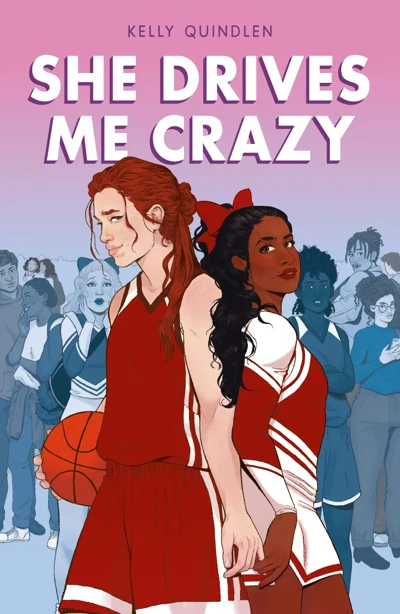
This guide helps you distinguish targeted cruelty from a sharp teen rivalry while keeping age guidance separate from trope labels. The existing reviewed comparison, She Drives Me Crazy, is publisher-described YA about high-school nemeses. It is adjacent rather than a certified bully-to-lovers example, so readers seeking that exact reversal should keep the missing fit in view.
Authentic published cover of one starter selection; not a claim about every book in the guide.
Updated 9 October 2026 · Eikna Editorial Team
Choose the relationship dynamic
Setup
What drives it
What to check
Mutual school nemeses
Both contribute to antagonism
Is rivalry the closer request?
Directed teen bullying
One person repeatedly targets another
What support and consequences appear?
Romance around outside harassment
A lead is harmed by others
Is the love interest a protector rather than bully?
Narrow the reading experience
Teen audience and school setting are separate checks
A publisher’s YA category is useful audience information, but it is not a detailed content assessment for an individual reader. Conversely, an academy full of young adults may be sold to adults and contain material a YA search was not intended to find. Start with the stated audience, then investigate the kinds of harassment, violence or intimacy that matter to the person choosing the book.
Look at the direction of the behaviour
A competitive disagreement can escalate without one character holding sustained power over another. A bully dynamic can instead involve repeated targeting, exclusion or threats that the other person cannot easily answer. In a romance, those facts should not disappear when attraction begins. If you want a lighter school conflict, a nemeses or rivals story may meet the request more accurately than the darkest title on a bully shelf.
Growth needs more than a romantic reward
Readers may want the teen characters to develop friendships, apologise, seek support or understand their own behaviour beyond winning affection. Those changes can be part of the emotional appeal even when the relationship remains messy. Seek a supported review that addresses how boundaries and consequences are handled. A publisher synopsis establishes a starting conflict; it cannot demonstrate that the completed story makes every difficult choice convincingly.
Starting points and their evidence
These are small starter examples, not a completed or ranked recommendation list. Reviewed selections link to existing evidence-based editorial assessments. Other examples are identified as researched premises or pending research leads; they have no new rating or claim of first-hand reading.
Purchases through Amazon, Bookshop.org and Libro.fm links may earn us a commission. As an Amazon Associate, Eikna Romance earns from qualifying purchases, at no extra cost to you.
She Drives Me Crazy
Kelly Quindlen
Editorial interpretation
The publisher describes Scottie and Irene as high-school nemeses in a queer YA romantic comedy. An existing Eikna review is available.
Before choosing: Adjacent YA nemeses comparison; not certified here as sustained bully-to-lovers. Use the review for its boundary discussion.
Author or publisher premise source · checked 9 October 2026
Edition buttons become available when the specific format and destination are checked. Amazon opens a title-and-author search; choose your edition there.
Questions that change the reading choice
Is She Drives Me Crazy an exact bully recommendation?
No. Its publisher identifies high-school nemeses, and the existing review discusses the relationship’s difficult behaviour and development. It is a YA comparison that helps show the boundary between mutual antagonism and a verified bully-to-lovers pattern. The guide does not add a new classification.
Does YA mean no difficult content?
No. YA is an audience category and can include distressing situations. A reader may need detail about specific content even when the publisher’s category fits their age group. Avoid treating an illustrated cover or a YA label as proof that bullying is mild.
How can I ask for a more precise book?
Name the audience, whether the harm is current or past, whether the romantic lead is responsible, and which behaviour you want excluded. You can also ask for a rivalry with apology and growth instead of a bully relationship. Those details produce a clearer request than a general school-romance search.