
By Eikna Editorial Team · Research checked 4 October 2026 · Editorial standards
Separate four kinds of difference
| Difference | Reader appeal to explore | Question worth asking |
|---|---|---|
| Social expression | A contrast in how people show interest | Does reserved mean rude, private or simply quiet? |
| Work or creative approach | Different methods that create friction | Can they respect each other’s competence? |
| Money or access | A relationship shaped by unequal resources | What options does the less-resourced person retain? |
| Professional authority | Attraction across an institutional hierarchy | Can refusal affect someone’s career or security? |
Temperament and authority can coexist
The Love Hypothesis by Ali Hazelwood
The author describes Olive as a Ph.D. candidate and Adam as a professor with a difficult reputation.
A gruff reputation may explain one part of the appeal, but it should not conceal the academic hierarchy. Decide whether you want the personality contrast, the institution-based tension or both; then read the assessment’s discussion of disputed choices.
Read the author or publisher premise We may earn a commission from purchases through our links, at no extra cost to you. Find this book on Amazon · Compare the relationship assessment
Different creative methods offer another route
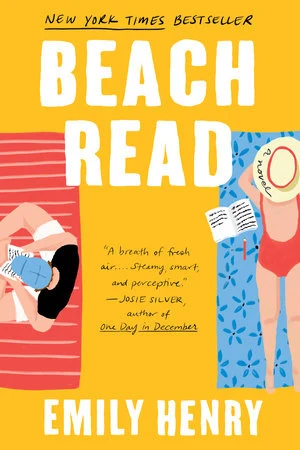
Beach Read by Emily Henry
January and Gus are writers who challenge each other to work in the other’s genre.
The contrast concerns how they approach writing and what they believe a story can do. Choose this route for creative friction. A challenge between writers does not itself establish that one person is sunshine and the other is grumpy.
Read the author or publisher premise Find this book on Amazon · Compare the relationship assessment
A diagnosis is not a personality trope
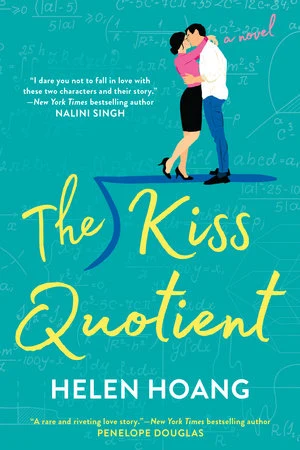
The Kiss Quotient by Helen Hoang
The author’s premise identifies Stella as autistic and describes her methodical approach to intimacy lessons.
Autism is representation, not shorthand for coldness, innocence or a predictable romantic arc. Readers may share a diagnosis and respond differently to its portrayal. Consult the specific representation discussion rather than inferring quality from the label.
Read the author or publisher premise Find this book on Amazon · Compare the relationship assessment
Status labels need evidence
A crime-family leader is not automatically a billionaire. A wealthy love interest is not automatically a boss. A protective person is not automatically a bodyguard. Each label describes a different factual circumstance, and the distinction matters when you are choosing a particular fantasy or want to avoid a hierarchy.
For a status-based recommendation, look for the occupation, resources or authority in the author or publisher premise. For the relationship assessment, look for what those circumstances do to the couple’s choices. The first is metadata; the second requires editorial interpretation.
Look for a person beyond the contrast
A strong recommendation should tell you what each character wants outside the relationship. Career, family loyalty, creative ambition and belonging give the contrast somewhere to develop. “Opposites attract” becomes more useful when the difference creates a specific disagreement or allows one person to understand the other in a new way.
You can also choose similarity. Two lovers who value the same work may clash over methods rather than fundamental values. Shared ambition can create as much tension as contrasting temperaments.
Choose your next comparison
- Grumpy–sunshine starters — Explore a personality contrast without assuming low angst.
- Character discovery hub — Choose by a supported role or circumstance.
- Relationship dynamics — Separate a character difference from actual opposition.
- Situational tropes — See what creates contact between the lovers.
- Reasoned readalikes — Keep one appeal while changing the surrounding story.
Questions readers ask
Does opposites attract mean enemies to lovers?
No. Different habits or values can create fascination without hostility. For enemies, look for actual opposition between the lovers.
Is a grumpy character necessarily cruel?
No. The label is too broad to settle that question. A useful assessment describes the behaviour and how the other person experiences it.
Can representation tell me whether a book will fit me?
It can identify a meaningful starting point. It cannot establish a universal experience or certify that every reader with that identity will like the portrayal.
These are source-backed editorial reading routes. They do not claim firsthand reading or assign new review scores.