Dark Enemies-to-Lovers Romance: Hostility, Harm and the Work of Trust
Dark enemies-to-lovers romance asks more of a relationship change than an exchange of sharp remarks. The hostility may involve betrayal, coercion or actions that cause lasting harm. Readers choosing this combination need to know what the characters have done to each other and what the story considers sufficient grounds for trust.
This explanatory guide separates dangerous opposition from ordinary antagonistic courtship. Captive Prince appears as an adjacent political-fantasy boundary example, with its trilogy context clearly stated. It is useful for discussing actual enemies and reader disagreement, but it is not presented as a confirmed strict dark romance or a complete romantic story in its first volume.
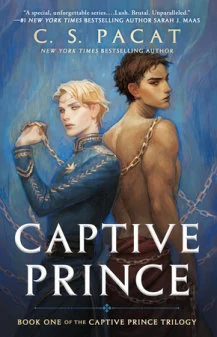
Authentic published cover of one starter selection; not a claim about every book in the guide.
Updated 9 October 2026 · Eikna Editorial Team
Compare the reading choices
Setup
What drives it
What to check
Personal betrayal
A harmful act makes hostility concrete
Whether the consequences remain visible
Opposing political allegiance
Cooperation conflicts with loyalty and survival
Whether alliance is being mistaken for affection
Dangerous attraction
Desire and safety point in different directions
The difference between explanation and changed conduct
Narrow the reading experience
Identify the act that makes them enemies
Mutual dislike, professional competition and serious harm create different emotional demands. Before choosing a dark enemies story, ask whether the antagonism involves actions, allegiance or misunderstanding. A joke can soften a disagreement; it cannot by itself repair betrayal or abuse. Readers who want a substantial reconciliation need a premise that leaves room for the consequences, rather than treating hostility as a decorative way to intensify attraction.
Ask what changes before trust becomes possible
A relationship can move through practical cooperation, recognition of competence and limited reliance without reaching forgiveness. These stages matter when opposition has real stakes. If you enjoy political maneuvering, an alliance may be rewarding long before any affection emerges. If you mainly want romantic reassurance, check how far the chosen volume actually takes that progression and whether the transition requires later books.
Keep explanation separate from repair
A character’s hidden motive can alter the reader’s understanding of a harmful act. It does not automatically undo the act or establish that the harmed person now feels safe. Look for the kind of change you want: acknowledgement, altered behavior, restitution or simply a more complicated view of the conflict. The guide cannot choose which form of reconciliation will satisfy every reader.
Choose the kind of darkness you want
Some books place troubling behavior inside the central relationship; others surround a developing couple with a violent world. These can overlap, but they are not the same experience. Check content notes and critical disagreement before choosing from a broad dark label. A politically brutal fantasy may illuminate the boundary without belonging to the exact dark-romance subgenre you were searching for.
Starting points and their evidence
These are small starter examples, not a completed or ranked recommendation list. Reviewed selections link to existing evidence-based editorial assessments. Other examples are identified as researched premises or pending research leads; they have no new rating or claim of first-hand reading.
Purchases through Amazon, Bookshop.org and Libro.fm links may earn us a commission. As an Amazon Associate, Eikna Romance earns from qualifying purchases, at no extra cost to you.
Captive Prince
C. S. Pacat
Adjacent political fantasy · strict dark-romance classification not established
The author’s trilogy premise places Damen under Laurent’s control in an enemy court and makes a survival alliance necessary. That supports a discussion of hostility with material consequences. We use the existing review to keep the conflicting responses to this setup visible, rather than describing captivity as flirtatious banter.
Before choosing: Captive Prince is the opening volume of a political-fantasy trilogy. Kristen at Metaphors and Moonlight reports no romance in book one, and Renee Sevinsky rejects a strict dark-romance label. Slavery, sexual abuse and violence are material reading considerations. This is an adjacent boundary example, not a completed standalone dark romance; numerical heat and a first-volume romantic ending remain unassigned.
Author or publisher premise source · checked 9 October 2026
Edition buttons become available when the specific format and destination are checked. Amazon opens a title-and-author search; choose your edition there.
Questions that change the reading choice
How does this differ from rivals to lovers?
Rivalry usually centers on competing aims or status. Enmity can involve a more fundamental conflict or inflicted harm. Neither label should be assigned merely because characters argue. This guide prioritizes the nature of the opposition and what must change, while a rivals guide asks what the competition means to each person.
Why include a book that is not a strict dark romance?
Captive Prince is explicitly labelled an adjacent boundary example. Its author-confirmed captivity and hostile political alliance help explain the difference between banter and dangerous opposition. Its use here does not change its canonical classification or promise that book one completes the romantic arc.
Does eventual attraction mean earlier harm is forgiven?
No. Attraction, reliance, forgiveness and trust describe different developments. A reading guide should make room for that distinction rather than use the eventual pairing to settle every ethical question. Readers can find a story compelling while remaining unconvinced by its handling of the relationship.
Sexual explicitness and central-couple romance in dark enemies stories
If you want a spicy dark enemies-to-lovers romance, check that the sexual content belongs to the relationship you want to follow. Sexual violence, exploitation and an explicit hostile world can appear before any central-couple romance develops. A high-detail description therefore cannot establish a fulfilled romance or positive sexual intimacy between the leads. Ask about the couple’s romantic development and the individual volume as well as the content boundary.
Captive Prince is an adjacent political-fantasy comparison rather than a verified spicy-romance match for its first volume. The publisher identifies the opening of a trilogy, while the existing assessment preserves a critic’s report of no romance in book one. Do not use its sexual-content warnings as a substitute for romantic heat, and do not move an eventual trilogy outcome into the opening book.
Sources and verification limits · checked 9 October 2026