Marriage-of-convenience romance begins with a union that serves a practical purpose while romantic commitment is still unsettled. A character may need financial security, an inheritance, support for a project or a partner acceptable to powerful relatives.
These 13 reviewed selections span contemporary life, historical society and political fantasy. Start by asking who proposes the union and what the other person can refuse. The cards distinguish negotiated bargains from arranged or imposed political marriages, then explain the appeal and limits of each choice. Unknown heat and endings remain unknown.
Original editorial artwork inspired by this page’s theme; not an official book cover or a claimed book scene.
Updated 10 October 2026 · Eikna Editorial Team · Researched editorial assessments
What does each person need from the marriage?
A practical marriage makes the relationship official before its emotional meaning is settled. The bargain might secure a home, satisfy an inheritance condition or meet a social obligation. Start by comparing the benefit on each side. Two people solving different problems can have compelling reasons to negotiate, but the story feels different when one controls the money or the other's alternatives. The agreement supplies the setup; the changing relationship needs attention beyond it.
Starting point
What drives it
What to check
An inheritance condition
Marriage unlocks property or money
Who benefits, and how is that benefit shared?
A home or financial security
The arrangement offers practical stability
Can either person refuse without losing basic security?
An heir or social duty
Marriage meets an obligation in the story's world
How are reproductive expectations and unequal status handled?
An existing practical marriage
A previous agreement must now look romantic
Separate private attachment from the performance for outsiders
Read the terms as part of the relationship
A rule about separate rooms, a time limit or a promise of discretion tells you what the characters expect to protect. When affection develops, watch who gets to revise that rule and whether the other person has a meaningful say. Negotiation can reveal respect; unilateral changes can make a supposed partnership feel unequal. A witty opening does not resolve those questions by itself.
Different settings change the bargain
Historical stories may tie marriage to property, reputation or the expectation of an heir. Contemporary stories can make an inheritance clause or housing problem the trigger. Fantasy can use a diplomatic alliance. Choose the setting that interests you, then inspect the actual terms rather than assuming all practical marriages create the same stakes.
Distinguish arrangement, performance and consent
An arranged marriage concerns who organizes the match. A marriage of convenience concerns why the partners accept it. Fake dating concerns what they present to other people. A book can combine these, but one label does not prove another. Likewise, a practical benefit does not establish free consent; check dependence, pressure and the consequences of saying no.
Compare the purpose of the marriage
A legal union entered for practical needs differs from a political marriage arranged by someone else. Several choices combine those mechanisms; the reading-path column makes the overlap visible. None of these fictional bargains should be used as legal advice about immigration, inheritance, custody or marriage.
A political wedding where one spouse conceals an enemy mission
13 reviewed marriages with different stakes
The collection includes contemporary bargains, historical practical marriages and political unions in speculative settings. The notes explain who needs the marriage, what purpose it serves and which fit requires qualification. Reviews remain available for the existing assessments; a synopsis verifies a premise, not the success of every relationship scene.
With You Forever
Chloe Liese
Reading path: Contemporary practical marriages
Best for: A marriage bargain shaped by a shared home and concealed affection.
Axel needs funds to repair the Bergman family’s damaged getaway, and an inheritance carries a marriage condition. Rooney offers a practical partnership while recovering from a difficult period with her health. The arrangement therefore gives their already complicated connection a domestic shape: they have a reason to cooperate before either can confidently name what the other means to them.
This is a useful choice when you want the contract to create room for care and communication. The publisher establishes their earlier kiss and mutual uncertainty; the independent trade review explains how concealed crushes complicate the supposedly businesslike agreement. Family property and belonging matter alongside the couple, so choose it for a marriage embedded in an existing circle of relationships.
Before choosing: Chronic illness and neurodivergent communication are part of the relationship context. The publisher verifies marriage as the solution; the inheritance and repair mechanism is reported by Publishers Weekly, not spelled out in its short blurb.
Checked marriage premise
Penguin Random House / Berkley: Explicit modern marriage of convenience; converging practical problems lead Axel and Rooney to marry after an earlier kiss and concealed attraction. (DIRECT_PREMISE_EXAMPLE). Source: https://www.penguinrandomhouse.com/books/742379/with-you-forever-by-chloe-liese/. Checked 10 October 2026.
Publishers Weekly: Reports damaged family property, inheritance contingent on marriage, Rooney’s offer and the agreed business arrangement; identifies ulcerative colitis and autistic Axel. (REPORTED_CLASSIFICATION). Source: https://www.publishersweekly.com/ASIN%20B09FS74G91. Checked 10 October 2026.
Best for: An employer connection becoming a household partnership through patient daily contact.
Vanessa has left an exhausting assistant job when football player Aiden asks her back into his life on new terms. Their bargain becomes an actual marriage, with his Canadian residency problem providing the practical motive identified by All About Romance. That shift makes this more specific than pretending to date a famous athlete: the relationship has a formal commitment before its emotional meaning catches up.
The appeal is the changing texture of ordinary life. The independent review describes two people living beside one another and gradually becoming relied-upon companions. Vanessa’s decision to leave work she finds unrewarding gives the arrangement an important starting boundary, while her viewpoint makes Aiden’s private feelings something the reader discovers through his behavior.
Before choosing: The author and publisher blurbs withhold the exact proposal; marriage and residency are independently reported by AAR. Preserve that attribution. Choose another title if a guarded partner and Vanessa’s sole viewpoint frustrate you.
Checked marriage premise
Mariana Zapata official book page: Verifies Vanessa leaves her assistant job and Aiden returns with an unexpected request; does not disclose marriage or residency details. (DIRECT_PREMISE_EXAMPLE). Source: https://www.marianazapata.com/the-wall-of-winnipeg-me. Checked 10 October 2026.
All About Romance — Alexandra Anderson: Explicitly reports agreed marriage and Canadian Aiden’s residency motive; describes gradual dependence through shared daily life and Vanessa-only viewpoint. (REPORTED_CLASSIFICATION). Source: https://allaboutromance.com/book-review/the-wall-of-winnipeg-and-me-by-mariana-zapata/. Checked 10 October 2026.
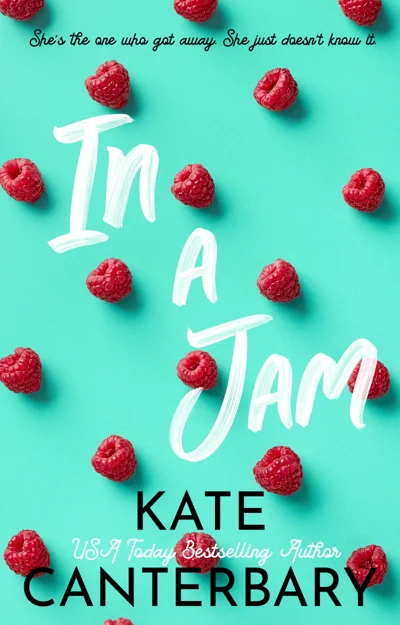
Best for: Saving a cherished farm through a marriage to someone who knew you before.
Shay’s inherited tulip farm comes with conditions: she must return to Friendship and be married within the deadline. Her canceled wedding makes that requirement especially awkward. Noah, a former friend who once loved her without saying so, offers the marriage that can preserve the home. The author establishes the inheritance requirement; the independent review connects Noah directly to the practical proposal.
Pick this for a bargain rooted in remembered affection and a functioning community. Noah is raising his niece and managing a family business, so the marriage draws Shay into responsibilities that extend beyond their attraction. Their history gives a supposedly convenient agreement unequal emotional stakes from the outset, with an old attachment complicating the claim that this is simply about the will.
Before choosing: Family abandonment, guardianship and incarceration are part of the surrounding story. Noah is his niece’s guardian, so avoid describing her as his biological daughter. Do not infer low conflict from the farm setting.
Checked marriage premise
Kate Canterbary official book page: Directly verifies inherited tulip farm conditional on returning home and marrying, canceled wedding, Noah’s former crush and care of his niece. (DIRECT_PREMISE_EXAMPLE). Source: https://katecanterbary.com/books/in-a-jam/. Checked 10 October 2026.
Love in Panels — Suzanne: Reports Noah offers marriage for the will; confirms guardianship and identifies family/ incarceration context. (REPORTED_CLASSIFICATION). Source: https://www.loveinpanels.com/prose/in-a-jam. Checked 10 October 2026.
Best for: A legally existing practical marriage that becomes a public performance under family scrutiny.
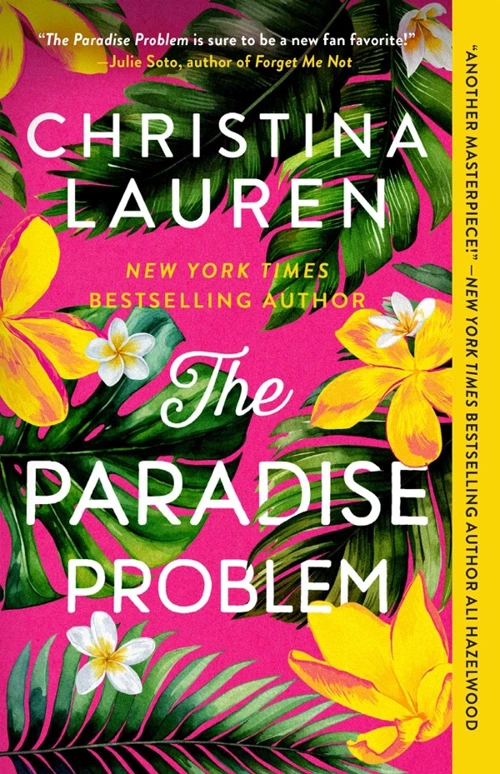
Anna and Liam originally marry to qualify for university family housing, with romance outside their plans. Anna believes the marriage ended afterward. When Liam needs to satisfy an inheritance condition, he must bring his not-quite-ex-wife into the wealthy family’s orbit and persuade them that the relationship has been a happy one. The publisher explicitly distinguishes their existing marriage from the affection they perform.
This gives the trope a different pressure point from signing a fresh agreement. The housing bargain has already happened; the immediate challenge is acting like loving spouses in front of relatives who attach money and status to their choices. Choose it for class friction, a reunion under false assumptions and the question of how a useful arrangement can become something both people choose honestly.
Before choosing: Anna’s belief that they divorced is central to the premise; do not summarize them as knowingly happy married partners throughout. The publisher describes a toxic wealthy family, so the tropical setting should not imply an uncomplicated escape.
Checked marriage premise
Simon & Schuster / Gallery Books: Synopsis and reading guide explicitly verify original marriage solely for subsidized family housing, Anna’s mistaken divorce belief, continuing marriage and inheritance-driven spouse performance. (DIRECT_PREMISE_EXAMPLE). Source: https://www.simonandschuster.com/books/The-Paradise-Problem/Christina-Lauren/9781668017739. Checked 10 October 2026.
Best for: An FF marriage bargain connecting a threatened bookstore with a contested inheritance.
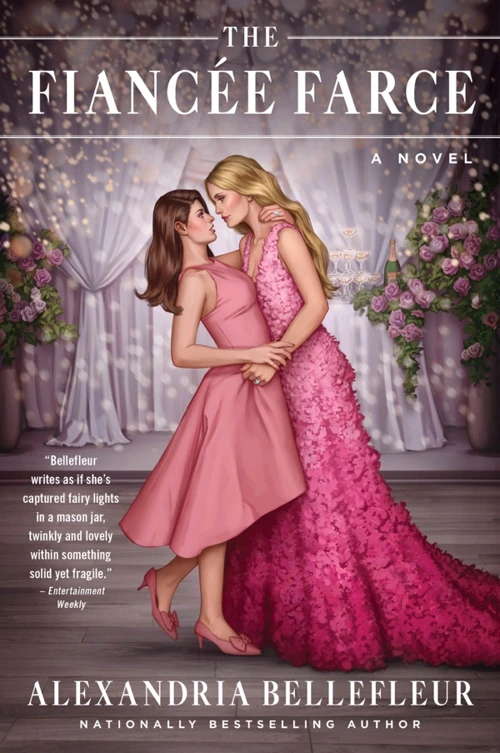
Tansy invents a girlfriend using a romance-cover model’s identity, then meets the real Gemma. Gemma needs a wife to meet her grandfather’s inheritance terms, while Tansy needs funds to protect her family bookstore. Their announced engagement becomes a mutually useful marriage plan, with a real practical reason on each side. The author explicitly identifies this as a modern marriage of convenience.
The bookstore makes the stakes personal rather than merely a path to luxury. Gemma’s family also contests her position in the publishing business, putting pressure on the women’s public story while affection develops between them. Pick this when you want a fabricated relationship to grow into a marriage bargain between two women whose livelihoods and family histories are bound up in the decision.
Before choosing: The engagement is the public opening of the bargain, not the sole basis for inclusion: the author explicitly requires a wife and labels the marriage arrangement. Expect hostile family maneuvering around inheritance; avoid presenting the bookstore premise as conflict-free.
Checked marriage premise
Alexandria Bellefleur official book page: Explicitly labels modern marriage of convenience; Gemma must marry to inherit, Tansy needs money to save bookstore, and both plan a marriage presented as a love match. (DIRECT_PREMISE_EXAMPLE). Source: https://www.alexandriabellefleur.com/the-fiancee-farce. Checked 10 October 2026.
Best for: A wealthy woman makes the proposal, with courtship still part of the negotiation
Wren wants marriage and offers the fortune that Alexander needs for his neglected estate. The practical exchange comes from her rather than from relatives choosing the match. Choose it when you want the financial arrangement to sit beside a question about how two people can begin a relationship: Alexander insists that they court and develop friendship and respect instead of treating money as the whole agreement.
The estate’s needs give the proposal a purpose beyond a public performance. Wren’s long withdrawal from society also makes this a different reading route from a heroine who enjoys circulating among prospective husbands. Readers drawn to a woman initiating a bargain can start here; readers who want to skip courtship and move immediately into married domestic life should check the full review’s account of the progression.
Before choosing: Wren’s wealth and withdrawal are source-supported; do not turn the financial proposal into proof of equal social freedom, a precise heat level or an ending guarantee.
Checked marriage premise
Penguin Random House / Berkley: Publisher explicitly describes practical marriage: Wren offers wealth to Alexander, who needs funds for a failing estate and requires courtship. (VERIFIED). Source: https://www.penguinrandomhouse.com/books/552020/someone-to-wed-by-mary-balogh/. Checked 10 October 2026.
Best for: A marriage bargain whose personal condition matters
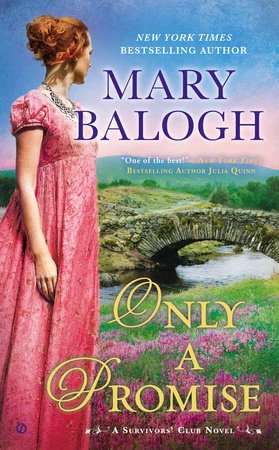
Ralph needs a wife to secure an heir to his family’s title and fortune; Chloe wants a husband and an escape from her family. She proposes marriage with a condition that he never take her back to London. Choose this route when you want the agreement to include a concrete boundary, rather than just a mutual claim that neither person expects love.
The publisher connects Ralph’s reluctance to his survival of a war in which his friends died. That gives the marriage an emotional context alongside its dynastic purpose. The source also makes clear that circumstances will challenge the London promise, so readers who require the original bargain to remain untouched should investigate that conflict. This is a real proposed union with practical goals, not an engagement performed for spectators.
Before choosing: Survivor guilt and the challenged London condition are explicit premise elements. Do not promise that the condition is respected throughout or that marriage resolves war-related distress.
Checked marriage premise
Penguin Random House / Berkley: Publisher explicitly says Chloe proposes they marry: Ralph needs an heir; she seeks a husband and family escape, conditional on not returning to London. (VERIFIED). Source: https://www.penguinrandomhouse.com/books/316226/only-a-promise-by-mary-balogh/. Checked 10 October 2026.
Best for: A shelter-related marriage offer after resisting matchmaking
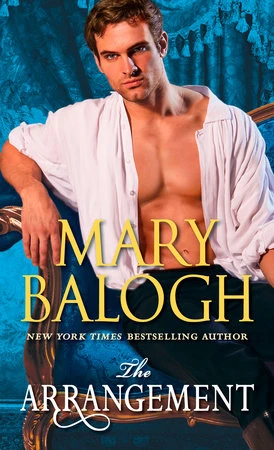
Sophia’s intervention against a matchmaking scheme leaves her without a home, and Vincent offers marriage. Mary Balogh identifies this specific story as marriage of convenience and explains the practical reason for his proposal. Choose it when you want the union to answer an immediate housing problem while moving away from a match other people have tried to arrange.
Vincent is a blind veteran, and Sophia’s need for security puts material circumstances inside the romantic decision. Those facts offer a useful starting point for readers interested in how a couple negotiate daily life after the agreement. They do not establish a cure narrative or a relationship in which one person has no agency. Consult the existing review for the portrayal of independence and care rather than inferring those qualities from the proposal alone.
Before choosing: The author verifies the homelessness-related marriage offer and trope. Disability is part of the premise; no claim is made that romantic commitment cures blindness or removes every practical difficulty.
Checked marriage premise
Mary Balogh — The Marriage of Convenience: Author explicitly identifies The Arrangement as marriage of convenience: blind hero offers marriage after heroine becomes homeless for saving him from relatives’ matchmaking. (VERIFIED). Source: https://marybalogh.com/the-marriage-of-convenience/. Checked 10 October 2026.
Mary Balogh — The Arrangement: Author excerpt identifies Sophia Fry and Vincent Hunt, Viscount Darleigh, and the family matchmaking context. (VERIFIED). Source: https://marybalogh.com/portfolio-posts/the-arrangement/. Checked 10 October 2026.
Reading path: An heir and negotiated household life
Best for: An heir-seeking proposal with a heroine who asks for companionship
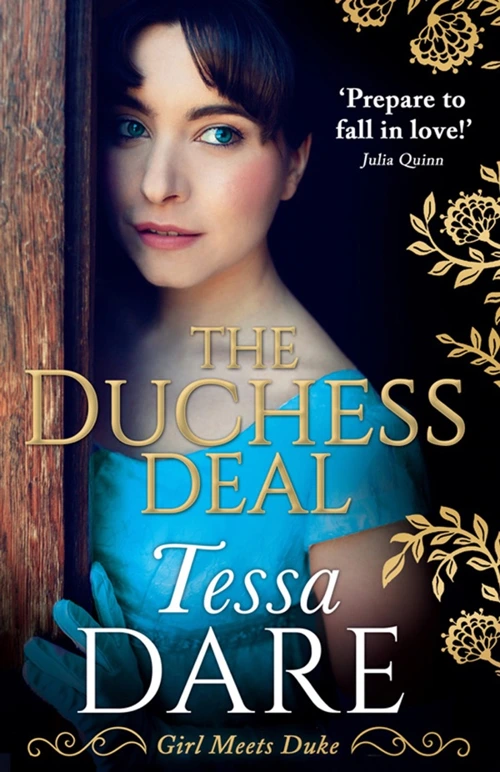
Ashbury needs an heir and proposes a marriage governed by rules that would keep emotional closeness at a distance. Emma counters with dinners, conversation and teasing. Choose it when you want the practical purpose of the union to be stated plainly, while the negotiation immediately reveals that the two people have different ideas about living together.
Emma’s seamstress work and urgent financial situation make the offer materially consequential; Ashbury’s battle scars shape his attempts to limit intimacy. The contrast is between his proposed restrictions and her insistence on a shared life, rather than between a false public marriage and a hidden real one. Readers drawn to verbal negotiation can start here, while readers sensitive to painful self-description or parental shaming should consult the author’s content notes and the existing assessment.
Before choosing: The author identifies an heir-related marriage, Emma’s counterterms, battle scars, past opium addiction and parental shaming. Do not label this family-arranged marriage or assign a new heat score.
Checked marriage premise
Tessa Dare — The Duchess Deal: Author explicitly describes the duke’s need for a wife to produce an heir, his marital restrictions and Emma’s counterterms requiring dinners and conversation. (VERIFIED). Source: https://tessadare.com/bookshelf/the-duchess-deal/. Checked 10 October 2026.
Best for: A supernatural alliance with a spouse pursuing a private goal
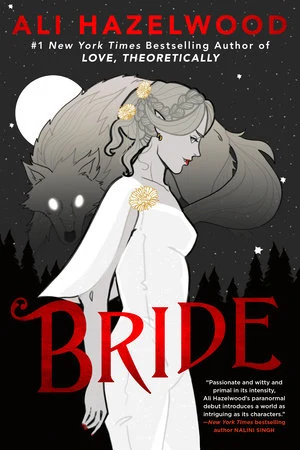
Misery Lark is asked to marry Were leader Lowe Moreland to uphold peace between communities that distrust each other. Her agreement also serves a personal purpose she has not shared with him. The public alliance and her private objective give the marriage two different jobs, so the practical beginning does not mean both spouses enter with the same understanding.
Try it when you want the marriage bargain embedded in supernatural rivalry, humor and mutual suspicion. The existing assessment preserves praise for the developing romance alongside reader disagreements about its depth and later decisions. It is a closer fit for an alliance with hidden motives than for two independent people calmly negotiating an uncomplicated domestic contract.
Before choosing: Publisher explicitly calls it marriage of convenience. Keep the political arrangement and Misery’s undisclosed motive distinct; do not promise freely equal negotiation or universal approval of the later relationship.
Checked marriage premise
Berkley / Penguin Random House: Publisher directly verifies peacekeeping alliance, real marriage and Misery’s personal reason for agreeing. (PRIMARY_SOURCE_INSPECTED_2026-10-10). Source: https://www.penguinrandomhouse.com/books/721699/bride-by-ali-hazelwood/9780593550410/. Checked 10 October 2026.
Reddit: critical discussion: The original poster finds the development superficial; replies include enjoyment of a lighter, entertaining read. (REUSED_INSPECTED_EVIDENCE_2026-10-03). Source: https://www.reddit.com/r/fantasyromance/comments/1bc7n41/thoughts_on_bride_by_ali_hazelwood_i_didnt_like_it/. Checked 10 October 2026.
Reddit: enthusiastic discussion: Readers praise Misery, banter and memorable scenes; some replies dislike the prose. (REUSED_INSPECTED_EVIDENCE_2026-10-03). Source: https://www.reddit.com/r/fantasyromance/comments/1tpdbef/bride_by_ali_hazelwood_was_unexpectedly_really/. Checked 10 October 2026.
Best for: An externally arranged alliance where companionship develops before attraction
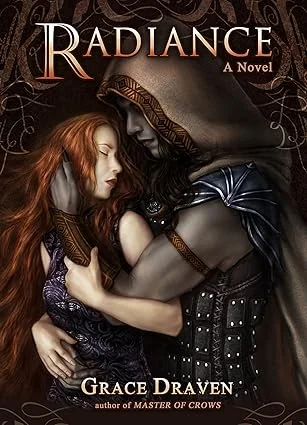
Brishen and Ildiko are chosen to seal a trade and political treaty between human and Kai kingdoms. Neither is initially the other’s idea of beauty, so the attraction has a different starting point from immediate desire. Their marriage serves public interests first; the personal relationship must take shape inside an agreement neither invented for romantic reasons.
Choose it for the contrast between an imposed strategic match and a partnership reviewers describe as respectful and humorous. The existing assessment also retains reservations about idealized characters and a hurried close. The couple’s story continues within a broader fantasy series, so a reported romantic outcome in this volume should remain separate from the wider political threats.
Before choosing: Direct treaty-marriage premise; label arranged political alliance rather than self-negotiated convenience contract. Mandi reports an HEA while larger threats continue; do not describe the entire series as resolved.
Checked marriage premise
Grace Draven official author page: Author states a trade and political alliance requires Brishen to marry a Gauri woman; Ildiko is chosen for strategic marriage. (PRIMARY_SOURCE_INSPECTED_2026-10-10). Source: https://www.gracedraven.com/wraith-kings/. Checked 10 October 2026.
Smexy Books, Mandi: Praises humor, respect and friendship; explicitly reports HEA with wider threats continuing.… (REUSED_INSPECTED_EVIDENCE_2026-10-06). Source: https://smexybooks.com/2015/02/review-radiance-by-grace-draven.html. Checked 10 October 2026.
Way Too Fantasy, reread review: Values cultural detail, supportive partnership and external conflict; notes sequel tonal shift.… (REUSED_INSPECTED_EVIDENCE_2026-10-06). Source: https://waytoofantasy.com/2020/06/20/book-review-radiance-by-grace-draven/. Checked 10 October 2026.
Reading path: Fantasy conquest and imposed marriage
Best for: A postwar union with a strongly unequal beginning
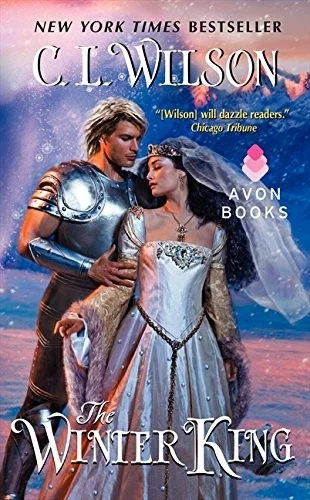
Wynter’s demand for a bride from Summerlea follows years of war and serves his vengeance against its king. Khamsin is sent into that marriage as a punishment by her father. The union therefore belongs on a political-marriage shelf, but its starting point is imposed and hostile rather than a convenient bargain the couple freely devised.
Try it when you want magical danger and court conflict surrounding the marriage, with an assessment that examines Khamsin’s growing agency. The existing critics differ about the world’s richness, the repeated emotional themes and the relationship’s cycles of deception. Readers seeking a balanced contract between willing partners should choose another version of the trope.
Checked marriage premise
C. L. Wilson official author page: Author verifies Wynter takes a Summerlea daughter as bride for vengeance after war; Khamsin’s father treats the marriage as punishment. (PRIMARY_SOURCE_INSPECTED_2026-10-10). Source: https://clwilson.com/the-books/the-winter-king/. Checked 10 October 2026.
Jane, Dear Author: Believable characterization and readable writing, but repetitive love-thaws-ice theme, dated aphrodisiacs and predictable low-jeopardy conclusion.… (REUSED_INSPECTED_EVIDENCE_2026-10-06). Source: https://dearauthor.com/book-reviews/overall-c-reviews/c-reviews/review-the-winter-king-by-c-l-wilson/. Checked 10 October 2026.
Has and Lou, The Book Pushers: Has enjoys rich world and heroine agency; Lou values growth but dislikes hostile court women… (REUSED_INSPECTED_EVIDENCE_2026-10-06). Source: https://thebookpushers.com/2014/07/28/joint-review-the-winter-king-by-c-l-wilson/. Checked 10 October 2026.
Reading path: Fantasy peace marriage with infiltration
Best for: A political wedding where one spouse conceals an enemy mission
Lara is sent to Aren as a bride under a promise of peace, while her actual task is to undermine his kingdom. The marriage offers access to the defenses and trade route her homeland wants to break. Its practical purpose is explicit, but it is not a transparent agreement between spouses working toward the same goal.
Choose it for political strategy, changing loyalties and a relationship developing alongside the heroine’s reassessment of what she has been taught. The existing assessment values the trade conflict while retaining criticism of limited romance focus and predictability. Lara and Aren’s central story spans the first two volumes, so the opening book should not be sold as a complete standalone romantic resolution.
Before choosing: Author identifies arranged, forced and coerced marriage in the content notes. Label political alliance/infiltration rather than mutual convenience; alternate-world fantasy has no magic or supernatural elements per author. First-volume closure is not guaranteed.
Checked marriage premise
Danielle L. Jensen official author page: Author states Lara is sent as a bride under guise of peace to fracture the kingdom’s defenses; official trope list includes arranged marriage. (PRIMARY_SOURCE_INSPECTED_2026-10-10). Source: https://www.danielleljensen.com/bridge-kingdom. Checked 10 October 2026.
Powder & Page, Rebecca: Values trade strategy and Lara’s changing judgment; finds romance limited and side characters thin.… (REUSED_INSPECTED_EVIDENCE_2026-10-06). Source: https://powderandpage.com/2022/07/17/the-bridge-kingdom-by-danielle-l-jensen-review/. Checked 10 October 2026.
Dreamy Addictions, Raven: Enjoys slow-burn attraction and setting despite predictable plot and ending.… (REUSED_INSPECTED_EVIDENCE_2026-10-06). Source: https://dreamyaddictions.wordpress.com/2019/10/17/the-bridge-kingdom-the-bridge-kingdom-1-by-danielle-l-jensen-review/. Checked 10 October 2026.
Use this collection if the performance for family, colleagues or the public interests you most. It includes different arrangements, so check whether the couple is actually married.
Choose this route when you want to see how repeated contact changes a relationship. Sharing a home can follow a marriage bargain, but proximity also comes from work, travel and housing trouble.
This reading route helps you choose the surrounding world and its pressures. The individual review remains the place to establish a particular book's practical marriage premise.
Questions that change the reading choice
Is a marriage of convenience always an arranged marriage?
No. The partners can propose and negotiate the bargain themselves. Outside matchmaking and a practical reason for marrying are separate features.
Will the marriage turn romantic slowly?
That depends on the book. Attraction can arrive quickly even when the original purpose was practical. Use the review's relationship discussion to choose between rapid chemistry and a gradual emotional build.
How complete is this collection?
These five reviewed books are starter selections. They offer different bargains, but the planned broad list requires more verified books before it can be presented as complete.
Historical Marriage of Convenience Romance: Heirs, Bargains and Growing Intimacy
Understand practical marriage in historical romance, distinguish it from fake dating and arranged matches, and start with one reviewed example: The Duchess Deal.
Contemporary Marriage of Convenience Romance: Inheritance and Practical Bargains
Compare modern practical-marriage setups through an inheritance agreement and a critic-reported marriage bargain, with two existing reviewed starters and clear evidence limits.
Fantasy Marriage of Convenience: Treaties, Power and Choice
Choose small-town marriage-of-convenience romance by the reason for marrying, the bargain and the future beyond it, with In a Jam as an existing reviewed starter.
Sports Marriage of Convenience: Practical Agreements and Personal Commitment
A sports marriage of convenience gives partners a practical reason to marry before a romantic commitment is established. The sporting world may supply the
Paranormal Marriage of Convenience: Public Alliances and Private Reasons
Paranormal marriage of convenience gives a supernatural couple a practical reason to marry before personal commitment is settled. The wedding may support a
A mafia marriage of convenience uses the wedding to accomplish something beyond romance: an alliance, protection, succession or another practical goal. The important question is whose problem the marriage solves, because a useful bargain for two families can still be an unwanted obligation for one spouse.
Dark Marriage of Convenience: Whose Problem Does the Wedding Solve?
Dark marriage of convenience romance makes a practical union part of a threatening or morally difficult relationship. The marriage may buy protection, preserve status or.
Choose what the marriage changes in everyday life
A practical marriage can answer a need for money, property, housing, family security or political stability. The motive explains why the wedding is useful. The more personal reading choice is what living with that decision lets the characters learn about each other, and what the agreement leaves unresolved.
A marriage condition connects an inheritance with repairs to a family getaway.
A home embedded in an existing family circle matters alongside concealed affection; detailed inheritance evidence remains attributed to the trade review.
An heir-seeking proposal meets Emma’s counterterms about shared life.
An agreement about companionship can be part of the romantic conflict from the beginning.
Choose whether the public story is part of the bargain
The Paradise Problem asks Anna to enter a wealthy family’s scrutiny as a spouse who supposedly already has a happy marriage. The Fiancée Farce turns a fabricated girlfriend story into an announced engagement and practical marriage plan. If you enjoy the tension between what other people believe and what the pair admit privately, those are useful starting comparisons. They do not establish the same original agreement or the same state of knowledge.
The Arrangement is an especially useful contrast with externally arranged unions. Mary Balogh identifies Sophia’s loss of housing and Vincent’s offer after she saves him from relatives’ matchmaking. That gives the proposal a specific practical purpose. It does not prove that material vulnerability, disability or family pressure disappears once marriage becomes possible.
Mary Balogh’s discussion of the exact Arrangement premise, 18 November 2018
Someone to Wed and The Duchess Deal also let you compare who proposes terms and what the other person requests in return. Readers who enjoy negotiation may want those conversations; readers seeking immediate domestic partnership should check the assessment’s account of progression. A marriage-of-convenience label does not guarantee a written contract, instant cohabitation, a particular sexual-content level or a wholly private obstacle. Keep the political examples below separate from the contemporary household and historical estate choices.
Researched editorial synthesis using existing assessments, not new firsthand reading. Original scores, coauthor identities, source dates and qualified boundaries remain intact. Held retailer actions mean unchecked destinations, not unavailable editions. Cover art does not establish stock; feature artwork depicts fictional adults rather than actual characters.