He-falls-first dark love stories make the order of attachment only one part of the reading choice. Early devotion may arrive with obsession, intimidation or a character willing to harm others.
This guide includes an upcoming boundary example rather than a happy-ending genre-romance recommendation. As checked on 9 October 2026, Elizabeth Barone lists Arsonist’s Lullaby for 25 October 2026 and explicitly labels it non-HEA. That limitation is central: readers seeking a confirmed optimistic romantic ending should choose a different route, even though the author also verifies dark material and he falls first.
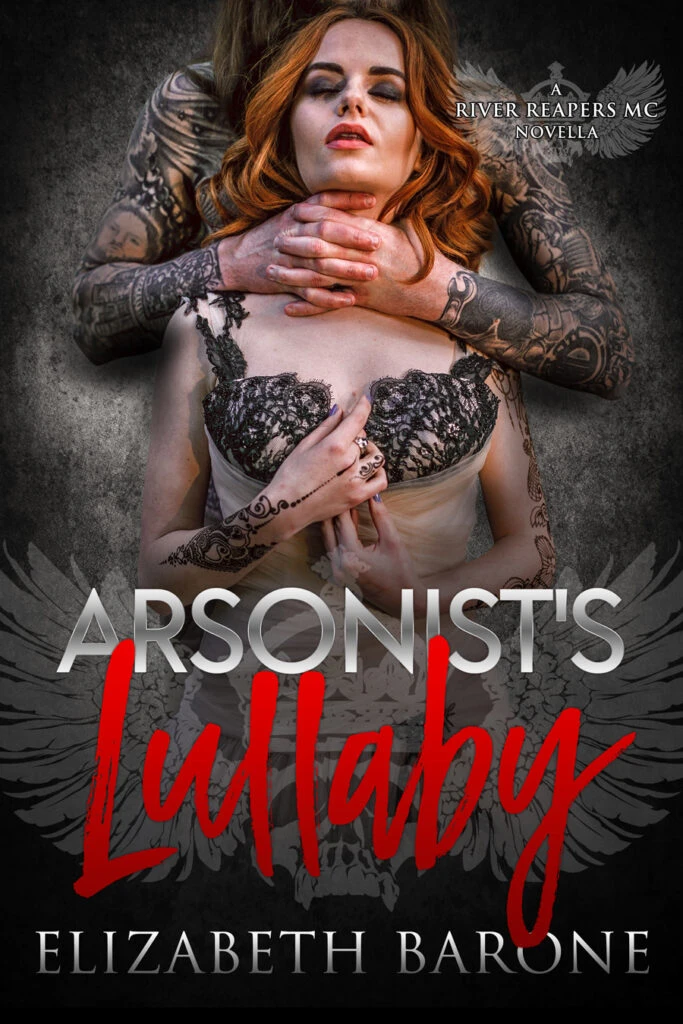
Authentic published cover of one starter selection; not a claim about every book in the guide.
Updated 9 October 2026 · Eikna Editorial Team
Choose the relationship dynamic
Setup
What drives it
What to check
Early devotion
He recognizes attachment before reciprocation
What actions follow the feeling?
Obsessive attention
He tries to secure the connection
What control or violence is involved?
Non-HEA boundary story
Attachment does not promise reassurance
Is the source-stated ending acceptable?
Narrow the reading experience
Chronology cannot answer a boundary question
A character’s feelings may be sincere while his actions remain intrusive or harmful. Readers can enjoy that tension in fiction and still have specific limits around coercion, stalking or violence. Identify the action you want to see rather than use devotion as a blanket description. An author’s he-falls-first label tells us about timing; it does not tell us that the other lead welcomes every form of attention or that the relationship becomes emotionally safe.
Obsession changes the suspense
Secret longing can create uncertainty about whether feelings will be reciprocated. Obsession can shift the question toward what the admirer will do to secure the relationship. Those produce different kinds of tension even when the romantic sequence is similar. Before choosing, ask whether the plot centers on earning trust, manipulating circumstances or reacting violently to perceived threats. A dark label is too broad to establish the specific mechanism, so content guidance remains part of the selection.
Make the ending part of the choice
Some works marketed with dark-romance language do not offer the optimistic ending many genre-romance readers expect. That difference is material, not a detail to hide beneath a trope list. If a source explicitly warns of a non-HEA, retain the warning prominently and do not translate it into an independently verified HFN or another precise ending category. Readers seeking danger with romantic reassurance and readers willing to follow tragic attachment need different entry points.
Starting points and their evidence
Arsonist’s Lullaby
Elizabeth Barone
Researched premise · not reviewed or rated
Editorial interpretation
Upcoming boundary example: the author labels Stixx and Lucy’s dark story he falls first and non-HEA.
Before choosing: Author-stated non-HEA; scheduled 25 October 2026, still upcoming when checked 9 October. Not a happy-ending genre-romance recommendation.
Author or publisher premise source · checked 9 October 2026
No. Timing is separate from character change. A lead can fall first without becoming kinder, resolving harmful behavior or receiving moral absolution. Readers seeking a redemption arc should look for direct evidence of that process rather than infer it from attachment.
Is the boundary example currently released?
The checked author page lists 25 October 2026, which was still upcoming on 9 October. This is a researched forthcoming premise, not a newly read or reviewed book. A retailer search does not establish immediate availability, format stock or completion of the publication plan.
Why include a non-HEA story here?
It shows why a verified trope and a marketed dark-love label do not settle genre-romance fit. The author explicitly warns of a non-HEA, and this guide repeats that limitation. Readers wanting a confirmed happy romantic conclusion should treat it as a boundary comparison rather than a recommendation.