Love Triangles with Brothers: Choosing Love Within a Shared Family
A love triangle involving brothers makes a romantic choice part of an existing family relationship. The two possible partners share a history that continues beyond any date or breakup. Readers choosing this dynamic often want divided affection and complicated loyalty, but the sibling connection can also make the eventual decision harder to watch.
This starter guide separates a triangle from a consensual relationship involving multiple partners. It also distinguishes the beginning of a series from its final romantic choice. The researched example comes from a publisher’s trilogy guide; it has not received a new Eikna review, rating or promise of standalone closure.
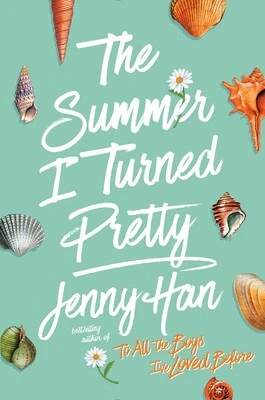
Authentic published cover of one starter selection; not a claim about every book in the guide.
Updated 9 October 2026 · Eikna Editorial Team
Choose the relationship story you want
Setup
What drives it
What to check
Old crush versus new affection
Earlier attachments meet changing feelings
Is the comparison based on past or present?
Sibling loyalty
The potential partners share a family
How much family conflict do you want?
A continuing triangle
The choice develops across books
Does this volume resolve the relationship?
Narrow the reading experience
A shared childhood changes the comparison
When all three characters already know one another, a present-day choice can be entangled with an old crush or a familiar role. Ask whether you want those earlier feelings tested or simply revived. Childhood closeness may explain attachment without proving adult compatibility. The useful comparison concerns who the characters are becoming, not only which memories make one potential partner feel more important.
Choose how much sibling conflict you want
Some readers enjoy a rivalry that strains a family; others want both possible partners treated with care. Identify whether your interest lies in romantic uncertainty, jealousy or the consequences of choosing within a shared social circle. Those are separate sources of tension. A triangle can contain competing affection without making every interaction hostile, and a family relationship need not disappear when one romance ends.
A triangle is not an automatic why-choose story
If the central character is expected to select one partner, the attraction to two people creates a triangle. If everyone builds a mutually agreed relationship together, the reading promise changes. Sharing feelings does not itself establish a consensual multi-partner arrangement. Readers who want one final couple and readers seeking a continuing group relationship should follow different discovery routes instead of treating these structures as interchangeable.
Check where the choice is resolved
A series may introduce competing possibilities in one volume and make the lasting decision later. Decide whether you want the uncertainty to continue or need a settled relationship before the end of the book you buy. A cover, an adaptation or familiarity with a television version cannot answer that edition-specific question. The starter identifies a trilogy-wide choice without revealing the final partner or assigning a happy-ending category.
Starting points and their evidence
These are small starter examples, not a completed or ranked recommendation list. Reviewed selections link to existing evidence-based editorial assessments. Other examples are identified as researched premises or pending research leads; they have no new rating or claim of first-hand reading.
Purchases through Amazon, Bookshop.org and Libro.fm links may earn us a commission. As an Amazon Associate, Eikna Romance earns from qualifying purchases, at no extra cost to you.
The Summer I Turned Pretty
Jenny Han
Researched premise · not reviewed or rated
Confirmed premise example
Jenny Han’s publisher describes Belly’s developing feelings for brothers Conrad and Jeremiah across The Summer I Turned Pretty trilogy.
Before choosing: This is the trilogy’s first book. The publisher guide covers later volumes and contains spoilers; final relationship resolution is not claimed here.
Author or publisher premise source · checked 9 October 2026
Find it on AmazonGet the paperback · checking editionGet the audiobook · checking editionReview pending
Edition buttons become available when the specific format and destination are checked. Amazon opens a title-and-author search; choose your edition there.
Questions that change the reading choice
Is choosing between brothers necessarily cheating?
No. Attraction to two people does not tell you what agreements exist or what actions occur during them. Readers with a no-cheating boundary should check that question directly, including later volumes when the story continues. Neither a triangle label nor a familiar adaptation provides a reliable whole-series answer.
Can this be a low-angst reading choice?
The structure creates the possibility of disappointment for someone, but the emotional intensity depends on the story’s treatment. A light tone, familiar setting or young cast does not establish low angst. If you dislike prolonged uncertainty, ask when the choice becomes clear and how much romantic back-and-forth appears before it.
Why use the first book of a trilogy?
It supplies the entry point into the characters’ shared history. The publisher’s reading guide confirms the brothers-based triangle across the trilogy. That makes it a useful researched starter, provided readers know they are entering a continuing story rather than receiving a promise that book one completes the final romantic decision.