Love Triangle Romance: Competing Attachments and the Endgame
Love triangle romance places competing romantic attachments at the heart of the reading experience. A character may want two people, two people may want the same person, or affection may run in an uneven chain. Those arrangements do not offer the same tension. If you want a genuine choice between plausible partners, a story dominated by one-sided longing may leave you wanting something different.
Compare 5 researched starting choices by competing attachments, rival courtship and the relationship situation. The notes identify who wants whom and keep uneven longing distinct from a balanced choice between partners. They do not promise equal romantic development or reveal an unverified endgame. Follow each existing assessment for content cautions and series guidance.
Thematic romance artwork, not a published book cover or a scene from a listed novel.
Updated 10 October 2026 · Eikna Editorial Team
Compare who wants whom and where the uncertainty lies
An uneven chain of longing differs from a choice between two available partners. The notes identify the actual attachments, distinguishing rival courtship and crossed former couples from a balanced contest. The eventual partner is not named without a reader need.
A critic-reported early triangle within dragon-rider fantasy
Identified critic explicitly describes a romantic triangle
Readers open to a brief, uneven romantic rivalry inside a larger fantasy story.
What is the romantic question?
Setup
What drives it
What to check
Two plausible partners
A central character considers different futures
Check whether both relationships receive meaningful development
Two people pursuing one person
The competition is about mutual selection
A rival’s interest may not be reciprocated
Unequal chain of attachment
Someone longs for a person looking elsewhere
Choose this for yearning rather than symmetrical competition
A lasting multi-partner relationship
The story builds more than one continuing bond
Why choose or polyamorous romance is the closer endgame route
Choose the reading experience
Emotional credibility matters more than a scorecard
A compelling choice can involve different values, histories or visions of the future, rather than one objectively better partner. Think about whether you enjoy uncertainty or prefer to recognize the eventual couple early. A synopsis may establish multiple attachments without proving that every possible pairing receives equal weight. These starting choices illustrate that distinction instead of promising a balanced contest.
Check when the choice is resolved
In a standalone, the central decision may be reached within one book. A series can carry it across several volumes, and an opener may leave both the romance and wider plot unresolved. Readers who want closure should check the work’s position and ending evidence, not infer a complete romantic outcome from a love-triangle label. A television adaptation’s endgame is not a substitute for the book’s.
Jealousy does not automatically mean cheating
A character can feel torn before committing to anyone, or the plot may involve a current relationship and a new attraction. Those are different situations. If exclusivity matters to your reading choice, look for what promises the characters have made and what happens while those promises apply. We do not advertise a no-cheating guarantee when the evidence establishes only a conflicted heart.
Ask for only the spoilers you need
Knowing that a story eventually selects one partner may be enough, while learning that partner’s identity can remove the suspense you want. A useful ending check can separate the structure of the outcome from the named endgame. The Romantic Agenda’s existing assessment retains an unknown formal ending classification; a positive critical response does not itself verify HEA or HFN.
5 researched starting choices for competing attachments and rival courtship
These choices link existing researched assessments. The notes distinguish multiple attachments from attributed triangles and qualified rival situations. Rival interest, reciprocated desire and final relationship configuration are separate questions; a triangle label does not promise equal options or a particular ending. This remains a starter collection rather than an exhaustive list.
Purchases through Amazon, Bookshop.org and Libro.fm links may earn us a commission. As an Amazon Associate, Eikna Romance earns from qualifying purchases, at no extra cost to you.
Primary-backed competing attachments
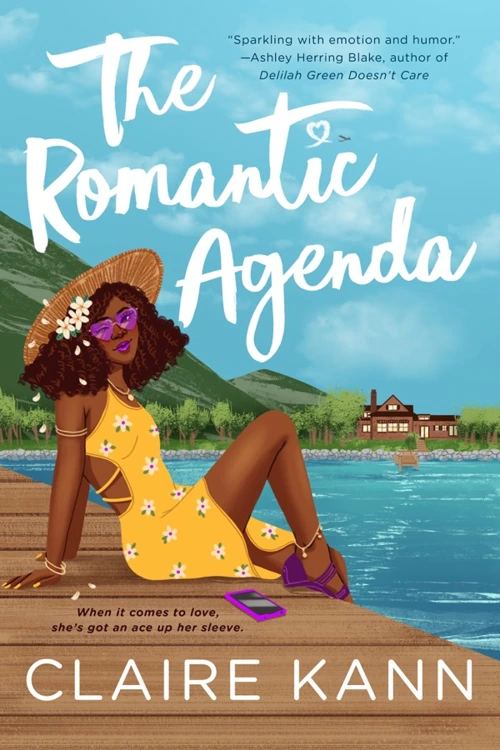
The Romantic Agenda
Claire Kann
Attachment evidence: Primary source establishes multiple or competing romantic attachments
Best for: Readers seeking shifting attachments with an asexual heroine, rather than two proven equally available suitors.
Joy secretly loves Malcolm, while Malcolm pursues Summer. On their weekend trip, Fox proposes pretending to fall for Joy to make Malcolm jealous, and Joy begins to feel something for Fox. The publisher supplies current competing attachments and an active jealousy strategy, with four people involved in the wider network.
This is useful for readers who want the heroine’s attachment to an old friend challenged by how a new person treats her. Joy is explicitly asexual, and her romantic feelings are not presented as contradicting that identity. The premise does not prove Malcolm reciprocates, make the two potential partners equally viable or establish a symmetrical three-person courtship.
Before choosing: Joy–Malcolm–Fox is an attachment triangle within a four-person network including Summer. Malcolm’s romantic interest in Joy is unverified; no equal-viability or endgame guarantee is inferred.
Which romantic attachments does the source establish?
Berkley — The Romantic Agenda: Joy loves Malcolm, who likes Summer; Fox proposes a false romance to provoke Malcolm’s jealousy and becomes a new romantic possibility. (direct premise). Source: https://www.penguinrandomhouse.com/books/673412/the-romantic-agenda-by-claire-kann/.
Edition buttons become available when the specific format and destination are checked. Amazon opens a title-and-author search; choose your edition there.
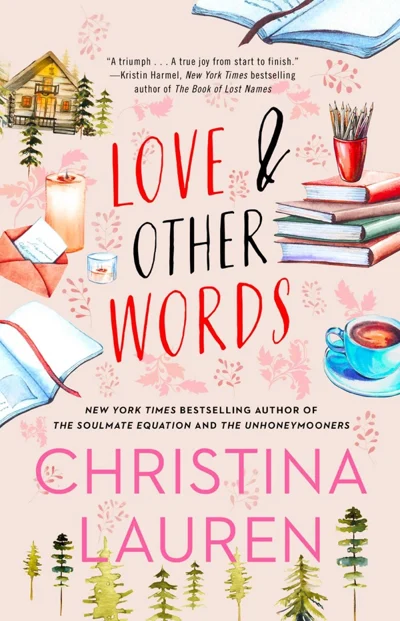
Love and Other Words
Christina Lauren
Attachment evidence: Primary source establishes multiple or competing romantic attachments
Best for: Readers interested in an existing commitment challenged by a childhood sweetheart.
Macy is preparing to marry Sean when Elliot returns to her life. That existing engagement gives the renewed attraction consequences beyond an awkward encounter with an ex: she has a future planned with someone else, and a shared past with Elliot that still unsettles her.
The alternating timelines make the earlier relationship central to understanding her present choices. This is a useful selection for readers who want the pull of first love against an established adult commitment; it does not promise two equally persuasive love interests or a prolonged contest with an uncertain winner.
Before choosing: Publisher confirms current wedding plans and renewed feelings for Elliot. Its reading guide explicitly asks why Macy remains with Sean and describes her reconsidering that relationship. Grief and a painful earlier rupture are integral; equal viability is not established.
Which romantic attachments does the source establish?
Simon & Schuster: synopsis and reading guide: Macy plans her wedding to an older financially secure man; reunion with Elliot disrupts her emotional routine. Reading-guide questions name Sean and her reconsideration of their relationship. (direct premise example). Source: https://www.simonandschuster.com/books/Love-and-Other-Words/Christina-Lauren/9781501128011.
Edition buttons become available when the specific format and destination are checked. Amazon opens a title-and-author search; choose your edition there.
Reported classifications and qualified comparisons
These choices have a reported triangle or a neighboring rival/crossed-couple premise. Read the configuration before choosing; an alternative interest is not always an equally developed partner.
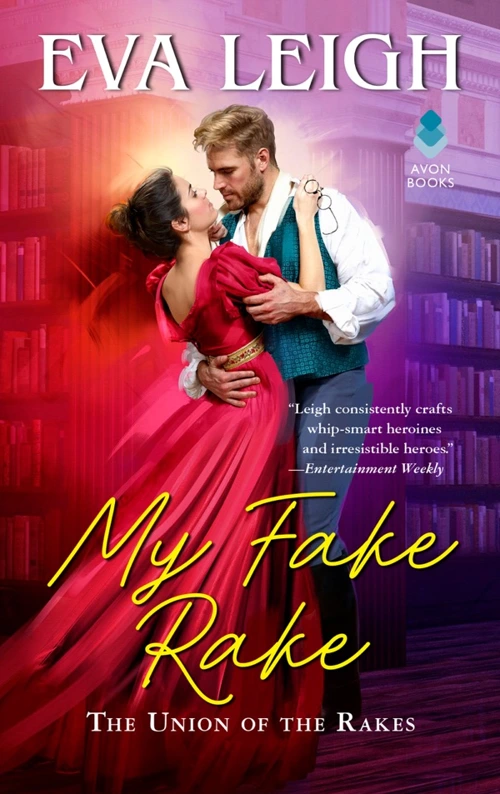
My Fake Rake
Eva Leigh
Attachment evidence: Qualified rival or crossed-couple comparison; equal competing partners are not established
Best for: A matchmaking plan disrupted by feelings for the helper
Grace wants a celebrated naturalist to notice her, and asks Sebastian to act as a desirable suitor. Their public performance begins as a means of attracting someone else. The complication becomes real when her feelings for Sebastian grow while he believes she still wants the other man.
This offers a courtship triangle built around a plan that stops matching its participants’ feelings. Sebastian’s role gives him proximity to Grace while ostensibly helping his rival. Choose it for the tension between the person she intended to pursue and the friend whose staged attentions become emotionally important.
Before choosing: Rival-courtship comparison, not a promise of two equally viable partners. Source verifies her intended match and Sebastian’s love, without establishing equal reciprocal attachments.
Which romantic attachments does the source establish?
Eva Leigh — Fresh Fiction author interview and Avon synopsis: Avon synopsis accompanying author interview explicitly describes Grace pursuing a naturalist through Sebastian’s fake courtship, then developing feelings for Sebastian while he loves her. (verified primary premise). Source: https://blog.freshfiction.com/eva-leigh-exclusive-interview-my-fake-rake/.
Edition buttons become available when the specific format and destination are checked. Amazon opens a title-and-author search; choose your edition there.
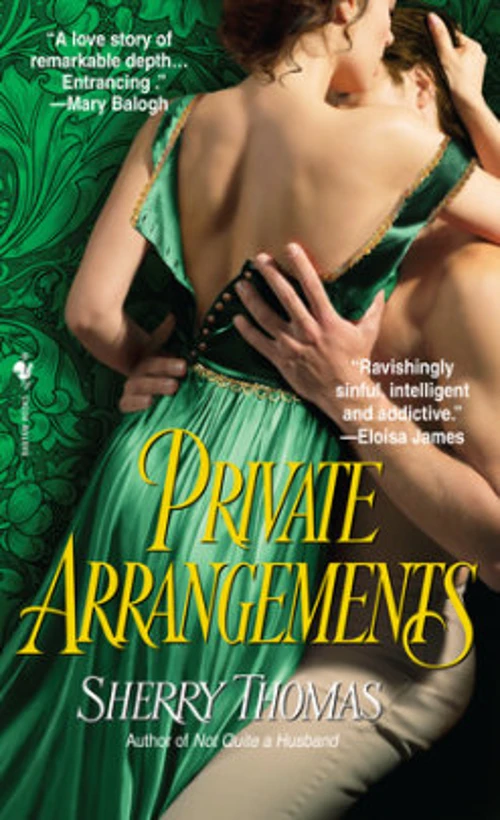
Private Arrangements
Sherry Thomas
Attachment evidence: Qualified rival or crossed-couple comparison; equal competing partners are not established
Best for: An intended fresh start interrupted by an existing marriage
Gigi seeks divorce so she can marry another man, bringing her estranged husband Camden back into her life. Thomas explicitly identifies the prospective partner in her account of developing the novel. Camden’s demand for an heir places the hoped-for new marriage alongside unresolved desire and betrayal within the old one.
This fits readers interested in a rival whose significance is the possibility of a different future. The emotional question is complicated by Gigi’s existing legal marriage and Camden’s control over the terms of divorce. Read it as an obstructed new courtship and marital reconciliation rather than assuming a balanced competition between interchangeable partners.
Before choosing: Qualified rival structure; author confirms intended marriage to another man but inspected evidence does not establish equally developed reciprocal relationships. Divorce bargaining and an heir demand create coercive pressure.
Which romantic attachments does the source establish?
Sherry Thomas — Private Arrangements synopsis and creation notes: Author explicitly says Gigi files for divorce to marry a nice younger man; synopsis states Camden demands an heir in exchange for her freedom. (verified primary premise). Source: https://sherrythomas.com/private-arrangements.php.
Edition buttons become available when the specific format and destination are checked. Amazon opens a title-and-author search; choose your edition there.
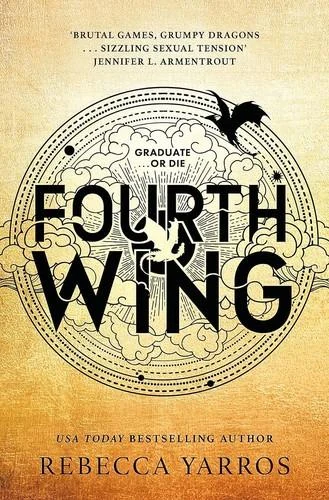
Fourth Wing
Rebecca Yarros
Attachment evidence: Identified critic explicitly describes a romantic triangle
Best for: Readers open to a brief, uneven romantic rivalry inside a larger fantasy story.
Violet’s early romantic situation brings childhood friend Dain into contrast with Xaden, her dangerous wingleader. Bookshelf Fantasies describes the competing attractions as a qualified triangle, while Jennifer Rummel at Fresh Fiction explicitly identifies a triangle in the first half of the novel.
Choose it for romantic tension embedded in military training, dragons, and lethal stakes. The triangle label needs a boundary: critics disagree about whether this constitutes a meaningful choice, and the checked reviews do not support equally viable partners or an extended indecision plot. This is the beginning of a continuing fantasy series.
Before choosing: REPORTED classification, not an author trope claim. Bookshelf Fantasies calls it a sort-of triangle with an evident preferred direction; Sophril Reads disputes the label. Do not describe it as balanced or as a standalone completed romantic arc.
Which romantic attachments does the source establish?
Jennifer Rummel, Fresh Fiction review: Identifies a love triangle running through the first half of the novel. (reported classification). Source: https://freshfiction.com/review.php?id=86392.
Bookshelf Fantasies: Fourth Wing review: Names Dain and Xaden as the early competing connections, describes the triangle as qualified and uneven, and confirms first-in-series open ending. (reported classification). Source: https://bookshelffantasies.com/2023/10/21/book-review-fourth-wing-by-rebecca-yarros/.
Sophril Reads: Fourth Wing review: Disagrees that the Dain/Xaden situation constitutes a love triangle. (reported classification). Source: https://sophrilreads.com/2023/06/02/review-fourth-wing-by-rebecca-yarros/.
Edition buttons become available when the specific format and destination are checked. Amazon opens a title-and-author search; choose your edition there.
Questions that change the reading choice
Is a love triangle the same as why choose?
No. A conventional triangle often centers on selection, while why choose develops an ongoing relationship with multiple partners. A book can begin with uncertainty and later change structure, so its final configuration needs evidence.
Does asexual representation rule out romantic conflict?
No. Romantic attraction, sexual attraction and relationship choices are different. The publisher explicitly identifies Joy in The Romantic Agenda as asexual while describing her competing attachments.
Are all triangle books genre romance?
No. Literary fiction, YA fantasy and other genres also use romantic triangles. The presence of the setup does not establish a central romance or a happy ending.
Can I check the endgame without learning who is chosen?
Sometimes. Look for a spoiler-light statement about standalone closure or series continuation. We will not manufacture that reassurance when the evidence is incomplete.
A love triangle involving brothers makes a romantic choice part of an existing family relationship. The two possible partners share a history that continues beyond any date or breakup. Readers choosing this dynamic often want divided affection and complicated loyalty, but the sibling connection can also make the eventual decision harder to watch.
When a romantic choice sits inside a fantasy plot
A fantasy love triangle needs competing romantic possibilities, not simply two memorable characters beside the protagonist. An old attraction, a false alliance and a new partner can look like a triangle in early marketing even when the full story uses another structure. Ask what is actually established before treating a popular fantasy title as an exact match.
A magical war, a prophecy or a political marriage can complicate the choice, but those elements do not automatically create two love interests. Nor does a first-volume attraction guarantee that either connection remains central through a series. Readers who want prolonged uncertainty should check continuity, while readers seeking one settled couple should ask where the romantic choice is resolved.
The broader triangle guide holds the relationship structure apart from the setting. Decide whether you want to compare competing loyalties, different possible futures or relationships shaped by magical obligations. Then verify that the candidate truly supplies two romantic alternatives. A fantasy premise alone is insufficient evidence, so adjacent examples should remain plainly labelled rather than populate an invented specialist list.
How these starting choices were researched
We inspected current competing guides and checked competing attachments through author material, publisher descriptions and identified criticism. Each note distinguishes verified relationships from a reported triangle or an adjacent rival premise. Equal viability, exclusivity and endgame remain unclassified where the source does not establish them. These additions link existing researched assessments without adding ratings or claiming first-hand reading. The order groups evidence scopes rather than ranking quality; the collection remains incomplete.