YA Enemies to Lovers: School Conflict, Fantasy Stakes and Reader Fit
YA enemies-to-lovers books can turn school conflict into romance or place attraction inside a dangerous fantasy struggle. The audience category does not tell you how serious the hostility is, how much of the story belongs to romance or whether one volume resolves the relationship. Choose those features separately before deciding which kind of tension you want.
The two existing reviewed starters offer different paths. Macmillan identifies She Drives Me Crazy as a queer YA romantic comedy about high-school nemeses. Nina Varela presents Crier’s War as the first half of a fantasy duology; Publishers Weekly explicitly identifies its enemies-to-lovers plotline. Both center two girls, but their conflicts and the scope of their stories differ substantially.
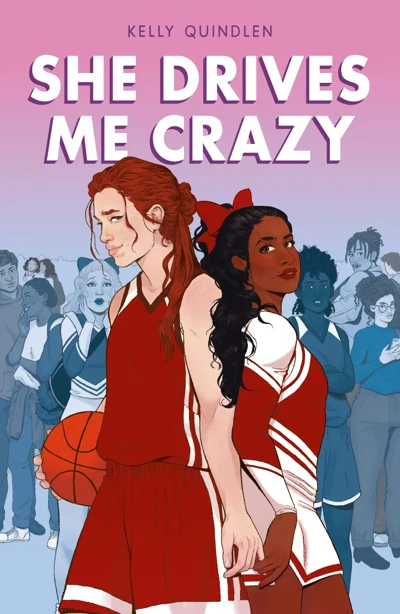
Authentic published cover of one starter selection; not a claim about every book in the guide.
Updated 9 October 2026 · Eikna Editorial Team
What kind of opposition do you want to read?
Setup
What drives it
What to check
School and social conflict
Reputation and personal history complicate attraction.
How conflict affects each person’s everyday choices.
Competitive rivalry
Both characters want an opportunity or a win.
Whether competition involves personal hostility or mutual respect.
Political or fantasy opposition
The relationship crosses a wider divide.
How power and responsibility complicate trust.
A forced alliance or public bargain
Opposed characters have a reason to cooperate.
Whether cooperation changes their judgment or only creates contact.
Narrow the reading experience
Choose the scale of the conflict
A school disagreement can feel urgent without placing the characters on opposing sides of a war. Fantasy can make attraction inseparable from questions of power, survival or loyalty. Neither scale automatically produces a stronger romance. Decide whether you want the relationship to organize most of the story or develop alongside a larger plot. The existing assessment can help you judge how much space goes to romantic development, supporting characters and worldbuilding.
Look for what changes the first judgment
Enemies to lovers describes a direction, not the work that makes it convincing. A character may discover that a reputation was unfair, recognize their own part in a disagreement or face a choice that exposes another person’s priorities. Consider what kind of change you enjoy watching. Forced contact and a fake relationship can create opportunities for those moments, but they do not themselves establish an earned transition from mistrust to affection.
Keep audience and content separate
YA is an audience category, not a guarantee of gentle conflict, low sexual detail or suitability for every teen. Publisher age guidance gives useful context, while book-specific content information helps readers make a more individual choice. Check the existing assessment and identified sources for the material that matters to you. An academic rival, an intimidating social figure and a character implicated in political oppression should not be treated as interchangeable because their books share a shelf.
Decide how much unfinished story you welcome
A romantic comedy and the opening volume of a fantasy series can make different demands on your reading time. If you want the central relationship settled within one book, verify that expectation rather than assuming an enemies-to-lovers tag promises closure. The author identifies Crier’s War as a duology opener, and its existing assessment does not establish a first-volume HEA. Choose it with that continuation requirement in view.
Starting points and their evidence
These are small starter examples, not a completed or ranked recommendation list. Reviewed selections link to existing evidence-based editorial assessments. Other examples are identified as researched premises or pending research leads; they have no new rating or claim of first-hand reading.
Purchases through Amazon, Bookshop.org and Libro.fm links may earn us a commission. As an Amazon Associate, Eikna Romance earns from qualifying purchases, at no extra cost to you.
She Drives Me Crazy
Kelly Quindlen
Confirmed premise example
Basketball player Scottie and cheerleader Irene are high-school nemeses who must carpool after a car accident. A fake-dating scheme gives their difficult connection another complication. Macmillan explicitly identifies the book as a queer YA romantic comedy about nemeses falling in love.
Before choosing: Choose this for school-based personal conflict, repeated contact and a public relationship bargain. Its existing assessment examines the emotional development and recovery from a damaging previous relationship. The publisher’s ages-12–18 guidance describes the intended audience, not a personalized content judgment.
Author or publisher premise source · checked 9 October 2026
Edition buttons become available when the specific format and destination are checked. Amazon opens a title-and-author search; choose your edition there.
Crier’s War
Nina Varela
Classification reported by identified critics
Human servant Ayla wants revenge against Crier, the daughter of a ruler of the Made. Their developing connection sits inside oppression, unrest and political conflict. The author confirms the central love story and duology structure; Publishers Weekly explicitly reports an enemies-to-lovers plotline.
Before choosing: Choose this for a sapphic fantasy relationship alongside political stakes. The existing assessment weighs yearning and contrasting perspectives against criticism of reciprocation and worldbuilding. This is the first volume of a duology; a first-volume HEA is not established. Publishers Weekly identifies an ages-14-up audience.
Author or publisher premise source · checked 9 October 2026
https://www.ninavarela.com/crierswar
Trade classification and audience evidence: https://www.publishersweekly.com/9780062823946
Edition buttons become available when the specific format and destination are checked. Amazon opens a title-and-author search; choose your edition there.
Questions that change the reading choice
Are all YA enemies-to-lovers books set in high school?
No. YA identifies an audience; the setting may be a school, a fantasy kingdom or somewhere else. The two starters deliberately illustrate a contemporary school story and a fantasy conflict.
Does hostility have to be equally strong on both sides?
No. A label can cover different perceptions of the conflict. Look at who has power, what each person believes and what actually changes, rather than assuming symmetrical hatred.
What do the age labels mean for these starters?
Macmillan lists She Drives Me Crazy for ages 12–18; Publishers Weekly gives Crier’s War an ages-14-up audience. These are attributed audience guides, not a guarantee that every reader in those ranges will want the same content.
Is this a complete YA enemies-to-lovers list?
No. It is an explanatory guide with two existing reviewed starters. The broader collection still needs further verified selections. No new review, rating or canonical classification was created for this page.
YA academic rivals romance puts two students on competing paths toward a school goal. Their attraction matters because being first, winning recognition or protecting a future has mattered to them already. Look for something they genuinely want, rather than assuming that sharing a classroom makes them rivals.
A love triangle involving brothers makes a romantic choice part of an existing family relationship. The two possible partners share a history that continues beyond any date or breakup. Readers choosing this dynamic often want divided affection and complicated loyalty, but the sibling connection can also make the eventual decision harder to watch.
Choosing YA enemies to lovers without explicit scenes
YA identifies an intended audience; it does not certify the absence of explicit sexual scenes. If no on-page sex is your boundary, look for a positive content assessment of the particular book and edition. Kissing, references to sex and fade-to-black intimacy also answer different questions. A request for no sexual content at all is narrower than a request for no explicit scenes, so state which one you mean.
She Drives Me Crazy is a publisher-confirmed YA romance with fake dating and enforced carpooling. It can help you compare school rivalry with more serious antagonism, but the reviewed record leaves explicitness unknown. It is consequently an adjacent YA comparison, not a certified no-spice selection. The existing review also discusses early harmful behavior and later recovery, concerns that remain relevant even when a reader’s main filter is sexual presentation.
Sources and verification limits · checked 9 October 2026