Morally Grey Fantasy Romance: Dangerous Power, Agency and the Need for Repair
Morally grey fantasy romance invites readers to follow attraction involving ethically difficult choices in an invented world. The useful question is what a character does with power and what that costs other people. A harsh manner, a dark costume or unusual magic is not enough. Choose whether you want a sustained reckoning, a complicated change of behavior or a story that leaves some actions troubling even as attachment develops.
The Winter King is the current reviewed interpretive example. C. L. Wilson establishes a ruler taking a bride as vengeance after war while struggling with dangerous magical power. Those premise facts support discussing coercive power and changing tenderness. Morally grey is this guide’s editorial interpretation, not an explicit author tag or a guarantee of redemption. Existing criticism of agency, deception and familiar character roles remains visible.
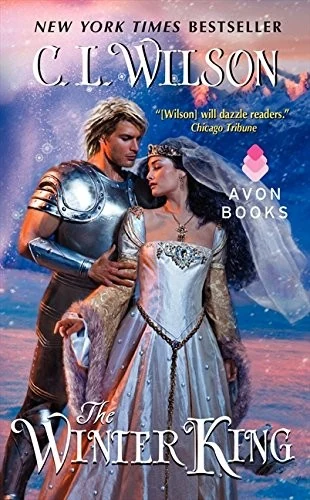
Authentic published cover of one starter selection; not a claim about every book in the guide.
Updated 9 October 2026 · Eikna Editorial Team
Compare the reading choices
Setup
What drives it
What to check
A difficult exercise of power
A character pursues a goal at another’s expense.
Concrete conduct rather than appearance.
An unequal beginning
Attachment grows within restrictive circumstances.
Independent choices and consequences.
Unexpected tenderness
Affection changes how a character is seen.
The difference between softening and accountability.
Narrow the reading experience
Look at the action rather than the aesthetic
An intimidating fantasy ruler can have difficult responsibilities without every choice being morally ambiguous. Conversely, tender attention to one person can coexist with harm toward others. Start with a concrete act and the people affected by it. In the starter, the demand for a bride after conquest gives the guide a specific basis for examining power. That is more useful than assuming an ice-themed king must be ethically complex. Readers can then decide whether the premise itself crosses a boundary they would rather avoid.
Consider what agency looks like inside an unequal beginning
A character may gain some freedom in a new relationship while still entering it under another person’s power. Those facts can coexist, and neither should erase the other. Wilson’s premise places Khamsin’s marriage against her restrictive home, but that does not turn the ruler’s vengeance into a freely negotiated bargain. The existing assessment values her growing confidence while retaining objections to deception and familiar brute-and-vulnerable-partner roles. Choose how much room for independent action and consequential disagreement you need the later relationship to provide.
Decide what tenderness needs to change
A moment of unexpected gentleness can begin a different view of a character, but it does not by itself repair earlier harm. Some readers enjoy an emotionally softened dangerous figure; others need sustained accountability, restitution or a clearer change in the exercise of power. Existing critics disagree about the effectiveness and predictability of the starter’s emotional movement, and about repetition across its length. That disagreement helps define the reading choice. The label should leave readers free to require repair rather than imply that enjoying moral complexity means accepting any conduct.
Starting points and their evidence
These are small starter examples, not a completed or ranked recommendation list. Reviewed selections link to existing evidence-based editorial assessments. Other examples are identified as researched premises or pending research leads; they have no new rating or claim of first-hand reading.
Purchases through Amazon, Bookshop.org and Libro.fm links may earn us a commission. As an Amazon Associate, Eikna Romance earns from qualifying purchases, at no extra cost to you.
The Winter King
C. L. Wilson
Editorial interpretation
Wynter demands a bride from the defeated kingdom as vengeance and struggles with the Ice Heart’s power. These directly established facts support this guide’s interpretation of dangerous authority and changing intimacy; morally grey is not presented as an author-supplied classification.
Before choosing: Check the unequal marriage setup and the existing criticism of agency, deception and relationship repair. The evidence does not establish a numerical heat level, formal ending classification or reread value.
Author or publisher premise source · checked 9 October 2026
Edition buttons become available when the specific format and destination are checked. Amazon opens a title-and-author search; choose your edition there.
Questions that change the reading choice
Does the author call The Winter King morally grey?
The inspected official premise does not use that label. Its inclusion is an editorial interpretation of the established vengeance and power dynamics.
Does morally grey guarantee dark romance or high heat?
No. Moral interpretation, subgenre and sexual explicitness are separate fields. Heat remains unknown in the existing assessment.
Is redemption or a formal happy ending guaranteed?
No. The guide promises neither. Existing responses to the conclusion differ, and formal ending classification and satisfaction remain unassigned.
When the heroine makes the difficult moral choices
A morally grey heroine is more than assertive, angry or willing to fight. Look for a consequential choice that is difficult to defend, then ask who bears its cost. A character can resist oppression or pursue justice without automatically becoming morally ambiguous. The classification should arise from the actual action rather than a broad description of strength.
Readers may want deception, revenge, self-interest or loyalty taken too far. These choices create different romances. Consider whether the partner challenges the heroine, shares her compromises or benefits from them. That relationship question can be more revealing than a claim that she is dangerous, especially when the story gives her reasons without fully excusing the harm.
The fantasy guide makes room for women’s moral ambiguity without limiting the trope to men or treating every survival act as evidence. Ask whether the questionable choice belongs to the heroine herself or merely to the world around her. A premise that establishes political danger can support a comparison while leaving the completed character assessment open.