Morally Grey Romance: Motives, Methods and Romantic Trust
Morally grey romance asks you to stay interested in a romantic lead whose choices are difficult to defend or difficult to judge. A character may protect one person while harming another, pursue a sympathetic goal through destructive means or place private loyalty above a wider responsibility. The useful question is what the story makes you understand about those choices, and whether it allows their consequences to matter.
Compare 14 researched starting choices through the action, the motive and the cost to romantic trust. The evidence notes distinguish what an author or publisher establishes from our moral interpretation, with neighboring ethical pressures qualified separately. Follow each existing assessment for relationship criticism, consent, content and series limits.
Original editorial artwork about this relationship theme; not a published cover or a scene from a specific novel.
Updated 10 October 2026 · Eikna Editorial Team · Researched editorial assessments
Compare the action, its motive and the pressure on trust
Deception, coercion and divided loyalties create different reading experiences. Start with the choice the source establishes, then check the linked assessment for how the relationship and consequences are handled.
Qualified ethical-pressure comparison; read the precise scope
Readers who want ethically complicated methods used to resist family control.
Where does the moral conflict sit?
Separate the character’s treatment of the wider world from the way they treat a partner. An assassin who respects a lover’s decisions and an employer who manipulates a romance raise different concerns, even if readers describe both as morally grey. Neither a profession nor a powerful position tells you enough by itself. Look for the actual action, its motive and the freedom the other lead retains.
Starting point
What drives it
What to check
A sympathetic goal with harmful methods
The desired outcome conflicts with the means
Who bears the consequences, and does the story acknowledge them?
Loyalty to one person over others
Private devotion overrides a wider duty
Does protecting the partner require dismissing other lives?
Power used within the relationship
Authority changes the partner’s available choices
Read conduct and freedom to refuse separately from attraction
A changing moral position
The lead reconsiders earlier choices
What changes in behavior beyond a declaration of love?
A gruff personality does not establish moral ambiguity
Being reserved, rude or difficult to impress describes temperament. Moral ambiguity concerns choices and competing values. A lead can speak sharply while consistently acting with care, or speak tenderly while using another person. If you mainly want the appeal of warmth underneath a rough manner, the grumpy–sunshine guide may be a closer fit than this category.
Understand the motive without erasing the action
Grief, revenge, loyalty and survival can make a decision comprehensible without making it harmless. Readers may enjoy the tension between attraction and objection, or want a character to recognize damage and repair it. The full review should help you distinguish an explanation from an excuse. A compelling backstory alone does not tell you how the romance handles trust.
Villainy and ambiguity can overlap, but they are not interchangeable
A villain can have an intelligible motive while remaining committed to harmful conduct. A conflicted protagonist may have limits and competing obligations. Reader labels vary, so this guide does not assign a universal scale of darkness. It asks what the character chooses, who is harmed and whether the narrative invites accountability, fascination or a deliberate fantasy of danger.
Devotion does not automatically settle the romantic question
A character’s willingness to do anything for a partner can sound irresistible, but the partner may want independence, honest information or safety rather than a dramatic intervention. Some readers seek that tension; others want clear mutual trust. Check the actual content notes and relationship assessment. A moral label does not establish consent, heat, a happy ending or freedom from coercive scenes.
The dark-romance guide helps you compare troubling dynamics and atmosphere. Moral ambiguity can appear beyond dark romance, so use this route when the surrounding relationship pressure is the main interest.
The arranged-marriage guide examines who makes the match and what freedom remains. The Winter King overlaps here through a retaliatory political demand; not every arranged marriage uses that motive.
The cinnamon roll guide focuses on caring behavior through reviewed starters. Use it when dependable support interests you more than competing loyalties or destructive methods.
14 researched starting choices for difficult conduct and competing loyalties
These choices link existing researched assessments. The notes identify verified actions separately from our interpretation and from qualified ethical-pressure comparisons. A sympathetic motive or romantic devotion does not erase harm, establish consent or guarantee redemption. This remains a starter collection rather than an exhaustive list.
Purchases through Amazon, Bookshop.org and Libro.fm links may earn us a commission. As an Amazon Associate, Eikna Romance earns from qualifying purchases, at no extra cost to you.
Specific choices that support our moral reading
Author or publisher material establishes the action. Calling its treatment morally grey is an editorial interpretation, not an automatic source-supplied tag.
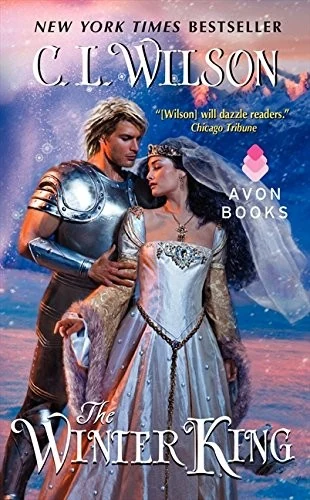
The Winter King
C. L. Wilson
Conduct and interpretation: Primary source verifies the action; moral classification is our interpretation
Best for: A hero whose revenge makes another person part of the settlement
Wynter seeks vengeance against Summerlea’s king by demanding one of his daughters as a bride. That decision, rather than his title or cold temperament, is the basis for an editorial morally grey reading: he uses a marriage and a woman’s future to punish someone else.
The author also describes Khamsin gaining freedom through the marriage and discovering unexpected tenderness. Those developments complicate the premise without erasing Wynter’s purpose in imposing it. Choose this when you want the relationship to contend with a damaging political choice, alongside a dangerous power he embraced for revenge.
Before choosing: Morally grey is an editorial interpretation of the verified punitive marriage and revenge choices, not an author-confirmed trope tag. Khamsin’s increased freedom does not retrospectively make the arrangement freely chosen. The existing assessment discusses Khamsin’s agency and character growth alongside criticism of deception cycles and repetitive emotional imagery.
Which action is verified, and what interpretation does it support?
C. L. Wilson — The Winter King: Author says Wynter takes an enemy king’s daughter as his bride for vengeance and embraced Ice Heart power to avenge his brother. (verified primary action editorial fit). Source: https://clwilson.com/the-books/the-winter-king/.
Edition buttons become available when the specific format and destination are checked. Amazon opens a title-and-author search; choose your edition there.
A Heart of Blood and Ashes
Milla Vane
Conduct and interpretation: Primary source verifies the action; moral classification is our interpretation
Best for: A romance that begins with the hero treating the heroine as a target
Maddek captures Yvenne because he believes she helped arrange his parents’ murder. The author describes him determined to make her pay, even while the political council forbids killing her father. His willingness to act through accusation and revenge supplies the concrete moral problem; being a powerful warrior alone would not.
Yvenne proposes a marriage joining their ambitions, and her intelligence challenges what he expected of his captive. This fits readers who want strategy to force a hostile hero to reconsider his judgment. Her ability to negotiate is consequential, but it does not cancel the imbalance he created by taking her.
Before choosing: Editorial classification based on capture for revenge; explicit sex and bloody violence are author-described. Series-level assault/abuse guidance should be consulted separately. A proposed alliance does not absolve the initial coercion.
Which action is verified, and what interpretation does it support?
Milla Vane — A Heart of Blood and Ashes: Author verifies Maddek’s revenge motive, capture of Yvenne and her subsequent political marriage proposal. (verified primary action editorial fit). Source: https://millavane.com/book/blood-and-ashes/.
Edition buttons become available when the specific format and destination are checked. Amazon opens a title-and-author search; choose your edition there.
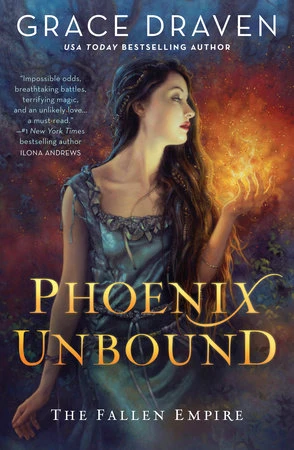
Phoenix Unbound
Grace Draven
Conduct and interpretation: Primary source verifies the action; moral classification is our interpretation
Best for: A sympathetic goal pursued through coercion of another vulnerable person
Azarion wants to escape imperial slavery, but the publisher explicitly says he blackmails Gilene into using her magic to help. This is a particularly useful morally grey comparison because his need for freedom is compelling while his chosen method restricts her choices.
Gilene’s obligations extend beyond herself: returning to the empire protects the women of her village. Helping Azarion therefore puts more at stake than abandoning a routine. Choose this for the difficult collision between liberation and responsibility, while keeping the harm of blackmail visible even when the captor regime is worse.
Before choosing: Editorial inference from verified blackmail, not a primary-source morally-grey tag. Enslavement and threatened burning are explicit in the premise. His victimization by the empire does not make coercing Gilene harmless.
Which action is verified, and what interpretation does it support?
Ace publisher description via Apple Books — Phoenix Unbound: Publisher identifies Azarion as enslaved and explicitly says he blackmails Gilene into helping his escape. (verified primary action editorial fit). Source: https://books.apple.com/us/book/phoenix-unbound/id1330331353.
Edition buttons become available when the specific format and destination are checked. Amazon opens a title-and-author search; choose your edition there.
The Bridge Kingdom
Danielle L. Jensen
Conduct and interpretation: Primary source verifies the action; moral classification is our interpretation
Best for: A heroine whose romantic closeness serves a destructive political mission
Lara arrives as a peace bride while intending to fracture Aren’s kingdom’s defenses. The moral complication belongs to the heroine: she uses a relationship presented as reconciliation to advance a hostile mission. The author makes deception and its intended damage concrete rather than relying on enemies-to-lovers as a substitute for ethical conflict.
As Lara learns more about the struggle over the bridge, she questions whether her own role is heroic. Her growing feelings require a choice between kingdoms, not just an admission of attraction. This suits readers who want changing understanding to challenge a character’s loyalties and methods, with romance caught inside that reassessment.
Before choosing: Editorial morally-grey interpretation of Lara’s verified infiltration and deception. The source does not classify Aren simply because he is a powerful enemy king. First book of a continuing series; inspect series guidance.
Which action is verified, and what interpretation does it support?
Danielle L. Jensen — The Bridge Kingdom: Author says Lara is sent under guise of peace intending to fracture defenses, then questions her moral role and must choose which kingdom to save or destroy. (verified primary action editorial fit). Source: https://www.danielleljensen.com/bridge-kingdom.
Edition buttons become available when the specific format and destination are checked. Amazon opens a title-and-author search; choose your edition there.
An Unnatural Vice
KJ Charles
Conduct and interpretation: Primary source verifies the action; moral classification is our interpretation
Best for: Readers who want the love interest’s wrongdoing to be concrete and open to challenge.
Justin Lazarus makes his living through deceptive séances and feels no remorse for the lies he tells his clients. Nathaniel Roy wants to expose spiritualists who exploit vulnerable, grieving people, so their attraction develops across an identifiable ethical dispute. Our morally grey placement is an editorial interpretation of that supported fraud, rather than a publisher-issued trope label.
The romance asks what trust can look like when one partner’s livelihood depends on misleading others. Justin’s attraction to the man investigating him gives the conflict a personal stake, while a lethal family secret forces them into cooperation. This is a useful choice for readers interested in deception and accountability without needing an organized-crime setting.
Before choosing: Sins of the Cities middle volume; publisher-quoted RT review notes that the overarching mystery continues. Fraud involving bereavement is explicit; a complete content inventory is not established here.
Which action is verified, and what interpretation does it support?
Penguin Random House — An Unnatural Vice: Justin lies during séances without remorse; Nathaniel investigates exploitation of bereaved and vulnerable clients. (direct premise with editorial interpretation). Source: https://www.penguinrandomhouse.com/books/541888/an-unnatural-vice-by-kj-charles/.
Edition buttons become available when the specific format and destination are checked. Amazon opens a title-and-author search; choose your edition there.
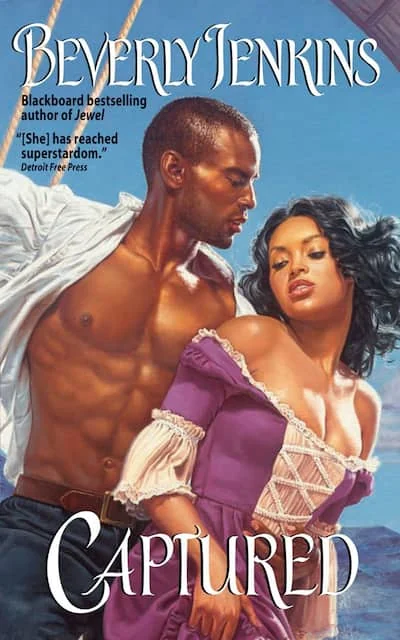
Captured
Beverly Jenkins
Conduct and interpretation: Primary source verifies the action; moral classification is our interpretation
Best for: Readers willing to examine coercion within a historical romantic premise.
Dominic controls Clare’s access to freedom after capturing the frigate on which she is enslaved. He offers her release in exchange for a night in his bed. That explicit choice supplies the ethical basis for inclusion: the romantic lead uses an enslaved woman’s circumstances to seek sexual access.
The author’s account also describes Clare feeling desire, but attraction does not erase the unequal bargain. Choose this for a discussion of power and coercive decisions in historical romance, with the freedom-for-sex condition kept visible. Our classification is an editorial judgment about the verified action, not a claim that the author markets Dominic as morally grey.
Before choosing: Enslavement and a freedom-for-sex bargain. Consent pressure is substantial; do not describe this as an ordinary mutually free transaction.
Which action is verified, and what interpretation does it support?
Beverly Jenkins — Captured: Dominic offers enslaved Clare her freedom in exchange for a night in his bed. (direct premise with editorial interpretation). Source: https://www.beverlyjenkins.net/books/historical-romance-books/captured/.
Edition buttons become available when the specific format and destination are checked. Amazon opens a title-and-author search; choose your edition there.
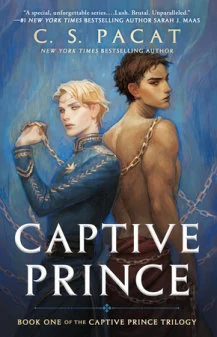
Captive Prince
C. S. Pacat
Conduct and interpretation: Primary source verifies the action; moral classification is our interpretation
Best for: Readers prepared for a brutal political opening and a romance that develops across later volumes.
Damen is sent to Laurent as a pleasure slave after a coup, and Laurent becomes his master within that system of sexual enslavement. Damen must also hide his identity while trying to survive political intrigue. Our moral reading concerns Laurent’s position as master within sexual enslavement. Damen’s hidden identity is a survival response, not interchangeable wrongdoing; the publisher establishes both circumstances.
Treat this as the first volume of a developing trilogy rather than a complete romance recommendation on its own. The existing review attributes to Kristen at Metaphors and Moonlight a finding that volume one has no central romance. Its value in this collection is the difficult power structure established at the outset, not an assurance about how the entire trilogy resolves that structure.
Before choosing: Volume one only. Sexual enslavement is explicit in the publisher premise. Existing critic-based assessment reports sexual assault and severe flogging and no central romance in this volume; later trilogy development remains outside that assessment.
Which action is verified, and what interpretation does it support?
Berkley — Captive Prince: Damen is enslaved and sent to serve Laurent as a pleasure slave; he must conceal his identity while cooperating to survive. (direct premise with editorial interpretation). Source: https://www.penguinrandomhouse.com/books/316172/captive-prince-by-c-s-pacat/paperback/.
Edition buttons become available when the specific format and destination are checked. Amazon opens a title-and-author search; choose your edition there.
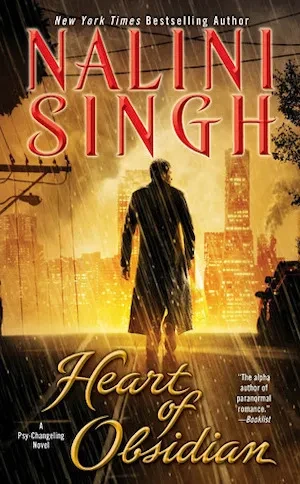
Heart of Obsidian
Nalini Singh
Conduct and interpretation: Primary source verifies the action; moral classification is our interpretation
Best for: Readers who want tenderness entangled with intimidation and extreme personal control.
Kaleb’s behavior in the author’s opening supplies the ethical issue, rather than his formidable powers alone. After retrieving a deeply traumatized woman from captivity, he threatens to restrain her psychically and force her to drink. He also refuses the specialist help that logic suggests because he will not trust anyone with her. Calling this morally grey is an editorial reading of those concrete choices.
The same excerpt shows him adapting the room to reduce her fear of surveillance and trying to earn her trust. That juxtaposition gives readers a specific question to consider: when does protection become control? Expect captivity trauma, threatening language and threatened bodily coercion in the verified opening. The publisher’s dark language should not be taken as a complete content-warning inventory.
Before choosing: Editorial moral classification based on explicit threats and withheld outside help; no invented crimes or ending.
Which action is verified, and what interpretation does it support?
Nalini Singh, official excerpt: Kaleb threatens forced hydration and declines specialist assistance while also making changes to reassure the rescued woman. (direct premise example). Source: https://nalinisingh.com/books/psychangeling-series/heart-of-obsidian/.
Edition buttons become available when the specific format and destination are checked. Amazon opens a title-and-author search; choose your edition there.
Qualified comparisons and attributed classifications
These notes distinguish reported labels from neighboring ethical pressures. A difficult situation alone does not make every participant morally grey.
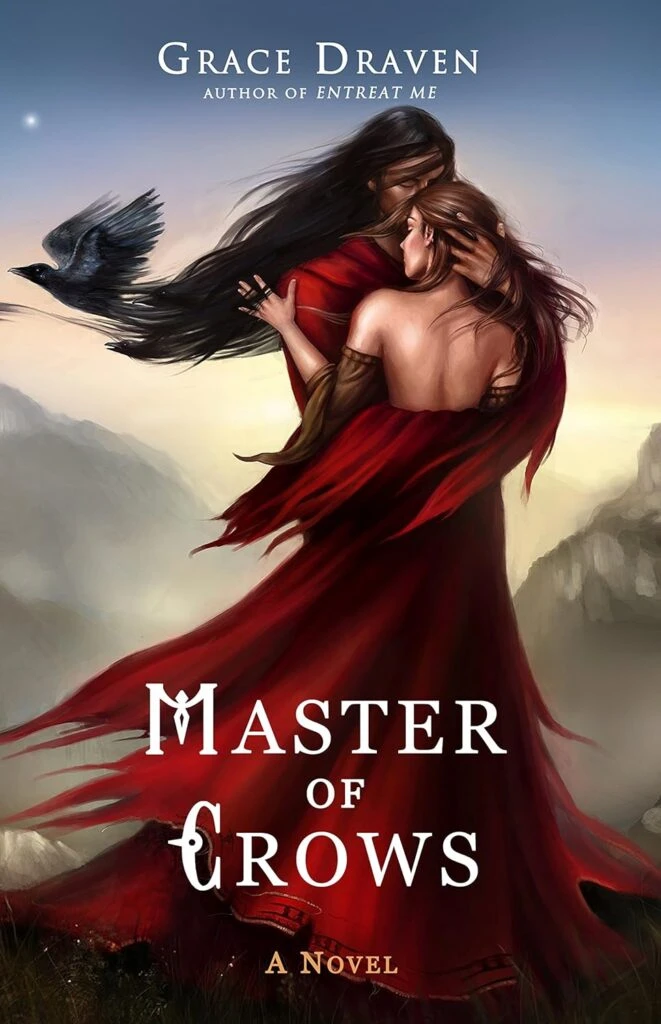
Master of Crows
Grace Draven
Conduct and interpretation: Qualified ethical-pressure comparison; read the precise scope
Best for: An enslaved heroine facing a genuine ethical bargain
Martise’s masters offer freedom if she spies on Silhara and helps deliver him to their justice. The author therefore establishes an ethical pressure with a concrete cost: improving her own circumstances appears to require betraying the man she comes to love. Her lack of freedom matters to any judgment of that decision.
Use this as a qualified conflict comparison rather than assuming Silhara is morally grey because he is a renegade sorcerer. The checked premise describes him resisting a god’s offer of power, not accepting it. The strongest verified moral tension lies in Martise’s bargain and the trust threatened by her role as a spy.
Before choosing: Qualified ethical-conflict placement, not a verified morally-grey label for either lead. Conclave are Martise’s masters; Silhara is her target and apprentice master. Resisting a harmful power is not itself evidence of harmful conduct.
Which action is verified, and what interpretation does it support?
Edition buttons become available when the specific format and destination are checked. Amazon opens a title-and-author search; choose your edition there.
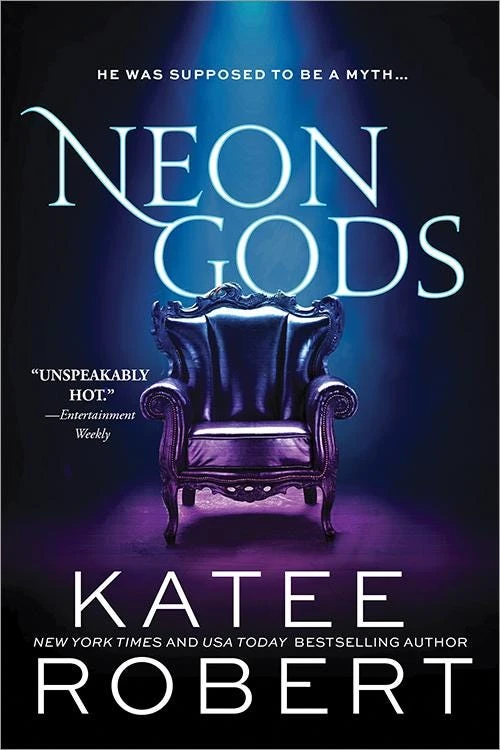
Neon Gods
Katee Robert
Conduct and interpretation: Qualified ethical-pressure comparison; read the precise scope
Best for: A protective romance with transactional motives and negotiated intimacy
Hades agrees to help Persephone because she offers an opportunity for revenge, and the publisher explicitly describes that help as coming at a price. This supports a qualified discussion of mixed motives: protection and political advantage are intertwined, rather than assistance presented as purely selfless.
Keep this distinct from a coercive-captor recommendation. Sourcebooks describes the intimacy between the leads as consensual and negotiated, while the threatening political pressure comes from Olympus and Zeus. Readers interested in morally complicated bargaining may find the comparison useful, but kink or a feared reputation alone should not be counted as moral wrongdoing.
Before choosing: Qualified conflict rather than an independently reported grey label. Publisher confirms consensual kink and negotiated boundaries; do not conflate sexual power exchange with nonconsensual coercion. Dark Olympus book one has its own central romance.
Which action is verified, and what interpretation does it support?
Sourcebooks — Neon Gods: Publisher verifies Hades helps for a price motivated by revenge; describes consensual kink, boundaries and an installment with its own central romance. (verified primary conflict qualified fit). Source: https://www.sourcebooks.com/9781728231730-neon-gods-tp.html.
Edition buttons become available when the specific format and destination are checked. Check the selected format before buying.
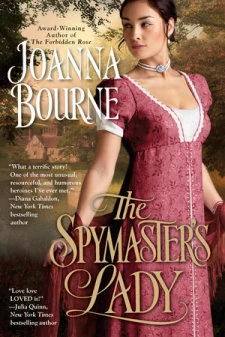
The Spymaster's Lady
Joanna Bourne
Conduct and interpretation: Qualified ethical-pressure comparison; read the precise scope
Best for: Readers interested in divided loyalties and trust under intelligence-service pressure.
Robert Grey has orders to capture Annique and take her secrets to England, yet the two become fellow prisoners who need each other to escape. The verified setup places cooperation beside a mission that would take away her autonomy. That makes it a useful ethical-conflict comparison rather than automatic proof of every harmful action a spy might commit.
Readers can choose it for the tension between personal trust and official duty. An alliance may keep both agents alive while leaving their longer-term interests opposed. The inspected material establishes capture intent and mutual suspicion; the morally grey assessment remains qualified because a detailed record of Grey’s later choices has not been verified here.
Before choosing: Capture mission, imprisonment and deception are supported. Do not infer torture, actual later detention by Grey or a definitive morally-grey author label from his occupation.
Which action is verified, and what interpretation does it support?
Penguin Random House — The Spymaster’s Lady: Grey must capture Annique and her secrets; shared imprisonment leads them to an uneasy escape alliance. (direct premise qualified editorial interpretation). Source: https://www.penguinrandomhouse.com/books/301661/the-spymasters-lady-by-joanna-bourne/paperback/.
Edition buttons become available when the specific format and destination are checked. Amazon opens a title-and-author search; choose your edition there.
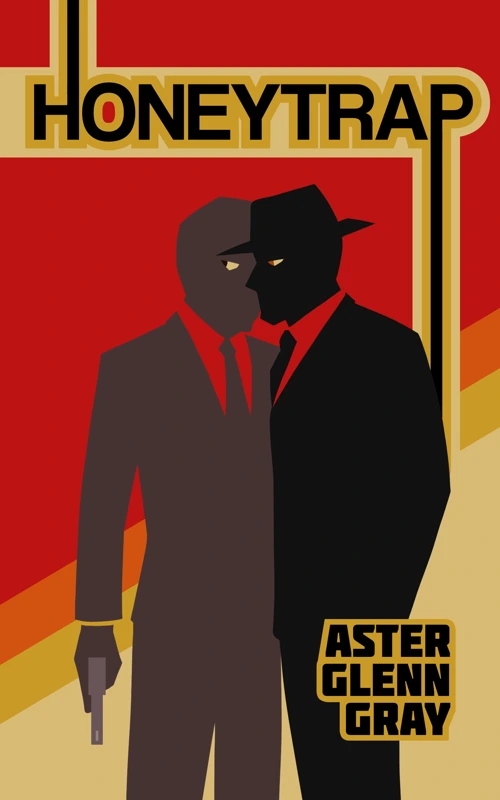
Honeytrap
Aster Glenn Gray
Conduct and interpretation: Qualified ethical-pressure comparison; read the precise scope
Best for: Readers seeking pressure to betray a developing attachment rather than an eager manipulator.
Gennady’s superior orders him to seduce Daniel for blackmail, while Gennady does not want to use his new friend that way. The premise therefore verifies a coercive assignment and an ethical struggle, not a completed blackmail scheme or willing embrace of exploitation.
This belongs in a separated comparison section for readers interested in whether loyalty to an institution can coexist with care for another person. Their opposing countries compound the pressure. Calling Gennady morally grey without qualification would hide the distinction between an abusive order and the choice he ultimately makes.
Before choosing: Actual execution of the blackmail plan is unverified. Syndicated publisher warning lists secondary-character sexual harassment and assault, period homophobia, implied/referenced suicide and messy polyamory.
Which action is verified, and what interpretation does it support?
Aster Glenn Gray synopsis syndicated by AbeBooks: Abusive boss orders Gennady to seduce Daniel for blackmail; Gennady does not want to do so. (publisher syndicated qualified editorial interpretation). Source: https://www.abebooks.com/9798233899836/Honeytrap-Gray-Aster-Glenn/plp.
Edition buttons become available when the specific format and destination are checked. Amazon opens a title-and-author search; choose your edition there.
Crier’s War
Nina Varela
Conduct and interpretation: Qualified ethical-pressure comparison; read the precise scope
Best for: Readers interested in a heroine whose revenge intention is challenged by closeness to its intended target.
Ayla wants to avenge her murdered family by killing Lady Crier, the ruler’s daughter. The author makes that intention explicit, so the conflict reaches beyond simply belonging to opposing sides. A planned killing directed at the future love interest provides a real ethical pressure, although the checked premise does not establish that Ayla carries it out.
Crier is also beginning to question her father’s rule, complicating Ayla’s choice of target. Choose this for the tension between personal vengeance and political responsibility, rather than a promise that either heroine fits every version of a morally grey character. This is YA fantasy and the first book of a duology; the recommendation does not promise a completed romance or a particular ending in this volume.
Before choosing: Verified revenge intention, not completed assassination; qualified ethical-conflict comparison. YA and duology boundary explicit.
Which action is verified, and what interpretation does it support?
Nina Varela, official book page: Ayla plans to kill Crier in revenge; Crier questions her father’s supposed benevolence. First book of a duology. (direct premise example). Source: https://www.ninavarela.com/crierswar.
Publishers Weekly: HarperTeen YA review confirms Ayla’s revenge scheme and developing relationship; youth audience stated. (reported classification). Source: https://www.publishersweekly.com/9780062823946.
Edition buttons become available when the specific format and destination are checked. Amazon opens a title-and-author search; choose your edition there.
Aurora Blazing
Jessie Mihalik
Conduct and interpretation: Qualified ethical-pressure comparison; read the precise scope
Best for: Readers who want ethically complicated methods used to resist family control.
Bianca does more than keep a private opinion: the author’s excerpt says she has supplied Ian with false intelligence while helping her sister stay ahead of him. She also operates an undisclosed information network. These are verified deceptive methods, but the stated purpose is protective, so this is a qualified comparison rather than a blanket villain or morally grey label.
The present plot repeats the clash between a woman’s autonomy and the family security apparatus: Bianca leaves to find her missing brother, while Ian is ordered to retrieve her. Choose it for arguments about loyalty, secrecy and who gets to decide what protection means. Her previous marriage involved experimentation on her without meaningful freedom; do not convert rumors about her husband’s death into a verified murder claim. It is the trilogy’s second novel.
Before choosing: Actual false-information scheme supported; moral interpretation editorial and qualified. Husband-death rumors are not proof.
Which action is verified, and what interpretation does it support?
Jessie Mihalik, official synopsis and excerpt: Bianca feeds Ian false information to help Ada evade him, conceals her intelligence network, and resists an order to retrieve her; prior husband experimented on her. (direct premise example). Source: https://www.jessiemihalik.com/book/aurora-blazing/.
Edition buttons become available when the specific format and destination are checked. Amazon opens a title-and-author search; choose your edition there.
Questions that change the reading choice
Does morally grey mean the lead is secretly good?
No. Some stories reveal misunderstood motives; others keep a lead’s harmful choices visible. The label alone does not promise hidden innocence or eventual redemption.
Does it always mean a male lead?
No. Any romantic lead can face moral conflict. The guide’s criteria concern behavior rather than gender; each card identifies the choices actually under discussion.
Are all morally grey romances dark or explicit?
No. A moral interpretation does not establish tone, sexual detail or audience. Check those separately in the book assessment and content evidence.
Is this a finished list of recommendations?
No. These researched starting choices offer specific comparisons, while broader readiness remains partial. The scope notes separate verified conduct, editorial interpretation and neighboring ethical pressures.
Morally Grey Fantasy Romance: Dangerous Power, Agency and the Need for Repair
Morally grey sapphic romance asks readers to consider a relationship alongside choices whose motives may be understandable while their consequences remain troubling. Revenge, complicity and unequal power can make attraction ethically difficult. A sapphic pairi
Morally Grey Mafia Romance: Actions, Loyalties and Accountability
Morally grey mafia romance asks readers to follow a love interest whose actions conflict with ordinary ideas of right and wrong. A criminal title alone does not show what that conflict looks like. The useful questions concern whom the character harms, whom they protect and which choices the story asks you to accept.
Morally Grey Dark Romance: Harm, Attachment and Accountability
Morally grey dark romance invites attachment to characters whose choices can be harmful, frightening or ethically compromised. The useful distinction concerns the actual.
How these starting choices were researched
We inspected current competing guides and checked specific actions and relationship premises through author and publisher material, retaining identified criticism where additional interpretation is reported. Each note separates source-backed conduct from our interpretation and identifies the limits of neighboring ethical-pressure comparisons. These additions link existing researched assessments without adding ratings or claiming first-hand reading. The order groups evidence scopes rather than ranking quality; the collection remains incomplete.