Historical Second-Chance Romance: Estranged Spouses and Separated Lovers
Historical second-chance romance returns a couple to love after a rupture, while the period setting shapes the practical choices available to them. Begin with the relationship that already existed: estranged spouses carry a different history from lovers whose connection was interrupted. Then consider whether you want domestic repair or a reunion shaped by larger events.
Lady Isabella’s Scandalous Marriage brings a husband back to the wife who left him. The Duke of Shadows follows an earlier love in British India and a later reckoning in London. These two existing reviewed starters compare the scale and circumstances of reunion without treating elapsed time, a title or continued attraction as proof that the past has been resolved.
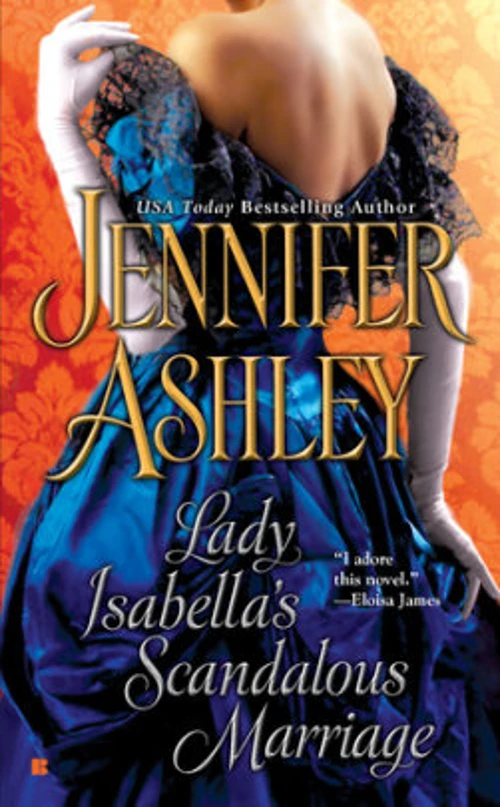
Authentic published cover of one starter selection; not a claim about every book in the guide.
Updated 8 October 2026 · Eikna Editorial Team
Choose the earlier relationship and the new pressure
Setup
What drives it
What to check
Estranged spouses
A marriage continues after the couple separates
Whether renewed courtship addresses the rupture
Separated lovers
An earlier connection returns in a different setting
What the separation changed for each person
Domestic repair
Familiar routines and trust must be reconsidered
Promises versus sustained behavior
Upheaval and survival
Events beyond the couple affect the reunion
Historical context and book-specific content cautions
Narrow the reading experience
Choose marital repair or a renewed courtship
An estranged-marriage story can begin with partners who already know what living together was like. A reunion between separated lovers may instead ask whether an interrupted connection can survive a different life. Ashley’s publisher explicitly establishes a marriage followed by separation; Duran’s establishes earlier love and a later reunion. Readers can use that distinction to choose the relationship history they want. Neither setup requires inventing a divorce, a secret wedding or years of cohabitation that the source has not established.
Ask what change has to be shown
A returning partner may say that he has changed, but that promise and the quality of the reconciliation are separate claims. The publisher’s Lady Isabella premise identifies Mac’s wish to demonstrate change. Existing criticism discusses renewed courtship and the need for it to last, while also retaining reservations about emotional connection. Readers interested in sustained repair should consult that assessment rather than relying solely on a synopsis calling someone reformed. Attraction can explain another opportunity without proving that it should be accepted.
Decide how much wider upheaval you want
The Duke of Shadows places its earlier romance in British India and its later reckoning in London. That gives readers a different starting choice from a marriage-centred domestic reunion. Colonial settings and severe historical disruption can make context central to the reading experience. This guide does not adopt the publisher’s exoticising language or present the novel as a verified historical account. Consult the existing review for its discussion of trauma, narrative emphasis and critical limitations alongside the broad premise.
Keep period constraints distinct from an endorsement
A historical setting may make money, reputation or marital status consequential, but those circumstances do not settle whether the romance handles power persuasively. Readers can consider each partner’s practical options and the individual critic’s assessment of the relationship. A title does not prove safety, and a separation does not establish a particular legal status. These starters provide routes into different reunion stories; the guide adds no new score, claim of first-hand reading or promise about every historical romance’s ending.
Starting points and their evidence
These are small starter examples, not a completed or ranked recommendation list. Reviewed selections link to existing evidence-based editorial assessments. Other examples are identified as researched premises or pending research leads; they have no new rating or claim of first-hand reading.
Purchases through Amazon, Bookshop.org and Libro.fm links may earn us a commission. As an Amazon Associate, Eikna Romance earns from qualifying purchases, at no extra cost to you.
Lady Isabella's Scandalous Marriage
Jennifer Ashley
Confirmed premise example
Isabella left Mac after three turbulent years of marriage. Three years later, he seeks her return and tries to demonstrate that he has changed.
Before choosing: This is estranged-marriage repair. The existing assessment discusses sustained change, shared grief and differing critical reactions to the emotional connection.
Author or publisher premise source · checked 8 October 2026
Edition buttons become available when the specific format and destination are checked. Amazon opens a title-and-author search; choose your edition there.
The Duke of Shadows
Meredith Duran
Confirmed premise example
Emma and Julian develop a love connection in British India amid upheaval. A later reunion in London brings their earlier passion and unresolved grief back into their lives.
Before choosing: The existing assessment identifies severe historical trauma and divided responses to the later relationship development. The premise establishes reunion, not a universal history lesson or low-angst promise.
Author or publisher premise source · checked 8 October 2026
Edition buttons become available when the specific format and destination are checked. Amazon opens a title-and-author search; choose your edition there.
Questions that change the reading choice
Does historical second chance always mean divorced spouses?
No. An estranged marriage and a reunion between separated lovers are different histories. Lady Isabella’s publisher identifies a wife who left her husband, without establishing a divorce in the premise used here.
Does the period setting establish that harmful behavior is acceptable?
No. Setting can explain practical pressures while readers and critics still assess how a relationship handles harm and choice. Use the individual review for the book-specific judgment.
Is a later reunion enough to guarantee low angst?
No. Separation and continued attraction can coexist with grief or trauma. The two premises here differ substantially; check their existing assessments and content notes.