Historical Marriage of Convenience Romance: Heirs, Bargains and Growing Intimacy
Historical marriage of convenience romance starts with an actual marriage serving a practical need before love becomes the agreed purpose of the relationship. The need might concern an heir, money or another stated obligation. Choose the bargain you want to explore, then check whose options are limited and what each spouse expects marriage to require.
The Duchess Deal supplies one existing reviewed starter: a duke seeks a wife because he needs an heir, while the woman he approaches insists on everyday conversation as part of the arrangement. This small guide uses that specific example to explain the reading choice. It is not a completed recommendation list or a claim that every historical marriage follows the same rules.
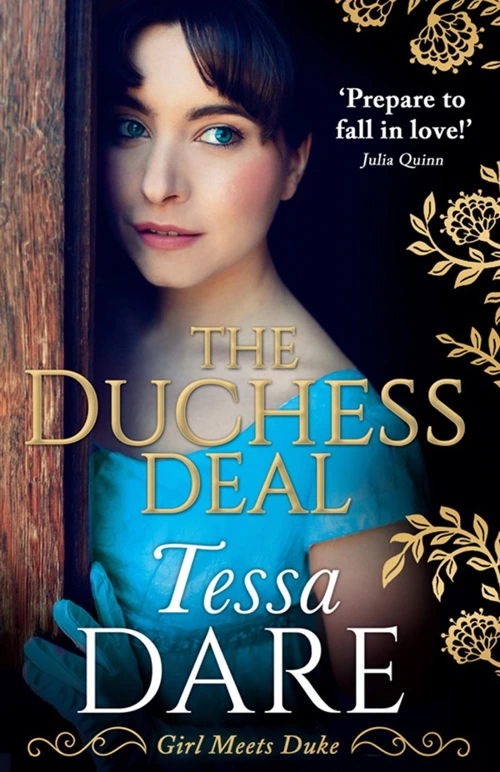
Authentic published cover of one starter selection; not a claim about every book in the guide.
Updated 8 October 2026 · Eikna Editorial Team
Choose the practical reason and the commitment
Setup
What drives it
What to check
Marriage for an heir
A spouse seeks a practical family outcome
Reproductive expectations and individual choice
Negotiated terms
Partners propose different limits and obligations
Who can question or change the bargain
Externally arranged match
Other people help choose the spouses
Arranged selection differs from the reason to marry
Performed relationship
An audience is given a romantic story
Pretend dating is not the same commitment as marriage
Narrow the reading experience
Separate choosing the spouse from choosing the purpose
Arranged marriage concerns how a match is selected; marriage of convenience concerns a practical reason for the commitment. A story can involve both, but one label does not prove the other. In the starter here, the author gives the duke a stated reason to propose and describes the woman responding with terms of her own. That evidence supports the practical-marriage setup without requiring an invented family arrangement. Read each future selection for its particular bargain rather than merging all non-love matches.
Decide whether heir pressure is the story you want
An heir requirement places reproductive expectations inside the relationship’s starting agreement. Some readers find that a compelling reason for a couple to confront emotional distance; others prefer a bargain without that pressure. The Duchess Deal’s synopsis makes the requirement explicit, so it can inform that choice early. It does not establish a universal historical rule. Laws, titles and inheritance conditions vary by place and period; a fictional duke’s expectations should not be presented as legal history for every setting.
Look at how ordinary contact challenges the terms
A practical marriage can allow partners to try limiting the commitment to specific duties. This starter contrasts the duke’s proposed distance with Emma’s wish for regular dinners and conversation. Readers can decide whether they want affection to develop through ordinary domestic contact rather than a courtship organised around public dates. Those premises do not prove the quality or pace of the relationship. The existing assessment provides the craft and relationship judgments, including reservations from critics who question the unequal dependence.
Keep consent and historical plausibility separate
A period setting can explain why a character has fewer practical options without resolving whether the romance handles those limits persuasively. A proposed contract is a starting condition, not proof that all later choices are freely negotiated. Readers can look for both partners’ ability to respond and for the specific critical assessment of the book. This guide does not invent a legal safety net, infer consent from wedding vows or treat attraction as erasing money and status differences.
Starting points and their evidence
These are small starter examples, not a completed or ranked recommendation list. Reviewed selections link to existing evidence-based editorial assessments. Other examples are identified as researched premises or pending research leads; they have no new rating or claim of first-hand reading.
Purchases through Amazon, Bookshop.org and Libro.fm links may earn us a commission. As an Amazon Associate, Eikna Romance earns from qualifying purchases, at no extra cost to you.
The Duchess Deal
Tessa Dare
Confirmed premise example
The Duke of Ashbury proposes marriage because he needs an heir. Seamstress Emma counters his intended emotional distance with terms that include shared dinners and conversation.
Before choosing: Girl Meets Duke book one. The author identifies battle scars and hurtful self-description, a discussed past opium addiction and parental sexual shaming. Existing criticism retains concerns about financial and class dependence.
Author or publisher premise source · checked 8 October 2026
Edition buttons become available when the specific format and destination are checked. Amazon opens a title-and-author search; choose your edition there.
Questions that change the reading choice
Is marriage of convenience merely a fake relationship?
No. It involves an actual marriage entered for practical reasons. The feelings may change, but the commitment is different from pretending to date for an audience.
Must the characters be strangers?
No. Prior familiarity does not determine why they marry. A book needs evidence for its practical marriage bargain rather than an assumption based on how recently the partners met.
Does this guide establish the historical accuracy of the marriage rules?
No. It describes the fictional premise and the reading choice. Specific legal or social-history claims would require period- and location-specific evidence.
Finding a historical marriage bargain without explicit scenes
A marriage contract does not predict how its eventual physical relationship is shown. If you want a closed-door historical convenience marriage, verify the sexual presentation and the practical bargain independently. A modest cover, an older publication date or formal courtship language provides no reliable guarantee. Readers may also distinguish implied consummation from no sex at all; make that boundary clear before choosing.
The Arrangement is an adjacent marriage-of-convenience comparison, not a no-spice recommendation. Its publisher verifies a blind veteran and a displaced heroine considering marriage, while the existing assessment attributes on-page consummation to a completed-book review. The practical union remains useful for comparing support and independence, but it should be excluded when the reader’s requirement is positively verified absence of explicit scenes.
Sources and verification limits · checked 9 October 2026