
By Eikna Editorial Team · Premise research checked 2 October 2026 · Unpublished researched selection draft; no firsthand reading claimed
Choose the pressure behind the courtship
These routes describe source-supported setups. They do not certify historical accuracy, heat, happy endings, low angst or complete content-warning coverage.
| What interests you? | Start with | What changes the choice? |
|---|---|---|
| Work that matters | Vivid / The Siren of Sussex | A physician building a practice and a tailor creating clothes face different barriers to recognition. |
| Politics complicates attraction | Bringing Down the Duke / Midnight | Recruiting a political ally is different from keeping an espionage mission concealed. |
| A relationship interrupted | Remember Love / The Lily of Ludgate Hill | Exile and damaged family trust shape one return; mourning and family obligations shape the other. |
| Marriage as an arrangement | The Arrangement / The Belle of Belgrave Square | Compare mutual protection with a proposed marriage that carries restrictions inside the new household. |
| Caregiving and another chance | Someone to Care / Only Beloved | Family responsibilities are part of the starting circumstances. A later opportunity does not establish an easy emotional journey. |
| Danger beyond the drawing room | Indigo / Night Hawk | Underground Railroad work and a threatened prisoner put attraction beside external danger. |
Find a route you might not have tried
Follow a heroine’s work
Vivid begins with medical practice; Topaz brings journalism into the setup. In The Siren of Sussex, clothing and riding bring the leads together, while The Muse of Maiden Lane connects an artist’s model to a marriage offer. Compare the practical task before assuming that a historical heroine’s story begins and ends with a marriage market.
Look at who controls the bargain
Someone to Wed starts with a wealthy heroine’s offer. A Rogue of One’s Own ties a business concession to sex, and Portrait of a Scotsman introduces an unwilling bride. These are premises worth distinguishing, especially if coercion is a reading boundary. Inclusion here does not settle how consent is handled in the full story.
Let travel change the possibilities
Always and Forever uses a wagon-train assignment; The Escape begins with a journey away from restrictive family. Travel can change who has room to make a decision, but it does not establish a road-trip comedy or freedom from danger.
Stay with the family consequences
Inheritance opens one set of problems in Someone to Love and another in Someone to Romance. Someone Perfect puts loyalty to a friend against distrust of her brother. These are useful starts when you want the romance connected to a wider network of loyalties.
Browse all 38 selections
Each card gives the premise, our interpretation of its reading appeal and a limitation to consider. Pairings have not been independently assessed in these records. Edition identifiers, series entry points, heat and endings remain pending; an absent warning is not evidence that the book contains no difficult material.
Mary Balogh
Remember Love
Returning to a lost love
Devlin’s return after exile and military service brings him back to Gwyneth and a family he no longer trusts.
Reading appeal: Consider this for a reunion entangled with repairing family relationships, rather than a simple return to a familiar sweetheart.
Consider: Exile, family betrayal and war experience are part of the publisher setup.
Book-specific source premise
The Remember Love review explains A qualified recommendation for family reconciliation and a wounded hero’s return to feeling. The romance and pacing are mixed: substantial context supports the loss, but readers wanting sustained adult courtship may find the reunion compressed. The four-core assessment is provisional. It also offers content notes and three comparisons to help you choose.
Someone Perfect
Family loyalty and first judgments
Estelle accompanies her friend Maria to the home of Justin, Maria’s estranged half-brother. His family history complicates Estelle’s resistance to a match.
Reading appeal: The obstacle starts with loyalty to a friend and distrust of her brother; readers can compare this with more directly adversarial courtships.
Consider: Bereavement, estrangement and concealed family history appear in the synopsis.
Book-specific source premise
The Someone Perfect review explains A measured recommendation for a family-centered historical with an initially forbidding hero and an observant heroine. Its conversations and emotional history are promising; the principal limitation is how much narrative space family explanations take from the romance. Four-core scores are provisional. It also offers content notes and three comparisons to help you choose.
Someone to Romance
A mysterious inheritance
Jessica plans to marry without expecting love, until Gabriel’s return to England and unusual inheritance challenge her judgment of him.
Reading appeal: Choose the identity mystery when you want a courtship shaped by what a potential partner does for other people.
Consider: Family scandal is part of the setup; the inheritance mystery is not resolved here.
Book-specific source premise
The Someone to Romance review explains Recommended for deliberate courtship, a resourceful heroine and the pleasure of a family closing ranks. The four-core rating is provisional. Gabriel’s initial logic and the inheritance resolution warrant caution if you need every plot mechanism to feel essential and credible. It also offers content notes and three comparisons to help you choose.
Someone to Honor
Class assumptions and mistaken identity
Abigail mistakes Gilbert, the officer accompanying her wounded brother home, for a servant. Their initial clash exposes assumptions about status.
Reading appeal: A concrete starting point for readers interested in misjudgment across social class, with family recovery keeping the leads close.
Consider: Wartime injury and the consequences of a bigamous marriage are in the publisher premise.
Book-specific source premise
The Someone to Honor review explains Recommended for restrained affection, practical loyalty and a marriage-of-convenience setup reached through friendship. Four-core scores are provisional. Readers needing lively tension or a heroine whose independent purpose stays visibly central should weigh the critical responses carefully. It also offers content notes and three comparisons to help you choose.
Someone to Trust
An older heroine and a younger man
Widowed Elizabeth and Colin grow close at a Christmas gathering, then attempt to pursue other matches while sharing dances in London.
Reading appeal: Start here for a relationship tested by social expectations about age, rather than treating every age gap as the same dynamic.
Consider: The publisher specifies a nine-year gap. Widowhood is part of the setup; festive scenes do not establish low angst.
Book-specific source premise
The Someone to Trust review explains A qualified recommendation for kind friends becoming lovers, an older heroine and deliberate courtship. Consider the forgiveness boundary as carefully as the age gap; a crowded, slow-moving family story surrounds the couple. It also offers content notes and three comparisons to help you choose.
Someone to Care
Love after raising a family
Viola encounters Marcel again after the collapse of her former social position. With her children grown, she joins him in a departure from respectability.
Reading appeal: Try this for protagonists whose family lives already stretch behind them and whose choices challenge what society expects next.
Consider: Bereavement, disrupted status and Marcel’s history as a womanizer are source-reported; no no-cheating guarantee is supplied.
Book-specific source premise
The Someone to Care review explains A conditional recommendation for older adults choosing pleasure and companionship after disappointment. The hero’s violent past materially changes reader fit; strong praise for the early relationship does not settle that concern. It also offers content notes and three comparisons to help you choose.
Someone to Wed
A wealthy heroine’s marriage offer
Wren offers a financial marriage bargain to Alexander, whose inherited estate needs money. He asks for courtship before accepting a shared future.
Reading appeal: Compare this with The Arrangement: here, the heroine’s wealth drives the proposal, while friendship and respect become conditions of negotiation.
Consider: Financial pressure and Wren’s long withdrawal from society are in the synopsis; her personal history remains undisclosed here.
Book-specific source premise
The Someone to Wed review explains A strong qualified choice for marriage of convenience, patient courtship and self-acceptance. Expect substantial attention to family and old wounds; readers seeking an intensely couple-focused narrative may want fewer interruptions. It also offers content notes and three comparisons to help you choose.
Someone to Hold
An artist and a displaced aristocrat
Camille begins teaching at an orphanage after losing her title. Joel, an artist raised there, is commissioned to paint her portrait, bringing their mutual dislike into close contact.
Reading appeal: Choose this for work and portrait sittings that give the leads repeated reasons to revise their view of each other.
Consider: Loss of status, the effects of a bigamous marriage and orphanage histories are source-reported.
Book-specific source premise
The Someone to Hold review explains A strong qualified recommendation for heroine redemption and reciprocal comfort. Camille’s change has more consistent support than Joel’s arc or the resolution of the surrounding plot; expect patient character work rather than relentless momentum. It also offers content notes and three comparisons to help you choose.
Someone to Love
An unexpected inheritance
Anna discovers the father and fortune she never knew, but her new relatives resist her. Avery helps her enter a society whose rules are unfamiliar.
Reading appeal: An entry route into the Westcott family disruption, especially if you want inheritance to change the heroine’s opportunities.
Consider: The publisher identifies it as the first Westcott novel; that does not prove later books require it. Family rejection appears in the setup.
Book-specific source premise
The Someone to Love review explains A mixed recommendation for readers who enjoy social transition, restrained wit and extended-family stories. The main limitation is relationship development: multiple inspected critics feel affection is asserted more than convincingly built. It also offers content notes and three comparisons to help you choose.
Only Beloved
An opportunity after caregiving
Widowed George considers marriage again and reconnects with Dora, a music teacher whose responsibility for her younger sister displaced her own hopes.
Reading appeal: Look here for love after years of obligations, with two people reconsidering opportunities they had set aside.
Consider: Widowhood and family scandal are in the premise. The publisher calls it the series finale; standalone suitability remains unchecked.
Book-specific source premise
The Only Beloved review explains Recommended with reservations for mature companionship and marriage becoming love through ordinary attention. George and Dora are the principal strength; the extended conclusion and delayed disclosure limit the writing assessment. Four core scores are provisional. A directly reported HEA remains distinct from unscored ending satisfaction and reread appeal. It also offers content notes and three comparisons to help you choose.
Only a Kiss
A widow and an unexpected estate owner
Imogen retreats to her late husband’s family home after witnessing his wartime death. Percy’s arrival to inspect his inheritance interrupts her seclusion.
Reading appeal: Consider it when you want a newcomer to unsettle an established refuge, with grief central to the setup.
Consider: Witnessing a spouse’s death is explicitly reported. Marketing language about recovery is not proof of how sensitively it is depicted.
Book-specific source premise
The Only a Kiss review explains A conditional recommendation for emotional historical romance with polished prose and a lively household. Percy’s approach and the clarity of his romantic motivation are substantial limitations. The core assessment is provisional, with precise ending type, ending satisfaction and reread appeal left unassigned rather than inferred from series membership. It also offers content notes and three comparisons to help you choose.
Only a Promise
A marriage bargain with a condition
Ralph needs an heir and lives with guilt over friends lost in war. Chloe proposes marriage, requiring that he never take her back to London.
Reading appeal: The specific promise makes this useful for comparing bargains: what happens when practical terms meet competing obligations?
Consider: War deaths, survivor guilt and Chloe’s troubled London past appear in the description. The condition is not an ending guarantee.
Book-specific source premise
The Only a Promise review explains A conditional recommendation for a marriage of convenience becoming emotionally meaningful through commitment. Chloe’s practical strength and the developing bond are well supported. Ralph’s treatment of her and the initial sexual dynamic are major limitations. Four core scores are provisional; ending satisfaction and reread appeal remain unscored. It also offers content notes and three comparisons to help you choose.
Only Enchanting
A proposal overshadowed by an ex
Flavian resists a revived engagement to the woman who left him after the war. Agnes accepts his sudden proposal, then questions the motives behind it.
Reading appeal: Choose this for a marriage whose origin itself becomes a source of distrust; compare it with bargains where both motives are stated openly.
Consider: An ex-partner and perceived revenge motives matter to the synopsis. This is not classified as a no-triangle or no-cheating selection.
Book-specific source premise
The Only Enchanting review explains Recommended with reservations for a witty hero, an underestimated heroine and emotional work after a rapid marriage. Humor and cooperative conflict are strengths; concealed motives and perceived passivity limit the character assessment. Four core scores are provisional. Precise ending type, ending satisfaction and reread value remain unassigned. It also offers content notes and three comparisons to help you choose.
The Escape
A journey away from restrictive family
Widowed Samantha plans to claim an inherited home in Wales. Benedict, rebuilding his life after wartime injuries, offers to accompany her.
Reading appeal: Follow this route for a shared journey in which both leads need a different future, with travel giving their connection room to develop.
Consider: Wartime injury, bereavement and oppressive in-laws are source-reported. No claim that romance cures disability is made.
Book-specific source premise
The The Escape review explains Recommended with reservations for freedom, friendship and a disabled hero considering a new purpose. The character-led journey is well supported; low romantic tension and idealized physical desirability are the principal limits. Four core scores are provisional, with precise ending type, ending satisfaction and reread appeal unassigned. It also offers content notes and three comparisons to help you choose.
The Arrangement
Marriage as mutual protection
Vincent, blinded in battle, proposes marriage after Sophia’s intervention in an unwanted match leaves her without a home.
Reading appeal: Compare its reciprocal practical needs with the financial offer in Someone to Wed and the explicit condition in Only a Promise.
Consider: Battle-related blindness, threatened homelessness and matchmaking pressure appear in the premise; full depiction and consent assessment remain open.
Book-specific source premise
The The Arrangement review explains A promising choice for gentle marriage-of-convenience romance and growing independence. Its optimistic domestic rhythm may feel underpowered if you need difficult negotiations to remain active longer. It also offers content notes and three comparisons to help you choose.
Beverly Jenkins
Night Song
Soldier and schoolteacher
In 1882 Kansas, teacher Cara Lee resists a courtship with cavalry sergeant Chase because his mobility and reputation threaten the stability she needs.
Reading appeal: For a courtship shaped by the difference between a settled profession and military life.
Consider: The author’s synopsis uses persistence-after-refusal language. Consent dynamics need assessment; this is not a low-angst recommendation.
Book-specific source premise
The Night Song review explains how a schoolteacher’s courtship intertwines Black Kansas history with disputed romantic behavior. It also offers content notes and three comparisons to help you choose.
Vivid
A physician establishing her practice
Viveca moves to a Black community in Michigan in 1876 to practice medicine, where mayor Nate becomes a personal as well as professional complication.
Reading appeal: A route for readers who want the heroine’s training and work to matter to the romantic setup.
Consider: Racial and gender barriers to medical practice are explicit in the author description; their depiction remains unassessed.
Book-specific source premise
The Vivid review explains how professional authority and community belonging complicate a physician’s adversarial courtship. It also offers content notes and three comparisons to help you choose.
Indigo
Underground Railroad work and hidden danger
Hester shelters injured Underground Railroad conductor Galen in Michigan. His manner frustrates her while their shared work exposes them to pursuit and betrayal.
Reading appeal: Choose a connection tied to an existing cause, where disagreement between allies differs from opposing the cause itself.
Consider: Enslavement history, violence and slave catchers are in the premise. The catalogue’s broad era labels do not settle the exact story year.
Book-specific source premise
The Indigo review explains how Hester’s resistance work shapes intimacy and why Galen’s devotion can still raise questions about boundaries. It also offers content notes and three comparisons to help you choose.
Topaz
Journalism and a disrupted wedding
Reporter Kate investigates a swindler before marshal Dix intervenes in her planned wedding. Their conflict turns on her career and the marriage expected of her.
Reading appeal: For readers interested in a professional heroine resisting the assumption that marriage should end her work.
Consider: The synopsis describes a wedding rescue and a marriage arranged by her father; agency and consent require closer assessment.
Book-specific source premise
The Topaz review explains how a reporter’s career survives imposed marriage and where lively chemistry leaves emotional development less convincing. It also offers content notes and three comparisons to help you choose.
Through the Storm
A reunion inside a marriage bargain
Raimond must marry to recover his inheritance, but his mother selects Sable, the woman he believes once betrayed him. Her escape from enslavement lies behind their separation.
Reading appeal: Compare a practical marriage complicated by prior history with bargains between strangers.
Consider: Enslavement, sale, war and accusations of betrayal are source-reported. The survival circumstances behind the separation matter.
Book-specific source premise
The Through the Storm review explains how Sable’s pursuit of freedom changes the meaning of reunion and why the two-stage courtship divides readers. It also offers content notes and three comparisons to help you choose.
The Taming of Jessi Rose
Protecting a family ranch
Jessi needs to keep her ranch from being taken. Outlaw Griffin is offered a choice between helping her and returning to jail.
Reading appeal: A shared external problem gives the leads a reason to cooperate before trusting one another.
Consider: Threatened loss of land and incarceration shape the setup; the title and marketing do not establish the relationship’s consent dynamics.
Book-specific source premise
The The Taming of Jessi Rose review explains how Jessi’s competence meets Griffin’s practical care and why quick courtship and heavy backstory remain qualifications. It also offers content notes and three comparisons to help you choose.
Always and Forever
A wagon-train assignment
Grace needs former lawman Jackson to guide a wagon train of prospective brides toward Kansas. His unresolved past threatens their shared journey.
Reading appeal: For readers who prefer movement and a group undertaking to a courtship confined to drawing rooms.
Consider: Pursuit and Jackson’s past are in the description. The marriage migration premise deserves more contextual checking.
Book-specific source premise
The Always and Forever review explains how Grace’s leadership and the women’s journey create appeal while late revenge and racial violence complicate the recommendation. It also offers content notes and three comparisons to help you choose.
Before the Dawn
Inheritance and suspicion in Colorado
Leah’s possible inheritance from Ryder’s late father brings her from Boston to Colorado, where Ryder’s resentment gives way to attraction.
Reading appeal: Compare inheritance as a source of conflict with stories where unexpected wealth simply opens doors.
Consider: The synopsis leaves the nature of Leah’s connection to the father unclear. Do not assign a specific family-relationship trope from that wording.
Book-specific source premise
The Before the Dawn review explains how inherited resentment makes Ryder’s treatment of Leah the central reading decision. It also offers content notes and three comparisons to help you choose.
A Chance at Love
Marriage and caring for nieces
Loreli considers staying in Kansas after meeting Jake and the orphaned nieces he is raising. He seeks a wife to help care for them.
Reading appeal: A family-building route in which caregiving is an explicit reason to consider marriage.
Consider: Orphanhood and expectations of a wife’s caregiving role appear in the setup. Child ages and complete warnings remain unknown.
Book-specific source premise
The A Chance at Love review explains how Loreli’s experience strengthens a household bargain while Jake’s later trust divides reviewers. It also offers content notes and three comparisons to help you choose.
Something Like Love
A mayor and a wanted outlaw
Olivia leaves an arranged marriage behind, encounters outlaw Neil during a train robbery, and later meets him again as mayor of a Black Kansas town.
Reading appeal: The lead’s change in public responsibility distinguishes this reunion from a simple chance meeting.
Consider: Robbery, arranged-marriage pressure and pursuit by bounty hunters are source-reported; coercion assessment is pending.
Book-specific source premise
The Something Like Love review explains how Olivia’s civic independence raises the cost of choosing Neil’s uncertain outlaw future. It also offers content notes and three comparisons to help you choose.
Winds of the Storm
A former spy’s new mission
Zahra returns to undercover work in Reconstruction-era New Orleans, where a mission to protect freedmen reconnects her with Archer, whom she once saved.
Reading appeal: A route for readers who want espionage and a prior connection to drive the romance together.
Consider: War, threats to freedmen and an undercover role as a madam are in the synopsis; detailed warnings are incomplete.
Book-specific source premise
The Winds of the Storm review explains how Zahra’s undercover mission places romantic ease beside the danger of Reconstruction New Orleans. It also offers content notes and three comparisons to help you choose.
Wild Sweet Love
An outlaw under parole restrictions
Teresa is paroled to a Philadelphia household and hopes to return west. Attraction develops with the household’s banker son, Madison.
Reading appeal: For a clash between a lead’s constrained freedom and another lead’s respectable social position.
Consider: Incarceration and parole create a power context requiring assessment; the premise does not establish carefree rebellion.
Book-specific source premise
The Wild Sweet Love review explains how Teresa’s conditional freedom tests attraction to Madison and the meaning of respectable belonging. It also offers content notes and three comparisons to help you choose.
Jewel
A pretend marriage that becomes real
Eli asks friend Jewel to pose as his wife for one night. When the arrangement becomes public, pressure on his career and her reputation pushes them into marriage.
Reading appeal: Compare the consequences of a shared performance with marriage bargains made openly from the start.
Consider: Reputational pressure and an ex-partner’s return are explicit. Do not label this no-triangle or wholly voluntary marriage.
Book-specific source premise
The Jewel review explains how longtime friendship and reputation create a marriage whose charm still has to earn trust. It also offers content notes and three comparisons to help you choose.
Midnight
Revolutionary espionage
Faith secretly passes intelligence to rebels while Nicholas seeks revenge for his father’s death. His suspicion falls near her own family.
Reading appeal: For a relationship in which political secrecy and personal revenge can pull loyalties in different directions.
Consider: Wartime spying, death and revenge are explicit. The exact date and full violence warnings remain unverified.
Book-specific source premise
The Midnight review explains how a capable secret rebel finds respect and attraction while family suspicion threatens trust. It also offers content notes and three comparisons to help you choose.
Night Hawk
A bounty hunter and a threatened prisoner
Ian is tasked with delivering Maggie to the law while a vigilante mob threatens her for a crime the synopsis says she did not commit.
Reading appeal: An American West route with pursuit and disputed guilt central to the romantic setup.
Consider: The author names 1884 Wyoming, a murdered spouse and threats of hanging. Custody creates a consent/power question requiring review.
Book-specific source premise
The Night Hawk review explains how a bold heroine challenges a grieving lawman’s isolation while Western danger tests their connection. It also offers content notes and three comparisons to help you choose.
Mimi Matthews
The Siren of Sussex
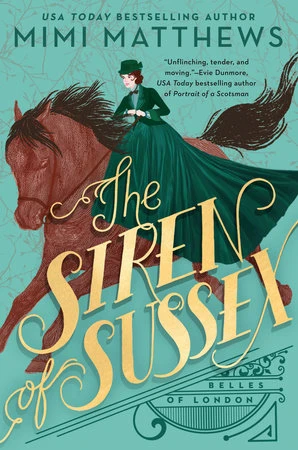
Fashion work and an equestrienne
Evelyn hopes riding and distinctive clothes will improve her prospects. Tailor Ahmad’s designs bring them together across barriers in Victorian society.
Reading appeal: Choose work and design as the shared project, with the attraction crossing the client-professional relationship.
Consider: The author identifies Ahmad’s Indian heritage and obstacles to social acceptance; full representation assessment remains pending.
Book-specific source premise We may earn a commission from purchases through our links, at no extra cost to you. Find this book on Amazon
Read The Siren of Sussex review, reader cautions and evidence scorecard
The Belle of Belgrave Square
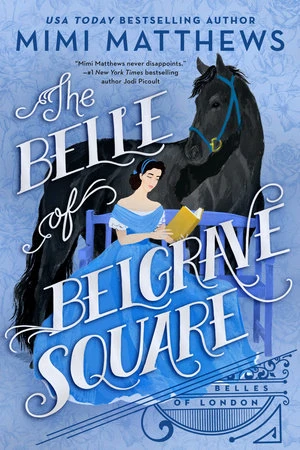
A marriage offer with a forbidden tower
Julia proposes marriage to Captain Jasper on terms that protect her riding and reading freedom. His estate and a restriction on its tower rooms invite questions.
Reading appeal: A route for a practical bargain whose setting adds secrecy and a possible Gothic atmosphere.
Consider: Social anxiety, military history and controlling restrictions appear in the description. Haunted-estate rumors are not verified supernatural events.
Book-specific source premise Find this book on Amazon
Read The Belle of Belgrave Square review, reader cautions and evidence scorecard
The Lily of Ludgate Hill
A favor and a house-party reunion
Anne, who set marriage aside during her mother’s mourning, needs Hart’s help. His condition brings her to a family house party and back to unresolved feelings.
Reading appeal: Compare this with reunions where physical distance caused separation: here, family grief and retreat from society shape the setup.
Consider: Bereavement and family obligations are source-reported. Holiday surroundings do not establish gentle emotional stakes.
Book-specific source premise
The The Lily of Ludgate Hill review explains how former lovers rebuild trust by recognizing the limits and hidden costs of family duty. It also offers content notes and three comparisons to help you choose.
The Muse of Maiden Lane
An artist’s model and a marriage offer
Stella considers posing for painter Teddy as family restrictions and dwindling funds narrow her choices. He offers a marriage bargain to make the portrait possible.
Reading appeal: For readers interested in art as a reason for repeated contact and a practical proposal tied to a creative project.
Consider: Teddy’s partial paralysis after scarlet fever is reported. Stella’s gray hair does not prove she is an older heroine.
Book-specific source premise
The The Muse of Maiden Lane review explains how artistic attention shapes Stella and Teddy’s gentle courtship. It also offers content notes and three comparisons to help you choose.
Evie Dunmore
A Rogue of One’s Own
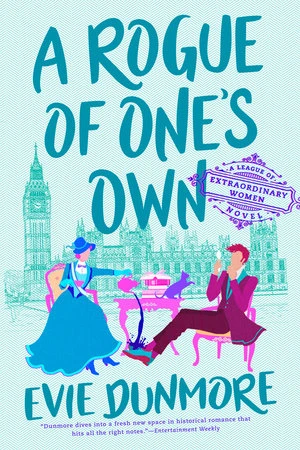
Rival claims to a publishing business
Lucie’s suffrage group seeks control of a publishing house, but Tristan stands in the way and proposes a sexual price for giving up control.
Reading appeal: A concrete opposition route: the leads have conflicting plans for a resource that matters to the heroine’s political work.
Consider: Sex tied to a business concession needs consent/power assessment. A praise quote on the author page is not independent ending verification.
Book-specific source premise Find this book on Amazon
Read A Rogue of One’s Own review, reader cautions and evidence scorecard
Portrait of a Scotsman
An unwanted marriage and conflicting ambitions
Artist and suffragist Hattie unexpectedly marries financier Lucian, whose reputation and conduct clash with the future she imagined.
Reading appeal: For readers interested in marriage creating the main conflict, rather than resolving it at the end of courtship.
Consider: The author calls her an unwilling bride. How the marriage occurs and develops needs assessment before reassuring classification.
Book-specific source premise
The Portrait of a Scotsman review explains how Hattie’s choice complicates attraction and class politics. It also offers content notes and three comparisons to help you choose.
Bringing Down the Duke
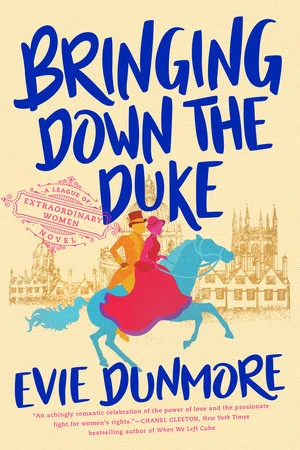
Recruiting an opponent to a political cause
In 1879, Oxford student Annabelle must help the suffrage movement recruit influential allies. Duke Sebastian’s politics and marriage expectations oppose her aims.
Reading appeal: A route where class barriers and political disagreement supply specific obstacles to attraction.
Consider: Financial hardship and inequality of social power are in the publisher premise. Sexual content is supported in the linked review; detailed ending verification remains pending.
Book-specific source premise Find this book on Amazon
Read Bringing Down the Duke review, reader cautions and evidence scorecard
The Gentleman’s Gambit
Scholarship and concealed motives
Scholar Catriona hosts Elias, who secretly intends to recover artefacts for his homeland rather than merely catalogue them. Their attraction complicates his plan.
Reading appeal: Choose an academic setting where a lead’s hidden purpose creates a trust question with a political dimension.
Consider: Deception and contested ownership of artefacts are source-reported; historical and cultural accuracy require separate evaluation.
Book-specific source premise
The The Gentleman’s Gambit review explains how scholarship and cultural repatriation shape Catriona’s romantic choice. It also offers content notes and three comparisons to help you choose.
Questions before choosing a historical romance
Does a historical setting guarantee accurate history?
No. The setting gives a story its circumstances; accuracy requires checking specific events, laws, institutions and cultural depictions. This guide checks what the source says the novel is about. It does not certify every historical detail.
Can I start anywhere in a series?
A new central couple does not automatically make a book independent of earlier stories. Check the publisher’s sequence and whether past events matter before buying. These records have not yet passed a dedicated series-entry assessment.
Are historical romances closed door?
The period does not tell you how explicitly intimacy appears on page. We leave unassessed heat unknown. Use our heat terminology guide to decide what evidence you need.
What if I need a happy ending?
Check the particular work, especially when a series continues. Our HEA and HFN guide separates relationship resolution from unfinished external plot. These selection records do not yet verify endings.
How we selected—and what is still missing
We used the publisher and author premises linked in the cards. Several storefront descriptions reproduce publisher copy; repeated text is one evidence root, not independent confirmation. Reading-appeal prompts are editorial interpretation, not firsthand reviews, reader polls or numerical ratings.
The research currently concentrates on four authors. Medieval, ancient, twentieth-century, queer historical and other geographic settings need dedicated research before this becomes a broader genre hub. We have not filled those gaps with guessed recommendations.
Captured by Beverly Jenkins is excluded from these selection cards while its captivity and freedom-for-sex premise awaits consent assessment. Other selections also have pending consent and warning checks; they are not certified safer alternatives.
Compare romance subgenres · Explore contemporary selections · Our assessment method
New Evidence-Led Reviews for This Shelf
Our newest full reviews that belong here, each built from reader and critic evidence with an eight-part scorecard.
- Outlander by Diana Gabaldon
- Persuasion by Jane Austen
- The Duke and I by Julia Quinn
- The Viscount Who Loved Me by Julia Quinn