Single-Dad Romance: New Love Inside an Existing Family
Single-dad romance follows a father beginning or rebuilding a romantic relationship while raising a child. Parenting gives the love story an existing daily life: responsibilities, limited time and bonds that a new partner must understand rather than replace.
Compare 7 researched starting points and related family stories through the existing parenting relationship and the way new love enters it. You can start with two fathers finding friendship, a nanny joining a household or a clearly labelled guardian and co-parenting comparison. The notes keep family roles, employment, grief and romantic outcome separate.
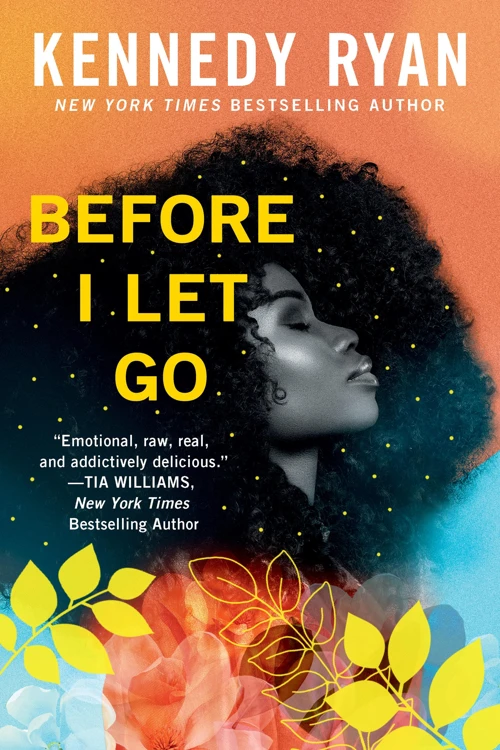
Original editorial artwork about this relationship theme; not a published cover or a scene from a specific novel.
Updated 10 October 2026 · Eikna Editorial Team · Researched editorial assessments
Compare the family life the relationship enters
A new partner can arrive through work, friendship, shared parenting or a return to town. Start with the existing parent–child connection and the role the other adult takes. Fathers, co-parents and guardians are described through checked premises rather than assumptions about who is absent or how custody works.
Historical uncle guardian — adjacent to single father
Related parenting comparison; read the family arrangement
A marriage proposal shaped by the care of two orphaned nieces
How does the new relationship enter family life?
The presence of a child is only the beginning of the reader decision. Consider whether the father meets a potential partner through parenting, work or an existing friendship. Then look at what the relationship asks the household to change. A new partner might build trust gradually, share familiar routines or challenge the way a parent keeps others at a distance. The child's feelings and practical care still deserve space of their own.
Starting point
What drives it
What to check
Two fathers finding love
Parenting creates shared understanding and contact
Check how both parent-child relationships receive attention
A parent and a hired caregiver
Work brings a new adult into the household
Employment, financial dependence and attraction need separate attention
A friend joining family life
The new partner already knows part of the household
Prior familiarity does not guarantee an easy adjustment
Dating alongside parenting
The couple must make room for romance in existing routines
Look for the child's agency and credible practical arrangements
Choose the role of the child in the story
A child can shape the family's decisions without acting as a matchmaker or shortcut to proving a love interest is good. Look for a relationship between parent and child that exists independently of the courtship. A teenager's concerns, a young child's need for stability and a household's ordinary routines create different emotional stories. We do not promise one kind of child portrayal from the trope alone.
Single parenting does not establish the backstory
A father may be widowed, divorced, separated or raising a child in another arrangement. Those circumstances change the emotional context, but must be verified for the particular book. Guardianship also needs an accurate description; raising a relative's child should not be casually rewritten as biological parenthood. When grief or difficult family histories matter to you, consult the assessment before choosing the premise as comfort reading.
A nanny setup adds a second relationship to evaluate
When a love interest is employed in the home, romance develops alongside an employment arrangement. Check who controls pay, housing and working hours, and whether refusing intimacy carries a practical cost. Warm scenes with a child do not resolve that imbalance. Readers who prefer peers meeting outside employment can start with the two-fathers route below.
The found-family guide compares chosen households, friends and communities. A single-parent romance may also build those bonds, but parenting alone does not prove the wider dynamic.
Use this collection when trust and familiarity between the adults are central to what you want. The individual selection still needs evidence of parenting before it belongs in this hub.
This collection helps distinguish guarded behavior, social energy and outlook. A reserved father may fit that contrast, but being a parent does not establish a personality type.
7 researched starting points and related family stories
These choices link existing evidence-based assessments. 5 have a checked single-father premise; 2 are separately labelled parenting comparisons. The notes explain the family situation without inventing custody arrangements, biological connections or the other parent’s absence. This remains a starter collection within the reviewed catalogue.
Purchases through Amazon, Bookshop.org and Libro.fm links may earn us a commission. As an Amazon Associate, Eikna Romance earns from qualifying purchases, at no extra cost to you.
Best for: Readers who want household proximity and a romance shaped by a paid childcare role.
Cade Eaton is explicitly a single dad, and Willa Grant moves into his house for a summer nanny job. Parenting is part of the daily setting of their romance: the publisher highlights Willa seeing how Cade loves his little boy, rather than leaving fatherhood as background biography.
This is a strong choice when the appeal is watching a guarded father soften within his own household. Willa’s temporary contract also creates an employment boundary alongside the attraction; readers choosing it for family warmth should expect the nanny-and-boss dynamic to matter too.
Before choosing: Primary sources establish a single father and young son. No claim about the other parent, custody arrangement, biological history or child age is needed.
What establishes the family situation?
Hachette UK — Heartless: Publisher explicitly calls Cade a single dad, confirms Willa lives in his home as nanny for two months, and describes his love for his little boy. (direct premise example). Source: https://www.hachette.co.uk/titles/elsie-silver/heartless/9781405558778/.
Edition buttons become available when the specific format and destination are checked. Amazon opens a title-and-author search; choose your edition there.
Best for: Readers who want a love interest already connected to the father and his child.
Meyer Harrigan left standup performance to concentrate on raising his Deaf daughter Hazel. He now manages Farley’s comedy career, and the publisher establishes that Farley has been important to both father and daughter for three years before their fake dating begins.
The family connection is already woven into the friendship, which makes this different from a stranger entering through a childcare job. The authorized opening also shows Meyer dealing with Hazel’s schooling and the practical demands of work and travel; the adult romance sits within a parenting life that is already underway.
Before choosing: Publisher explicitly confirms single-father status and daughter Hazel. Deafness is her described identity; do not invent custody or an absent-parent explanation.
What establishes the family situation?
Macmillan — Funny Feelings, synopsis and authorized opening: Synopsis calls Meyer a single father who left the stage to raise Deaf daughter Hazel; excerpt confirms current school decisions and balancing parenting, travel and management. (direct premise example). Source: https://us.macmillan.com/books/9781250329363/funnyfeelings/.
Edition buttons become available when the specific format and destination are checked. Amazon opens a title-and-author search; choose your edition there.
Best for: Readers who want two fathers building friendship through their children’s shared school community.
The sons are best friends, and Landon’s role as football Team Dad draws the other father into volunteering. Their growing friendship is tied to an effort to repair a strained father-son relationship, giving the romance a concrete reason to develop within school sports and family routines.
This offers a different parenting rhythm from a small-child household or nanny romance. Both leads are fathers of teenagers, and the narrator worries that his feelings for his son’s best friend’s dad could disturb the connection he is rebuilding with his own son; fatherhood shapes the emotional stakes on both sides.
Before choosing: Author explicitly labels the work a single-dads romance and confirms teenage sons. Do not assign widowhood, divorce, custody or exact child ages from this synopsis.
What establishes the family situation?
Tal Bauer — You & Me: Author explicitly identifies single dads and teenage sons; Landon is football Team Dad, while the narrator volunteers to rebuild his relationship with his son. (direct premise example). Source: https://talbauerwrites.com/books/you-me/.
Edition buttons become available when the specific format and destination are checked. Amazon opens a title-and-author search; choose your edition there.
Best for: Readers who want a second chance between parents whose shared family continues after divorce.
Josiah and Yasmen are divorced and still co-parent their two children while running a business together. That makes this a single-father selection with an important variation: the romantic lead is the children’s mother, and her parental role remains active. The publisher verifies shared parenting rather than sole custody, so the appeal is a family navigating separation and renewed attraction rather than a father searching for someone to fill an absent-parent role.
Their continuing contact gives reconnection a practical setting, but the marriage’s earlier wounds cannot be solved by proximity alone. Choose this when you want both adults’ responsibilities, existing history and recovery to shape the romance. The business and children keep them linked while they decide what a new relationship would require, making it especially useful beside first-meeting single-dad stories that begin with a new partner entering the household.
Before choosing: Shared co-parenting after divorce, not sole custody or an absent mother. Publisher confirms two children and reopened marital wounds; the wider story deals with grief and healing.
What establishes the family situation?
Forever / Hachette — Before I Let Go: Publisher states the marriage ended and Josiah and Yasmen co-parent their two children and run a business together as attraction returns. (primary father and coparenting verified). Source: https://www.hachettebookgroup.com/titles/kennedy-ryan/before-i-let-go/9781538706794/.
Edition buttons become available when the specific format and destination are checked. Amazon opens a title-and-author search; choose your edition there.
Best for: A father balancing a second chance at happiness with his daughter’s stability
Jake Esera is raising his six-year-old daughter after her mother, his childhood sweetheart, died soon after the birth. The author makes his priorities unusually clear: he has worked to create a happy, stable life for his child, and a relationship with Juliet feels like a risk to that hard-won security. Fatherhood therefore supplies a practical reason for caution alongside the emotional history between the adults.
Choose this for a parent who already has a loving family life and must decide how another relationship could fit within it. Juliet was his late partner’s best friend, so renewed attraction carries connections to the past as well as the possibility of something new. Her own experience of a cheating sports-star ex complicates her trust in a professional rugby player. This is the third Hard Play book; its family setting will suit readers who enjoy established connections around the central couple.
Before choosing: The mother’s death is explicit; do not frame Juliet as replacing her. Daughter is six in the official description. Third Hard Play novel.
What establishes the family situation?
Nalini Singh — Love Hard official book page: Names Jake a young single father, his six-year-old daughter, her mother’s death after birth, and his emphasis on stability. (inspected 2026-10-10). Source: https://nalinisingh.com/books/hard-play-series/love-hard/.
Edition buttons become available when the specific format and destination are checked. Amazon opens a title-and-author search; choose your edition there.
Related parenting stories: read the family arrangement
Guardians raising a relative and former partners co-parenting can offer nearby reading pleasures. Their responsibilities matter in their own right; these comparisons keep the checked family role visible rather than silently turning every caregiver into a father.
In a Jam
Kate Canterbary
Parenting situation: Related parenting comparison; read the family arrangement
Best for: Readers who want established caregiving and family responsibilities alongside a hometown reunion.
Noah is raising his niece while running the family business. Canterbary explicitly calls him a single dad to that child, making the parenting role clear while also identifying the family relationship accurately. Readers looking for a biological father should keep that distinction in view; readers interested in someone already organizing his life around a dependent child have a direct reason to consider him.
Shay’s return brings a separate practical problem: her inherited tulip farm requires her to move home and marry within a year, even though her fiancé has just ended their wedding plans. Noah’s old high-school attachment now meets an adult life with caregiving and business demands already in place. Choose this for a family-aware reunion in which he has responsibilities beyond pursuing the person he once wanted.
Before choosing: Noah is an uncle raising his niece, not established here as her biological father; the author explicitly describes his role as a single dad.
What establishes the family situation?
Kate Canterbary — In A Jam: Author identifies Noah as a single dad to his niece and describes the business, his old attachment to Shay and her inheritance/marriage conditions. (primary nonbiological parenting verified). Source: https://katecanterbary.com/books/in-a-jam/.
Edition buttons become available when the specific format and destination are checked. Amazon opens a title-and-author search; choose your edition there.
A Chance at Love
Beverly Jenkins
Parenting situation: Related parenting comparison; read the family arrangement
Best for: A marriage proposal shaped by the care of two orphaned nieces
Jake Reed is the uncle of two orphaned girls, and the author says he hopes a wife will help him raise them. Their request for a new mother draws Loreli Winters into an unexpected mail-order-bride arrangement in Kansas, interrupting her plans to continue to California. The child-care need is central to the marriage premise, but Jake should be described as their guardian uncle rather than their father.
Try this adjacent choice if the appeal is an unattached man taking responsibility for children while making room for a partner with plans of her own. Loreli’s worldly experience unsettles Jake’s idea of the sensible wife he wanted, giving the relationship more to negotiate than the girls’ immediate wish. It offers a historical household-building story in which an adult’s practical proposal develops into attraction; the guardian distinction remains important for readers seeking biological or adoptive dads specifically.
Before choosing: Qualified inclusion: two orphan nieces, not daughters. Official description establishes his responsibility for raising them but does not specify formal legal adoption.
What establishes the family situation?
Beverly Jenkins — A Chance at Love official book page: Jake’s two orphan nieces ask for a new mama; he wants a wife to help raise the girls, prompting Loreli’s unexpected mail-order-bride situation. (inspected 2026-10-10). Source: https://www.beverlyjenkins.net/books/historical-romance-books/a-chance-at-love/.
Edition buttons become available when the specific format and destination are checked. Amazon opens a title-and-author search; choose your edition there.
Questions that change the reading choice
Are single-dad romances always nanny romances?
No. You & Me brings two fathers together through their sons’ football team. Funny Feelings grows from friendship and professional management. A nanny story adds employment questions that those other setups do not automatically share.
Does single father mean the other parent has died?
No. Widowhood, divorce, separation and other arrangements need specific evidence. The notes avoid turning a single-parent label into an invented explanation of a child’s family history.
Is an uncle raising a child described as a biological father?
No. A guardian’s care deserves an accurate description. Related male-guardian choices are labelled through the checked family relationship; biological parenthood is not inferred from responsibility or affection.
Can both romantic leads be fathers?
Yes. You & Me centers two fathers whose own parent–child relationships shape their developing adult connection. The trope is not limited to a father and a woman who joins his household.
Does parenting guarantee low angst?
No. Estrangement, grief, illness or conflict may coexist with care and warmth. Use the full assessment for tone and content rather than treating scenes with children as a guarantee of comfort.
Is this a complete collection?
No. These are checked starting points. The broad collection still needs more individually verified choices across settings, pairings and different parenting experiences.
Small-Town Single-Dad Romance: Love Around an Existing Family
Contemporary single-dad romance brings courtship into a life already shaped by caring for a child. The appeal can lie in reliable everyday attention, a cha
Single Dads in Sports Romance: Athlete Families and Sideline Communities
Single-dad sports romance can put a parent on the team or beside the field while their child plays. Those setups create different pressures: an athlete’s w
MM Single-Dad Romance: Adult Friendship, Family Change and Choosing Intimacy
MM single-dad romance brings a relationship between men into an existing family life. One or both partners may be fathers, and their children can be young,
Single-Dad Mafia Romance: Parenting Inside a Dangerous World
Compare single-dad mafia romance by caregiving, nanny employment and family safety, with a clearly labelled researched second-chance premise.
How these selections were researched
We inspected current competing guides and checked the family situation through author and publisher material, with identified sources where additional context was needed. The notes state what establishes the father or guardian role and what remains unknown. These additions link existing researched assessments without adding ratings or claiming first-hand reading. The order groups family arrangements rather than ranking quality.