YA Slow Burn: Growing Trust, School Pressure and Readiness for Romance
YA slow burn follows a relationship that needs time to become understood, trusted or acted upon within a young-adult story. A crush can appear early while the characters are still learning how to listen, handle hurt or choose a relationship for themselves. Look for what changes between encounters, not simply how long the book lasts. School, friends and family can shape that development without making every YA romance a first-love story or every delay a satisfying one.
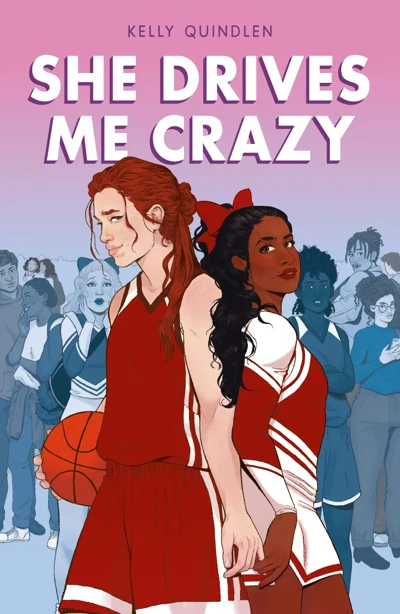
She Drives Me Crazy is the existing reviewed gradual-trust example here. Its publisher confirms a YA carpool and fake-dating premise; Kate’s Feathered Turtle Press review describes changing perceptions and natural relationship progression. Including it is an editorial interpretation of that development, not a verified promise of an exceptionally late kiss or a strict slow-burn timeline. This focused starter guide helps you ask better pacing questions and adds no new review or rating.
Authentic published cover of one starter selection; not a claim about every book in the guide.
Updated 9 October 2026 · Eikna Editorial Team
What needs time to change before the relationship can work?
Setup
What drives it
What to check
A first impression
Repeated contact changes how one person understands another.
Specific behavior that revises the early judgment.
Readiness after hurt
A character is still processing an earlier relationship.
Whether healing receives attention beyond a replacement partner.
A public performance
Dating for an outside purpose becomes emotionally complicated.
When the characters start making choices for themselves.
A friendship or shared task
Everyday cooperation gives the pair room to become close.
Progress in trust rather than proximity alone.
Narrow the reading experience
Choose the kind of waiting you enjoy
Waiting for mutual awareness is different from waiting for a kiss after both characters know how they feel. Some readers want a long friendship; others enjoy banter and early attraction while the relationship becomes more secure. Decide which part should take time. A single slow-burn tag rarely supplies that detail. This guide’s current example illustrates changing trust, and its sources do not establish a precise first-kiss location, percentage of romantic scenes or unusually prolonged delay before coupling.
Watch what changes beneath the school performance
In a school setting, a relationship can be watched by friends, teammates or someone the character wants to impress. That gives public gestures and private intentions different meanings. The starter’s publisher links the pretend relationship to Scottie’s ex and social position. When choosing this kind of story, ask whether the pair gradually sees beyond what the arrangement was meant to achieve. The question is about emotional growth, not an assumption that fake dating always produces the same pace or the same lessons.
Consider recovery and accountability together
A character who has been hurt can still behave badly toward someone else. Readers may want the story to recognize those choices rather than excuse them because a new romance is emerging. The existing starter assessment records both positive responses to recovery and reservations about early treatment of Irene and boundaries. Use that disagreement to judge your own tolerance. Gradual trust can be appealing without turning all conflict into proof of depth, and one person’s affection should not be assumed to solve every problem.
Separate emotional pace from plot pace and audience
A story can have lively dialogue and a gradually changing relationship; it can also briefly stall while the romance is moving toward its next step. Kate’s review distinguishes natural progression from a short early slowdown. Those are different observations. Likewise, YA is an audience category rather than a calibrated heat level or an assurance that every reader of a particular age will be comfortable. Check publisher audience guidance and recorded content context separately from the relationship’s pace.
Starting points and their evidence
These are small starter examples, not a completed or ranked recommendation list. Reviewed selections link to existing evidence-based editorial assessments. Other examples are identified as researched premises or pending research leads; they have no new rating or claim of first-hand reading.
Purchases through Amazon, Bookshop.org and Libro.fm links may earn us a commission. As an Amazon Associate, Eikna Romance earns from qualifying purchases, at no extra cost to you.
She Drives Me Crazy
Kelly Quindlen
Editorial interpretation
Scottie and Irene’s carpool and pretend relationship create repeated contact in Macmillan’s YA premise. Kate describes Scottie’s perception of Irene changing as they become closer and finds the progression natural. This guide interprets that account as a gradual-trust reading example, without claiming verified late-coupling timing.
Before choosing: Choose this example if changing judgment and recovery from a previous relationship interest you. The existing assessment preserves reservations about early boundaries and a formulaic opening alongside positive growth responses. Exact romantic timing, explicitness and formal ending remain unassigned here.
Identified critical source · checked 9 October 2026
Edition buttons become available when the specific format and destination are checked. Amazon opens a title-and-author search; choose your edition there.
Questions that change the reading choice
Does YA slow burn always mean first love?
No. Young-adult characters can have earlier relationships. The starter begins with Scottie dealing with an ex, so readiness for a new connection is a different question from discovering attraction for the first time.
Is the starter directly labelled slow burn by its publisher?
Not on the evidence used here. The publisher’s slow-burning endorsement appears under praise for Late to the Party, another title. This guide instead labels its gradual-trust inclusion as editorial interpretation supported by Kate’s account of changing perceptions and natural progression.
Does YA mean no explicit content or no difficult themes?
No such conclusion is made here. The existing assessment keeps explicitness unknown and discusses recovery, harmful choices and boundaries. The publisher’s audience guidance should be considered separately from individual preferences and content context.
How can I tell whether the romance develops across several books?
Check the particular book’s series and continuation information, not the slow-burn tag. A long build can happen within one volume or extend across several. This guide assigns no new formal ending classification or volume-closure guarantee to the current example.