YA Romance Books: First Love, School Life and Fantasy Choices
YA romance follows young people whose relationships develop alongside friendship, family, identity and decisions about the future. The label tells you how a book is published and positioned; it does not guarantee that every reader of a particular age will find every subject comfortable. Contemporary school romance and an invented world at war can sit on the same YA shelf while offering very different experiences.
Use this guide to choose the kind of romantic story you want: everyday social complications, a first relationship under pressure or fantasy in which attraction shares space with politics and danger. Two reviewed starters illustrate those differences. For selecting a book for a specific teen age, follow our separate age guide. This page does not replace individual content checks or promise a completed romance in the opening volume of a series.
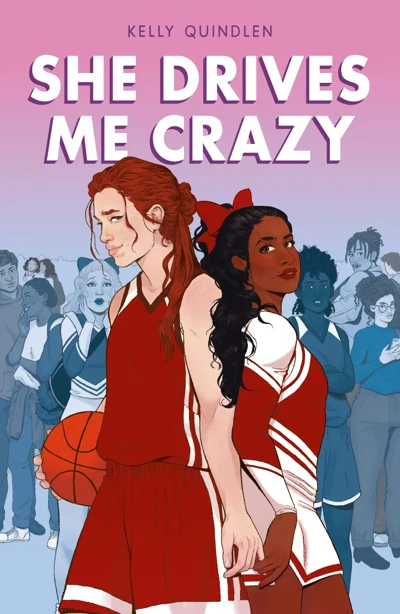
Authentic published cover of one starter selection; not a claim about every book in the guide.
Updated 8 October 2026 · Eikna Editorial Team
Which YA reading experience do you want?
Setup
What drives it
What to check
Contemporary school romance
Friends, social standing and shared routines shape the couple
Check bullying, breakup and family material individually
YA romantic fantasy
Love develops amid an invented world and larger conflict
Romance may share focus with politics or adventure
A contained first-love story
The reader wants a relationship arc within one volume
Verify the specific ending rather than relying on the genre label
A continuing series
The reader wants more time with a world and couple
Check cliffhangers and the number of books needed for closure
Narrow the reading experience
Choose the relationship’s share of the story
A book with teenagers falling in love can still spend much of its time on mystery, rebellion or a family crisis. That balance may be exactly what you want, but it should be visible before you choose. The contemporary starter here centers a fake-dating arrangement; the fantasy starter entwines attraction with oppression and revenge. Neither is more valid because of that difference. The useful question is how much attention you want the romantic development to receive.
Publisher age ranges are one part of a decision
Age categories help distinguish YA from adult campus romance, but they are not a complete content assessment. Different readers may respond differently to violence, coercion, sexual references or family harm. Check the publisher range where supplied, the author’s notes and an independent content source when needed. An illustrated cover and a school setting do not establish low heat or low distress. For more structured age guidance, use the linked teen page rather than treating these starters as universally suitable.
First love does not require a single identity story
A YA romance may explore attraction alongside coming out, an existing queer identity, friendship, ambition or an ordinary social embarrassment. The relevant experience should come from the actual premise. Do not assume a queer book must focus on rejection, and do not assume a romantic comedy avoids difficult material. Our summaries describe the relationship configuration the sources confirm while allowing the full reviews to discuss how the surrounding themes affect the reading experience.
Check the last page’s place in the series
The first volume of a romantic fantasy can develop a compelling bond and still leave the main conflict unresolved. That is a different commitment from a contained courtship. If you want closure now, verify the particular ending and series sequence before buying. A publisher’s romance description cannot settle the emotional satisfaction of an ending. Crier’s War is specifically presented here as the beginning of a duology, so the continuation is part of the decision rather than a hidden surprise.
Starting points and their evidence
These are small starter examples, not a completed or ranked recommendation list. Reviewed selections link to existing evidence-based editorial assessments. Other examples are identified as researched premises or pending research leads; they have no new rating or claim of first-hand reading.
Purchases through Amazon, Bookshop.org and Libro.fm links may earn us a commission. As an Amazon Associate, Eikna Romance earns from qualifying purchases, at no extra cost to you.
She Drives Me Crazy
Kelly Quindlen
Confirmed premise example
Scottie, a seventeen-year-old basketball player, must carpool with cheerleader Irene after a collision. A fake-dating scheme tied to Scottie’s former relationship complicates their antagonism. The publisher explicitly calls this a queer YA romantic comedy, making it the everyday school-life starter.
Before choosing: The publisher displays a 12–18 audience range; that does not replace individual content judgment. The existing review discusses hurtful behavior and the difference between antagonism and convincing repair.
Author or publisher premise source · checked 8 October 2026
Edition buttons become available when the specific format and destination are checked. Amazon opens a title-and-author search; choose your edition there.
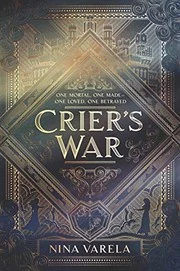
Crier’s War
Nina Varela
Confirmed premise example
Human servant Ayla wants to kill Crier, the Made daughter of the ruler, before attraction unsettles that purpose. This is the political-fantasy route, where love shares space with oppression and rebellion. Our existing assessment records both praise for yearning and criticism of worldbuilding and reciprocation.
Before choosing: First volume of a duology; the review’s trade source positions it for ages fourteen upward. Author content notes are linked from the official page. Do not infer a completed HEA from the romance premise.
Author or publisher premise source · checked 8 October 2026
Edition buttons become available when the specific format and destination are checked. Amazon opens a title-and-author search; choose your edition there.
Questions that change the reading choice
Does YA mean no sexual content or violence?
No. It is an audience category, not a complete content filter. Check each book individually.
How is this different from the teen age guide?
This guide compares story types and relationship focus. The teen age guide addresses the different task of choosing for a particular age and content preference.
Does Crier’s War finish the whole story?
It begins a duology. The author identifies a second volume, and our review discusses the continuing story rather than presenting book one as complete romantic closure.
Compare YA enemies-to-lovers romance by the source of hostility, the role of romance and series commitment, with two existing reviewed sapphic starters.
Choose YA fake-dating romance by the reason for pretending, the intended audience and the emotional cost, with She Drives Me Crazy as an existing reviewed starter.
Choose YA slow burn by emotional progress and reader fit, with She Drives Me Crazy as a reviewed gradual-trust example and clear audience, pacing and evidence limits.
YA bully-romance searches can blur several different stories: a teen confronting a tormentor, mutually antagonistic classmates finding attraction, or a.