Snowed-In and Stranded Romance: Shelter, Survival and Shared Trust
Snowed-in romance uses weather to interrupt ordinary escape: a blocked road, a remote shelter or a journey that cannot continue. The resulting closeness can create room for conversation and care, but it can also put survival ahead of comfort. What matters for choosing a book is how the isolation changes the relationship, not simply whether snow appears in the setting.
Compare 5 researched starting choices through the concrete obstacle to leaving and the shelter available to the couple. The scope notes identify the actual cause of isolation rather than treating a dangerous escape as a restful cabin stay. The feature illustrates the sheltered side of the theme; follow each assessment for the actual relationship and content guidance.
Original editorial artwork about this relationship theme; not a published cover or a scene from a specific novel.
Updated 10 October 2026 · Eikna Editorial Team · Researched editorial assessments
Compare why leaving becomes difficult
Waiting in a shelter differs from trying to move through dangerous terrain. These notes identify the obstacle, the company and the kind of relationship pressure it creates. Qualified stranded stories remain separate from a literal snowbound stay.
Snow-wilderness stranding within political science fiction
Snowbound setup attributed to an identified commentator
Readers who want a stranded-in-snow intimacy scene alongside an arranged marriage and an investigation.
Do you want a safe pause or a fight to get out?
Choose the stakes before the scenery. Characters waiting comfortably for a road to reopen can focus on old feelings or everyday care. Characters escaping violence in severe weather must make decisions about shelter, movement and cooperation. Both can create intimacy, but a reader seeking a quiet winter escape may not want an action-heavy survival story.
Starting point
What drives it
What to check
Sheltered snowbound intimacy
Weather suspends ordinary plans inside a safe place
Look for enough supplies and a tone that fits the comfort you want
An interrupted journey
Roads or transport prevent the leads from continuing
Is the isolation brief or central to the story?
Stranded survival
Distance, lost communication or terrain blocks help
Check injury, violence and suspense before assuming a cozy tone
An ordinary winter setting
Snow supplies atmosphere without trapping the leads
Winter scenery alone does not establish this trope
Isolation needs a concrete cause
A remote landscape is not enough by itself. The premise should establish why leaving, contacting help or continuing the journey becomes difficult. In Whiteout, an attack and the loss of power and communication make Antarctic remoteness consequential. That is a stranded survival setup, rather than a simple promise of two people waiting beside a fireplace.
Shared care can reveal compatibility
Offering warmth, listening or sharing a difficult task can give a relationship practical texture. Those actions may matter to readers who enjoy attraction built through care. Survival urgency can also accelerate intimacy before the leads know much about one another; the full assessment helps separate effective tension from convincing emotional acquaintance.
Closeness and danger are separate choices
A weather barrier can bring together strangers, exes or people who already dislike each other. The starting bond changes the emotional work, while the danger changes the tone. No universal heat level, absence of warnings or happy-ending classification is assigned from a snowbound label. Check the book’s own evidence and content guidance when those details decide your reading choice.
The forced-proximity collection offers more reviewed reasons characters remain together, including shared work, housing and travel. It is the wider route when the weather itself is not essential.
The one-bed guide discusses that narrower circumstance through a reviewed starter. Being stranded does not prove that the couple shares a bed, so the two premises are checked separately.
The road-trip guide compares reviewed journeys shaped by reunion, family memory and hostility. Choose it when repeated travel contact appeals more than being unable to leave.
5 researched starting choices for restricted departure and shared trust
These selections link existing researched assessments. The scope notes distinguish snowbound circumstances from the wider stranded route already explained in this guide. They are not a complete cozy-cabin collection, and isolation alone does not establish a safe shelter or low-angst romance. The individual evidence notes identify any verified or attributed snowbound setup. A sheltered snowbound collection remains unfinished.
Purchases through Amazon, Bookshop.org and Libro.fm links may earn us a commission. As an Amazon Associate, Eikna Romance earns from qualifying purchases, at no extra cost to you.
One Night on the Island
Josie Silver
Isolation evidence: Qualified stranded comparison; read cause and shelter limits
Best for: Isolation created by a transport shutdown rather than a snowy holiday
Cleo arrives on a remote Irish island for a solo assignment and discovers Mack claiming the same cabin. Their disagreement cannot be solved by taking the next ferry: Publishers Weekly confirms that a storm suspends the service. The outside world closes off a practical exit, leaving two people who wanted solitude to work out how to inhabit the same space.
This is a useful comparison if the appeal of snowed-in romance is being genuinely unable to leave. The cabin conflict becomes sustained proximity because the transport link fails, not simply because neither guest feels like moving. Expect an island community and personal reassessment around that enforced stay; the verified weather mechanism is a storm, so it belongs in the stranded comparison section.
Before choosing: Explicitly non-snow: storm-suspended ferry service. Use as a weather-stranded comparison, not a direct snowed-in recommendation. Both characters initially want their own retreat.
What establishes restricted departure and the relationship context?
Publishers Weekly — One Night on the Island: Trade review explicitly says a storm suspends ferry service, leaving the leads obliged to cohabit. (verified trade review). Source: https://www.publishersweekly.com/9781984820631.
Penguin — One Night on the Island: Publisher verifies competing claims to the cabin and sheltering together as a storm approaches. (verified primary). Source: https://www.penguin.co.uk/books/317258/one-night-on-the-island-by-silver-josie/9780241993095.
Edition buttons become available when the specific format and destination are checked. Amazon opens a title-and-author search; choose your edition there.
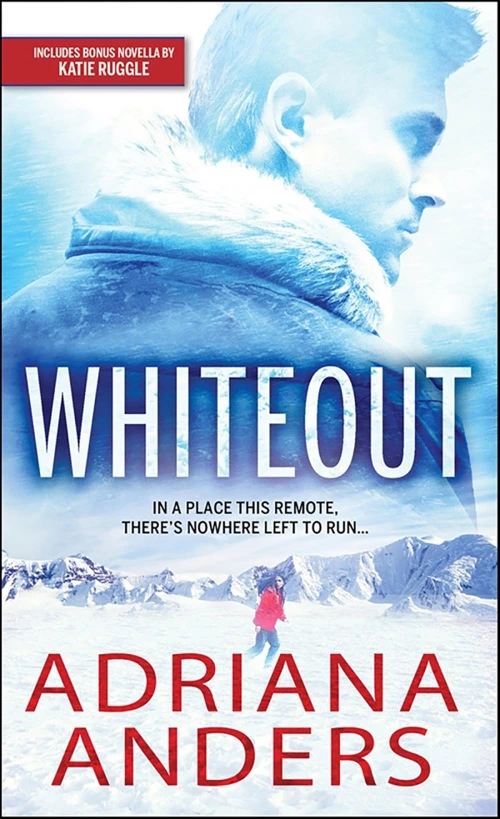
Whiteout
Adriana Anders
Isolation evidence: Qualified stranded comparison; read cause and shelter limits
Best for: A dangerous survival alternative to a cozy snowbound stay
Angel and Ford are cut off after attackers strike their remote research station and destroy the possibility of ordinary contact with the outside world. The author also places an approaching storm among the threats they must survive. Isolation is real, but its starting cause is a violent attack and damaged infrastructure rather than snowfall closing the door on a safe shared holiday.
Choose this qualified contrast for cold-weather danger that forces cooperation. Their connection grows through urgent dependence in a landscape where reaching safety is difficult, with pursuit adding pressure beyond the weather. Readers seeking warmth, an intact cabin and a quiet wait for roads to reopen should expect a much harsher story. The supported classification is Antarctic stranding and survival, without claiming that snow alone created their confinement.
Before choosing: Qualified stranding: attack causes initial isolation; storm compounds danger. Do not label simply snowed into an intact research station. Survival Instincts opener; violent pursuit.
What establishes restricted departure and the relationship context?
Adriana Anders — Whiteout official premise: Station attacked; survivors isolated without power or outside contact, with killer and coming storm adding danger. (inspected 2026-10-10). Source: https://www.adrianaanders.com/whiteout.html.
Edition buttons become available when the specific format and destination are checked. Amazon opens a title-and-author search; choose your edition there.
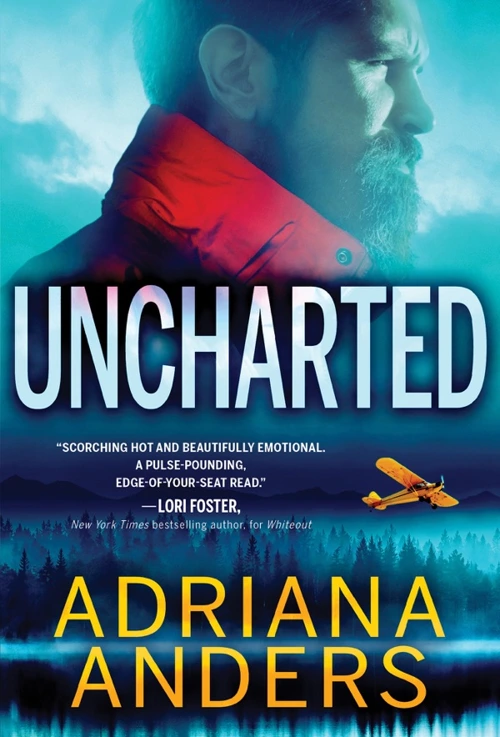
Uncharted
Adriana Anders
Isolation evidence: Qualified stranded comparison; read cause and shelter limits
Best for: A rescue mission complicated by weather and pursuing enemies
The publisher explicitly presents Leo and Elias as stranded together in frozen wilderness. Leo’s attempt to evacuate him goes wrong as the weather deteriorates and enemies arrive, requiring the two to join forces and escape. That establishes a winter isolation mechanism beyond a merely cold setting, while leaving the exact role of snow in blocking transport unspecified.
Try it for a capable pilot whose rescue becomes a shared survival problem. Elias’s long concealment and the dangerous secret he guards give the threat a history that precedes their meeting. Their partnership develops while moving through danger, so this is a qualified wilderness-stranding option rather than a stationary snowbound romance. It is the second Survival Instincts novel and suits readers who want suspense and practical trust under pressure.
Before choosing: Explicit frozen-wilderness stranding plus worsening weather; exact snowfall blockade unverified. Pursuit and failed evacuation contribute. Not cozy stationary snowbound confinement. Book 2.
What establishes restricted departure and the relationship context?
Sourcebooks — Uncharted publisher premise: States stranded together in frozen wilderness; evacuation mission deteriorates with sour weather and expert hunters, forcing escape partnership. (inspected 2026-10-10). Source: https://www.sourcebooks.com/9781492677536-uncharted-mp.html.
Edition buttons become available when the specific format and destination are checked. Amazon opens a title-and-author search; choose your edition there.
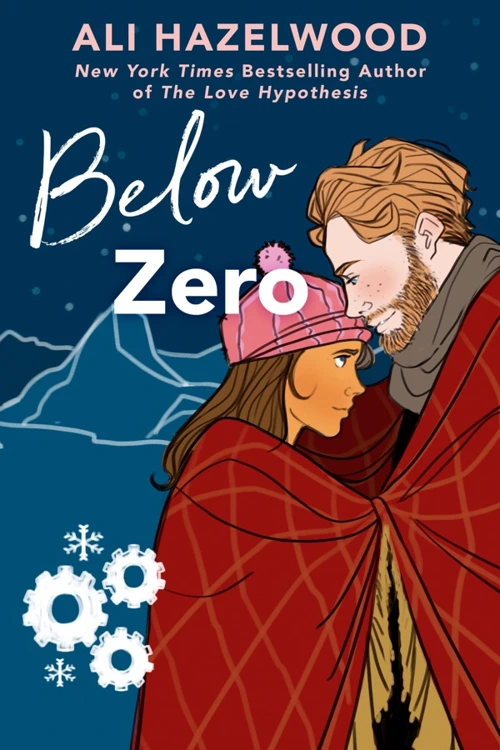
Below Zero
Ali Hazelwood
Isolation evidence: Qualified stranded comparison; read cause and shelter limits
Best for: A rival scientist arriving when injury has left the heroine isolated
Hannah is injured and stranded at a remote Arctic research station when Ian undertakes a dangerous rescue. The author specifically adds a coming snowstorm, giving the rescue a weather threat as well as a geographic challenge. The premise does not say that snowfall caused her initial stranding, so injury and isolation remain the verified starting mechanism.
Choose this shorter option for a rescue that asks the heroine to reconsider someone she believes threatened her career. Ian’s willingness to come for her creates a question about the gap between that belief and his present behavior. As a novella, it concentrates the romantic and professional history around a hazardous situation. Its fit is qualified Arctic stranding with an approaching storm, rather than two people safely waiting out snow in shared accommodation.
Before choosing: Injury-related Arctic stranding and incoming snowstorm explicit; snow itself causing confinement unverified. Novella. No one-bed or cozy cabin claim.
What establishes restricted departure and the relationship context?
Ali Hazelwood — Below Zero official premise: Hannah injured and stranded at remote Arctic station; Ian undertakes hazardous rescue as snowstorm approaches. (inspected 2026-10-10). Source: https://alihazelwood.com/loathe-to-love-you/below-zero/.
Edition buttons become available when the specific format and destination are checked. Amazon opens a title-and-author search; choose your edition there.
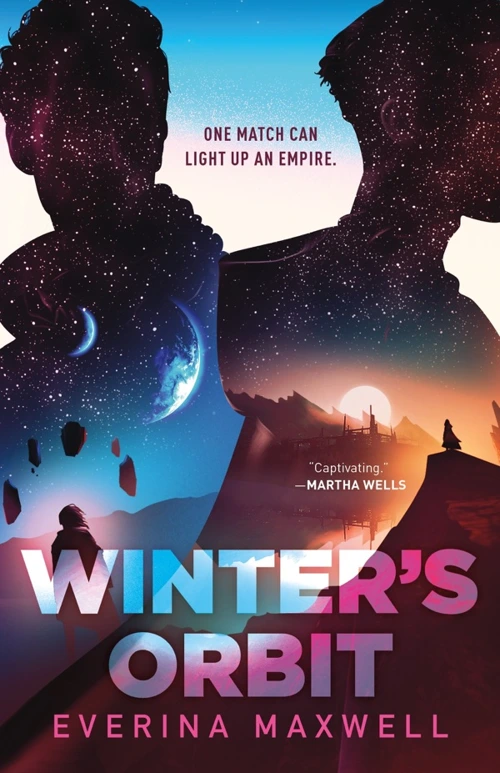
Winter’s Orbit
Everina Maxwell
Isolation evidence: Snowbound setup attributed to an identified commentator
Best for: Readers who want a stranded-in-snow intimacy scene alongside an arranged marriage and an investigation.
Kiem and Jainan’s marriage serves an interplanetary alliance, so their relationship already carries public consequences before they face the cold together. Two independent reviewers specifically identify an episode in which the pair are stranded in snow and must keep warm. That gives this selection a concrete winter-isolation basis rather than relying on its title.
Choose it when survival proximity interests you more than an entire holiday spent inside a comfortable cabin. The reported scene sits within a larger science-fiction plot involving political obligations and a suspicious death; the romance also addresses the effects of Jainan’s previous abusive marriage. The evidence establishes snow stranding, but does not establish that snowfall itself closes a road or the duration of confinement.
Before choosing: Reported actual snow stranding; do not promise a whole-book snowbound setting, a storm-caused road closure, or a light winter escape.
What establishes restricted departure and the relationship context?
Tammy, Books, Bones & Buffy: Identifies a particular scene where Kiem and Jainan are stranded in snow and must work out how to remain warm. (reported classification). Source: https://booksbonesbuffy.com/2021/02/02/winters-orbit-by-everina-maxwell-review/.
Gin Jenny, Reading the End: Independently reports snow stranding and huddling for warmth; discusses previous-marriage abuse and political context. (reported classification). Source: https://readingtheend.com/2021/02/08/review-winters-orbit-everina-maxwell/.
Tor / Macmillan: Primary book page confirms the political-marriage and investigation framework; snow-stranding classification comes from the identified reviewers. (direct premise example). Source: https://us.macmillan.com/books/9781250758835/wintersorbit/.
Edition buttons become available when the specific format and destination are checked. Amazon opens a title-and-author search; choose your edition there.
Questions that change the reading choice
Is every winter romance snowed in?
No. Snow must restrict departure or plans. A winter title, snowy cover or Christmas visit does not establish the obstacle.
Is stranded survival a cozy cabin romance?
No. The qualified survival notes identify danger and the need to move or seek help. Whiteout includes an attacked station and Antarctic pursuit; a warm shelter image does not describe that plot.
Does everyone stay in one place?
No. Some people wait for transport, while others move to survive. The descriptions distinguish a blocked departure from an ongoing escape.
Does isolation establish only one bed?
No. Bed sharing requires separate evidence. The one-bed guide checks the exact sleeping-space setup.
Can non-snow stranding fit this guide?
The parent covers both snowed-in and wider stranded romance. A non-snow obstacle belongs only with a visible qualification identifying its actual cause.
Can I choose these for guaranteed comfort?
Check individual assessments first. Violence, exposure, fear and difficult relationship history may matter even when the characters provide care for one another.
How these starting choices were researched
We inspected current competing guides and checked restricted departure and relationship premises through author and publisher material, retaining identified criticism where additional interpretation is reported. Each note explains what establishes isolation and why wider stranded situations remain qualified. These additions link existing researched assessments without adding ratings or claiming first-hand reading. The order groups evidence scopes rather than ranking quality; the collection remains incomplete.