The Graham Effect by Elle Kennedy Review
Eikna Score: 7.7/10. Recommended.
The Graham Effect is the best kind of legacy sequel: Gigi Graham is her own person, not a tribute act to her famous parents, and her friction with the surly Luke Ryder runs hot from the first practice. It is also a good hundred pages too long, and the late drama arrives in a rush, so expect to skim the hockey talk.
Read it if you loved The Deal and want to see Garrett and Hannah as parents, or you like a sunny, competitive heroine who can outskate the hero. Skip it if you want a tight 300 page romance, or you are new to Briar and have no patience for a crowded supporting cast.
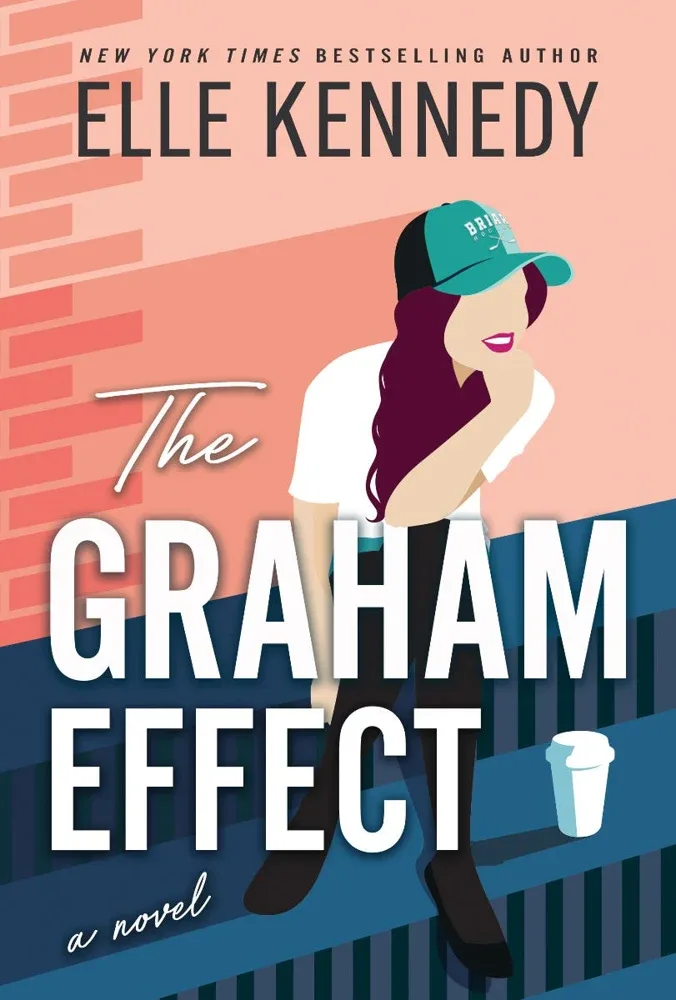
The Graham Effect at a Glance
The Graham Effect is the first book in Elle Kennedy's Campus Diaries series, a college hockey romance published by Bloom Books in October 2023. It alternates between Gigi Graham and Luke Ryder, carries steamy open door heat, and ends with the couple together.
| Author | Elle Kennedy |
|---|---|
| Series | Campus Diaries, book 1 (follows the Off-Campus and Briar U series) |
| Subgenre | Sports romance (college hockey, new adult) |
| Main tropes | Grumpy sunshine, enemies to lovers, slow burn (per the publisher), a training deal, famous parent |
| Spice level | 4/5: Steamy, multiple explicit scenes |
| Content warnings | Past domestic violence and a parent's murder, foster care abuse, infidelity in the past (full list below) |
| POV | Dual, alternating between Gigi and Ryder |
| Ending | HEA for the couple (what HEA means) |
| Pages | 496 (Bloom Books paperback) |
| Audiobook | Narrated by CJ Bloom and Teddy Hamilton, 14 hours 3 minutes (Tantor) |
| First published | October 31, 2023 |
| Publisher | Bloom Books, an imprint of Sourcebooks |
What Is The Graham Effect About?
The Graham Effect follows Gigi Graham, a Briar University hockey player chasing a spot on the US Olympic team. Her father is Garrett Graham, the hockey legend from The Deal, and Gigi is tired of being measured against him.
Luke Ryder is the opposite of the Graham family: huge, guarded and allergic to small talk, and he has just landed on a Briar men's team that is struggling. Gigi needs to sharpen her game. Ryder needs her father on his side. They strike a business deal, practice for practice, and agree that is all it is. The publisher's copy promises that the deal will not stay professional, and it does not.
What Makes This Grumpy Sunshine Romance Work
The Graham Effect works as a grumpy sunshine romance because the sunshine is the one with the edge. Gigi is cheerful, but she is also the better strategist on the ice and the more ambitious person in every room, and Ryder's silence reads as a challenge she wants to beat.
The deal gives the romance a structure: early mornings, drills, a running tally of who owes whom. It also gives Kennedy a way to keep the two of them in close quarters without inventing excuses. Readers who came for the Off-Campus world get Garrett and Hannah as parents of a grown daughter, which The Nerd Daily and Subjectify Media both singled out as the treat of the book. Readers who never read The Deal get a heroine whose ambition is the plot, not decoration, which is rarer in hockey romance than it should be.
My Review
I went in expecting fan service and came out liking Gigi Graham more than I liked her parents' book. That is a strong thing to say about a sequel to The Deal, and it comes with an asterisk: The Graham Effect is 496 pages, and it feels every one of them in the middle third.
Here is what Kennedy gets right. Gigi wants the one thing her father never won, an Olympic medal, and the book treats that as a serious ambition rather than a quirk. She practices, she loses, she gets angry about how little money and attention women's hockey gets. The Nerd Daily's Andrea Reid flagged the same frustration, and it gives the romance something to push against.
Romance and Chemistry
Ryder is introduced on the author's own site as six foot five, opinionated and rude, and the early chapters lean into that. He grunts, Gigi talks, and the tension between them is half irritation and half curiosity. The banter is sharp. Publishers Weekly praised the sparkling dialogue, and I agree that the back and forth is what keeps the pages turning.
What surprised me is how little the book relies on miscommunication. Gigi and Ryder argue, but they mostly say what they mean, and when something goes wrong they deal with it. The Nerd Daily noted the same thing. The romantic gestures land too: flowers, an opera date, small things that tell you Ryder has been paying attention. The friends with benefits stretch moves fast, and some Goodreads reviewers felt the early hookups (and a kiss with another character) undercut the slow burn the publisher promises. I didn't mind, but I see the complaint.
The Characters
Gigi is the reason to read. She loves butterflies, she is competitive to the point of rudeness, and she is allowed to be funnier than the hero. Ryder takes longer to come into focus. His history is grim (foster care, a violent father, a mother he lost), and Kennedy unpacks it slowly, which suits a man who would rather skate laps than talk.
The best scenes are not even between the leads. Hannah Wells, now a mother, treats Ryder with a warmth he clearly has never had, and Subjectify Media called that thread the most beautiful part of the story. I'd agree. The supporting cast is big, though: teammates, roommates, Gigi's ex, the old Off-Campus crowd. If you have not read The Deal, some cameos will mean nothing to you.
Writing and Pacing
Kennedy's prose is quick and conversational, with that Off-Campus mix of locker room jokes and sudden tenderness. The problem is volume. The first third spends a lot of time on practice drills and team politics, and the transcripts of Garrett's broadcasts scattered through the book are a nice idea that wears thin. Andrea Reid at The Nerd Daily wondered if they were needed, and so did I.
The ending has the opposite problem. A serious late event (I won't spoil it) arrives with force and then resolves faster than the build deserved, and several Goodreads reviewers called the final stretch rushed.
The Graham Effect is a confident, funny return to Briar with a heroine worth the trip and a hero who earns his softening. Read it if you have room for a long, busy book; trim your expectations if you want something lean.
How Spicy Is The Graham Effect?
The Graham Effect is a 4 out of 5 on our scale: Steamy, multiple explicit scenes. The sex is open door, consensual and frequent once Gigi and Ryder cross the line, and The Nerd Daily recommends it to fans of spicy sports romance. The physical relationship starts early, before the emotional one is settled, and some readers felt there were more sex scenes than the story needed.
The heavier material sits mostly in Ryder's past and is revealed rather than shown, according to the Trigger Warning Database.
Content warnings:
- Past domestic violence and the murder of a mother by a father (off page)
- Abuse and neglect in foster care (recalled)
- Infidelity (described in retrospect)
- Death of parents
- Explicit sexual content and strong language
See our content warnings guide for how we flag these topics.
Who Should Read The Graham Effect?
The Graham Effect is best for readers who already love Elle Kennedy's Briar world and want a competitive, funny heroine; it is less suited to readers who want a short book or no prior context.
Best for:
- Fans of The Deal who want to see Garrett and Hannah as parents
- Readers who like a heroine whose career goal drives the plot
- Anyone who enjoys a big, noisy friend group and lots of banter
- Readers looking for open door heat with low miscommunication
Not for:
- Readers who skim anything over 400 pages
- Anyone who wants a true slow burn with no early hookups
- Readers who dislike hockey jargon and practice scenes
- Those sensitive to past family violence, even off page
What Readers and Critics Are Saying
The Graham Effect earned a warm reception from critics and readers, who agree on the chemistry and the return to Briar and split over length. Publishers Weekly called it a spicy college hockey romance and praised the dialogue and supporting cast. The book was an instant New York Times bestseller, per its publisher.
Where readers agree: the banter works, Gigi stands on her own, and the Hannah and Ryder scenes hit. Andrea Reid at The Nerd Daily gave it 10 out of 10 and liked that the leads learn to talk to each other. Kristen Kranz at Subjectify Media wrote that the magic of Briar is still there.
Where they split: Goodreads reviewers, who rate it around 4.2 across more than a quarter of a million ratings, often complain about the length, the slow first third and the number of side characters. Some disliked a subplot involving Gigi's ex, and others felt the climax was rushed.
The Eikna Evidence Scorecard
The Graham Effect scores 7.7 out of 10 on the Eikna Evidence Scorecard, with its best marks for romance, characters and emotional impact and its lowest for pacing and the rushed ending.
| Dimension | Score (/5) | Why |
|---|---|---|
| Romance (20%) | 4 | Sharp, low drama chemistry; Publishers Weekly praises the dialogue and The Nerd Daily the lack of miscommunication. |
| Characters (15%) | 4 | Gigi carries the book; Subjectify Media calls Hannah's bond with Ryder its most beautiful thread. |
| Writing and pacing (15%) | 3.5 | Quick, funny prose, but Goodreads readers flag a slow first third and too much length. |
| Emotional impact (15%) | 4 | Ryder's past and Hannah's warmth land; a serious late event adds weight. |
| Heat level (10%) | 4 | Delivers the steamy open door content the marketing promises, per The Nerd Daily. |
| Ending satisfaction (15%) | 3.5 | Happy and earned, but readers on Goodreads found the final stretch rushed. |
| Reread appeal (10%) | 4 | Banter and Briar cameos reward a reread, especially for series fans. |
The Eikna Overall Ranking: The Graham Effect sits in the upper middle of Kennedy's Briar books for us, just behind The Deal and level with the stronger Briar U titles, at 7.7/10.
Campus Diaries Reading Order
The Graham Effect is book 1 of Elle Kennedy's Campus Diaries, the third series set at Briar University after Off-Campus and Briar U. Each Campus Diaries book follows a new couple and ends with them together, so you can start here, but the cameos land harder if you have read The Deal first.
- The Graham Effect (2023): Gigi Graham and Luke Ryder
- The Dixon Rule (2024): Diana Dixon and Shane Lindley
- The Charlie Method (2025): Charlie Kingston, Will Larsen and Beckett Dunne
The earlier Briar books, in order: Off-Campus (The Deal, The Mistake, The Score, The Goal, The Legacy), then Briar U (The Chase, The Risk, The Play, The Dare). Kennedy's author site lists Bad Idea, a standalone in the same world, for March 16, 2027.
Best format: the Tantor audiobook with CJ Bloom and Teddy Hamilton, which gives Gigi and Ryder separate voices and makes the long middle go faster. Our series order guide covers more connected romances.
If You Loved The Graham Effect, Read These Next
If you loved The Graham Effect, look for sports romances with competitive heroines, gruff heroes and a team that feels like family.
- The Deal by Elle Kennedy: Gigi's parents' story, shorter, funnier and the root of everything here.
- The Dixon Rule by Elle Kennedy: the next Campus Diaries book, with Ryder's teammate Shane in a fake relationship.
- The Risk by Elle Kennedy: a hockey coach's daughter and a rival captain, from the Briar U series.
- Icebreaker by Hannah Grace: a figure skater and a hockey captain forced to share ice time.
- The Year We Fell Down by Sarina Bowen: an earlier, quieter college hockey romance with real emotional weight.
Frequently Asked Questions
Is The Graham Effect spicy?
Yes. The Graham Effect is a 4 out of 5 on our scale, with multiple explicit, consensual open door scenes that start fairly early in the book.
Do I need to read The Deal before The Graham Effect?
No. The Graham Effect works as a standalone, but Gigi is the daughter of Garrett and Hannah from The Deal, and their scenes mean more if you know them.
What is the Campus Diaries reading order?
Read The Graham Effect, then The Dixon Rule, then The Charlie Method. Each book follows a new couple at Briar University.
Does The Graham Effect have a happy ending?
Yes. Gigi and Ryder end the book together with a happily ever after, after a serious late dramatic event.
Is there a The Graham Effect audiobook?
Yes. The Tantor audiobook is narrated by CJ Bloom and Teddy Hamilton and runs 14 hours 3 minutes.
Is The Graham Effect being made into a show?
Not that has been announced. Prime Video adapted the earlier Off Campus series, which premiered on May 13, 2026, starting with The Deal.
How long is The Graham Effect?
The Bloom Books paperback is 496 pages, which makes it one of the longer books in Kennedy's Briar world.
The Bottom Line
The Graham Effect earns a 7.7/10 and a Recommended badge. It is for readers who love the Briar books, big friend groups and steamy, talkative romance, and who will forgive a long middle. The one reason to pick it up is Gigi Graham, a heroine whose ambition is the engine of the story and who more than earns her famous last name.
Buy on Amazon Buy at Bookshop.org Listen on Audible Listen on Libro.fm
Some links on this page are affiliate links: Eikna Romance may earn a small commission at no extra cost to you.
Sources
- The Graham Effect, Sourcebooks / Bloom Books (edition facts, tropes)
- Campus Diaries, Elle Kennedy (series and couples)
- Coming soon, Elle Kennedy (Bad Idea)
- The Graham Effect, Publishers Weekly review
- Review: The Graham Effect, The Nerd Daily (Andrea Reid)
- The Graham Effect book review, Subjectify Media (Kristen Kranz)
- The Graham Effect, Trigger Warning Database
- The Graham Effect, Goodreads (ratings and reader reviews)
- The Graham Effect audiobook, Libro.fm (narrators, length)
- The Graham Effect audiobook, Audible
- The Charlie Method review, Bookish Goblin (release date)
- Off Campus renewed for season 2, TheWrap
- Under the Covers, Past Midnight Book Reviews, About That Story and The Litertarian were also consulted.
How we review: every Eikna score is built from a seven-part evidence scorecard. Read our methodology.