A long row of published books does not prove that a romance series has reached its ending. Before starting, identify the named sequence, its intended final volume and the sort of resolution you want: one couple’s outcome, all the main couples’ stories, or every thread in a much larger fictional world.
Here are two defined sequences with all their main novels already assessed by Eikna: Talia Hibbert’s three-book Brown Sisters trilogy and Mimi Matthews’ four-book Belles of London. Author or publisher order is paired with explicit final-volume evidence and independent criticism. This is researched editorial synthesis, not a new reading diary, a promise that no related book can ever appear or a certification that every supporting character’s life is resolved.
AI-generated editorial artwork of fictional adults; not a scene, character likeness or official jacket from any listed book. The pictured pairing does not classify the books below.
Eikna Editorial Team · Updated 18 October 2026
Researched editorial synthesis, not firsthand reading. Existing Eikna overall scores are reused unchanged. Ending evidence, edition limits and series scope are separate from quality scores.
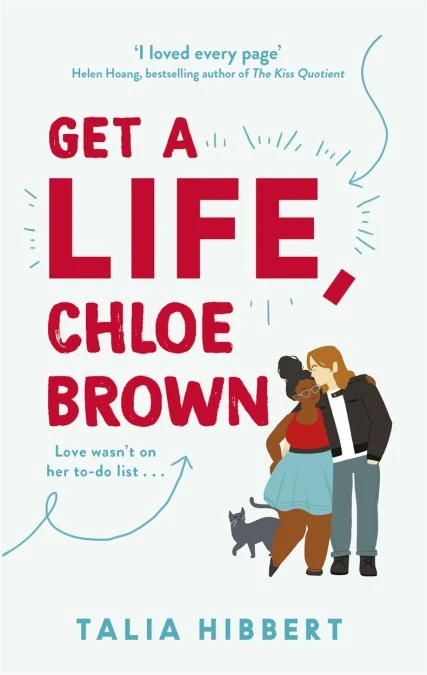
Chloe asks her building’s superintendent, artist Red Morgan, to help her take on a list of experiences beyond her carefully managed routines.
Chronic illness and pain, prior intimate-partner abuse and fragile trust matter. Accommodation is not a cure, and a positive ending does not promise that illness or its practical demands vanish.
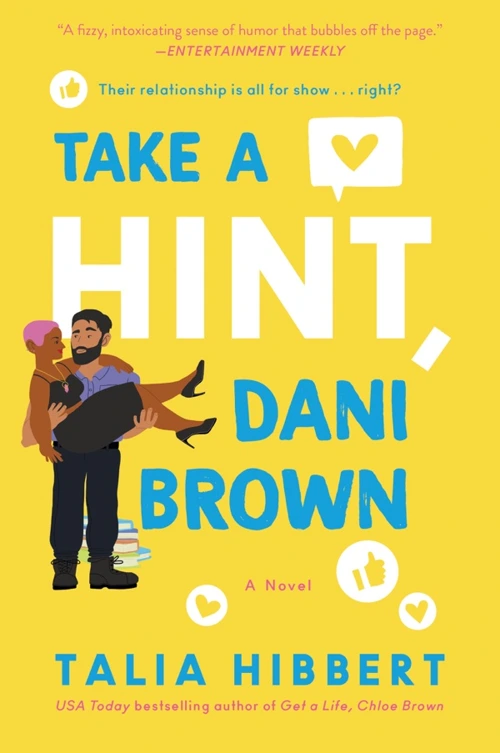
Academic Dani and security guard Zafir become a viral romantic image, then agree to a fake relationship that helps his charity while complicating her plans.
Anxiety, grief and the mismatch between casual intentions and romantic hopes belong beside the comedy. Dani’s academic work does not make this a current-undergraduate college relationship.
Horsewoman Evelyn commissions riding clothes from tailor Ahmad Malik; their ambitions bring them together across class and racial barriers in Victorian London.
Prejudice, family financial pressure and unequal social standing still matter. A secular closed-door placement is not a guarantee about religion, profanity, spiritualism, sexual references or every difficult subject.
Julia Wychwood seeks freedom through marriage to Captain Jasper Blunt, whose Yorkshire estate and private rooms conceal secrets.
Fernandes identifies anxiety attacks, controlling parental treatment and on-page bloodletting. Julia’s anxiety is not a romantic defect to be cured. No-explicit-sex is not the same request as no distress or no medical harm.
Lady Anne Deveril and Felix Hartford face the unfinished feelings and family responsibilities that have kept their earlier attachment unresolved.
Grief, family obligation and a prolonged estrangement are relevant to this reunion. Do not mistake a known final-volume endpoint for a low-angst promise about every earlier couple.
Stella’s wish for independence meets artist Teddy Hayes’s desire to paint her; a portrait bargain becomes a question of shared life and artistic freedom.
Disability, illness history, family restrictions and unequal freedom shape the choices. Teddy’s wheelchair is not a barrier that must disappear for the romance to count as complete.
7 books in two completed named sequences
These are limited starter selections, not a comprehensive catalogue or an audience consensus. Purchases through Amazon, Bookshop.org and Libro.fm links may earn us a commission, at no extra cost to you. As an Amazon Associate, Eikna Romance earns from qualifying purchases.
Get a Life, Chloe Brown
Talia Hibbert
Chloe asks her building’s superintendent, artist Red Morgan, to help her take on a list of experiences beyond her carefully managed routines.
Choose it for: Begin the Brown Sisters trilogy with a list-driven experiment in taking risks and accepting care. The central question is how desire and accommodation can coexist without requiring Chloe to stop being chronically ill. Choose it for negotiated support, not a story in which romance removes practical needs.
Sequence evidence: Hibbert’s own media kit names Brown Sisters Trilogy and orders Chloe first, Dani second, Eve third. Eve’s original Kirkus review explicitly identifies the series conclusion.
Named reading evidence: Existing criticism values the relationship’s negotiation of care, desire and vulnerability. Hibbert’s own recommended order places Chloe first in the Brown Sisters Trilogy.
Trade-offs and differing reactions: Dani values accommodation and the happy outcome but is less satisfied by the late communication conflict. Respect for a book’s representation does not require enjoying every relationship decision.
Before choosing: Chronic illness and pain, prior intimate-partner abuse and fragile trust matter. Accommodation is not a cure, and a positive ending does not promise that illness or its practical demands vanish.
Ending and series limit: Brown Sisters 1 of 3: Chloe and Red. The author’s ordered trilogy and Eve’s final-volume evidence establish sequence scope, not a new numeric ending-satisfaction score for this book.
See the evidence behind this choice
Current premise and ending-specific evidence checked 18 October 2026. Some craft and content criticism is retained from the source packs dated 6, 11, 14 or 18 October, not falsely re-dated as new reading. The full review retains its separate unknowns.
Academic Dani and security guard Zafir become a viral romantic image, then agree to a fake relationship that helps his charity while complicating her plans.
Choose it for: Continue with a public fake relationship that exposes a private difference in what the partners want. Dani and Zafir offer a different mechanism from Chloe’s list: publicity gets them moving, while honest conversation determines whether the arrangement can become more.
Sequence evidence: second title in the author’s ordered Brown Sisters trilogy. This is a separate couple, not an unresolved middle segment of Chloe and Red’s romance.
Named reading evidence: The retained 6 October review values honest communication and the developing friendship while finding the opening slow. The author’s media kit puts Dani second.
Trade-offs and differing reactions: The retained review accepts the reasons for the late breakup but finds it abrupt. A warm public premise and a completed trilogy do not rule out a difficult third act.
Before choosing: Anxiety, grief and the mismatch between casual intentions and romantic hopes belong beside the comedy. Dani’s academic work does not make this a current-undergraduate college relationship.
Ending and series limit: Brown Sisters 2 of 3: Dani and Zafir. This is the second sister’s romance within the author’s trilogy, not part two of a single couple’s unresolved story.
See the evidence behind this choice
Current premise and ending-specific evidence checked 18 October 2026. Some craft and content criticism is retained from the source packs dated 6, 11, 14 or 18 October, not falsely re-dated as new reading. The full review retains its separate unknowns.
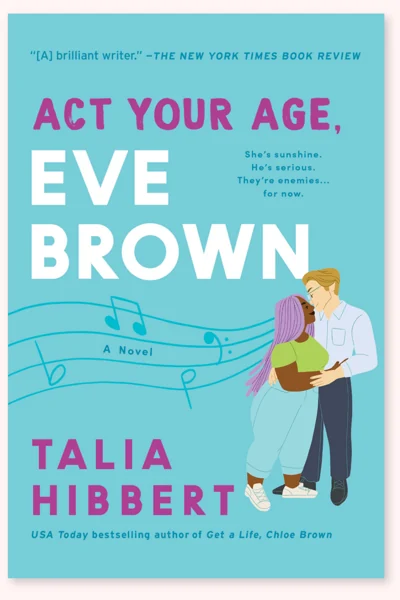
Eve’s search for work collides with exacting B&B owner Jacob; after an accident injures him, she helps at the business.
Choose it for: Finish the three-sister sequence with a workplace collision and a search for competence and belonging. Kirkus’s conclusion is warm, but PW and Susana are less convinced by the development. An established endpoint does not settle whether this couple’s pace will work for you.
Endpoint evidence: third in the author’s named trilogy; original Kirkus criticism identifies a satisfying series end. Publisher-hosted final-volume quotations corroborate the scope but are not counted as additional original reviews.
Named reading evidence: Kirkus explicitly identifies Eve as the satisfying end of the series while valuing the tenderness and dialogue. Hibbert’s media kit names the trilogy and puts Eve third.
Trade-offs and differing reactions: Publishers Weekly praises the wry humor but finds Eve’s responsibility arc and the romance underdeveloped. Susana Loves Books likewise disputes the chemistry and speed of intimacy.
Before choosing: Injury, family pressure and boundary concerns belong beside the comedy. Neither autism nor a character’s distress is being recommended as the joke.
Ending and series limit: Brown Sisters 3 of 3: Eve and Jacob. Endpoint supported by the author’s named trilogy and original Kirkus final-volume criticism; publisher-hosted quotations are not extra independent roots. Existing edition-length conflicts and individual ending fields remain unchanged.
See the evidence behind this choice
Current premise and ending-specific evidence checked 18 October 2026. Some craft and content criticism is retained from the source packs dated 6, 11, 14 or 18 October, not falsely re-dated as new reading. The full review retains its separate unknowns.
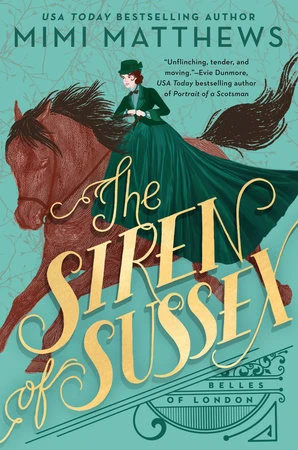
Horsewoman Evelyn commissions riding clothes from tailor Ahmad Malik; their ambitions bring them together across class and racial barriers in Victorian London.
Choose it for: Begin Belles of London with Evelyn’s riding ambitions and Ahmad’s tailoring skill. Their shared project gives social barriers a practical shape. This is the best entry for understanding the circle of women before the later romances deepen it.
Sequence evidence: publisher order identifies Siren as Belles book one. Completion rests on the final-volume statement for Muse, not on this first book’s standalone status.
Named reading evidence: Lisa Fernandes values the growing respect and romantic tension, with a kisses sensuality classification. Matthews’ own secular closed-door description supplies the terminology context.
Trade-offs and differing reactions: AEK at Hammock and Read enjoys the research but wants more romantic emphasis and finds some detail distracting. Low explicitness does not guarantee that the balance of history and courtship will suit you.
Before choosing: Prejudice, family financial pressure and unequal social standing still matter. A secular closed-door placement is not a guarantee about religion, profanity, spiritualism, sexual references or every difficult subject.
Ending and series limit: Belles of London 1 of 4: Evelyn and Ahmad. Publisher order verified separately from ending evidence. The final-volume endpoint concerns this four-woman sequence, not every related Mimi Matthews series.
See the evidence behind this choice
Current premise and ending-specific evidence checked 18 October 2026. Some craft and content criticism is retained from the source packs dated 6, 11, 14 or 18 October, not falsely re-dated as new reading. The full review retains its separate unknowns.
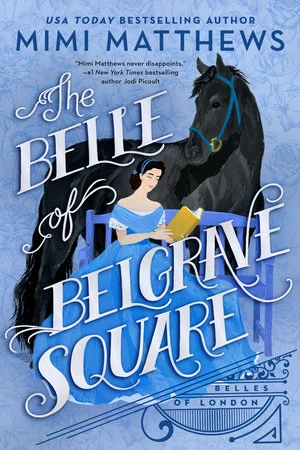
Julia Wychwood seeks freedom through marriage to Captain Jasper Blunt, whose Yorkshire estate and private rooms conceal secrets.
Choose it for: Move into a house of secrets and a marriage bargain that promises Julia freedom. It is the Gothic-tinged change of emphasis within this sequence. If withheld information is a frustration rather than an attraction, weigh Becky’s reservation before continuing.
Sequence evidence: publisher order identifies Belle as book two. Book count alone is not the completion gate; Muse is explicitly described as the fourth and final novel.
Named reading evidence: Lisa Fernandes praises romantic tension and literary atmosphere while classifying the sensuality as kisses. The author describes her historical work as secular and closed-door.
Trade-offs and differing reactions: Becky finds the secrecy frustrating, the central revelation easy to predict and the London opening too long. A brooding setting can be attractive without making withheld information satisfying.
Before choosing: Fernandes identifies anxiety attacks, controlling parental treatment and on-page bloodletting. Julia’s anxiety is not a romantic defect to be cured. No-explicit-sex is not the same request as no distress or no medical harm.
Ending and series limit: Belles of London 2 of 4: Julia and Jasper. Read after Siren for the developing friendship circle. The series endpoint is established at Muse; this placement does not assign a new individual ending score.
See the evidence behind this choice
Current premise and ending-specific evidence checked 18 October 2026. Some craft and content criticism is retained from the source packs dated 6, 11, 14 or 18 October, not falsely re-dated as new reading. The full review retains its separate unknowns.
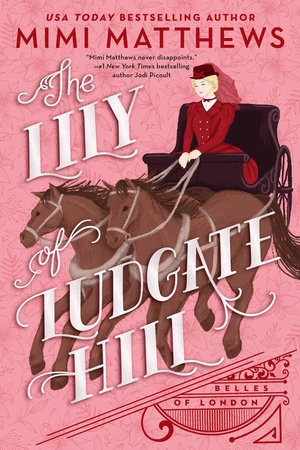
Lady Anne Deveril and Felix Hartford face the unfinished feelings and family responsibilities that have kept their earlier attachment unresolved.
Choose it for: Choose the third volume for a reunion whose delays are rooted in duties and old hurts. It shifts the question from meeting someone new to deciding whether an earlier attachment can become workable. Readers wanting a brisk resolution may find the slow movement harder than the final status suggests.
Sequence evidence: publisher order identifies Lily as book three. No claim that its individual ending closes every connected storyline is added.
Named reading evidence: The retained 6 October research values the complex demands of duty and imperfect characters. The publisher places Lily third in the four-book Belles sequence.
Trade-offs and differing reactions: The retained purchased-copy review enjoys the reunion while finding the pace slow. A completed series can still contain a romance that asks for patience with delayed conversations.
Before choosing: Grief, family obligation and a prolonged estrangement are relevant to this reunion. Do not mistake a known final-volume endpoint for a low-angst promise about every earlier couple.
Ending and series limit: Belles of London 3 of 4: Anne and Felix (Hart). Original source dates and edition limits remain unchanged; book four’s ending is not copied into this book’s canonical record.
See the evidence behind this choice
Current premise and ending-specific evidence checked 18 October 2026. Some craft and content criticism is retained from the source packs dated 6, 11, 14 or 18 October, not falsely re-dated as new reading. The full review retains its separate unknowns.
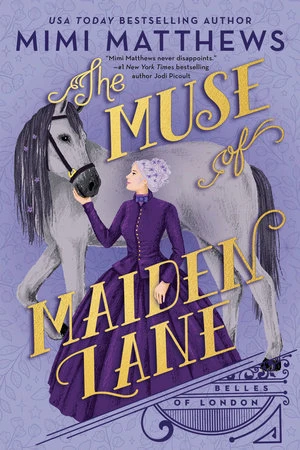
Stella’s wish for independence meets artist Teddy Hayes’s desire to paint her; a portrait bargain becomes a question of shared life and artistic freedom.
Choose it for: Finish with Stella’s artistic independence and Teddy’s wish to share a future without erasing disability. Lisa’s account supports the series-conclusion placement while warning that crossovers compete for space. A reader wanting only the final couple may be less delighted by the larger cast.
Endpoint evidence: the Penguin Books Limited description calls Muse fourth and final in Belles of London; Lisa Fernandes independently treats it as a series conclusion with a marriage outcome. This concerns Belles, not all connected series.
Named reading evidence: Lisa Fernandes describes a marriage outcome and treats the novel as a successful series conclusion. The Penguin Books Limited description explicitly identifies this as the fourth and final Belles of London novel.
Trade-offs and differing reactions: Lisa also finds the crossovers distracting and notes how little time the pair initially spend together. Readers who dislike cameos may feel the effort of a larger fictional world even at this named sequence’s endpoint.
Before choosing: Disability, illness history, family restrictions and unequal freedom shape the choices. Teddy’s wheelchair is not a barrier that must disappear for the romance to count as complete.
Ending and series limit: Belles of London 4 of 4: Stella and Teddy. “Final” is the publisher’s scope for this sequence. Connections to Parish Orphans do not certify that entire world closed, nor that no future related story can ever be written.
See the evidence behind this choice
Current premise and ending-specific evidence checked 18 October 2026. Some craft and content criticism is retained from the source packs dated 6, 11, 14 or 18 October, not falsely re-dated as new reading. The full review retains its separate unknowns.
Brown Sisters: three contemporary romances, one sister per book
Read Get a Life, Chloe Brown → Take a Hint, Dani Brown → Act Your Age, Eve Brown. That is the author’s recommended order in her media kit, which explicitly calls the sequence a trilogy. Each volume changes the central couple; the sequence’s completion is not the same structure as waiting through three books for one pair to commit.
Choose this family if you want candid adult contemporary romance where care, work, illness, anxiety and self-understanding are part of attraction rather than decorations around it. The books are not three versions of the same temperament or the same conflict. They can be funny without being emotionally effortless, and their happy relationships do not cure disability or remove the need for boundaries.
Kirkus’s original Eve review supplies explicit final-volume testimony. Hachette also hosts professional quotations describing the trilogy’s conclusion; those are credited quotations, not additional independent reading we performed. PW and individual critics’ reservations remain alongside the favorable ending account. A complete sequence can contain a volume you enjoy less than its siblings.
Belles of London: four historical romances in publisher order
Read The Siren of Sussex → The Belle of Belgrave Square → The Lily of Ludgate Hill → The Muse of Maiden Lane. The publisher numbers all four; the Penguin Books Limited description explicitly calls Muse the fourth and final Belles novel. This is stronger evidence than finding four covers in a shop and assuming there will not be a fifth.
The connective pleasure is a circle of women seeking room to act within Victorian restrictions, while each romance changes its atmosphere: a creative business partnership, a secretive house, a delayed reunion and a portrait bargain. Matthews’ closed-door approach is a separate intimacy preference. It does not mean these books lack prejudice, grief, coercive family treatment or medical harm.
Lisa Fernandes treats Muse as a conclusion while finding the crossovers distracting. That criticism helps define the limit: Belles reaches its supported endpoint, but people from other Matthews sequences remain part of the world. We do not certify every Parish Orphans thread, or all future related fiction, complete merely because these four women’s series is finished.
What this page does—and does not—verify
It verifies a named scope, a supported final volume, the ordered main novels and criticism addressing the concluding book. It does not claim that no future novella, revised edition or related series could ever be published. A completed named sequence is a useful present reading decision, not a legal promise about an author’s future work.
The seven cards reuse the existing assessments and shopping states. No omnibus edition, matching set, retailer stock or subscription is inferred. Earlier books keep their own source dates and unknowns; the final book’s ending evidence is not copied backward into their canonical records. For an individual-volume no-cliffhanger promise, use the separate guide.
Verify the named sequence and final volume
Brown Sisters
Named three-main-novel trilogy; no full-universe or future-publication guarantee.
Author or publisher reading order
Named endpoint evidence
Current author catalogue
Publisher-hosted professional testimony; not extra independent roots
Belles of London
Four-main-novel Belles sequence, not all linked Matthews series.
Author or publisher reading order
Named endpoint evidence
Independent final-volume criticism
Questions before choosing
Which series are covered here?
The three-main-novel Brown Sisters trilogy and the four-main-novel Belles of London sequence. Seven existing Eikna book assessments are linked in author/publisher order.
Does complete mean the entire fictional world is closed?
No. The claim concerns each named sequence and its supported final volume. Related characters, other series and possible future stories remain separate.
Can I start with the last book?
The guide preserves author/publisher order because the family and friendship connections accumulate. The cards explain each book, but a later volume is not presented as an identical entry experience.
Are these all closed-door romances?
No. Belles of London uses Matthews’ closed-door approach; the Brown Sisters books have a different intimacy presentation. Series completion is not a heat category.
Does a completed series guarantee every ending will satisfy me?
No. The retained contrary criticism addresses pacing, late conflicts and cameos. A supported endpoint and personal satisfaction are different questions.
The author or publisher establishes premise and named series order; critics describe their own reading. Author promises, named HFN interpretations and final-volume testimony are labelled separately. A happy couple does not establish external plot closure, and a standalone does not establish a finished series.
The canonical book records, existing overall stars and retailer evidence remain the authority for those separate fields. We have not inferred a shared heat level, a missing ending, a full warning inventory or current availability. A brief list of considerations does not certify the absence of other material.