Historical Arranged-Marriage Romance: Who Chooses and What Is Negotiated
Historical arranged-marriage romance begins with a union planned for reasons that may precede affection. Families, intermediaries or the couple themselves can influence the terms, but those versions are not interchangeable. A useful guide makes clear who proposes the marriage, who can refuse and what each person expects before love enters the arrangement.
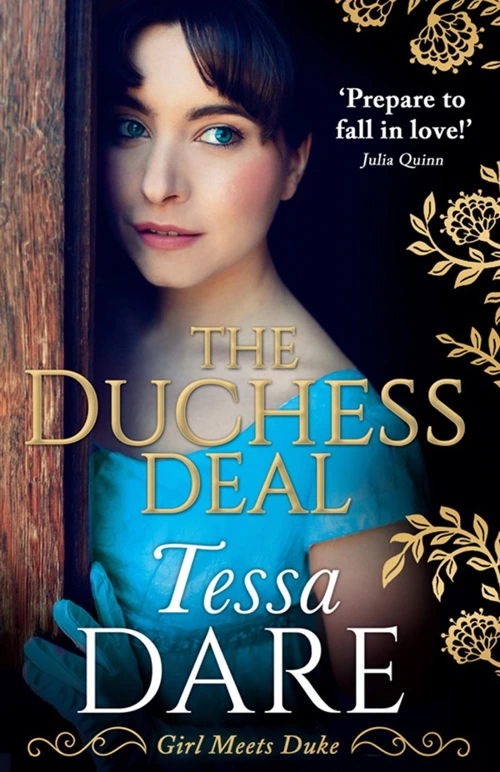
This starter uses The Duchess Deal as an adjacent, self-negotiated marriage-of-convenience example. Tessa Dare confirms that the couple sets rules for its bargain. It illustrates marriage before emotional commitment without being presented as a family-arranged union, allowing readers to choose between external matchmaking and the couple’s own agreement.
Authentic published cover of one starter selection; not a claim about every book in the guide.
Updated 9 October 2026 · Eikna Editorial Team
Compare the relationship choices
Setup
What drives it
What to check
Family-arranged union
Other people influence the choice of spouse
The couple’s ability to accept or refuse
Intermediary negotiation
Terms are discussed through a third party
Who actually controls the final choice
Self-negotiated marriage
The couple makes a practical bargain
How it differs from family matchmaking
Narrow the reading experience
Identify who makes the arrangement
A family selecting a spouse creates different tensions from someone approaching a potential partner with an offer. An intermediary may also negotiate without determining the final decision. Ask which version you want before browsing by a shared label. This distinction helps avoid choosing a mutual bargain when your interest is in resisting or reconsidering a match made by other people.
Consider the practical exchange
Inheritance, money, security or household expectations can motivate a union. The relationship becomes interesting when those practical aims meet a person whose needs exceed the original terms. Check whether the bargain remains meaningful after attraction develops. Readers who enjoy negotiation may want the practical agreement explored rather than quickly disappearing beneath an assumption that love settles every difficulty.
Ask whose rules can change
A marriage planned as a transaction can begin with boundaries about affection, public appearance or daily life. The couple may then discover that those terms do not describe what they want. Choose according to how that change is handled: discussion, mutual experimentation or one person deciding for both. A historical setting is not evidence that every character has the same freedom or social expectations.
Separate emotional development from the wedding
Marriage can occur early while trust and familiarity emerge later. That structure offers domestic access without an ordinary courtship sequence, but it does not specify how warmly the couple begins. Consult the review for the tone you prefer, whether comic negotiation, wary cooperation or a difficult emotional opening. The wedding itself does not establish romance quality, heat or a verified ending.
Starting points and their evidence
These are small starter examples, not a completed or ranked recommendation list. Reviewed selections link to existing evidence-based editorial assessments. Other examples are identified as researched premises or pending research leads; they have no new rating or claim of first-hand reading.
Purchases through Amazon, Bookshop.org and Libro.fm links may earn us a commission. As an Amazon Associate, Eikna Romance earns from qualifying purchases, at no extra cost to you.
The Duchess Deal
Tessa Dare
Adjacent self-negotiated marriage · family-arranged union unconfirmed
Tessa Dare’s premise establishes a practical marriage proposal and rules negotiated by the couple. The Duchess Deal therefore serves as an adjacent self-arranged bargain, helping distinguish marriage before love from a spouse chosen by family or an intermediary.
Before choosing: This is marriage of convenience negotiated by the leads, not a confirmed family-arranged union. Consult the author’s advisories and existing review for the relationship’s tone and limitations. No new numerical heat or formal ending label is assigned.
Author or publisher premise source · checked 9 October 2026
Edition buttons become available when the specific format and destination are checked. Amazon opens a title-and-author search; choose your edition there.
Questions that change the reading choice
Is The Duchess Deal family-arranged?
The author’s premise supports a bargain made by the couple, with rules negotiated between them. It is included as an adjacent marriage-of-convenience example, not proof of a family-arranged match. That difference is part of this guide’s reader choice.
How is this different from marriage of convenience?
Arranged marriage describes how a union is organized, while convenience describes a practical motive. They can overlap, but neither establishes the other automatically. This guide prioritizes who makes the choice; the convenience guide focuses on why the partners accept the bargain.
What should I check before choosing the starter?
Read the author’s content advisories and the existing review’s relationship discussion. A negotiated marriage premise does not independently establish a heat score or ending. This is one explanatory example, not a completed historical arranged-marriage recommendation list.