Historical Brother’s Best Friend: Family Connections and Public Courtship
Historical brother’s-best-friend romance connects the romantic pair through a sibling’s existing friendship. That connection can provide familiarity, social access or competing loyalties as courtship becomes visible to a family. It does not automatically establish a childhood crush, a large age gap or a prohibition. Choose how strongly you want the family circle to shape the romance and how much independence the couple have within it.
The Duke and I is the current reviewed example. Julia Quinn’s premise establishes Simon as the best friend of Daphne’s brother and describes a sham courtship in Regency society. It is also a difficult reading choice: the existing assessment identifies sexual assault by Daphne against Simon and criticism of the subsequent accountability. This caveat belongs beside the premise, not hidden behind the appeal of banter or family familiarity.
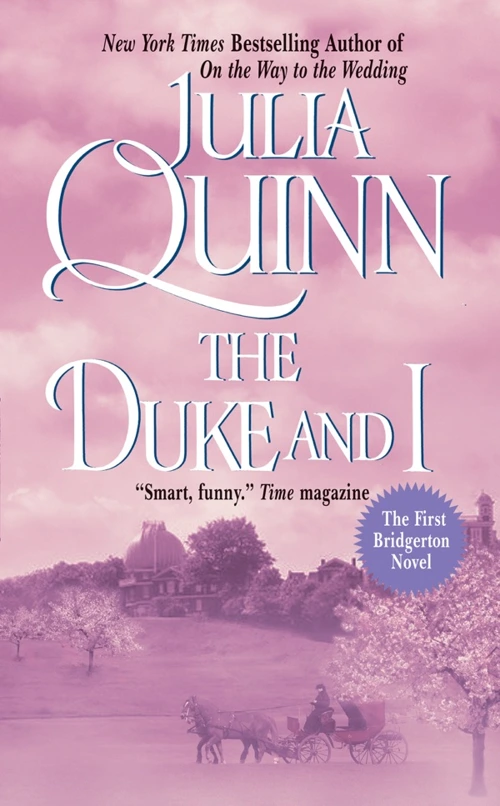
Authentic published cover of one starter selection; not a claim about every book in the guide.
Updated 9 October 2026 · Eikna Editorial Team
Compare the relationship choices
Setup
What drives it
What to check
A sibling’s prior friendship
The couple share a family connection.
Who knows whom and what is actually established.
Public courtship
An arrangement changes how society sees the pair.
Performance versus personal commitment.
Harm and accountability
Relationship conflict may exceed social awkwardness.
Specific consent concerns and the handling of repair.
Narrow the reading experience
Confirm the direction of the family connection
A brother’s best friend is different from a best friend’s brother, even though both can create a familiar social circle. Knowing who has the prior friendship helps explain which loyalties a courtship might disturb. The starter directly supplies the relevant connection rather than relying on a broad family label. However, a brother’s knowledge of a suitor does not establish that the heroine knows him equally well or has always wanted him. Those details need evidence of their own, particularly if a longstanding private crush is the experience you want.
Distinguish a social strategy from an emotional commitment
A public courtship can affect reputation and attention before the partners decide what they mean to one another. In the starter, fake courtship supplies a separate mechanism alongside the family connection. A reader might enjoy the gradual change from a useful performance to personal attachment, or prefer an openly sincere relationship from the beginning. The historical setting adds a public dimension without proving every rule of the surrounding society. Focus on the arrangement the premise establishes and the emotional choices the assessment actually discusses.
Make consent and repair part of the reading decision
Family affection and lively dialogue do not cancel harm between the romantic partners. The existing assessment’s sexual-assault caveat is central to whether this example will suit a reader, and identified critics object to how forgiveness and accountability are handled afterward. Treat that as a concrete content concern rather than a generic warning that older books can be different. Readers who need sustained repair or want to avoid partner-perpetrated sexual assault may choose another guide or book. Inclusion here establishes a premise connection; it does not endorse the harmful behavior.
Starting points and their evidence
These are small starter examples, not a completed or ranked recommendation list. Reviewed selections link to existing evidence-based editorial assessments. Other examples are identified as researched premises or pending research leads; they have no new rating or claim of first-hand reading.
Purchases through Amazon, Bookshop.org and Libro.fm links may earn us a commission. As an Amazon Associate, Eikna Romance earns from qualifying purchases, at no extra cost to you.
The Duke and I
Julia Quinn
Confirmed premise example
Quinn directly establishes Simon as Daphne’s brother’s best friend and the pair’s fake courtship. This is the first Bridgerton novel and a premise example with a substantial consent caveat.
Before choosing: Sexual assault by Daphne against Simon is identified in the existing critical evidence. Critics question the handling of accountability and forgiveness. Numerical heat and formal ending classification remain unresolved.
Author or publisher premise source · checked 9 October 2026
Edition buttons become available when the specific format and destination are checked. Amazon opens a title-and-author search; choose your edition there.
Questions that change the reading choice
Does this connection always make love forbidden?
No. Opposition must be established separately; knowing a sibling’s friend alone does not prove a prohibition.
Is this guide about the novel or television series?
The novel. Quinn identifies it as the first Bridgerton book; screen adaptations are not used to fill gaps in the book evidence.
What is the main content caveat?
Sexual assault by Daphne against Simon, with criticism of the later accountability. Explicit sexual material is reported, while numerical heat and formal ending classification remain unresolved.