Historical Enemies to Lovers: Rival Duties and Earned Trust
Historical enemies-to-lovers romance asks what happens when attraction crosses a real division: a feud, a damaged reputation, a competing ambition or loyalty to opposing countries. Period clothes alone do not establish the trope. The useful question is what makes these particular people opponents, and what would have to change before they could trust each other.
This guide starts with The Spymaster’s Lady, an existing reviewed espionage romance whose publisher explicitly establishes opposing duties. It illustrates dangerous political conflict rather than a drawing-room battle of manners. Use the comparisons below to decide whether you want sharp social disagreement, a shared competition or an alliance formed under pressure.
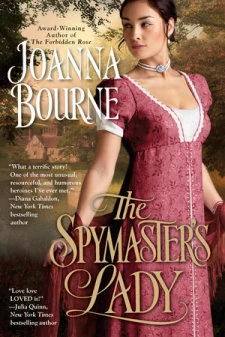
Authentic published cover of one starter selection; not a claim about every book in the guide.
Updated 8 October 2026 · Eikna Editorial Team
How serious is the opposition?
Setup
What drives it
What to check
Social antagonism
An insult or judgment damages a personal relationship.
Whether repair requires an apology or a deeper change.
Competitive rivalry
Both people want the same scarce opportunity.
Competition may fit rivals to lovers without making them enemies.
Family or community feud
Their allegiances put them on opposing sides.
Whether they personally endorse the hostility.
Opposing political duties
Helping one person may betray the other’s cause.
Capture, coercion and the cost of changing sides.
Narrow the reading experience
Decide whether you want wit or danger
A social feud can make conversation the main battlefield: who misjudges whom, whose reputation is at stake and whether an apology changes the relationship. Political opposition can place lives or loyalties at risk. Both can produce enemies-to-lovers stories, but they promise different experiences. Choose the underlying conflict before choosing the period. An espionage starter should not stand in for every reader’s wish for ballroom banter.
Ask whether the characters share the hostility
Family names, nationality and social position can make two people enemies in the eyes of others. That does not automatically mean both feel personal hatred. Look for evidence about the individuals as well as their affiliations. A romance between members of hostile communities can overlap with forbidden love; its central question may be whether they can defy the group rather than overcome their own hostility.
Look for a change that can support trust
Forced cooperation can reveal competence or kindness, but surviving a common problem does not necessarily remove conflicting aims. For a satisfying reading fit, ask what makes later trust possible: reconsidered beliefs, changed conduct, disclosure or an accountable decision. These are questions to take to a review, not promises about every book with the label. Attraction alone may leave the original source of danger unresolved.
Check power as well as chemistry
Historical settings can combine unequal legal or social power with limited choices. A captor and captive are not simply two equally matched rivals. If you prefer antagonism without confinement or manipulation, look closely at the existing assessment before selecting an espionage romance. A capable protagonist can still face coercion. Admiration for intelligence and dialogue does not settle whether the relationship’s control dynamics will work for you.
Starting points and their evidence
These are small starter examples, not a completed or ranked recommendation list. Reviewed selections link to existing evidence-based editorial assessments. Other examples are identified as researched premises or pending research leads; they have no new rating or claim of first-hand reading.
Purchases through Amazon, Bookshop.org and Libro.fm links may earn us a commission. As an Amazon Associate, Eikna Romance earns from qualifying purchases, at no extra cost to you.
The Spymaster's Lady
Joanna Bourne
Confirmed premise example
Joanna Bourne pairs French spy Annique Villiers with British spymaster Robert Grey, whose assignment is to secure her intelligence for England. A prison escape requires cooperation while their obligations remain opposed. That establishes political enemies at the premise level; it does not establish a simple mutual-hatred dynamic.
Before choosing: Expect espionage and confinement. The existing assessment records disagreement over Grey’s control tactics and Annique’s agency; read those reservations before choosing. Check the selected edition and series listing rather than assuming every market uses the same numbering.
Author or publisher premise source · checked 8 October 2026
Edition buttons become available when the specific format and destination are checked. Amazon opens a title-and-author search; choose your edition there.
Questions that change the reading choice
Does historical enemies to lovers always mean Regency romance?
No. Historical romance spans different periods and places. Choose the setting separately from the relationship conflict; this guide does not treat one spy romance as representative of the entire category.
Are rivals and enemies the same thing?
They can overlap, but competing for a prize does not itself establish deep hostility. The rivals-to-lovers guide is useful when you want ambition and friction without the more dangerous opposing loyalties illustrated here.
Does a shared escape resolve the conflict?
Not necessarily. Cooperation can be temporary while political obligations continue. Check whether the book’s assessment addresses the movement from useful alliance to a relationship that both people can choose.
Is this a complete recommendation list?
No. This is a focused reading guide with one existing reviewed starter. Its broader collection still needs verified additions; no new review or rating has been created for this page.