The relationship faces a boundary the characters believe they should not cross. Family loyalties, public roles, social expectations or conflicting responsibilities can make attraction feel costly before the couple has even chosen to pursue it.
Compare 10 researched choices from existing reviewed books through the actual barrier: public identity, professional duties, family control, an existing marriage or political loyalty. Use the comparison and individual notes to choose the pressure you want to read about, then check the linked assessment for relationship power, harm and series context. Secrecy alone does not tell you what being together would cost.
Original editorial artwork inspired by this page’s theme; not an official book cover or a claimed book scene.
Updated 10 October 2026 · Eikna Editorial Team · Researched editorial assessments
Compare the rule and the cost of breaking it
A professional restriction differs from a family controlling access to a partner or political enemies risking their lives. These choices identify the actual pressure. A different job, species or social background alone does not establish forbidden love; read the particular barrier before choosing how much secrecy or danger you want.
Secret intimacy whose discovery carries a lethal consequence
Who objects to the relationship, and what can they do?
A forbidden relationship becomes specific when you can name the boundary and the person or institution enforcing it. Disapproval from relatives, professional duties and a coercive political order place different pressures on a couple. Decide which pressure you want the story to explore. Secrecy can be exciting, exhausting or necessary for survival; the reason behind it matters more than the promise that two people are off limits.
Starting point
What drives it
What to check
Public identity and career
Visibility could threaten a role or reputation
Is secrecy mutually chosen, and what would openness cost?
Family or community opposition
The couple crosses an expectation or loyalty
Who can impose consequences beyond disapproval?
Professional authority
One person's role limits the other's freedom
Check authority, age and ability to refuse separately
Political or supernatural divisions
The world's power structure separates the leads
Check violence, relationship prominence and volume-level closure
Separate outside opposition from harm inside the relationship
A couple can treat each other with care while their surroundings make the relationship dangerous. A different story may place coercion or controlling behavior between the partners themselves. The forbidden-love label cannot tell you which experience awaits. If boundaries matter to you, read the individual cautions and the review's discussion of agency before choosing from the premise.
Decide how much secrecy you want
Hidden meetings put pressure on time, trust and ordinary companionship. Some readers want the anticipation of discovery; others want the couple to spend substantial time together openly. Check whether secrecy supplies the initial obstacle or shapes most of the relationship. A long timeline and repeated concealment can also affect how convincing the conflict feels.
Do not use forbidden love as an ending guarantee
Stories about impossible relationships appear in genre romance, fantasy and romantic tragedy. Their outcomes differ. These starter selections retain the individual reviews' unresolved ending fields and series cautions. A hopeful cover, strong chemistry or inclusion on a romance-themed list cannot establish a particular volume's closure.
Use this hub if direct conflict between the leads interests you. External opposition can coexist with attraction without making the lovers personal enemies.
This collection discusses the darker dynamics supported by each work's evidence. Use it when you want to examine danger or coercion, while keeping those questions separate from social disapproval.
The ending guide explains the difference between romantic resolution and other outcomes. Check the book-specific evidence when a happy ending or completed romantic arc is essential.
10 researched starting points with the barrier explained
These are researched selections linked to existing evidence-based assessments. The relationship barrier is checked separately from our previous review judgments. Each note identifies what keeps the couple apart and distinguishes enforced restrictions from personal reluctance. Adult and YA reading paths, series context and professional power need separate attention; a forbidden-love label does not establish heat, an ending or an absence of harm.
Heated Rivalry
Rachel Reid
Relationship barrier: An external barrier with stated consequences
Best for: An MM sports romance where public opponents have to protect a private attachment.
Shane and Ilya captain competing professional hockey teams. Their public rivalry leaves little room for a private relationship, and the publisher makes the stakes explicit: discovery could damage both careers. The pressure comes from their public roles and the prospect of press exposure, rather than simply from their initial dislike.
Choose this for the strain of maintaining two versions of the same connection: opponents in public and something much more personal away from the cameras. Their story continues in The Long Game, so readers seeking the full development of this couple should consider that continuation.
What establishes the barrier?
Harlequin — Heated Rivalry: The rival team captains maintain secret hookups; developing feelings make concealment harder, and press discovery threatens both careers. (direct premise example). Source: https://harlequin.com/products/heated-rivalry/?variant=44992799637680.
Relationship barrier: An external barrier with stated consequences
Best for: Political and royal obligations that turn a private MM relationship into public business.
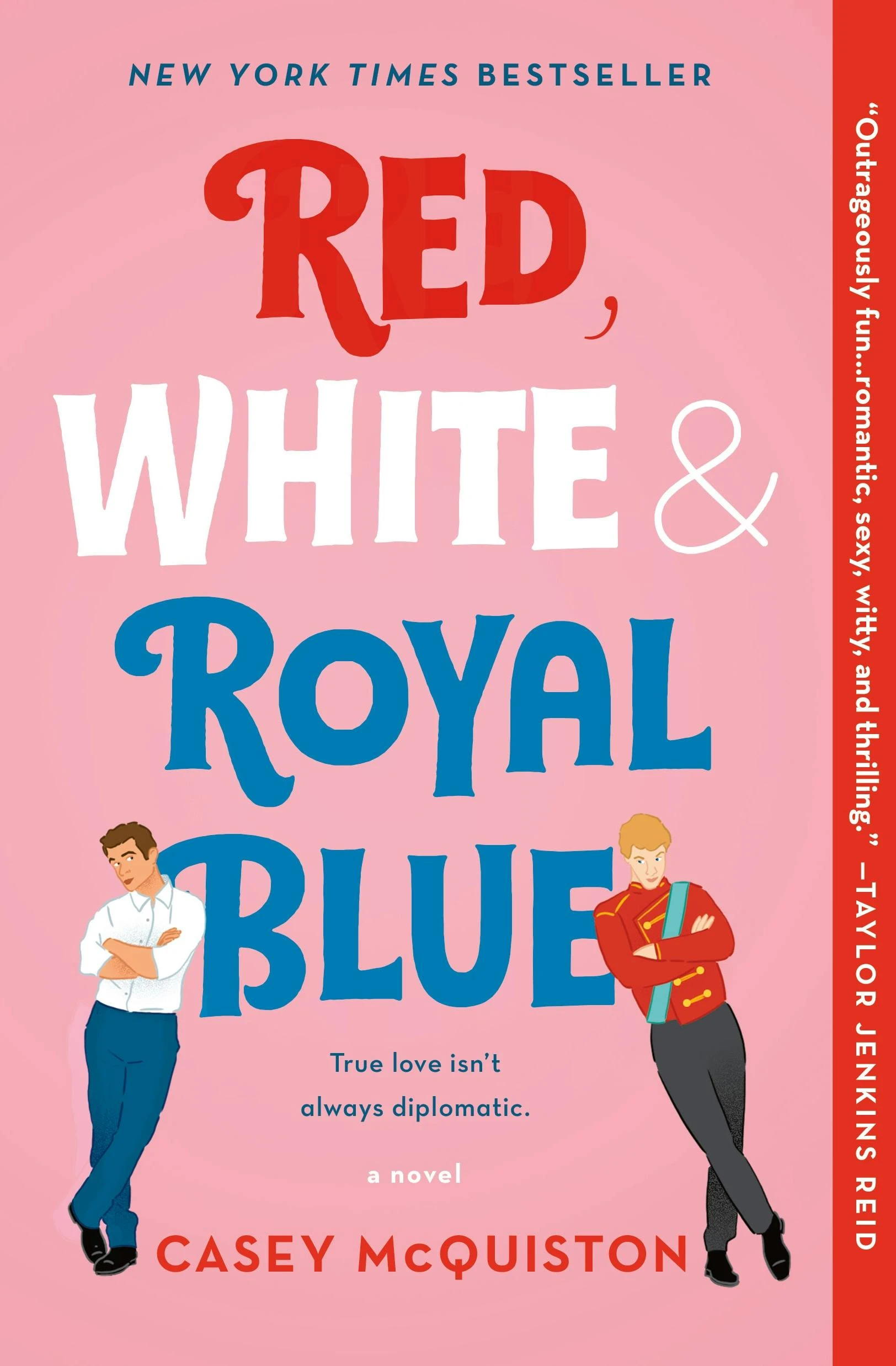
Alex is the American president’s son; Henry is a British prince. When their hostility becomes a diplomatic embarrassment, family leaders and political handlers organise a public truce. The resulting relationship must develop inside an image those institutions have already decided to manage.
The appeal is the gap between a carefully staged public friendship and a private romance with consequences beyond the couple. Macmillan explicitly connects discovery to electoral and international stakes. This makes it a useful choice for readers interested in family authority, royal duty and political visibility, rather than a rule that exists only because the leads are colleagues.
Before choosing: Institutional image control and campaign consequences are established. A legal prohibition on their relationship is not.
What establishes the barrier?
Macmillan — Red, White & Royal Blue: Family heads, state leaders and handlers stage a truce after a public incident; the subsequent secret romance could disrupt a campaign and both nations. (direct premise example). Source: https://us.macmillan.com/books/9781250905703/redwhiteroyalblue/.
Relationship barrier: A specific boundary; its limits are explained
Best for: A sports workplace boundary that changes when one lead plans to leave the team.
Frankie works as the hockey team’s social-media manager, and Ren is one of its players. Penguin Random House specifically describes her as off-limits while she holds that job. His long-standing interest therefore has to wait for a change in their professional situation, rather than merely a better moment to ask her out.
Try this if the attraction of forbidden love is restraint around someone’s working life. Frankie’s plan to leave the team gives the relationship a possible route forward without requiring the book to be presented as a permanent ban. It offers a gentler comparison with the political and dangerous barriers elsewhere in this collection.
What establishes the barrier?
Penguin Random House — Always Only You: Ren considers Frankie off-limits while she is the team social-media manager; her intended career change creates an opening. (direct premise example). Source: https://www.penguinrandomhouse.com/books/742376/always-only-you-by-chloe-liese/.
Relationship barrier: A specific boundary; its limits are explained
Best for: An FF celebrity romance contrasting public-image pressure with a chosen workplace boundary.
Elizabeth’s closeted public life is unsettled when rumours link her to fellow actor Summer. A filmmaker then insists on meeting the supposed girlfriend before offering Elizabeth a coveted role. The professional reward pulls them into performing a relationship while Elizabeth is still wary of what being publicly linked to Summer means.
This belongs in the qualified comparison section: the checked critic calls the coming-out concern an initial stumbling block, and reports that the women agree to wait until they are no longer coworkers before sleeping together. Choose it for the tension between public performance and private trust, with a boundary they negotiate themselves.
What establishes the barrier?
Ylva Publishing — Breaking Character: Closeted Elizabeth faces unwanted relationship rumours; a filmmaker requires her to introduce Summer as her girlfriend before giving her a role. (direct premise example). Source: https://www.ylva-publishing.com/product/breaking-character-by-lee-winter/.
Love in Panels — Margrethe’s review: The reviewer describes coming-out concerns as an initial stumbling block and reports the couple chooses to wait until they are not coworkers before sex. (reported classification). Source: https://www.loveinpanels.com/prose/breaking-character.
Relationship barrier: An external barrier with stated consequences
Best for: Readers who want a forbidden relationship with consequences that have already happened.
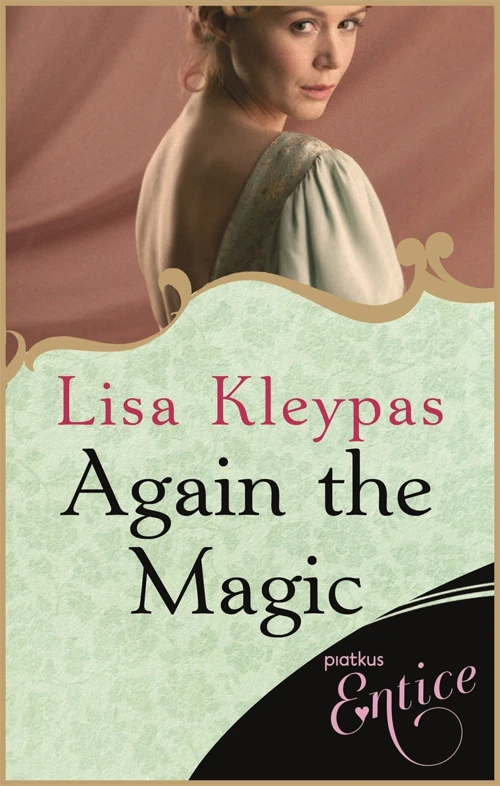
Aline is expected to make a marriage within her social class, while McKenna works on her father's estate. The relationship violates that expectation and is punished: he is sent away, and she is left outside London society. Choose this when you want the barrier to do more than make the couple worry about gossip; it changes where they can live and whether they can remain together.
McKenna's eventual return with a fortune makes the second chance different from their original romance. Wealth changes his position, but his wish for revenge shows that separation has left damage that money cannot settle. This suits readers who want forbidden love's aftermath to matter, with a reunion that must confront what each believes the other chose years earlier.
Before choosing: The externally enforced separation belongs to their original relationship; the later plot adds revenge and reconciliation. Expect an emotionally charged second chance, not a continuous secret courtship.
What establishes the barrier?
Hachette UK — Again the Magic: Publisher states Aline is expected to marry within her class, McKenna is a servant on her father’s estate, their transgression results in him being sent away and her exclusion from London society; later he returns seeking revenge. (primary barrier verified). Source: https://www.hachette.co.uk/titles/lisa-kleypas/again-the-magic/9781405515801/.
Relationship barrier: A barrier reported by an identified reviewer
Best for: Readers who want social restrictions tied to the heroine’s ambitions and the hero’s public role.
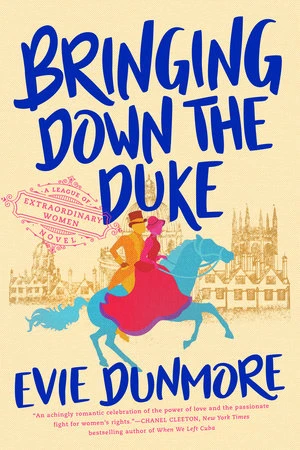
Annabelle's scholarship requires her to recruit support for women's suffrage, bringing her into contact with a duke whose political position makes that cause difficult territory. The romance has costs beyond a difference in income. Her ability to preserve her ambitions and social standing sits alongside his carefully maintained reputation and royal confidence.
This is a useful choice when you want the question of being together to include how a relationship would alter a woman's independence. Doreen Sheridan's review identifies the pressure on Annabelle's respectability and position, while the publisher establishes her scholarship obligations. The barrier therefore connects their private decisions to education and public power, rather than treating the duke's title as decoration.
What establishes the barrier?
Hachette UK — Bringing Down the Duke: Publisher confirms Annabelle’s Oxford scholarship requires recruiting influential supporters for women’s suffrage and identifies Sebastian as a powerful duke. (primary context verified). Source: https://www.hachette.co.uk/titles/evie-dunmore/bringing-down-the-duke/9781405550857/.
Doreen Sheridan — The Frumious Consortium: Identified critic explains Sebastian’s political charge from Queen Victoria and Annabelle’s risk to her ambitions, standing and security; reputation is a substantive relationship obstacle. (identified critic barrier verified). Source: https://www.thefrumiousconsortium.net/2019/11/06/bringing-down-the-duke-a-league-of-extraordinary-women-1-by-evie-dunmore/.
Monica E. Spence — Historical Novel Society: Review confirms Sebastian’s repaired family reputation and Queen Victoria’s confidence. (identified critic context verified). Source: https://historicalnovelsociety.org/reviews/bringing-down-the-duke-a-league-of-extraordinary-women/.
Relationship barrier: A specific boundary; its limits are explained
Best for: Readers who want an initially unavailable beloved and a later romance complicated by grief and loyalty.
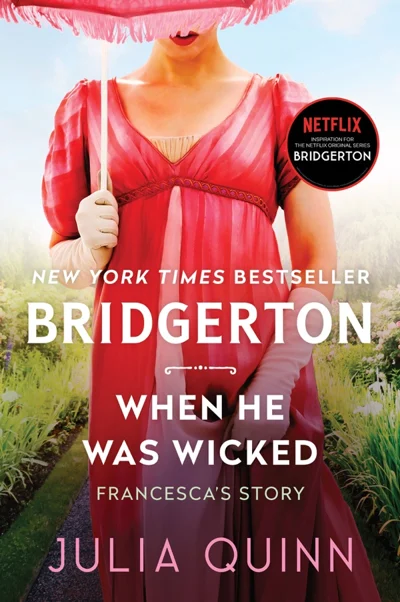
Michael falls in love with Francesca immediately before she marries his cousin John. That existing commitment makes his first feelings impossible to pursue without betraying someone who is like a brother to him. Choose this for a boundary grounded in an actual relationship and family loyalty, rather than one created only by hesitation to confess.
The situation changes after Francesca becomes a widow, so the later romance is not an affair with a married heroine. Michael's earlier love and his place within the family remain emotionally complicated even when the original barrier has ended. It suits readers who want the consequences of loving someone unavailable to shape a new relationship, with bereavement carrying real weight.
Before choosing: Francesca’s engagement and marriage form the initial boundary. She is widowed when their later romance develops; the original marriage restriction has ended, and no later legal ban is established.
What establishes the barrier?
Julia Quinn — When He Was Wicked: Author establishes Michael’s love beginning thirty-six hours before Francesca’s marriage to his cousin, her later freedom and his friendship role; excerpt explicitly connects his restraint to John, whom he regards as a brother. (primary barrier verified). Source: https://juliaquinn.com/books/when-he-was-wicked/.
Relationship barrier: An external barrier with stated consequences
Best for: Love crossing an oppressive ruling order and a political betrothal
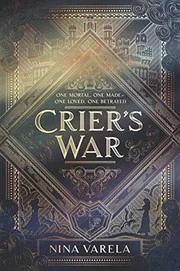
Ayla and Crier occupy opposing positions within a system that subjects humans to Automae rule. Ayla serves in the sovereign’s household while planning revenge against his daughter; Crier is expected to sustain her father’s legacy and is already betrothed to Scyre Kinok. Their connection challenges governing power and an existing political commitment, giving the barrier more substance than a difference in how the two girls were created.
Try this for a relationship entangled with resistance, inherited loyalties and the discovery that a familiar account of power is unreliable. Ayla’s revenge and Crier’s changing understanding pull the romance into the political story. The first novel opens a duology, so choose it as the beginning of that larger conflict rather than as an isolated courtship with a promised complete resolution.
Before choosing: YA fantasy and first book of a duology. Oppression and betrothal are established, but a particular legal penalty for their relationship is not specified.
What establishes the barrier?
Nina Varela — official Crier’s War page: Establishes Automae subjugation of humans, Ayla’s position as servant and revenge plan, Crier’s betrothal and governing legacy, and love tied to war. (primary source inspected 2026-10-10). Source: https://www.ninavarela.com/crierswar.
Relationship barrier: A specific boundary; its limits are explained
Best for: Attraction jeopardizing a fragile alliance inside a lethal tournament
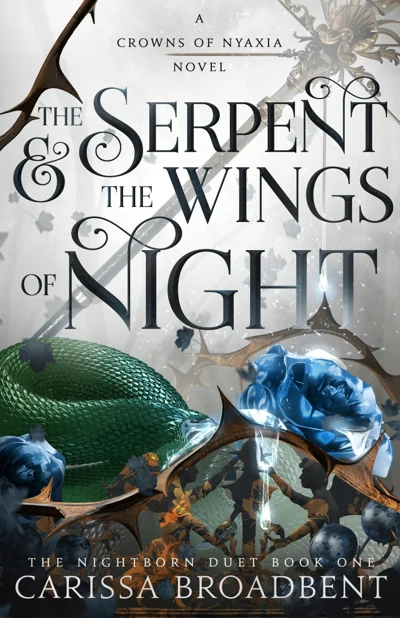
Oraya needs Raihn’s alliance to survive the Kejari, but he is also her competition and an enemy of her father’s crown. The political allegiance and tournament create concrete reasons why trusting him is dangerous. This is a qualified forbidden-love choice: the author identifies attraction as a potential downfall, without establishing an explicit rule that forbids the pair from becoming romantically involved.
Consider it when divided loyalties matter more to you than a named social prohibition. Oraya’s human vulnerability in a vampire world sharpens the survival stakes, while affection complicates her dependence on a rival. The tension comes from what closeness could cost in the contest and approaching war. Readers seeking punishment specifically for dating should choose a more direct example elsewhere in the collection.
Before choosing: First book in a continuing series and a duology opener. The author flags violence, off-page torture, a rape flashback with consent withdrawn, self-harm, emotional abuse, slavery and sexual-abuse references. No explicit romantic ban is verified.
What establishes the barrier?
Carissa Broadbent — official book page: Establishes Raihn as Oraya’s rival and enemy of her father’s crown, the deadly Kejari, looming war, and attraction that could cause her downfall. (primary source inspected 2026-10-10). Source: https://carissabroadbentbooks.com/books/the-serpent-and-the-wings-of-night/.
Relationship barrier: An external barrier with stated consequences
Best for: Secret intimacy whose discovery carries a lethal consequence
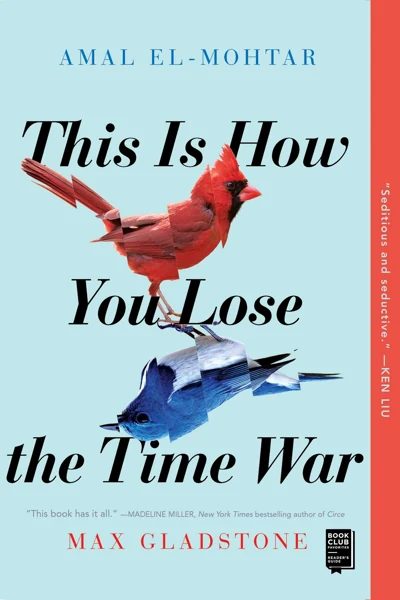
Red and Blue work for opposing factions that seek incompatible futures. Their correspondence becomes romantic across that institutional divide, and the publisher explicitly states that discovery of the bond would mean both agents’ deaths. The enforcing power belongs to the war and its organizations: even reading an enemy’s letter risks suspicion of treason. This is a direct forbidden-love fit with a concrete consequence.
Choose it for intimacy built through messages, changing language and the risk of recognizing a person where duty demands an enemy. The science-fiction structure makes loyalty and survival inseparable from the relationship, while the compressed form rewards attention to cause and effect. It suits readers comfortable with lyrical correspondence and temporal complexity; a conventional sequence of dates and domestic milestones is not the organizing shape of this romance.
Before choosing: Science-fiction novella with violent warfare and body imagery in the publisher excerpt. The lethal discovery premise is verified; this collection note does not independently certify a conventional genre-romance ending.
What establishes the barrier?
Saga Press / Simon & Schuster — official publisher page: Establishes opposing agents and warring factions; explicitly states discovery of their romantic bond means both deaths. Excerpt identifies Commandant’s wrath and suspicion of treason. (primary source inspected 2026-10-10). Source: https://www.simonandschuster.com/books/This-Is-How-You-Lose-the-Time-War/Amal-El-Mohtar/9781534430990.
No. Public duties, rival loyalties and political barriers can supply the obstacle. Ages and age gaps need their own evidence rather than being inferred from this trope.
Is a secret relationship automatically forbidden?
No. Privacy can be a preference. For this guide, the useful question is what consequential boundary or risk makes concealment necessary or important.
Are these adult-only recommendations?
No. Crier's War is a YA fantasy example; the other two selections are discussed separately. Read the audience and content notes rather than treating the shared obstacle as an age recommendation.
Fantasy Forbidden Love: Political Barriers and the Cost of Choosing Each Other
Choose fantasy forbidden-love stories by the barrier, its consequences and series expectations, with Crier’s War as an existing reviewed YA fantasy example.
Historical Forbidden Love: Class Barriers, Family Power and Second Chances
Choose historical forbidden love by the barrier keeping the couple apart, with Again the Magic as a reviewed class-divide starter and clear evidence limits.
MM Forbidden Love: Secret Relationships, Public Pressure and Choosing Openness
Choose MM forbidden love by the cost of secrecy and public pressure, with Heated Rivalry as a reviewed starter and clear relationship and evidence distinctions.
Paranormal Forbidden Love: Divided Loyalties, Political Marriages and Personal Choice
Explore paranormal forbidden love with Bride as an author-confirmed reviewed starter, separating community barriers, political marriage, mate bonds and personal trust.
Sapphic Forbidden Love: Secrecy, Loyalty and the Freedom to Choose
Choose sapphic forbidden-love stories by the actual barrier, the cost of secrecy and the relationship’s place in the book, with Crier’s War as a reviewed YA fantasy starter.
Forbidden College Romance: Team Loyalties, Family and Future Plans
Forbidden college romance places attraction against expectations that matter during student life. A family connection, opposing team loyalties or a future career can make a relationship difficult to acknowledge. The important distinction is who objects an
Forbidden Mafia Romance: Family Rules and Divided Loyalties
Forbidden mafia romance puts attraction in conflict with a rule the characters cannot ignore. That rule might concern an existing engagement, family allegiance or a position of authority. Identify the actual barrier first: a dangerous partner and a prohibited relationship are different reading promises.
Dark Forbidden Romance: The Rule, the Risk and the People Affected
Dark forbidden romance makes attraction conflict with a boundary that carries more than ordinary social awkwardness. A family rule, existing engagement or position of.
How these selections were researched
We compared current public book guides and checked the specific barrier using identified author, publisher and critic evidence. Source scopes appear in each card. These new selection notes link existing evidence-based assessments without adding ratings or claiming first-hand reading. The collection compares reading situations rather than ranking quality.
Choose what would happen if the relationship became known
A useful forbidden-love recommendation explains the barrier rather than relying on secrecy alone. The pressure might come from public careers, social power, an existing commitment or opposing institutions. Some books name a consequence directly; others offer a boundary whose scope needs qualification.
Opposing agents face death if their bond is discovered.
The consequence is direct, but that premise does not independently certify a conventional genre-romance ending.
A barrier can change before the relationship does
When He Was Wicked and Always Only You offer different versions of a changing situation. Widowhood ends the original marital boundary in one; an intended job change creates an opening in the other. Grief, loyalty or hesitation may continue after an external restriction changes. That makes these useful for readers who want lingering emotional difficulty, while someone seeking an active prohibition throughout should check the exact progression.
Breaking Character also benefits from a precise label. Margrethe at Love in Panels enjoys the romance but says the Hollywood coming-out concerns function mainly as an early stumbling block. She reports the couple’s decision to wait until they are no longer coworkers and wishes the toxic friendship occupied less of the story. These are useful qualifications for a reader seeking sustained institutional opposition rather than a negotiated personal boundary.
Margrethe’s attributed assessment, 6 June 2019
Political danger is not always an explicit romantic ban
Crier’s War combines oppressive rule, revenge and an existing betrothal. The Serpent and the Wings of Night makes attraction dangerous within a lethal contest and divided political loyalties. Their existing cards preserve those specific stakes without inventing a sentence imposed for dating. This Is How You Lose the Time War has a much more explicit discovery consequence; the distinction helps you choose the kind of risk you want.
For a narrower request, specify the source of the restriction and whether you want it to remain active for most of the story. Then choose your tolerance for grief, violence, betrayal or ongoing series conflict separately. A forbidden-love label does not itself establish an affair, a slow pace, explicit sex, a tragic ending or an uncomplicated escape from the system keeping the lovers apart.
Researched editorial synthesis using existing assessments, not new firsthand reading. Original scores, coauthor identities, source dates and qualified boundaries remain intact. Held retailer actions mean unchecked destinations, not unavailable editions. Cover art does not establish stock; feature artwork depicts fictional adults rather than actual characters.