Historical Forbidden Love: Class Barriers, Family Power and Second Chances
Historical forbidden love puts attraction under pressure from the world around the couple. A family can control access to a partner, an expected marriage can narrow someone’s choices, or social status can make a relationship costly to acknowledge. Start by asking who can prevent the couple from being together and what happens when they resist. A period setting, a title or different incomes alone does not establish a forbidden relationship.
Again the Magic is the existing reviewed starter here. Hachette’s premise identifies an expected same-class marriage and a relationship with an estate servant that results in separation; his later return brings a revenge conflict into their reunion. This is a focused guide to choosing that kind of reading experience, not a completed historical recommendation list. The linked assessment helps you weigh the romance and its limitations without assigning any new rating.
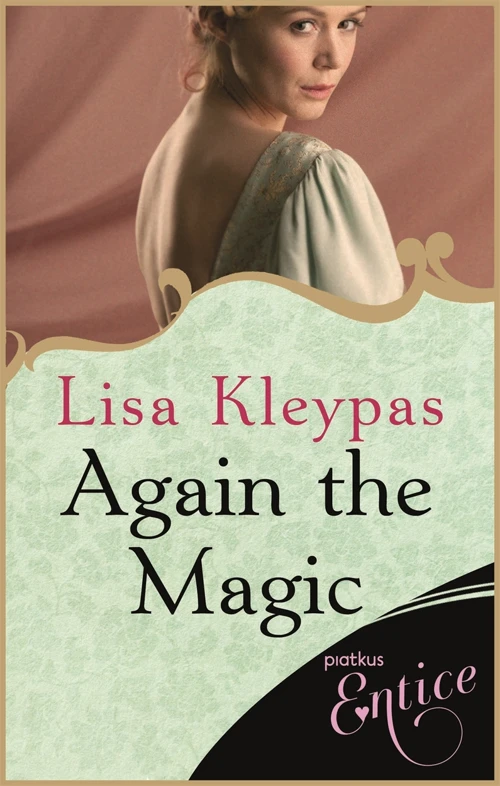
Authentic published cover of one starter selection; not a claim about every book in the guide.
Updated 9 October 2026 · Eikna Editorial Team
Which barrier do you want the relationship to confront?
Setup
What drives it
What to check
Class enforced by family
Relatives can exclude a partner rather than merely dislike the match.
Who controls access, employment or the household.
An expected marriage
The couple’s wishes conflict with a proposed future.
Whether the commitment is already binding or only anticipated.
Public reputation
Acknowledging the bond could change someone’s social position.
Concrete consequences rather than a general claim of scandal.
A returning former love
Circumstances change after a separation.
Whether the original barrier and the emotional injury both receive attention.
Narrow the reading experience
Find the person or institution enforcing the rule
A duke and a shopkeeper may have different social standing while still being free to choose each other. The more useful question is what turns that difference into an obstacle: a relative who can dismiss a servant, a household that restricts contact, or a commitment someone cannot easily leave. Look for consequences in the specific story. Historical romance covers many places and periods, so a rule in one novel should not become an unsupported statement about all historical societies.
Consider who has the freedom to refuse
Unequal status can affect what each partner risks and what alternatives remain available. A secret meeting may be exhilarating for one person and threaten the other person’s livelihood. Choose whether you want the novel to examine those practical differences closely or focus mainly on romantic longing. An attractive premise cannot establish how thoughtfully the finished story handles consent, dependence or responsibility; the longer assessment should explain the relationship’s treatment rather than reassure you from a trope tag.
Decide whether you want first love or the aftermath
A story can spend its time on a couple resisting an active prohibition, or begin after that prohibition has already separated them. The second version asks different questions: what each person believes happened, how they have changed, and whether a new opportunity is enough to rebuild trust. Wealth or independence may remove a practical obstacle without repairing resentment. That makes a reunion guide useful alongside forbidden love, but the two labels describe different parts of the emotional journey.
Check your tolerance for concealment and revenge
Some readers enjoy a returning lover whose anger gives the reunion urgency; others need the couple to clarify the past sooner. The existing Again the Magic assessment records disagreement about prolonged concealment alongside praise for chemistry and emotional intensity. Use that distinction to choose according to your own patience for withheld information. Neither a dramatic premise nor a historical-romance category proves a specific heat level or ending. Consult the recorded unknowns before treating the starter as a guaranteed match.
Starting points and their evidence
These are small starter examples, not a completed or ranked recommendation list. Reviewed selections link to existing evidence-based editorial assessments. Other examples are identified as researched premises or pending research leads; they have no new rating or claim of first-hand reading.
Purchases through Amazon, Bookshop.org and Libro.fm links may earn us a commission. As an Amazon Associate, Eikna Romance earns from qualifying purchases, at no extra cost to you.
Again the Magic
Lisa Kleypas
Confirmed premise example
Aline’s expected same-class marriage conflicts with her love for estate servant McKenna. Hachette describes their separation and his later wealthy return with revenge in mind. The class prohibition supplies the initial barrier; the reunion supplies a different test of trust.
Before choosing: Choose this starter for a class-divide separation followed by an emotionally fraught reunion. The existing assessment compares chemistry and emotional intensity with reservations about revenge and concealment. Heat and formal ending remain unknown in that record.
Author or publisher premise source · checked 9 October 2026
Edition buttons become available when the specific format and destination are checked. Amazon opens a title-and-author search; choose your edition there.
Questions that change the reading choice
Is every class-difference romance forbidden love?
No. This guide requires an identifiable obstacle to the relationship. The starter’s publisher describes actual separation following the relationship, which is stronger evidence than different social ranks alone.
Why is a second-chance book included?
The initial class barrier causes separation; the later reunion explores its aftermath. The forbidden-love premise and the second-chance structure are related but distinct reasons a reader might choose the book.
Does this guide cover all historical settings and pairings?
No. The current starter illustrates one class-barrier setup. Historical romance includes other periods, communities and relationship configurations; this small collection cannot represent the whole category. Use the historical parent guide for broader discovery.
Are the heat and happy ending verified here?
No new heat or ending assessment is supplied. The existing review keeps numerical heat and formal ending outcome unknown. Its supported judgments about romance and craft should not be substituted for those missing facts.
Historical Forbidden-Love Yearning: compare existing commitment, loyalty after circumstances change and unspoken friendship love with a reviewed starter and explicit evidence limits.